"The tech was very knowledgeable and went above and beyond to satisfy us. Our faucet was broken would not attach to the sink as the copper seal broke to the water lines."
"One oven doesn't work at all ( my choice, see above), the "working" oven was never calibrated properly so using it is hit or miss. It's time to call American Home Shield to see about replacing the entire unit. I'm waiting to finish other home projects before calling them. I don't know if I'll request Greenway again."
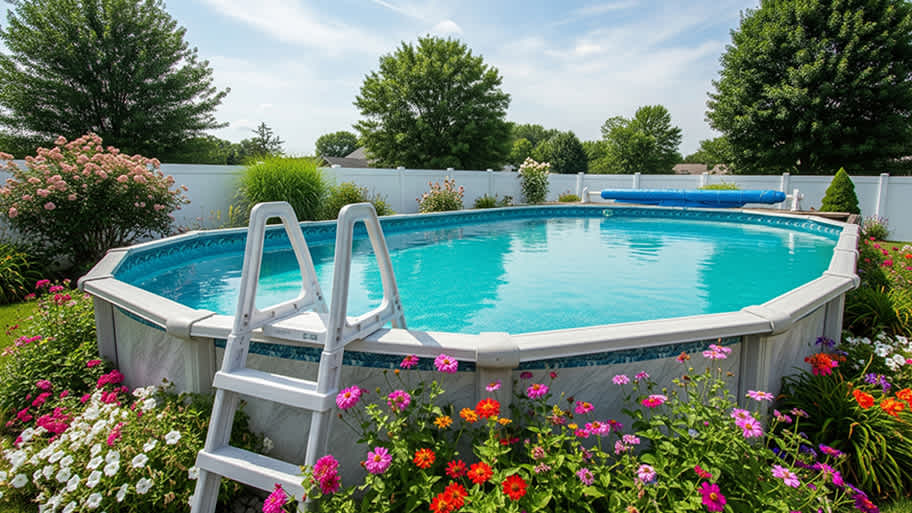
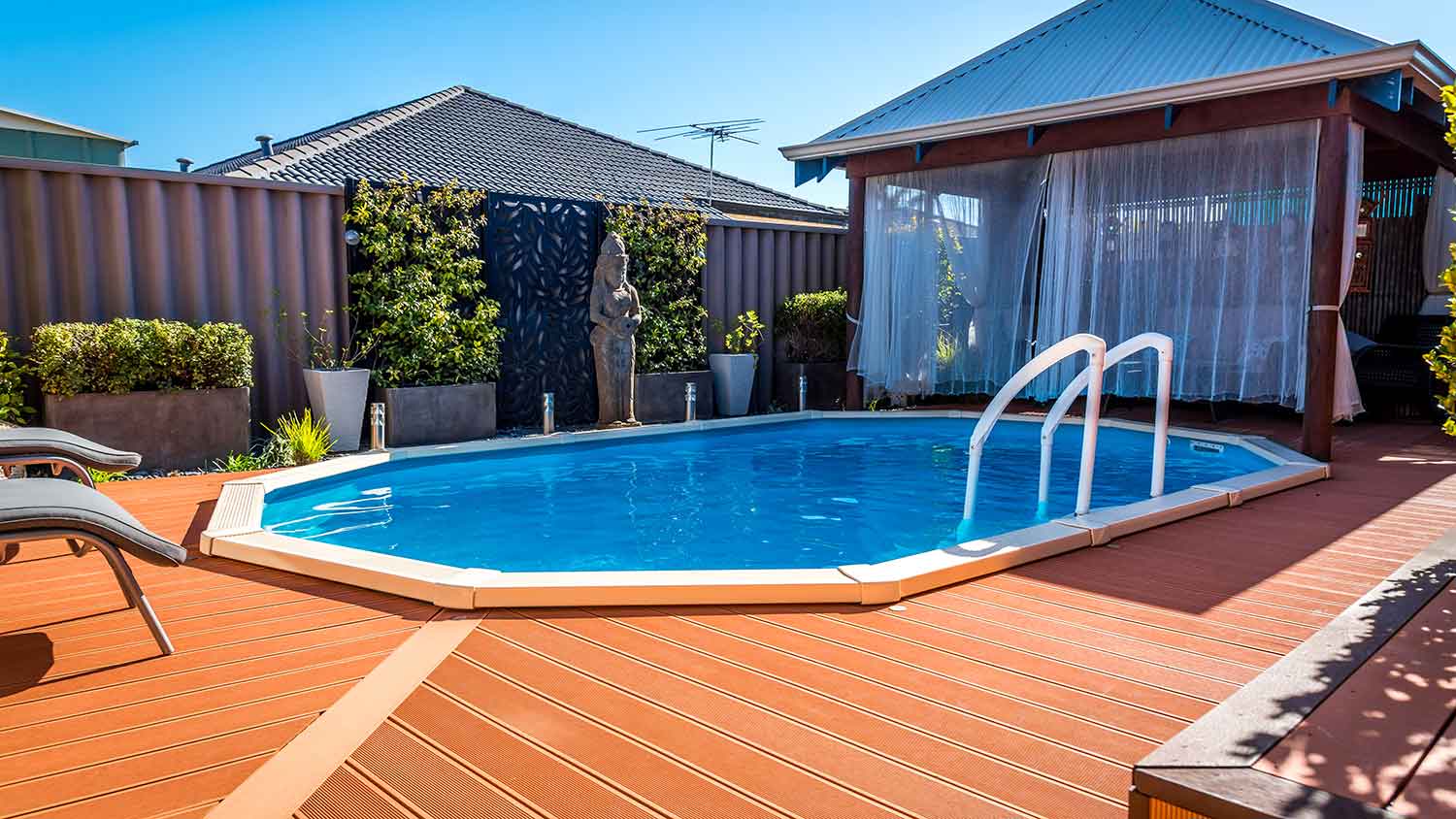
Install Above Ground Pools FAQs, answered by experts
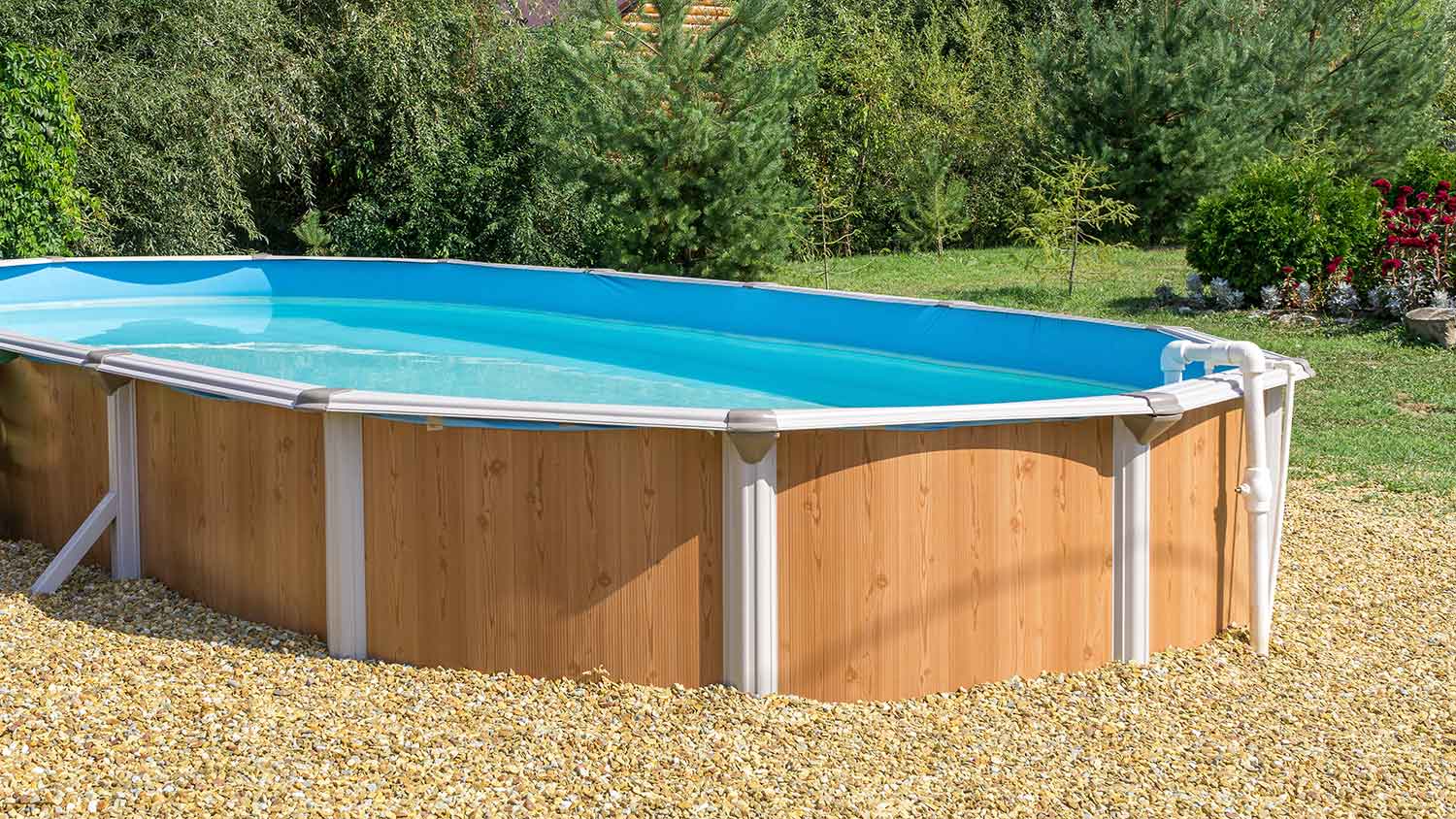
You can place many materials under a pool to level it, including sand, concrete, solid foam, pavers, or finely crushed gravel. You can also use a tamper or roller to level ground without using a shovel to dig. No matter the material, make sure to level the ground with sand first for a smooth, even surface for the pool to sit on.
How long a pool liner lasts depends on the type of pool. Most in-ground pool liners last between six and 12 years, while aboveground pool liners last anywhere from six to 10 years. You can extend the life of your pool liner by maintaining proper pool chemistry, adding chemicals individually to avoid staining the liner, using a pool cover to protect it from the sun, and keeping sharp objects away from it.
Concrete pools are very durable but can crack if not properly maintained. The most significant risk is winter weather and low temperatures when water can seep into crevices and freeze. To avoid damage, use the proper winterization chemicals, and don’t completely drain your pool. Concrete pool repairs cost around $75 per linear foot for small cracks.
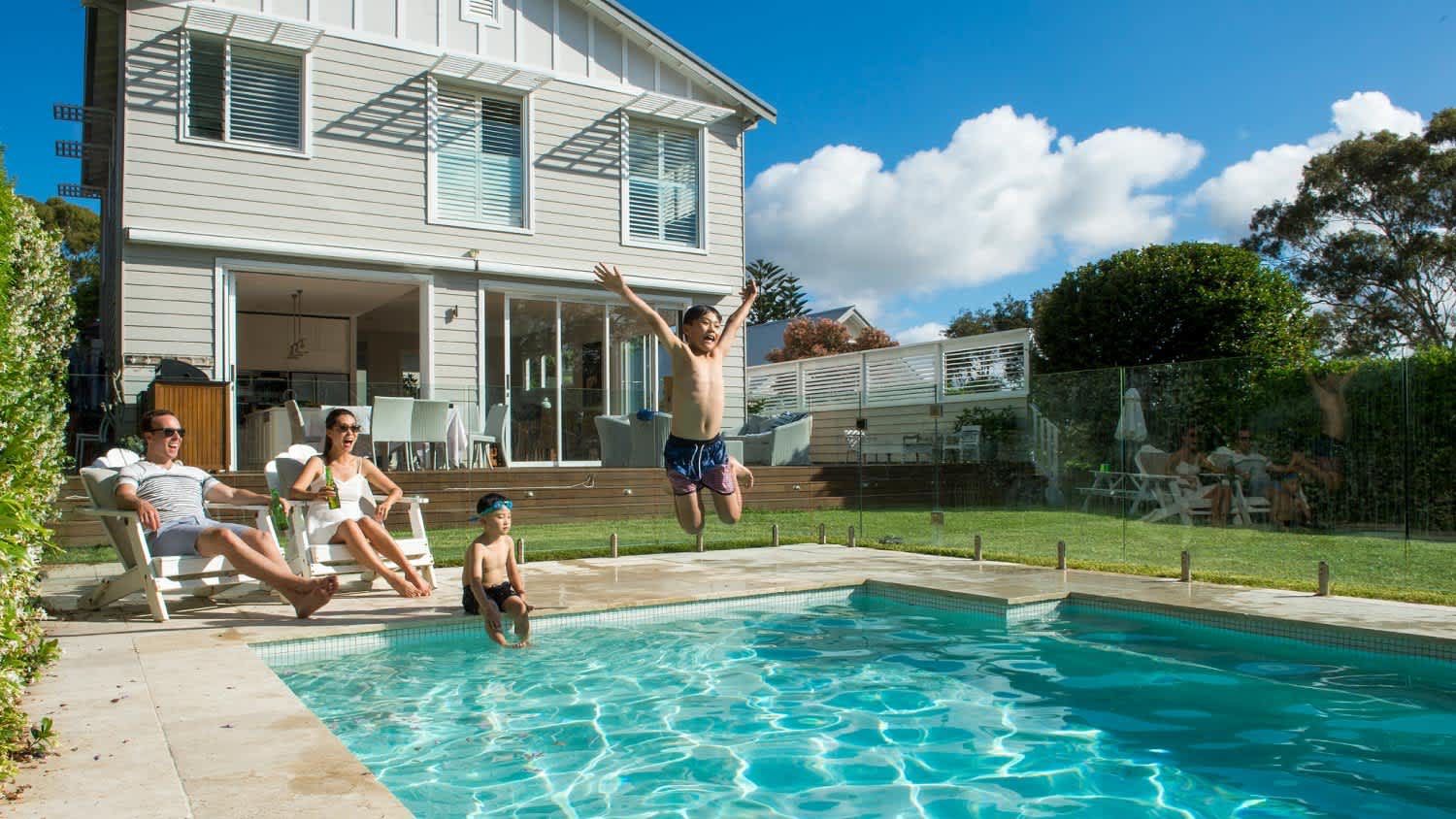
The average 12-by-24-foot in-ground pool costs $48,500, but depending on the features and materials, prices can trend even higher. You’ll spend less on a rectangular vinyl or fiberglass pool than on a concrete pool in an elevated style (think infinity pool or lagoon pool). Added features like heating, lighting, diving boards, or decking will increase your overall cost.
A swimming pool pump has to have water in it to run properly. If the pump isn’t primed and tries to run when it’s dry, the components will overheat which can cause the pump to seize up and can even damage the PVC pipes that carry the water into and out of it. Essentially, running a pump that isn’t primed can lead to having to replace the entire pump.
The Jordan, MT homeowners’ guide to above ground pool installation services
From average costs to expert advice, get all the answers you need to get your job done.
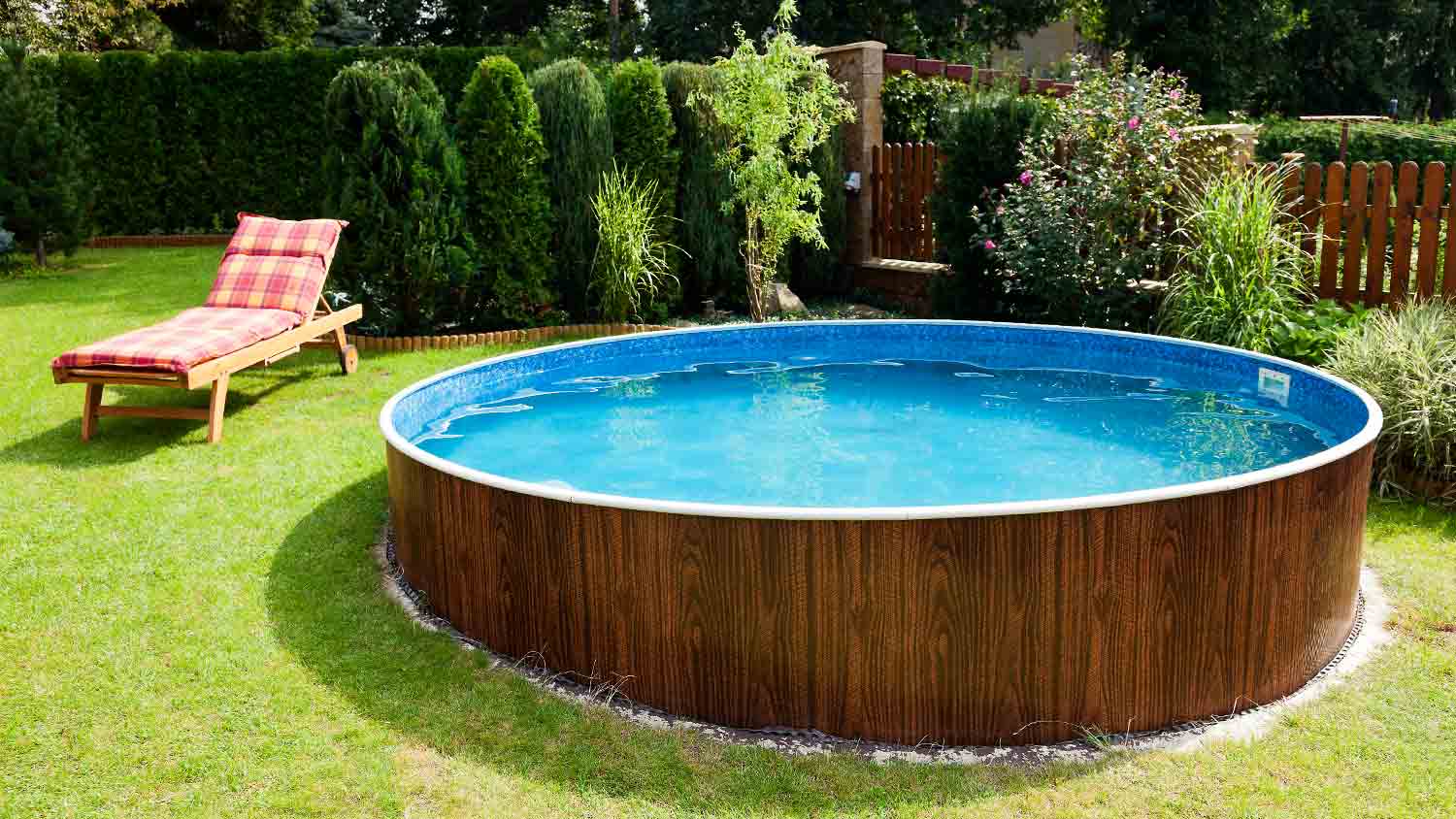
Above ground pools are more affordable than inground pools, so can you put an above ground pool in the ground to save money? Learn when it’s safe to do so.