


Keep pool-side dreams from getting short-circuited by being aware of pool electrical installation costs and how they can affect your overall budget.
Pool construction and installation costs depend on your project and location. Check with a local pro for your specific job.

Installed above-ground pool prices range from $1,010 to $5,967, with your total depending on pool size, materials, and whether you choose soft-sided, resin, or metal-framed options.
Professional installation costs $1,000 to $3,000 on top of materials, and you'll save money by addressing land prep and fencing early to avoid higher costs later.
You'll need to budget for ongoing expenses like monthly maintenance at $85 to $150, seasonal opening and closing services, and heating costs that run $100 to $600 monthly.
Hiring a local swimming pool installation professional provides peace of mind with safe electrical work, proper land leveling, and compliance with local building codes and permits.
In 2026, the national average cost to install an aboveground pool is $3,385, based on 312 verified projects from Angi Pros. Most homeowners pay between $1,023 and $5,840, with the spread driven by pool size, materials, and installation complexity. For a small aboveground pool with DIY installation, you might spend as little as $150, while a large aluminum pool with professional installation can run $20,000 or more.
Before installing a new aboveground pool, consider the following cost factors, including the type of pool and labor rates.
The type of above ground pool you choose is one of the biggest drivers of your total project cost. Soft-sided pools are the most budget-friendly option and can be installed in a few hours without professional help. Resin pools fall in the middle of the price range—less corrosive than steel, but not as durable against UV rays and cold winters as aluminum. Metal-framed pools are the most expensive option and offer the longest lifespan.
| Soft-Sided Pool | Resin Pools | Metal-Framed Pool |
|---|---|---|
| DIY-friendly | Best to use a pro | Best to use a pro |
| Cost-effective option | Midrange option | Most expensive option |
| Easy to move | Highly customizable | Flexible and customizable |
| Difficult to repair | Can be easily damaged during winter | Susceptible to corrosion |
Most soft-sided aboveground pools cost between $200 to $2,500, though luxury models run higher, making them the most affordable pool type available. Inflatable versions are the least expensive within this category, while the highest-quality soft-sided pools use flexible vinyl material supported by a metal frame. These pools are large enough for adults to enjoy and can be set up in an afternoon, though they are not designed for year-round use.
This type of pool is the most budget-friendly option. You can put it up in an afternoon and take it down when the season ends. Remember, these aren't intended for year-round installations and aren't as durable as a standard aboveground pool.
Most resin aboveground pools cost $1,500 to $3,700, with hybrid steel-and-resin frame pools available at a slightly lower price point. A particularly large resin pool can reach up to $5,000. Resin pools resist corrosion and are less likely to dent or warp than metal pools, though they can crack in freezing temperatures.
The main advantages of this type of aboveground pool are corrosion resistance and price. It won't rust and is more affordable than the ever-popular aluminum aboveground pool. Resin pools are also less likely to dent or warp than metal pools, but they can crack and sustain damage in freezing temperatures and harsh winters.
A metal-framed aboveground pool costs between $1,800 to $10,000, with the average homeowner spending around $4,000. These pools are made from steel or aluminum and offer greater durability and a longer lifespan than soft-sided or resin options. For maximum longevity, choose stainless steel or heavy-gauge aluminum construction.
Thanks to this pool's sheer popularity, there are many different options on the market. This includes various sizes and shapes, whether you choose an oval, rectangle, or circle.
An aboveground pool liner costs between $100 to $660, not including installation, with price varying by brand, material, color, and thickness. Liners for smaller rectangular or circular pools sit at the lower end of that range. Larger, custom-shaped pools require more material and command higher prices.
Pool size is one of the clearest cost drivers for an aboveground pool—the larger the pool, the higher the price. Most aboveground pools are between 4 and 4½ feet deep, so depth plays only a minor role in what you pay. The dimensions across the surface area—length, width, and diameter—have a far greater impact on your total materials cost.
| Project Size | Average Cost in 2026 |
|---|---|
| 12 | $800–$1,600 |
| 15 | $800–$2,100 |
| 18 | $1,200–$2,700 |
| 24 | $1,300–$2,900 |
| 30 | $1,600–$4,500 |
| 12x24 | $1,500–$2,700 |
| 18x33 | $1,800–$3,500 |
| 21x41 | $2,200–$4,900 |
| 9x18 | $1,000–$2,900 |
| 12x24 | $1,500–$4,800 |

Aboveground pool costs also vary based on shape and size. Round and rectangular pools tend to be less expensive than oval-shaped pools.
Here’s what you can expect to pay for a round pool with these diameters:
| Round Aboveground Pool Size (Feet) | Average Cost (Materials Only) in 2026 |
|---|---|
| 12 | $800–$1,600 |
| 15 | $800–$2,100 |
| 18 | $1,200–$2,700 |
| 24 | $1,300–$2,900 |
| 30 | $1,600–$4,500 |
If you’re looking for an oval-shaped pool, here are the average costs for these dimensions:
| Oval Aboveground Pool Size (Feet) | Average Cost (Materials Only) in 2026 |
|---|---|
| 12x24 | $1,500–$2,700 |
| 18x33 | $1,800–$3,500 |
| 21x41 | $2,200–$4,900 |
If a rectangle-shaped pool is more your jam, here are price estimates for these sizes:
| Rectangular Aboveground Pool Size (Feet) | Average Cost (Materials Only) in 2026 |
|---|---|
| 9x18 | $1,000–$2,900 |
| 12x24 | $1,500–$4,800 |
Materials make up the bulk of your aboveground pool installation costs, ranging from $800 to $5,000 on average, depending on the type and size of pool you choose. Soft-sided pools sit at the lower end of that range, while large metal-framed pools push toward the top. An aboveground pool installer can help you identify the best materials for your climate and budget.
Hiring an aboveground pool installer costs $1,000 to $3,000, in addition to pool materials, for most homeowners. Soft-sided pools are the most DIY-friendly option, but resin and metal-framed pool installations should be left to a professional. A pro ensures proper leveling, safe electrical connections, and compliance with local building codes.

When you install an aboveground pool, you will pay for more than just the installation. Several other jobs accompany it, including land preparation, fencing, hardscaping, and additional equipment. Here are some added costs to consider.
Preparing the landscape for an aboveground pool costs $1,000 to $3,400 to level the yard, plus about $6 per square foot if you add a concrete base. Aboveground pools are safest on flat ground made of grass, concrete, or sand. Avoid placing pools on decks or other elevated structures, as the weight can be too heavy for those surfaces to support safely.
Keeping your pool clean and comfortable means budgeting for the cost of pool filters, pumps, and heaters—an average filter and pump combo costs about $1,000, with prices ranging from $250 to $2,000 depending on pool size. A small cartridge filter starts as low as $250, while a high-end diatomaceous earth filter and pump combo for a large pool can reach $4,500. If you live in a cool climate, plan to add a pool heater: the average aboveground pool heater costs about $3,000 installed, with a range of $1,800 to $4,200.
| Equipment | Average Cost in 2026 |
|---|---|
| Pool filter and pump combo | $1,000 |
| Small cartridge filter | $250 |
| High-end diatomaceous earth filter and pump combo | $4,500 |
| Pool heater | $3,000 |
| Aboveground pool heater | $1,800 to $4,200 |
Most aboveground pool owners add a deck for easier access and enjoyment, and the cost to build a pool deck runs between $1,000 to $5,000 for a 300- to 600-square-foot deck. Deck material—whether composite or real wood—is a primary price driver, alongside the deck's size, shape, and any custom features. Composite materials tend to cost more upfront but require less maintenance over time.
Installing a pool fence costs about $4,000 on average, with a range of $1,500 to $10,000 depending on material, length, height, style, and customizations. A fence serves a dual purpose: keeping children and animals safely away from the water while also providing privacy. Many local governments require a fence or barrier around any pool, so check your local regulations before installation.
Many local governments require a fence or barrier around a pool or hot tub for safety reasons. Check with your contractor beforehand about local regulations.

Pool permits cost around $100 to $300, though some cities do not require a permit for aboveground or small pools. If you plan to add a deck, budget an additional $225 to $500 in building permit costs. Check with your local municipality before starting the project to confirm exactly which permits apply to your installation.
Filling your aboveground pool is a cost that's easy to overlook, and the cost of filling a pool with water runs between $90 to $270 on average, depending on pool size. Larger pools require significantly more water, which pushes costs toward the higher end of that range. The table below shows estimated water needs and fill costs by pool size:
| Pool Size | Gallons of Water Needed | Average Cost in 2026 |
|---|---|---|
| 8-foot circular | 1,737 | $8–$200 |
| 12-foot circular | 3,900 | $16–$400 |
| 18-foot circular | 8,800 | $36–$900 |
| 12x24 foot rectangular | 17,300 | $68–$1,700 |
| 16x24 foot rectangular | 23,000 | $92–$2,300 |
Keeping your pool water clear and safe requires the right chemical balance, and picking the right pool chemicals is more nuanced than it might seem. The wrong mix can leave water cloudy, irritate swimmers' skin, or allow bacteria to thrive. Your pool installation company is a good resource for guidance on which chemicals work best for your specific pool type and size.
Owning an aboveground pool comes with ongoing costs beyond the initial installation, including the cost of professional pool maintenance, electricity, and repairs. These recurring expenses add up over the life of the pool and should be part of your budget planning from the start. Here are the regular costs to factor into your decision:
Maintenance: Pool maintenance includes having a professional clean the pool, balance the chemicals, and clear debris from the filters and pumps. These services cost about $85 to $150 per month .
Heating: Running a propane heater could cost slightly more for a large pool, while heat pumps start at around $50 per month for electricity. It costs $100 to $600 per month, but depends on local utility rates.
Chemicals: Pool chemicals like chlorine cost around $15 per month. If you have a saltwater pool, you'll spend around $100 per year on salt and chemicals, plus $800 every few years for a new salt cell.
Opening: The tasks required to open your pool include inspecting the equipment, testing the water, filling the pool to the required operating level, and giving it an initial clean. Budget about $250 to $350 for pool opening services.
Closing: The process of winterizing your pool is important to prevent damage during the offseason. Expect to pay about $175 to $300 to close your pool.
Repairs: The price of pool repairs depends on the extent of the damage. You can patch a hole for around $20 with a DIY kit, but replacing a damaged liner costs about $2,500.
Once the frame is set, you may want to add features that make your pool more comfortable and enjoyable to use. Common add-ons range from steps and ladders for easy entry and exit to pool lights for night swimming. These extras vary widely in cost, so it helps to prioritize the ones you'll use most before committing to a budget.
Steps or ladders: $20–$700
Pool lights: $30–$120
Fountains and waterfalls: $25–$130
Robotic vacuum pool cleaner: $200–$500
Pool heater: $50–$2,400
Pool cover: $30–$300

Most homeowners weigh the advantages of aboveground pools versus in-ground pools before choosing the best option for their yard. Overall, in-ground pools hold the most value, but installing one is a massive undertaking requiring a major investment. Aboveground pools are simply easier to add to your yard.
Aboveground pools are more affordable, work well in a small yard, and only take a few days to install. Handy homeowners can even DIY the work, but they’re not always seen as desirable. An aboveground pool can have a negative or neutral impact on the value of your home, while in-ground pools are considered a luxury feature.
| Aboveground Pools | In-Ground Pools |
|---|---|
| Budget-friendly | Major investment |
| Installation takes 1–3 days | Installation can take weeks or months |
| Limited options | Customizable |
| Smaller footprint | Requires more space |
| Between 4–6 feet deep | Can be deep enough for diving |
| 10–20 year lifespan | 30–50 year lifespan |
| Can have a negative or neutral impact on home value | Can add resale value |
| Less costly maintenance | Maintenance costs more and takes more time |
Hiring a pool installer near you will cost an extra $1,000 to $3,000 on top of the cost of materials, but it will help prevent potentially costly damage (like a pool collapse or major leak). It’s especially important if you’re installing electrical components such as a heater, which can be hazardous to DIY.
Aboveground pool installation is less complex than in-ground pool installation, but you’ll still want to hire a pro for the following reasons:
Professionals can prevent leaks, cracks, and a pool collapse.
Experts have the skills to safely level your yard and create a solid foundation for your pool.
Any electrical work (like for heaters and pumps) is hazardous to DIYers—especially when water is involved.
DIY work lacks a warranty, guarantee, or insurance coverage if something goes wrong.
Experts come prepared with an entire team that can complete the job quickly and safely.
Pros will ensure your pool complies with local building codes and zoning laws.
If you want to DIY your aboveground pool installation, keep things simple:
Choose temporary or inflatable models that don’t require complex installations.
Install an aboveground pool kit, which is simpler to DIY.
Skip extras like heating that require electrical work.
Consider hiring a pro to create the foundation and safely install the electrical components.
Aboveground pools are a less expensive alternative to in-ground pools, and you’ll still cool off on those hot summer days. But you can save more by knowing which products to buy and the best time of year to buy a pool.
Many aboveground pools are available in kits with filters, pumps, and the pool frame and liner for a bundled price. If you aren’t building a pool kit from scratch, buy a kit to save money on the pool materials. Keep in mind that you may still incur expenses from leveling the land and adding pool water.
You can score deals on aboveground pools either at home improvement stores or pool companies by shopping during the fall and winter when pools are in less demand. It’s also easier to hire a pool installer during the offseason due to additional flexibility in their schedules.
The value of an aboveground pool depends on several factors. On average, homes with pools sell for 7% to 8% more than homes without pools. That said, aboveground pools don't add the same amount of value as an in-ground pool. In fact, low-end aboveground pools can have a neutral or negative impact on total home value—especially if you have a luxury home.
It all boils down to your local market. In warmer climates, a pool may have a better ROI. If most of your neighbors have pools, your home will be worth less without one. On the other hand, an aboveground pool can turn off buyers who don't want to deal with ongoing pool expenses or if an aboveground pool doesn't fit their vision for their landscaping.
Get ready to discuss materials and brands with a pro, since these can drastically impact the price.
A pro can help you determine the exact measurements of your pool, but you should have a rough idea of the size and location in your yard.
If you have leftover room in your budget, consider add-ons like pool lighting, heaters, and decking.
Be prepared to talk about landscaping since fencing is often legally required.
Home is the most important place on earth, which is why Angi has helped more than 150 million homeowners transform their houses into homes they adore. To help homeowners with their next project, Angi provides readers with the most accurate cost data and upholds strict editorial standards. We survey real Angi customers about their project costs to develop the pricing data you see, so you can make the best decisions for you and your home. We pair this data with research from reputable sources, including the U.S. Bureau of Labor Statistics, academic journals, market studies, and interviews with industry experts—all to ensure our prices reflect real-world projects.
Want to help us improve our cost data? Send us a recent project quote to [email protected]. Quotes and personal information will not be shared publicly.
If you’re good people wanting to do business with good people, hire Matt. He is a consummate professional and utterly competent. He installed a water heater in my home at a price that beat competitors by hundreds of dollars with a promise to support the unit for its life (even after its 6 yr...
 Greene's Plumbing Services
Joseph did a great job with the staircase and trim. Timely and efficient, clear communication about the work, very fair pricing. For the stairs in particular, done very skillfully in an old house (1893) in a tight spiral, and very creative with how to do the handrail. Did a nice job with...
 Vouis Trim Carpentry L.L.C.
This company does it right. Firstly, I want to say that Landan was a joy to work with. He was so kind, transparent, and had everything under control. His entire team showed up ready to work and they were all very respectful of the fact that we were in an office space. A little backstory – we...
 Krumlauf Floors
Professional Team, smooth to communication chain and schedule flexibility. Follows proper construction procedure and completes task on time.
 Pegasus Concrete
Very professional, knowledgeable and helpful! Completed the install on time and as expected.
 Ward's Services
Cole has been handling plumbing and general contracting for our four properties over the past three years, and he’s always done a great job. Most recently, he installed a sink and countertop in our retail store where none existed before, and it turned out exactly how we needed. He’s...
 ANB Renovations LLC
Excellent, Prompt, Courteous Service!!! They were super friendly and quite personable. I felt very comfortable with the gentlemen that did the installation. They installed it exactly where I asked them to and they did an excellent job!! I loved their service so much.
 Tether House
I hired windows depot USA of central to install new windows in house in Oshawa. Ilya was very professional from the start, not only did he offered a great price, he also made sure the installation was on time. I am very satisfied with final outcome. The windows look great and the overall...
 Window Depot USA of Central Ohio
The guys did an outstanding job and we had a great experience with CarifaTile. I appreciated that Joe reviewed the quotes with me and set expectations prior to the install. The crews showed up as scheduled and always left the areas clean upon leaving the house. We will definitely use...
 CarifaTile
Did an amazing job transforming my yard. Also installed sod in places, would recommend to everyone.
 Cardinal Landscaping & Construction LLC
From average costs to expert advice, get all the answers you need to get your job done.
Keep pool-side dreams from getting short-circuited by being aware of pool electrical installation costs and how they can affect your overall budget.
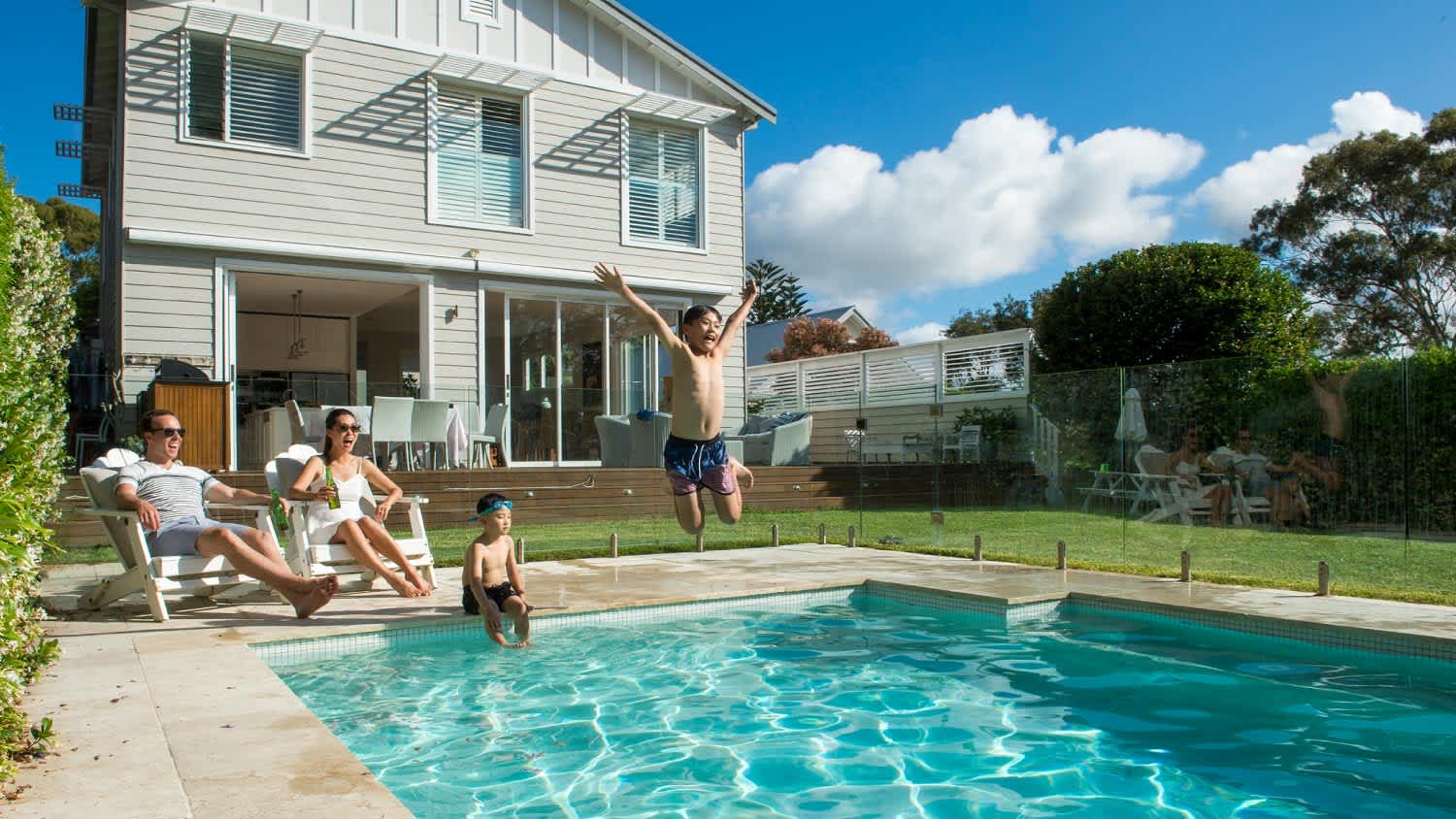
Considering a swimming pool for your backyard? Find out everything you need to know about in-ground pool costs, from materials to labor and more.
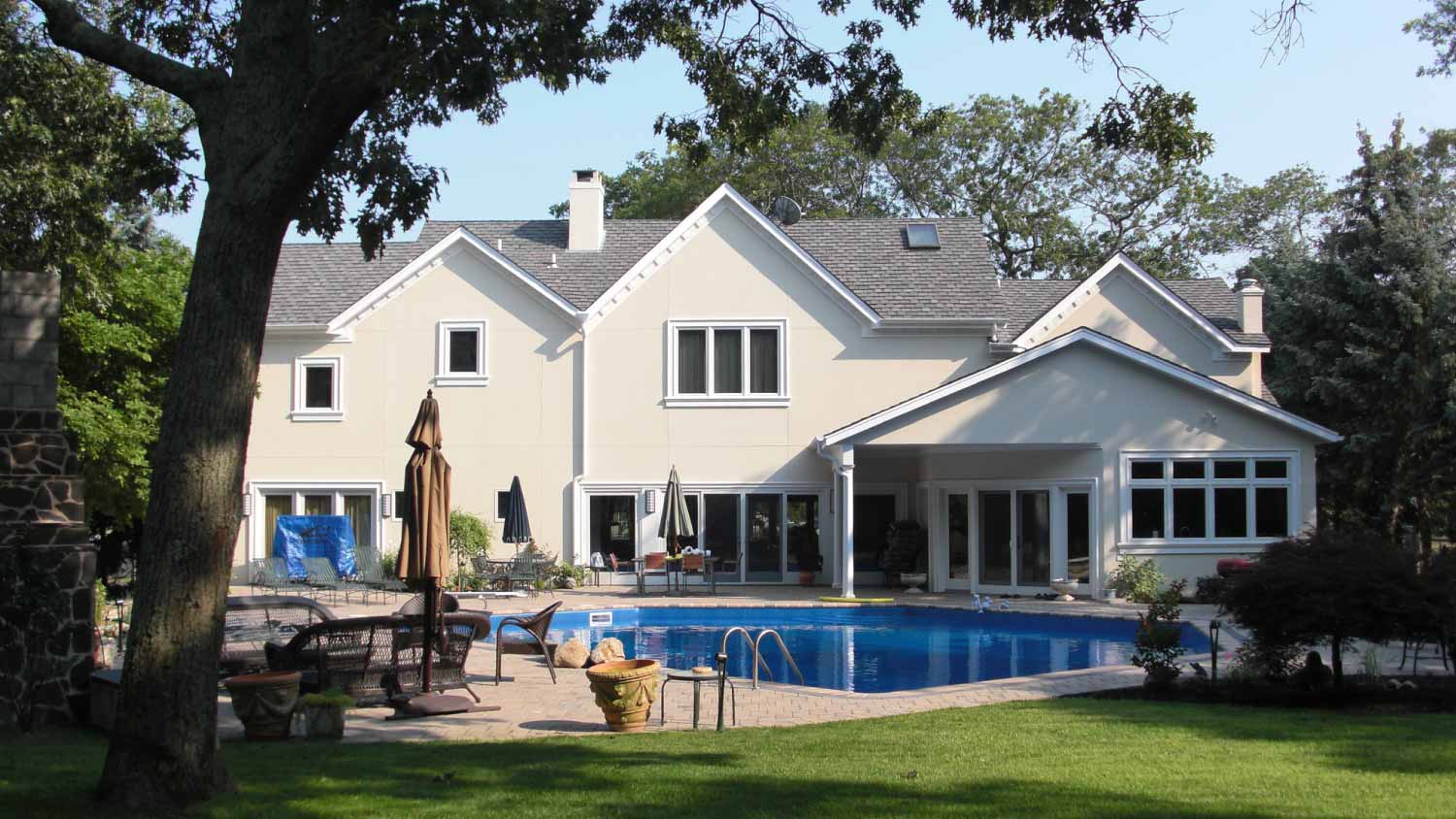
Is it time to treat yourself to backyard pool parties and late-night swims? Start with our guide, which answers the question: how much does it cost to build a pool?
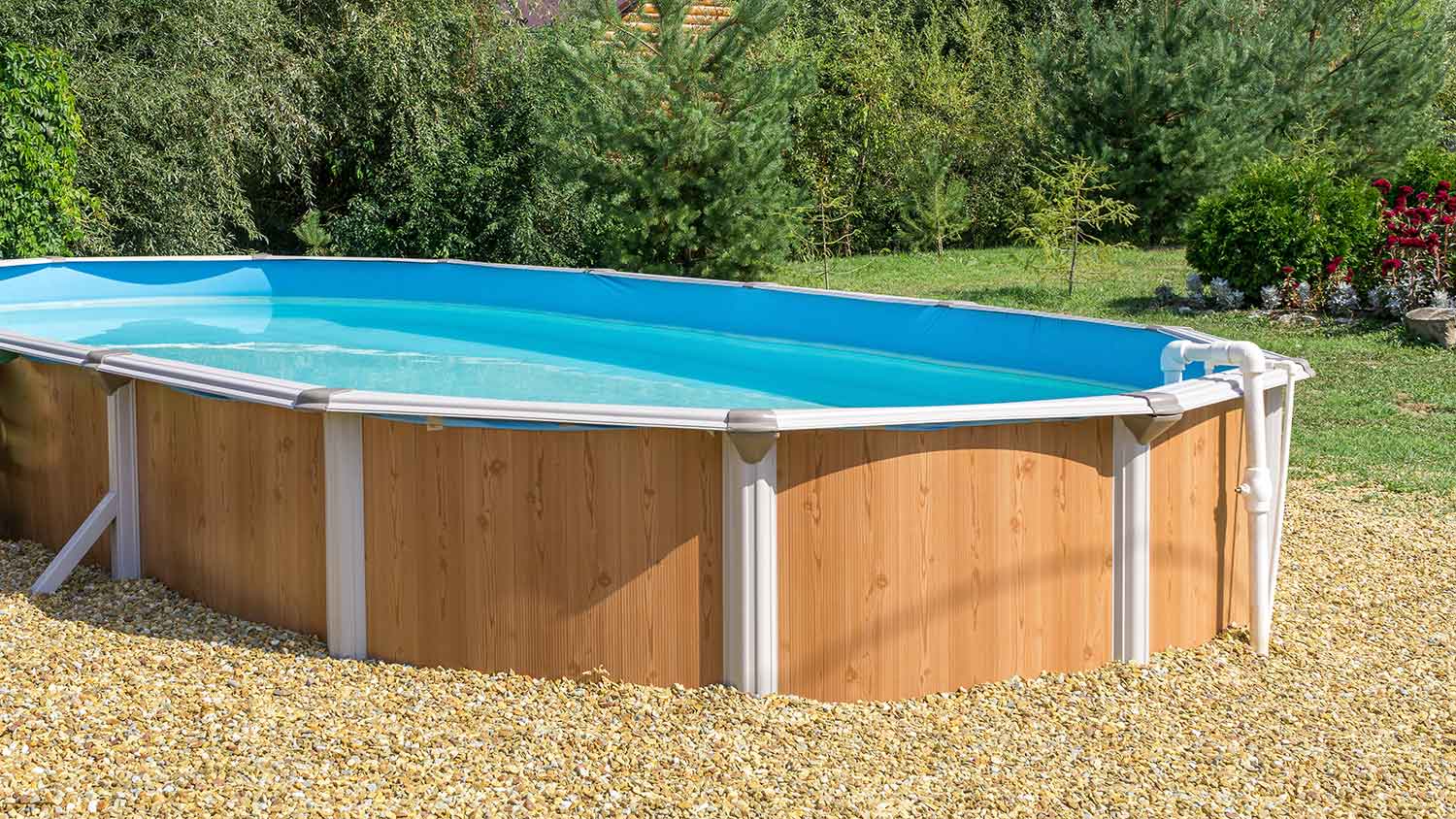
Learn how to hire an above-ground pool installation. Discover questions to ask, qualifications to check, and tips for finding a reputable contractor.
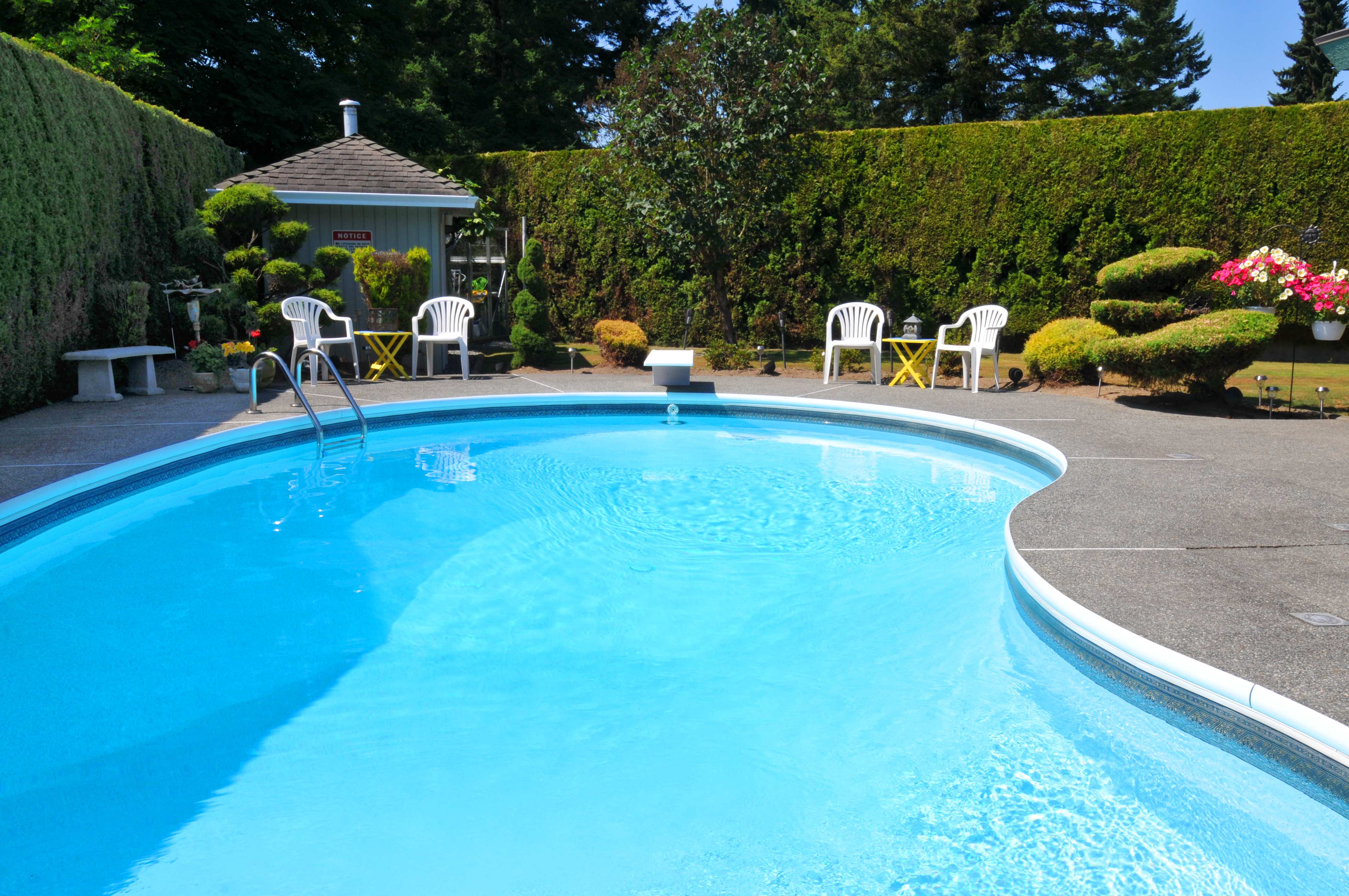
Ready for a backyard oasis? Learn everything about above ground pool installation, including average costs, site prep, and how to hire local pool installers.
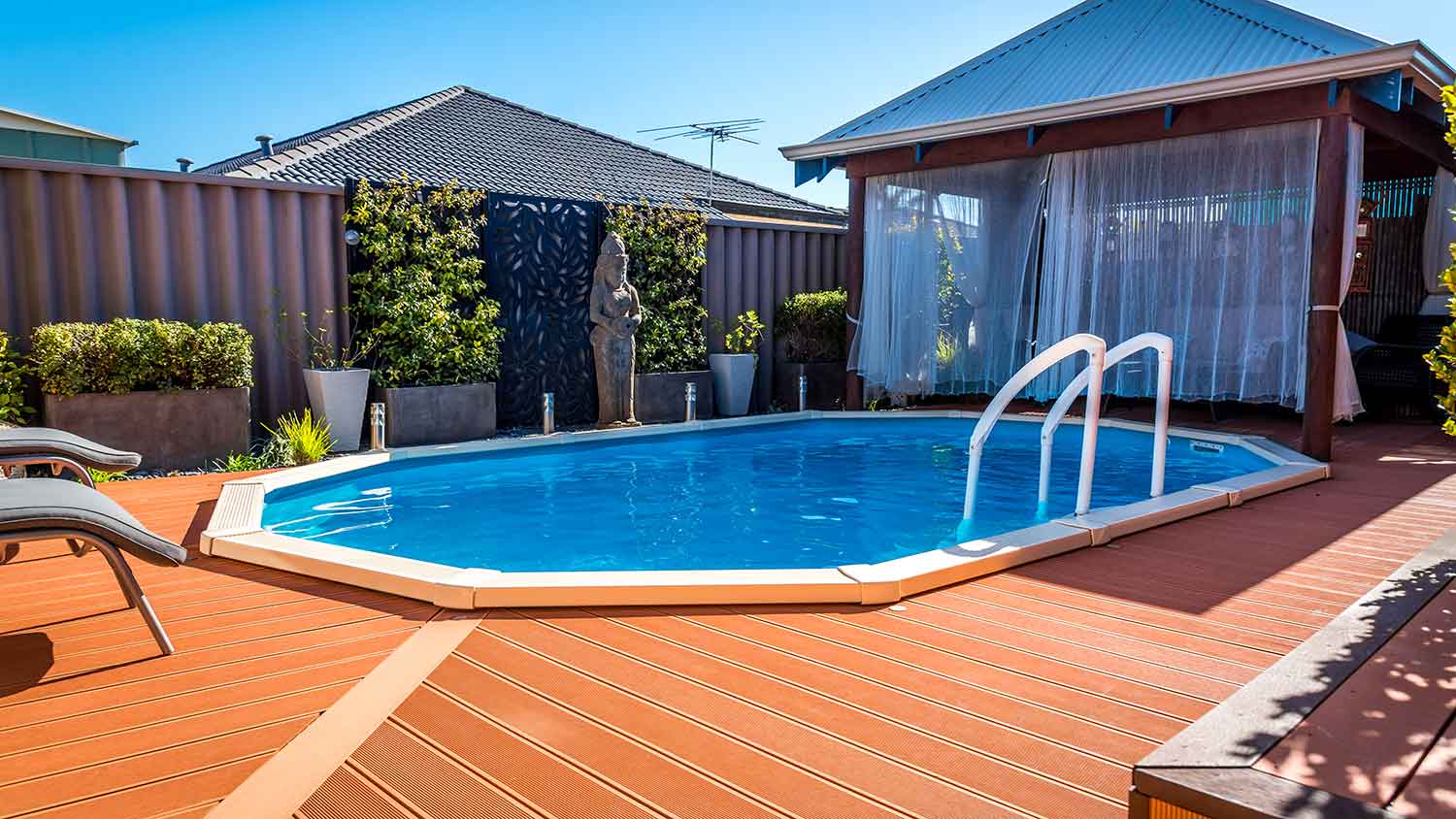
Above ground pools are more affordable than inground pools, so can you put an above ground pool in the ground to save money? Learn when it’s safe to do so.