"The tech was very knowledgeable and went above and beyond to satisfy us. Our faucet was broken would not attach to the sink as the copper seal broke to the water lines."
"One oven doesn't work at all ( my choice, see above), the "working" oven was never calibrated properly so using it is hit or miss. It's time to call American Home Shield to see about replacing the entire unit. I'm waiting to finish other home projects before calling them. I don't know if I'll request Greenway again."
Install Above Ground Pools questions, answered by experts
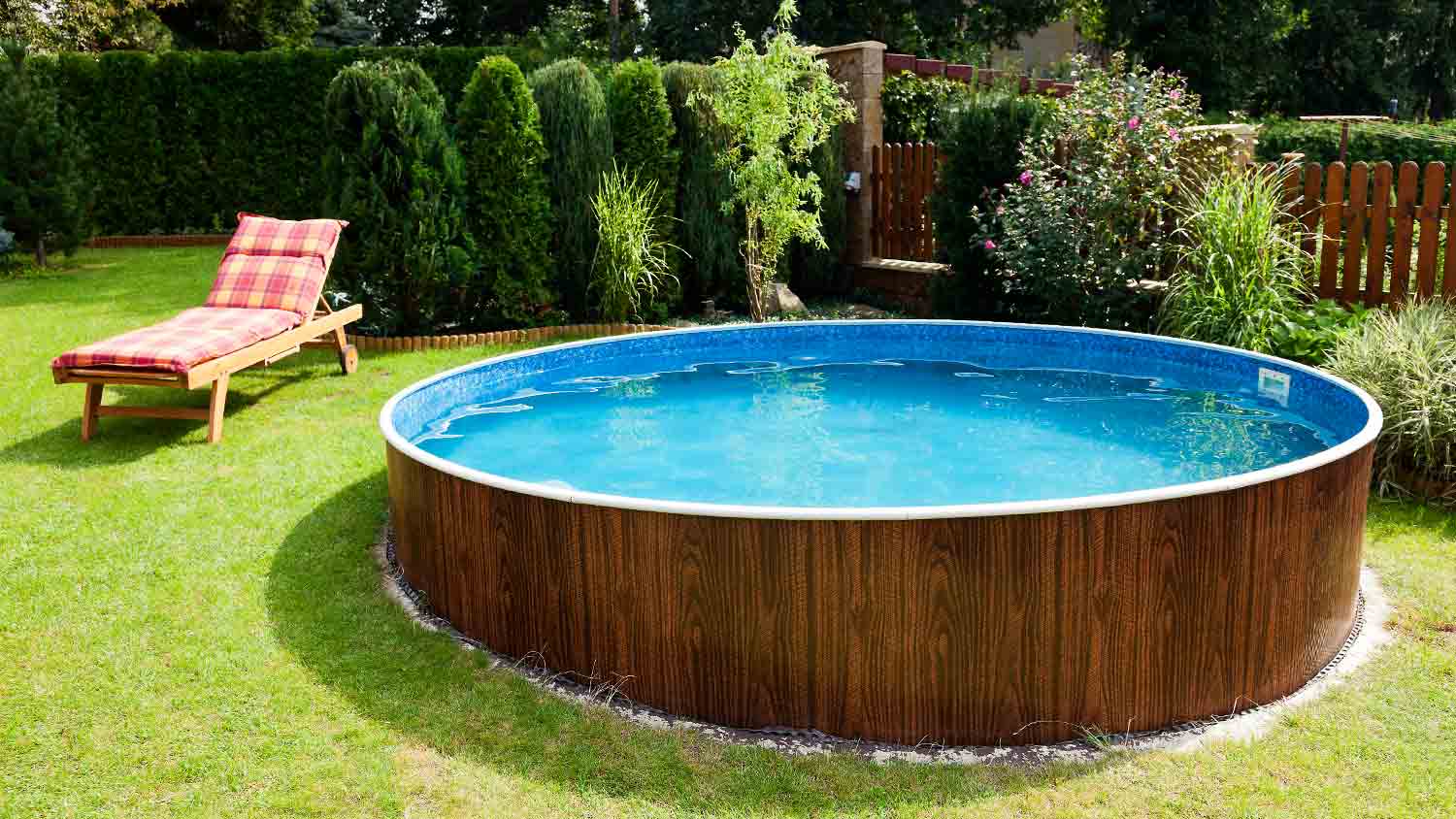
There are pros and cons of in-ground vs. above-ground pools, which you should consider when choosing the pool of your summertime dreams. Some factors to think about include:
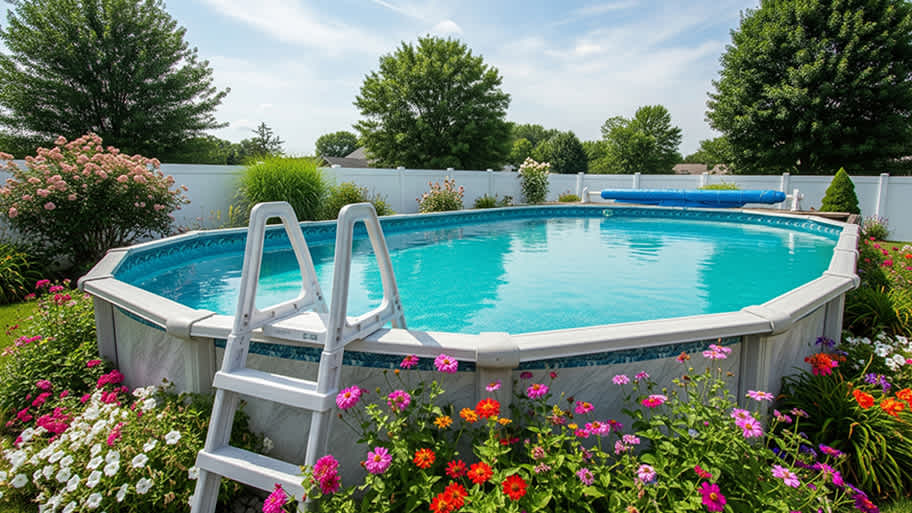
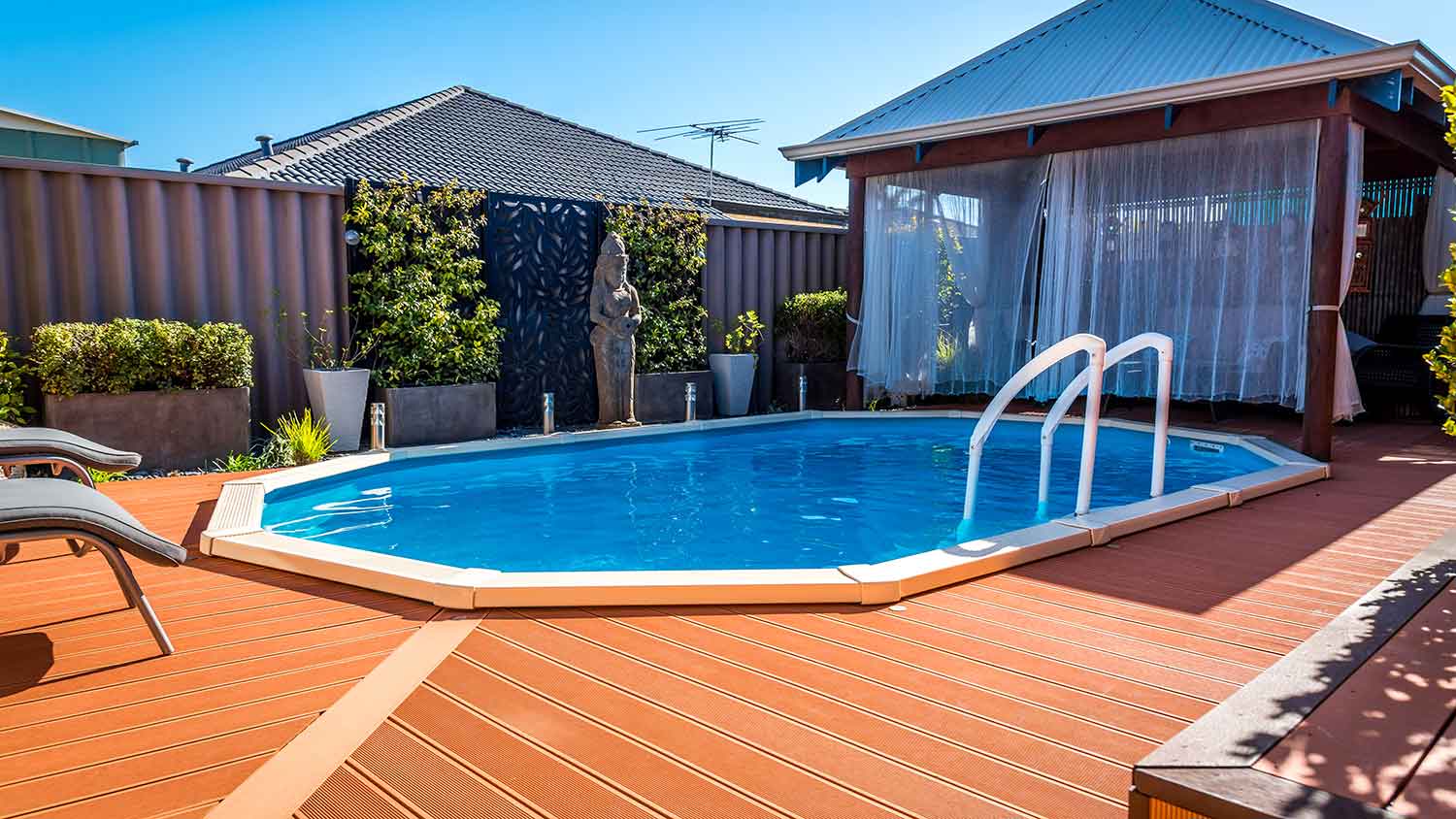
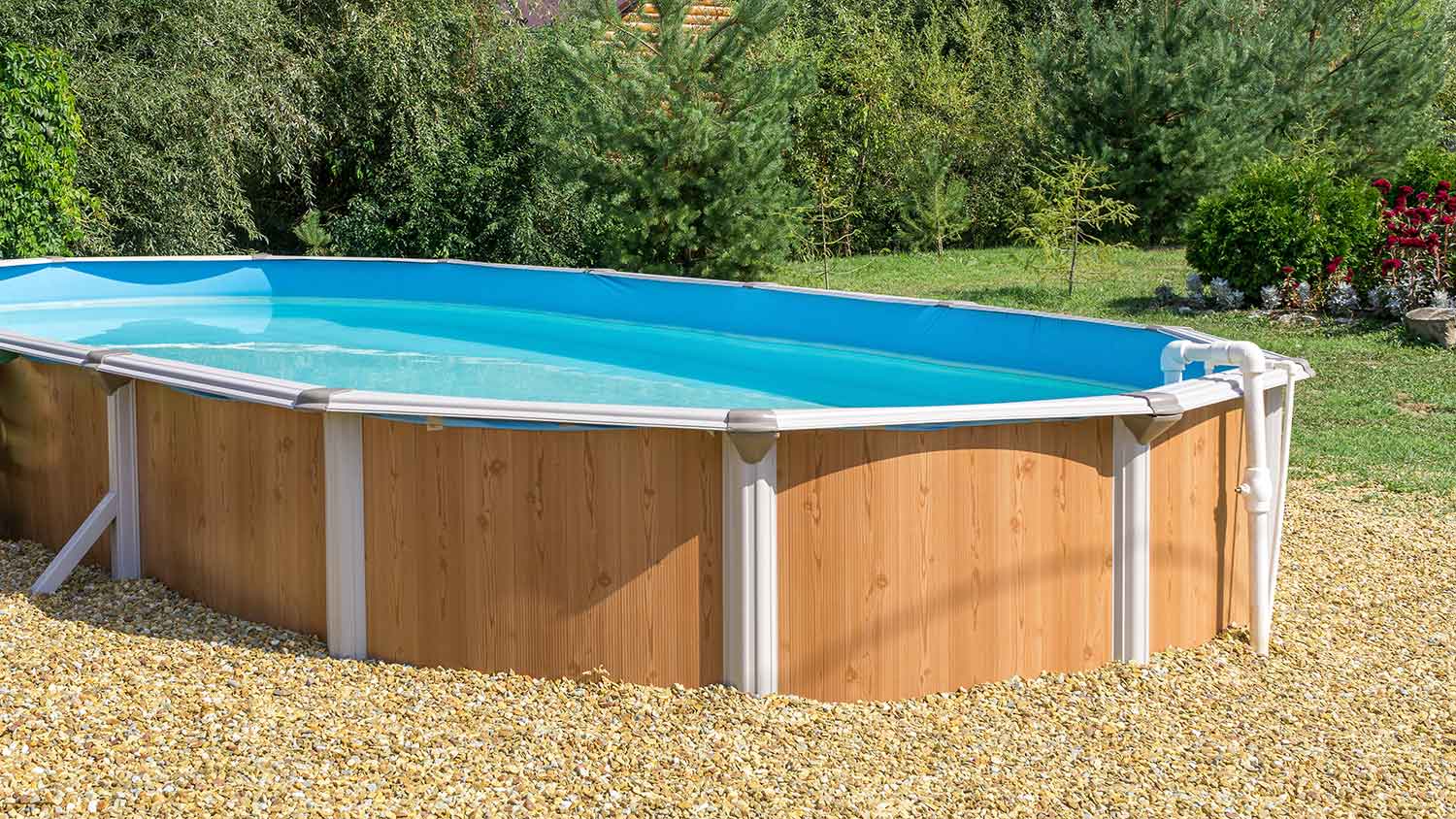
Above-ground pools are semi-permanent and movable, whereas in-ground pools are permanent structures.
In-ground pools are more expensive to install than above-ground pools.
It takes one to three days to install above-ground pools and several weeks for an in-ground pool install.
You can install an above-ground pool in smaller yards, but you need plenty of space for an in-ground pool.
Concrete pools have the longest life span. As long as you properly maintain your concrete pool, you can expect it to last 50 to 100 years. That said, you will need to resurface your concrete pool as it ages. Fiberglass is durable, but fiberglass pools generally only last around 25 to 30 years. That said, some high-end fiberglass pools can last more than 50 years if they’re well-maintained.
Just like a traditional in-ground pool, semi-inground pools can be between three and eight feet deep. Lap pools, for example, are often an average of 4 feet deep, while a traditional pool may have both a shallow and deep end. The depth of your semi-inground pool depends on the liner you purchase, as well as how much excavation you plan to do before the installation.
Whether your homeowners insurance covers a pool leak depends on your specific policy, so it's essential to check your policy documents before taking on any repairs. Typically, leaks caused by a covered event, such as a fallen tree branch or a fire, may be covered. However, leaks resulting from general wear and tear or poor maintenance are usually not. It is also a good practice to review your homeowners insurance policy before installing a pool to fully understand your personal liability and coverage.
You can avoid pool collapse—known as pool pop in an inground pool—if you follow the instructions on how to drain your pool safely. Wait for a temperate, dry day and slowly remove the water with a sump pump, hose, or the attached drains and hydrostatic plugs.
The Culbertson, MT homeowners’ guide to above ground pool installation services
From average costs to expert advice, get all the answers you need to get your job done.
Above ground pools are more affordable than inground pools, so can you put an above ground pool in the ground to save money? Learn when it’s safe to do so.