"The tech was very knowledgeable and went above and beyond to satisfy us. Our faucet was broken would not attach to the sink as the copper seal broke to the water lines."
"One oven doesn't work at all ( my choice, see above), the "working" oven was never calibrated properly so using it is hit or miss. It's time to call American Home Shield to see about replacing the entire unit. I'm waiting to finish other home projects before calling them. I don't know if I'll request Greenway again."
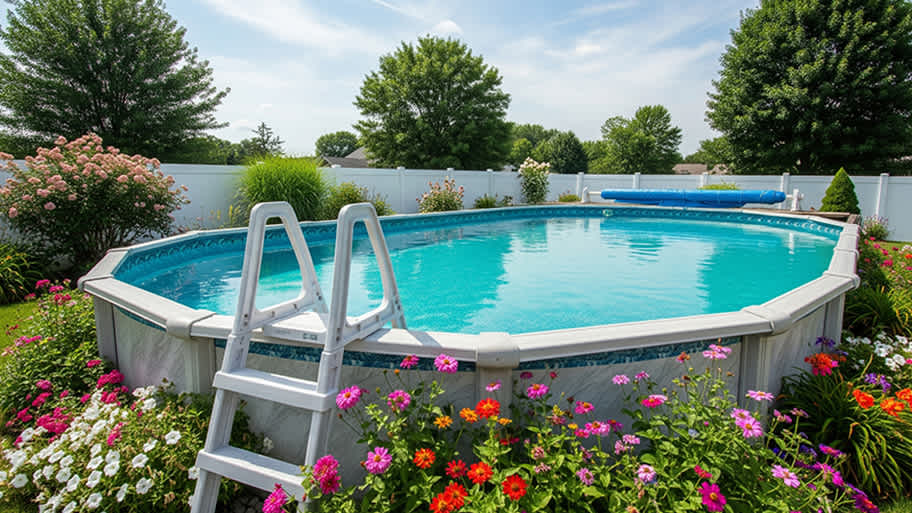
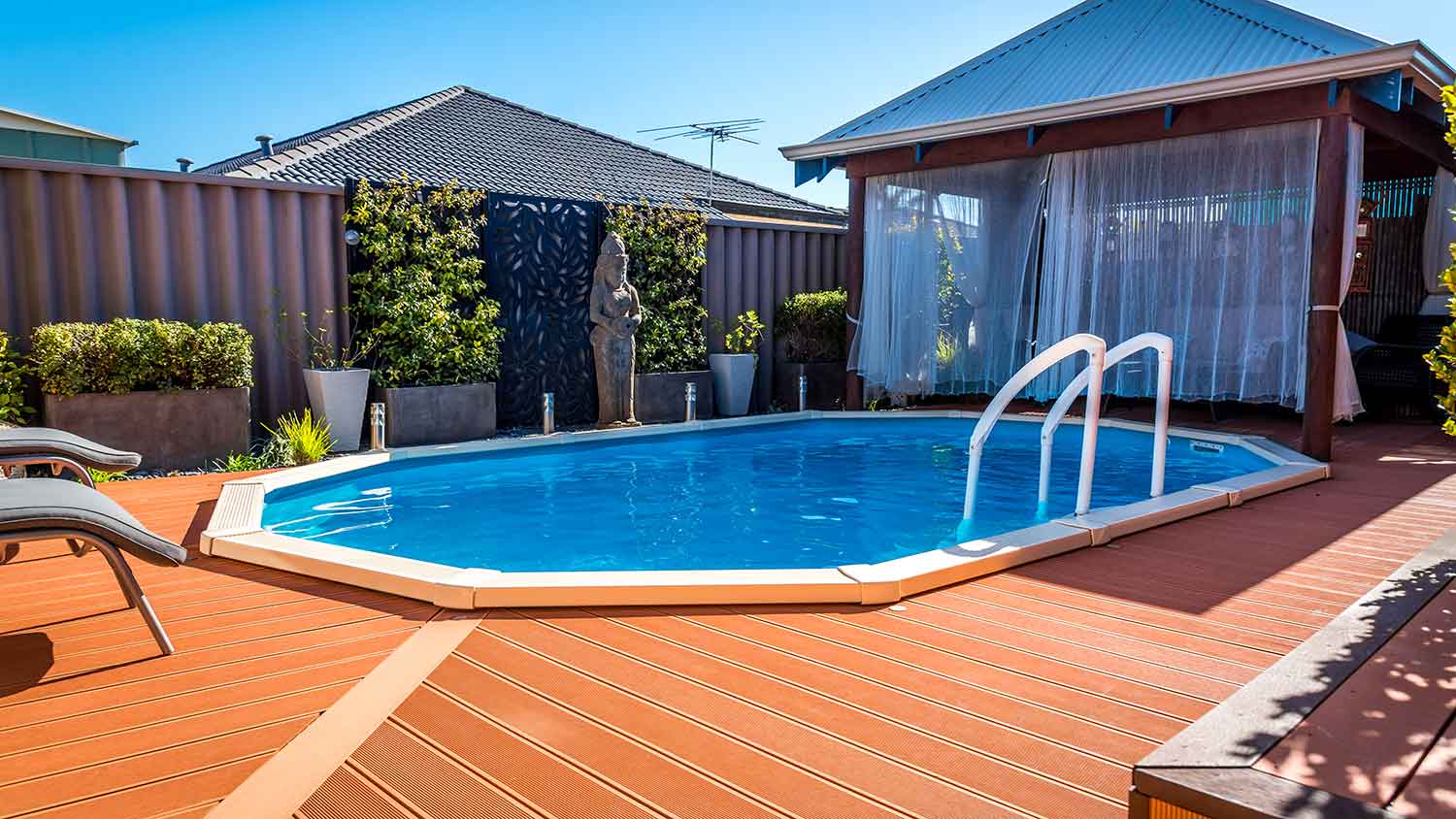
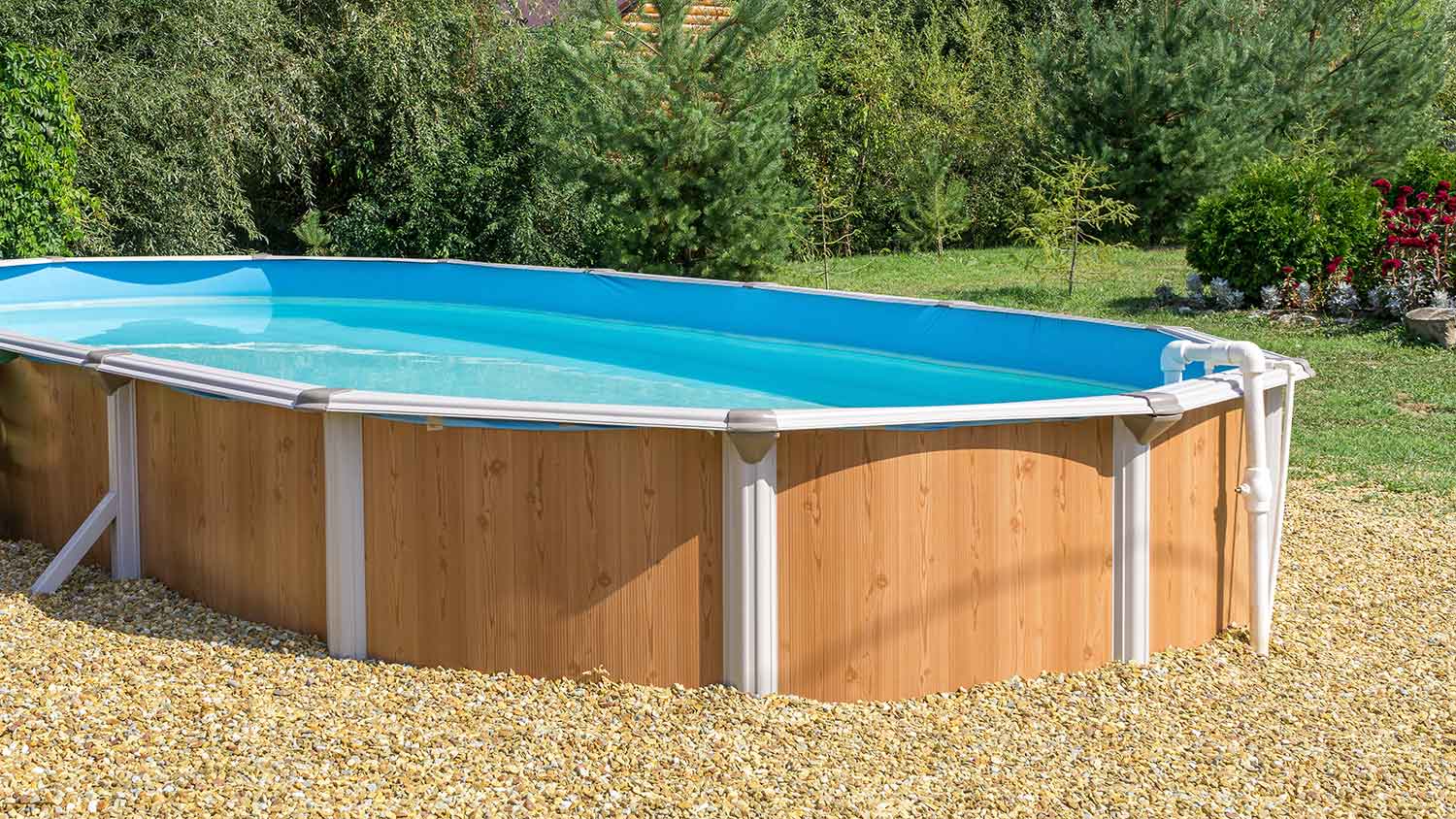
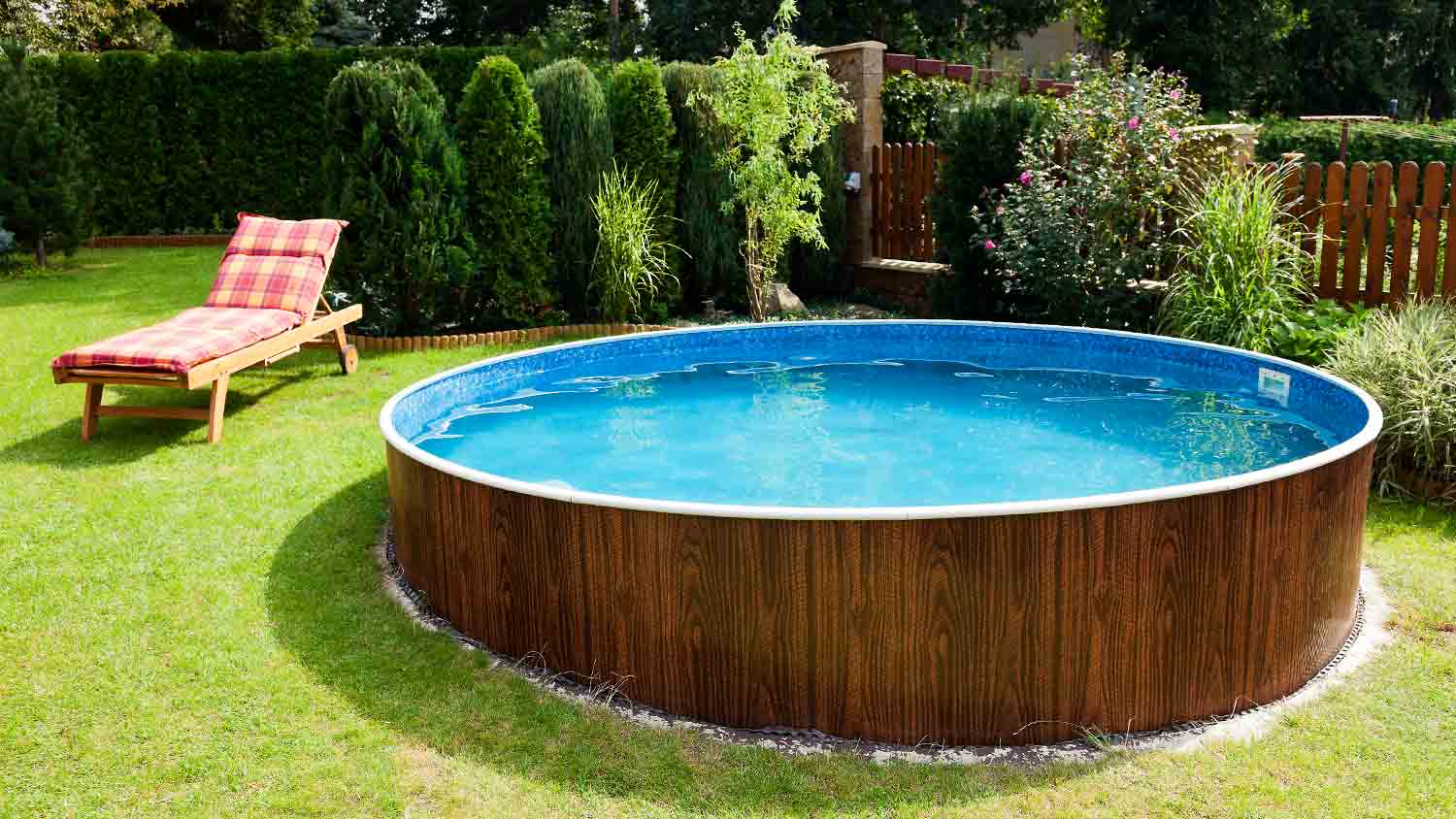
Install Above Ground Pools questions, answered by experts
Many providers include essential accessories like ladders and skimmers. Confirm details before starting the project.
Whether a natural pool is worth it depends on several factors because they cost more than traditional pools. Many people opt for natural pools because they enjoy swimming in natural bodies of water such as lakes. Also, if you're environmentally conscious, a natural pool is going to be a much more attractive option than a traditional pool.
Moreover, for people with chemical sensitivities, a natural pool is a great solution since the water doesn’t contain chlorine.
It is generally not recommended to place a pool directly on grass. Doing so will kill the grass underneath, and the surrounding lawn may also be damaged by heavy foot traffic and splashes of chemically-treated water. For best results, create a clean, level surface by removing the grass and debris. You can then install a sturdier base using materials like sand, a concrete pad, or solid foam.
The best way to kill off an algae bloom in an aboveground pool is to shock it with a large dose of chlorine. Shock typically kills off algae in about one to three days, although it can take longer if the pool water is in poor condition. After the shock treatment, add algaecide to prevent algae from growing back, and test the water every few days with test strips to ensure the pool’s pH doesn’t get out of whack.
Pavers are a great decking option for pools. They’re customizable, come in a variety of shapes, sizes, colors, textures, materials, and price points, and they’re slip-resistant. Concrete pool decks, on the other hand, are harder to repair and replace if damaged and aren’t as slip-resistant as most paver materials. However, not all pavers are equal in terms of durability, maintenance, and performance. Pavers also have their own cons that may encourage homeowners to opt for stamped concrete instead, such as higher upfront costs.
The Savage, MT homeowners’ guide to above ground pool installation services
From average costs to expert advice, get all the answers you need to get your job done.
Above ground pools are more affordable than inground pools, so can you put an above ground pool in the ground to save money? Learn when it’s safe to do so.