Install Above Ground Pools questions, answered by experts
Yes, small pool leaks are fixable with waterproof patches and sealants. It is always best to avoid draining a pool if you can, since doing so safely takes time, patience, and a whole lot of water to refill it. Larger pool leaks may require draining, but in this case, it's best to call in a professional.
The amount of time your fiberglass pool project will take depends on the size of the pool and whether you are installing add-ons like decking and landscaping. Overall, you should expect it to take four to six weeks to install. If you are dreaming of summer pool parties, make sure to budget enough time into the installation schedule to have your pool up and running in time for the swimming season.
The most straightforward approach to filling an in-ground swimming pool is to connect a garden hose from your exterior tap. However, this is not the best idea if there's water scarcity or restricted rationing. If so, you'll want to make alternate arrangements, like getting a water delivery service to fill your pool.
When you’re winterizing your pool, you need to drain some of the water to prevent cracking and warping from ice. Nonetheless, you should never drain all of the water. Ideally, you’ll lower the water level to anywhere from four to six inches below the skimmer. This will protect the structural integrity of the walls, help prevent your pool liner from warping, and reduce damage from debris.
Pool light replacements are often more expensive compared to other pool parts, like pump motors, or standard light bulbs for indoor use. The reason for the higher cost is that pool lights are specially designed and made with parts meant to keep swimmers safe. The light fixture and surrounding parts protecting the bulb must be waterproof, tightly sealed, and resistant to extreme temperatures.
The Scobey, MT homeowners’ guide to above ground pool installation services
From average costs to expert advice, get all the answers you need to get your job done.
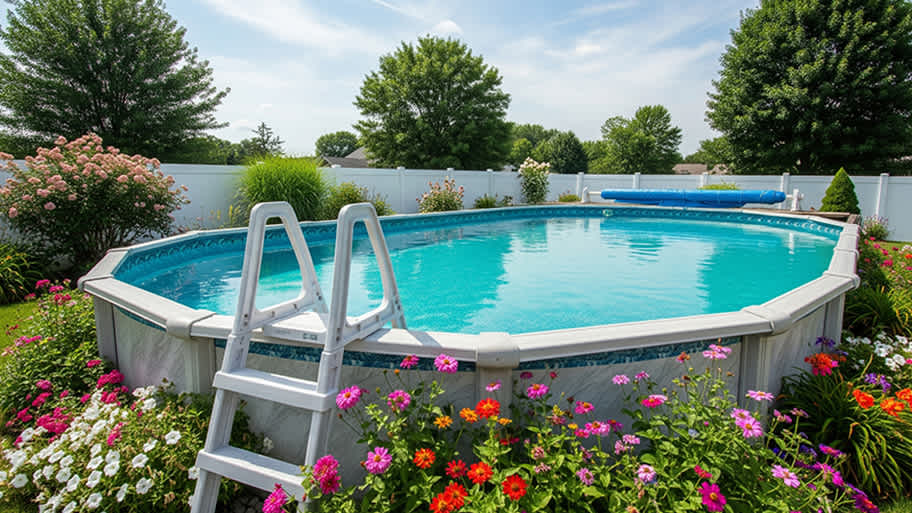
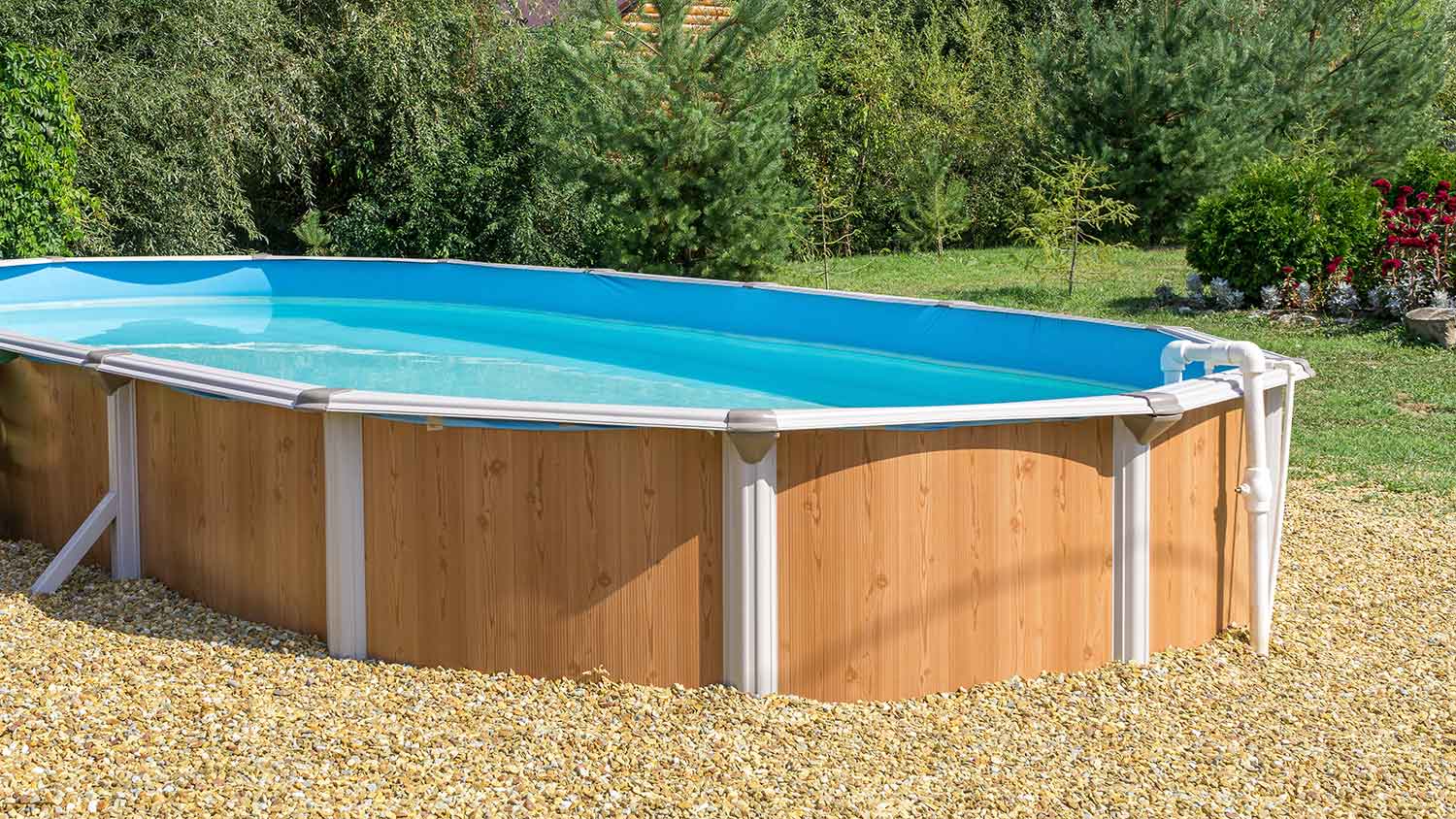
Ready for a backyard oasis? Learn everything about above ground pool installation, including average costs, site prep, and how to hire local pool installers.
Above ground pools are more affordable than inground pools, so can you put an above ground pool in the ground to save money? Learn when it’s safe to do so.