"The tech was very knowledgeable and went above and beyond to satisfy us. Our faucet was broken would not attach to the sink as the copper seal broke to the water lines."
"One oven doesn't work at all ( my choice, see above), the "working" oven was never calibrated properly so using it is hit or miss. It's time to call American Home Shield to see about replacing the entire unit. I'm waiting to finish other home projects before calling them. I don't know if I'll request Greenway again."
Install Above Ground Pools questions, answered by experts
It depends on your priorities. Many homeowners enjoy the health benefits of a swim spa. The heated water boasts the benefits of a hot tub, which some people find helps relieve pain, increase circulation, and aid in stress relief. You’ll also be able to use it for exercise like you would a lap pool. It’s a two-in-one product.
How often you should add water to your pool depends on how quickly the water evaporates. Keep an eye on your skimmer box, if you have one. Top up the water in your pool if you notice the water levels are lower than the bottom third of your skimmer. This helps prevent damage to your pump.
Replace all the water in your pool every five to seven years, depending on how often you use your pool, the weather, and whether or not you close your pool for the winter.
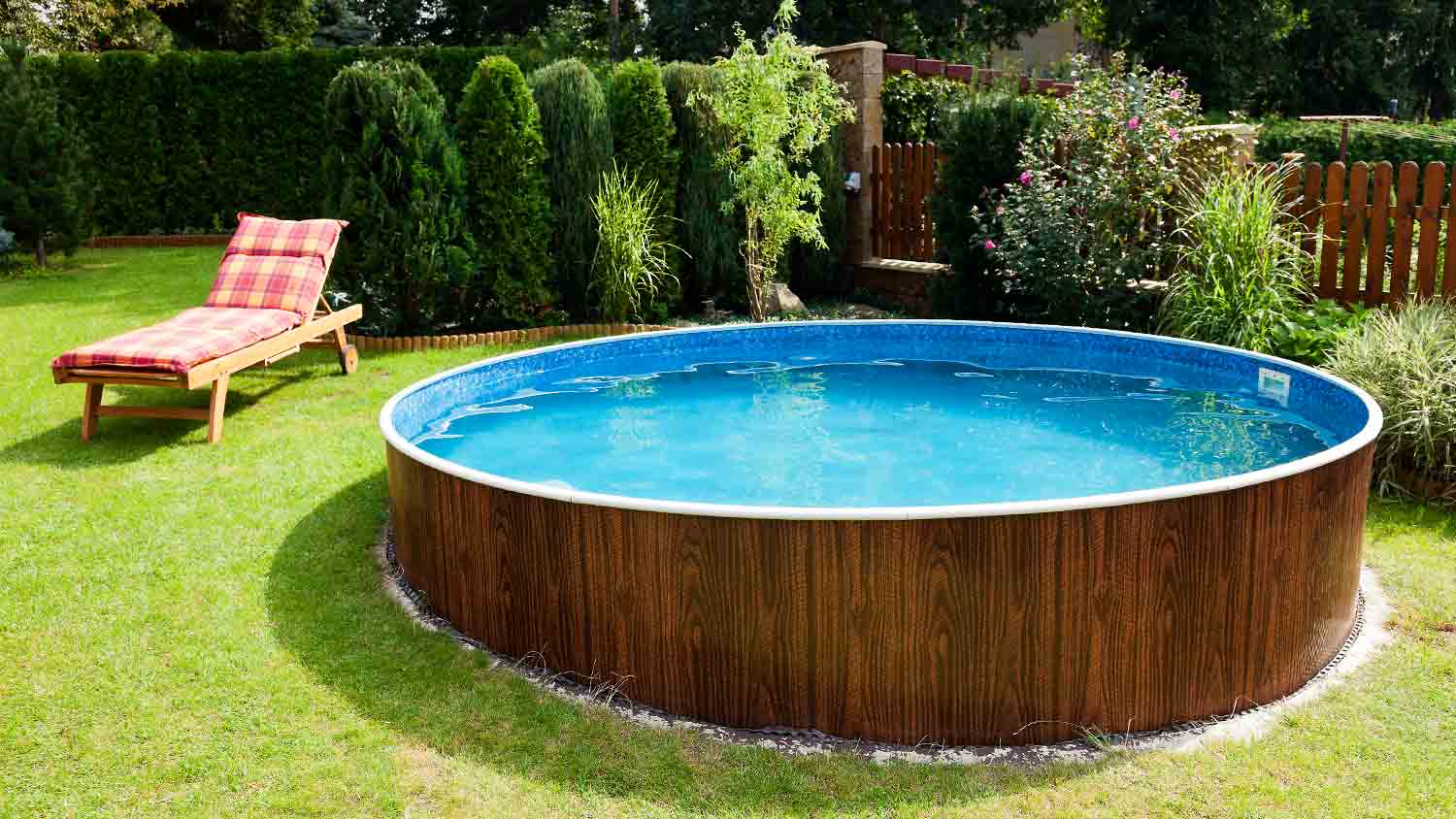
The process involves selecting a site, preparing the ground, setting up a supportive frame, and securely installing the liner and water filtration system.
While some water loss from splashing and evaporation is normal, a rapid or excessive drop in the water level may indicate a leak. Other signs of a pool leak include unexplained soft or wet spots in the yard, cracks in the pool structure or falling tiles, higher-than-normal water bills, persistent algae growth or water discoloration, and standing water around the pump, pipes, or other pool equipment.
Swim spas are like hybrid hot tubs and pools. They have the heating and jets of a hot tub, but they’re slightly longer because they’re made for swimming and exercise. A jet provides a continuous current that acts like a water treadmill. You can swim the length of a full-size pool without going anywhere.
The Poplar, MT homeowners’ guide to above ground pool installation services
From average costs to expert advice, get all the answers you need to get your job done.
Above ground pools are more affordable than inground pools, so can you put an above ground pool in the ground to save money? Learn when it’s safe to do so.