"The tech was very knowledgeable and went above and beyond to satisfy us. Our faucet was broken would not attach to the sink as the copper seal broke to the water lines."
"One oven doesn't work at all ( my choice, see above), the "working" oven was never calibrated properly so using it is hit or miss. It's time to call American Home Shield to see about replacing the entire unit. I'm waiting to finish other home projects before calling them. I don't know if I'll request Greenway again."
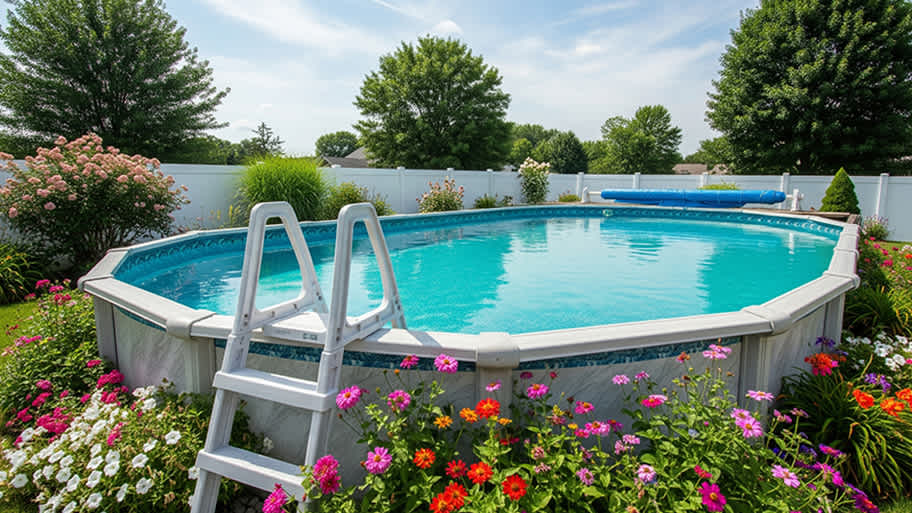
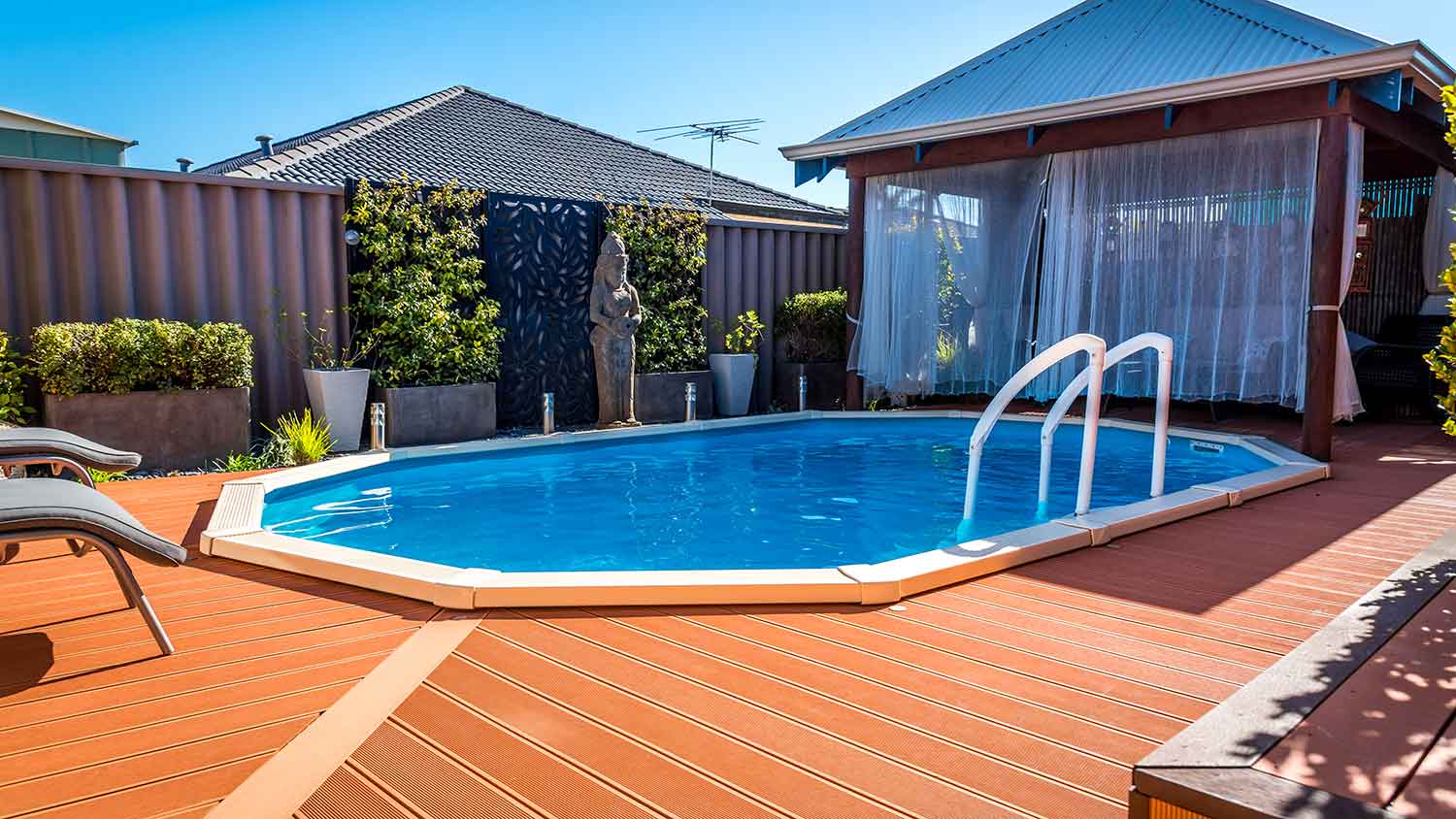
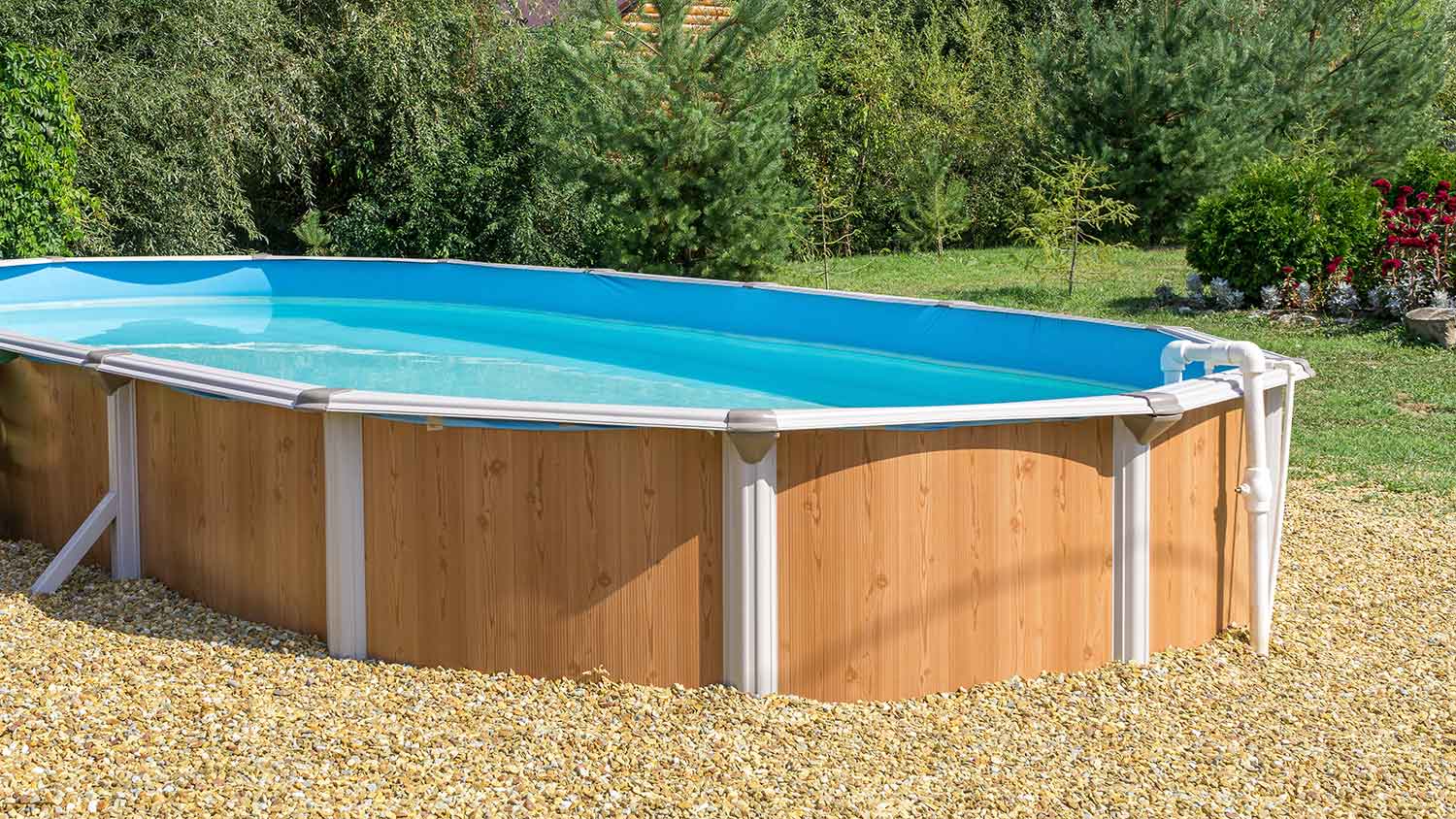
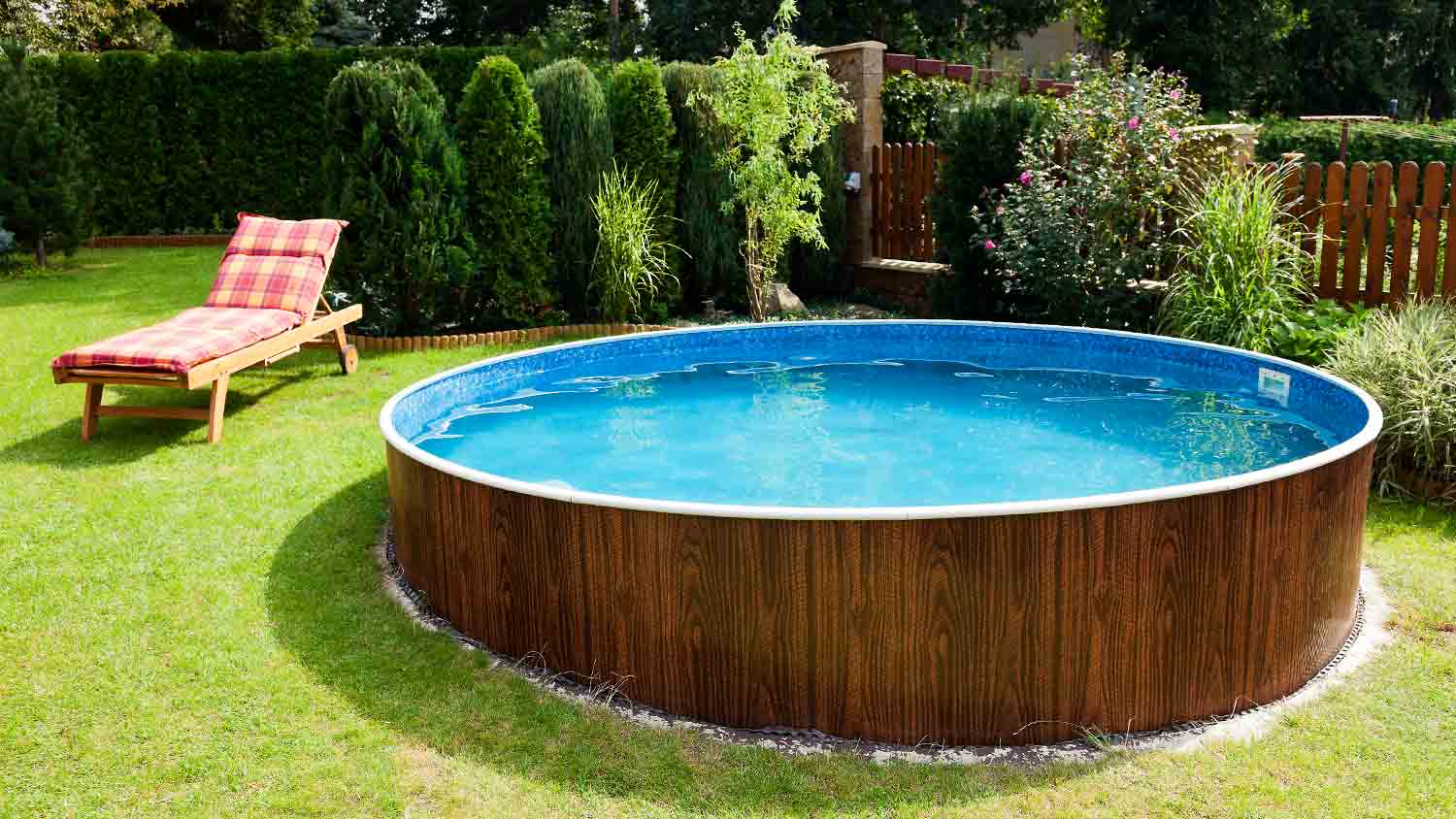
Install Above Ground Pools questions, answered by experts
For maximum effectiveness, you should keep your solar pool cover on whenever your pool isn’t in use. Covering the pool during the day allows the solar cover to use the sun’s rays to heat your pool, prevent evaporation and heat loss, and protect your pool from debris.
A pool builder can advise you on the best design for your property and vision, and can walk you through the process from design to a swim-ready pool. Knowing which questions to ask a pool builder can help ensure you choose the right person for the job.
Depending on where you live and the demand for pools and spools, a spool may increase your property value and make your home more appealing to potential buyers. It’s worth looking at installation, maintenance, insurance, and safety costs to see if the increase in value is worth the cost of installing a spool.
Baking soda can help to clear your cloudy pool water if the alkalinity or pH is too low. Adding baking soda to your pool will increase the alkalinity and help bring your pH levels to a more comfortable range. Be sure to test the water as you add baking soda.
Hire a licensed pool contractor in your area with ample experience in your particular pool design. Pool contractors will walk you through both the design and installation process. They will also recommend or hire a team of subcontractors to manage clearing the land, excavating for the pool, and adding all the design and electrical touches that make your pool run smoothly.
The Terry, MT homeowners’ guide to above ground pool installation services
From average costs to expert advice, get all the answers you need to get your job done.
Above ground pools are more affordable than inground pools, so can you put an above ground pool in the ground to save money? Learn when it’s safe to do so.