"Timothy did a fantastic job replacing our toilet in our bathroom. He explained everything as he worked, helped us to get the best pricing possible on the job and was very friendly with my four year olds of daughter who was thrilled to receive an ECO sticker! Timothy went above and beyond to help us today and we will definitely be using ECO Plumbers again!"
We offer only the best in quality workmanship and professional courtesy. We specialize in all phases of sprinklers. We are committed quality work and outstanding results & are strongly involved in local community activities. We look forward to working with you!
Depending on the lawn treatments, the best times of the year to redo your lawn are between mid-August and mid-September for overseeding and renovation treatments. For areas such as the southern United States, lawn aeration works best during the fall, when the temperatures begin to drop. Otherwise, early spring is your next best bet because the grass is fresh and ready to absorb nutrients, and the temperature isn’t hot enough to fry the grass and the renovation materials.
There are plenty of products to help green up your grass. Try an iron supplement spray or fertilizer that is rich in nitrogen. You can also apply a thin layer of compost on top of your lawn at the beginning of spring to give the grass a nutrition boost, which helps it achieve that bright color you are looking for.
While it’s possible to grow grass seeds by throwing them down, this isn’t the best way to plant them. By amending and prepping the soil beforehand, you’re providing optimal contact between seed and soil for a better chance at germination. If you throw them down without preparing the soil beforehand, seeds are more likely to blow away, get eaten by hungry birds, or never grow.
Planting grass from seed requires time to grow before it can handle even light foot traffic. Most varieties require a minimum of three months before you can walk on them regularly. You can expect to wait at least one year before your lawn can hold up to heavy use. Because sod is already established, it can be walked on more quickly than grass planted from seed.
One of the best ways to soften your grass and prepare it for planting grass seed is aeration. Aerating your lawn will loosen up compacted soil and facilitate a more even balance of nutrients from root to topsoil. We recommend using core aeration methods for the most effective soil-loosening results.
The Frazer, MT homeowners’ guide to lawn irrigation services
From average costs to expert advice, get all the answers you need to get your job done.
Find out the average sprinkler system repair cost, what impacts pricing, and how to save. Get transparent estimates to plan your sprinkler repair project.
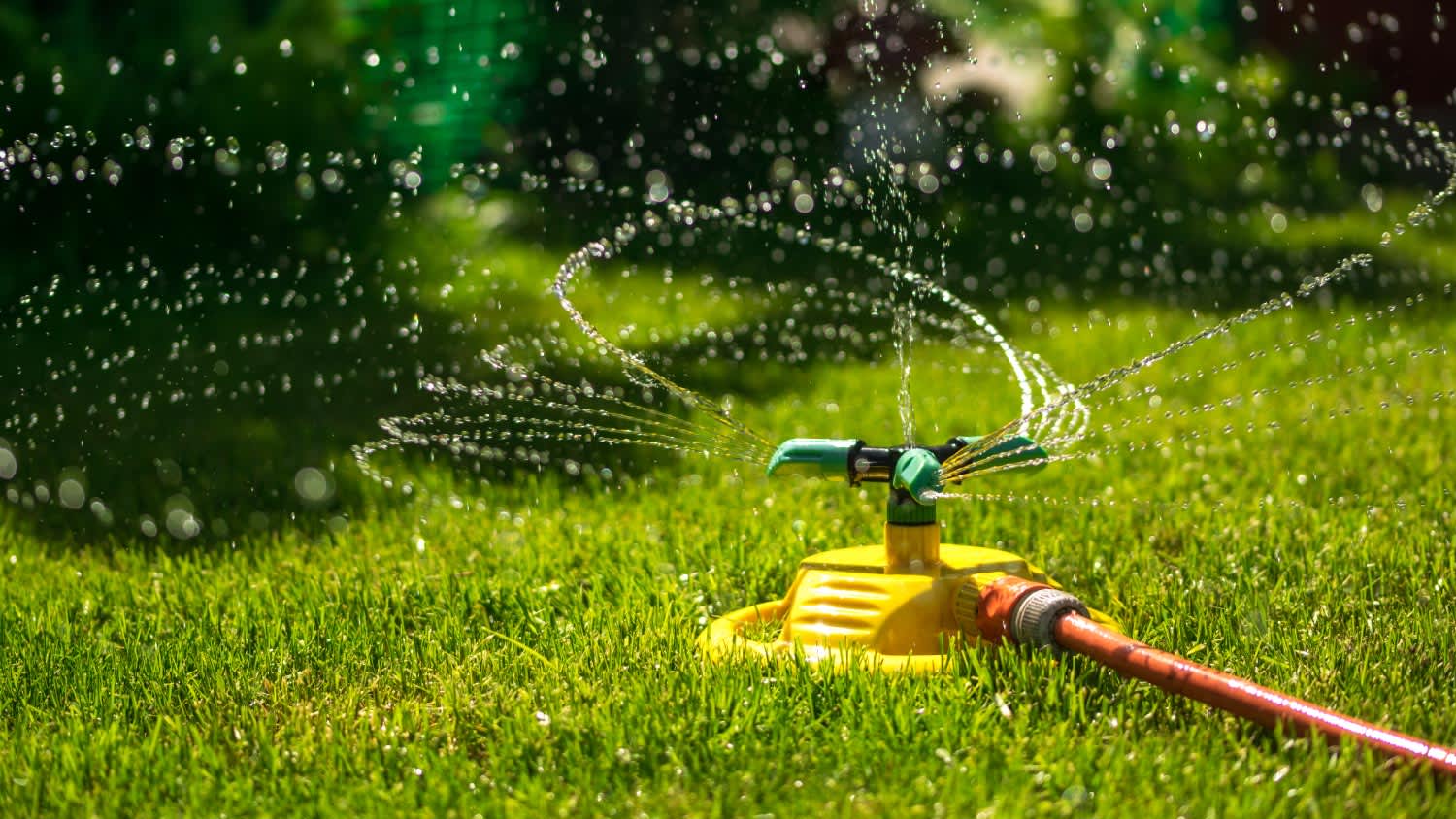
A lawn sprinkler can make light work of watering your yard. Find out how much a sprinkler system installation costs based on lawn size, system type, and other factors.
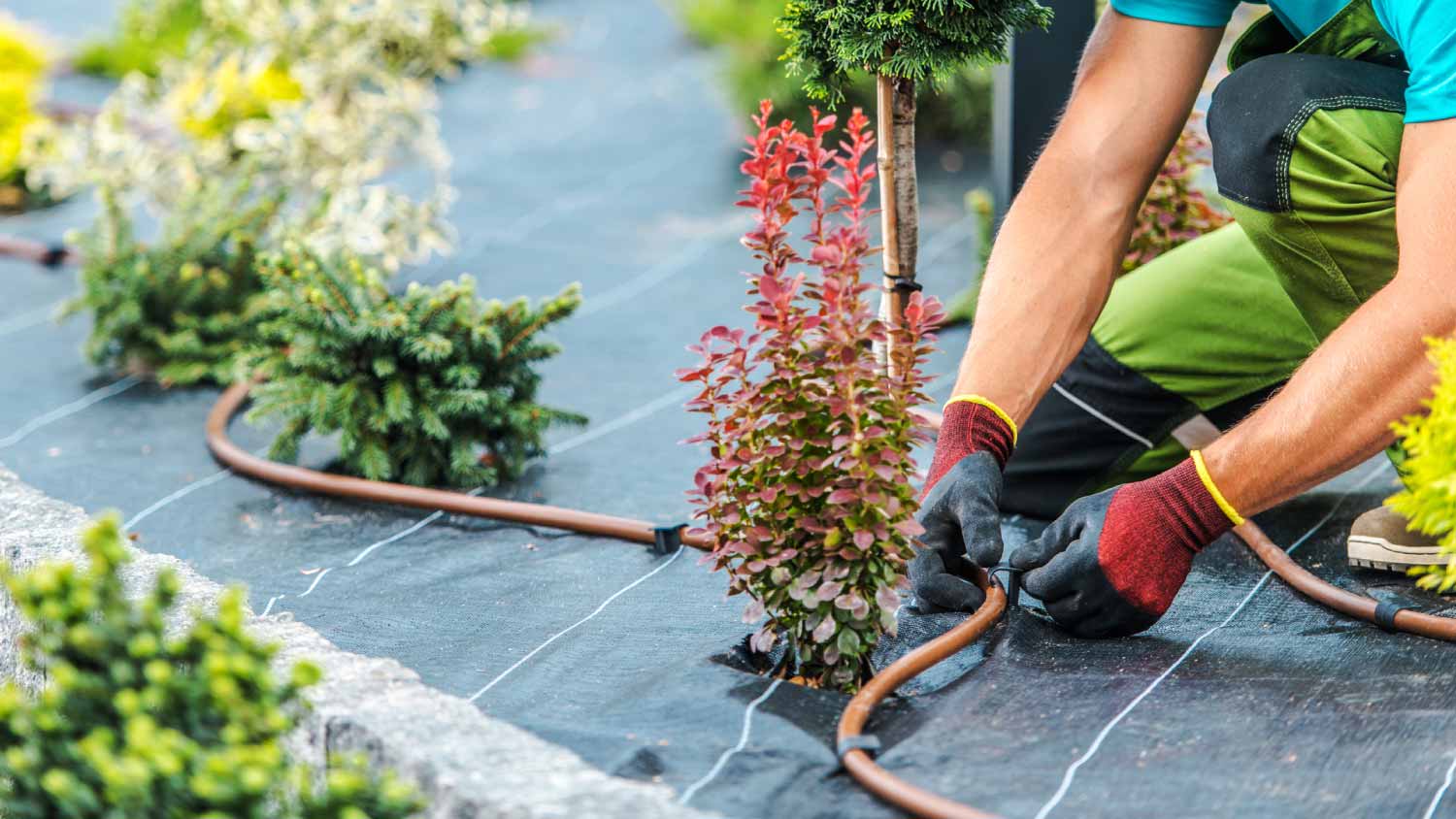
Need an effective solution for watering your garden? Here are four types of drip irrigation systems that can help you nurture your plants to perfection.