"Well. Only problem was delay in response time after claim was filed online. Water tank started leaking Thanksgiving morning and no reply until I called the Regional Manager."
"Takes for ever to get a return a call. Also took a week to get someone out for repairs. They said they would reimburse me for septic repairs and it took over 3 months for that to happen."
Schedule annual inspections, test water pressure, and protect the pump from freezing temperatures.
Age is certainly a factor in well pump failure. The older your pump, the more likely it is to fail.
Beyond age, other factors can cause your well pump to fail, too. Things like poor water quality can cause sediment buildup in your pump. Without proper cleaning, your pump can seize up and fail. Having a dry well for too long can also cause your pump to fail, as it keeps working even though there's no water for it to pull.
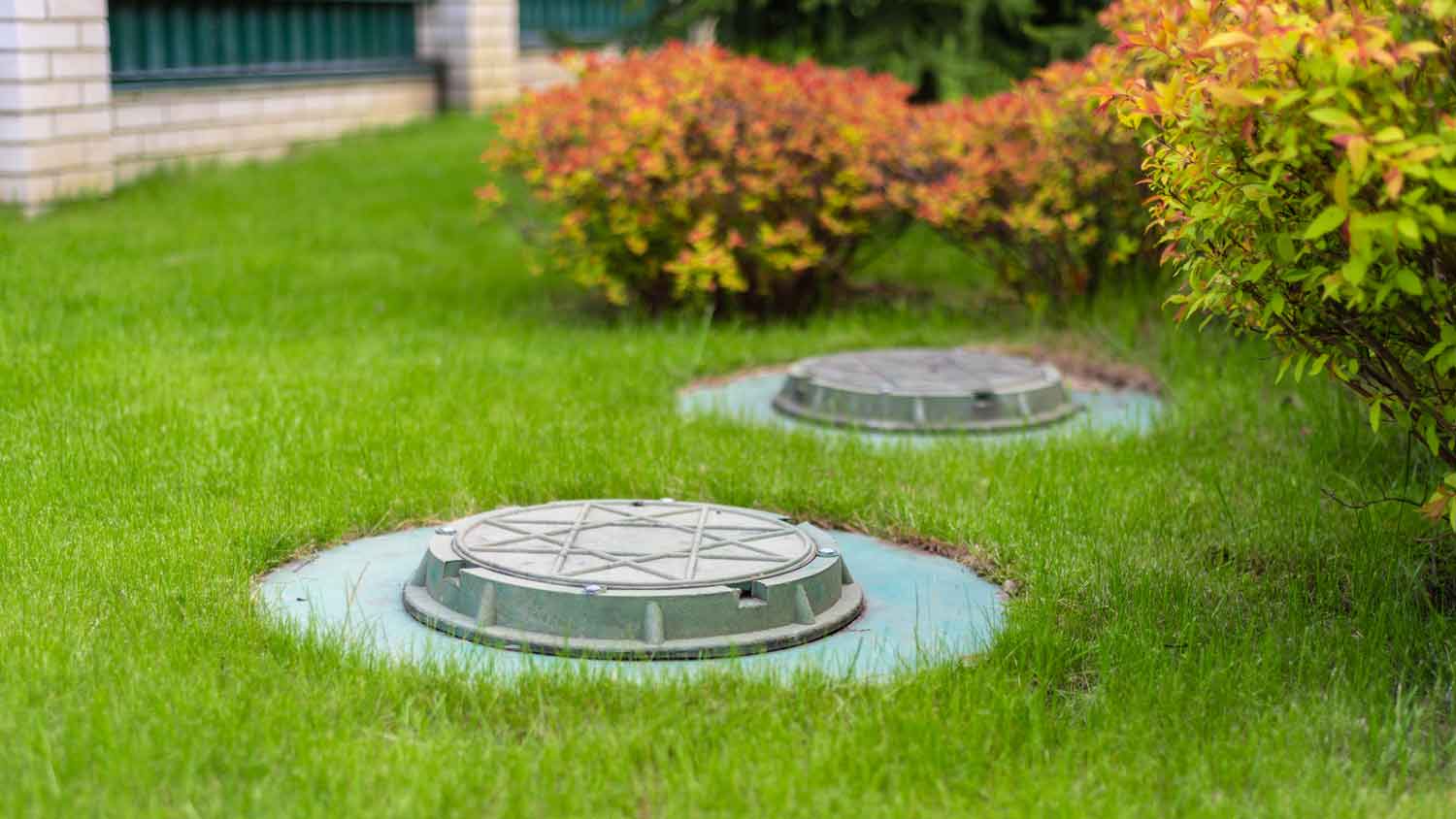
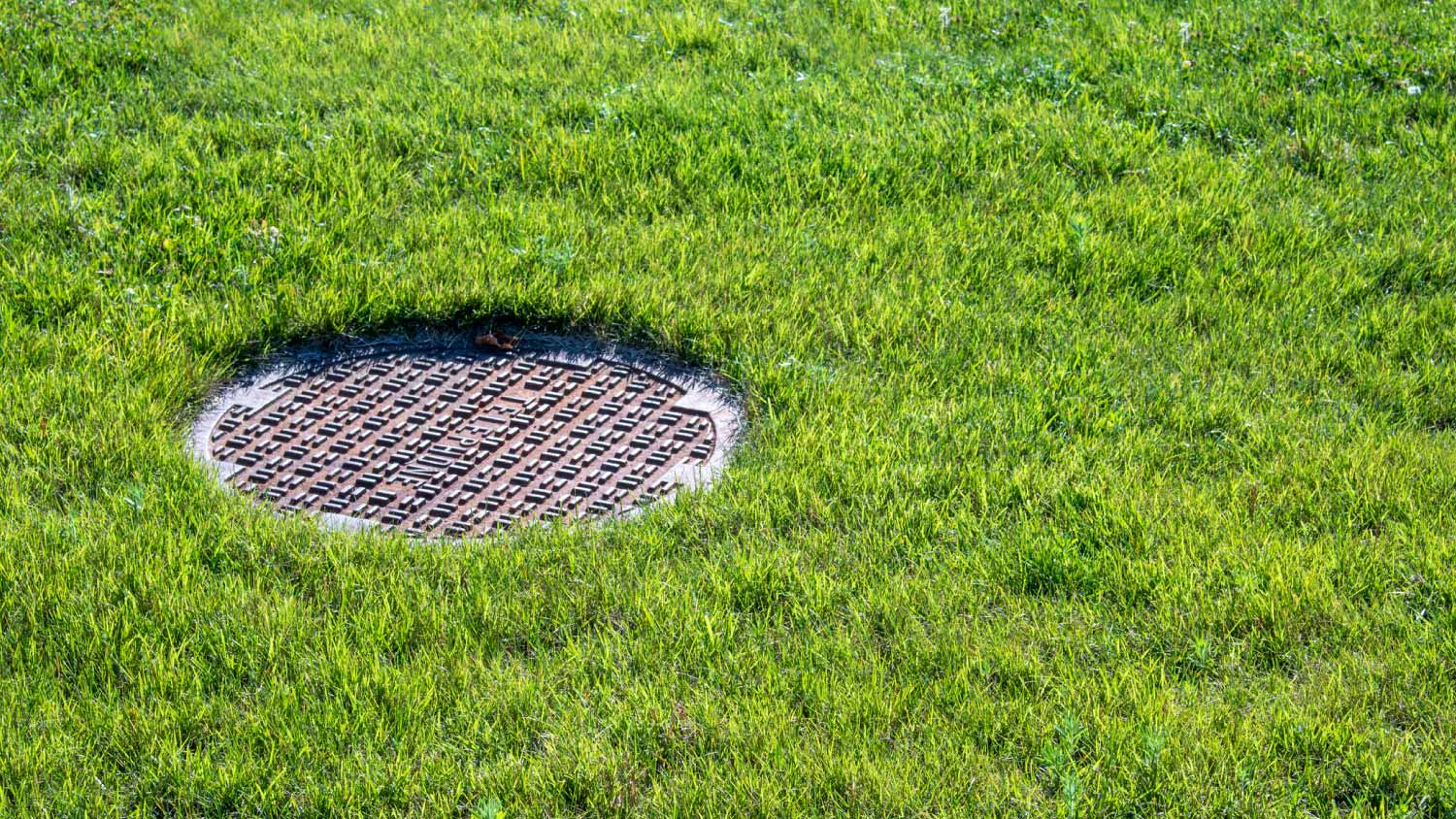
A septic tank with a 1,500-gallon capacity is good for larger homes with up to 6 or 7 bedrooms. The average home can go with a smaller tank, about 1,000 gallons, which supports a home size of up to 2,500 square feet, or a home with about three bedrooms.
You can add three rotten tomatoes or 1/4 ounce of yeast to your septic tank to speed up the decomposition of sludge. You can add the tomatoes by way of your garbage disposal and the yeast by way of your toilet. You can do either of these additives once every three months as needed.
Yes, it is possible to drill a well by hand, but it calls for a good deal of physical labor. Drilling a well by hand is best suited for softer soil, and it may not be possible through rockier terrain. For wider and deeper holes, companies with professional equipment make the job much easier.
The Frazer, MT homeowners’ guide to septic tank services
From average costs to expert advice, get all the answers you need to get your job done.
It’s crucial to install a septic tank with the right volume to avoid wastewater backups. This guide will help you calculate the right septic tank volume.
Septic tank sizes vary depending on the size of your home, how many people live there, how much water you use, and more. Read on to learn how to determine the right size for you.