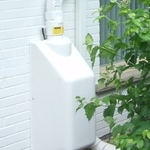
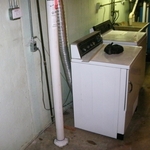
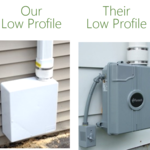
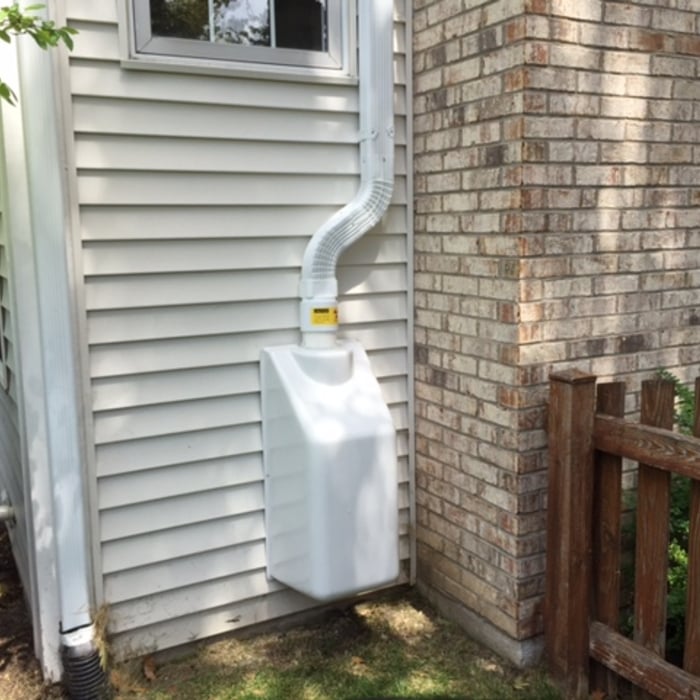
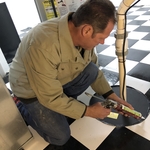
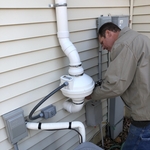
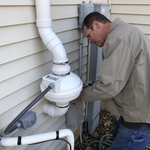
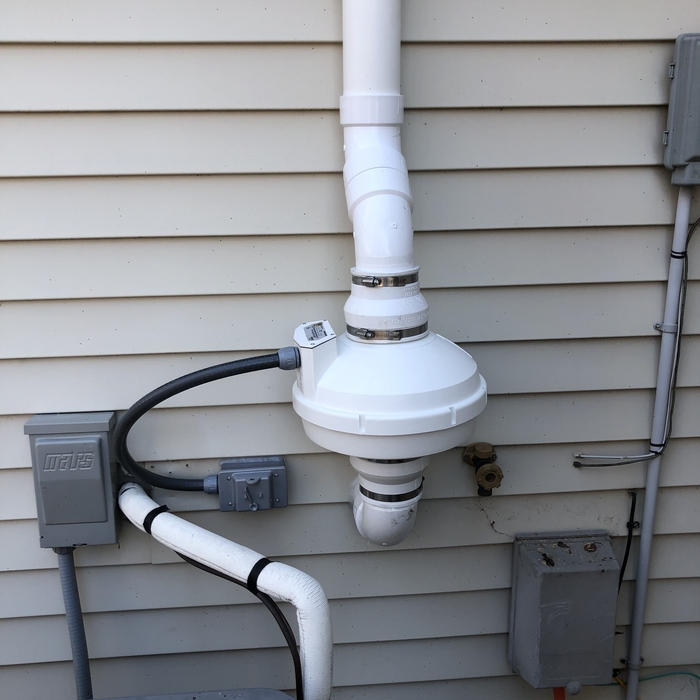
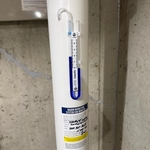
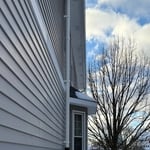
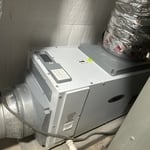
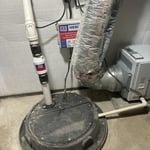
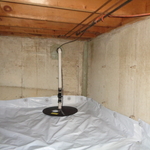
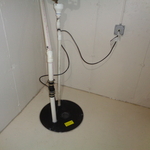
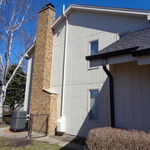
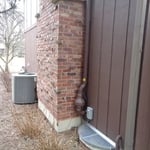
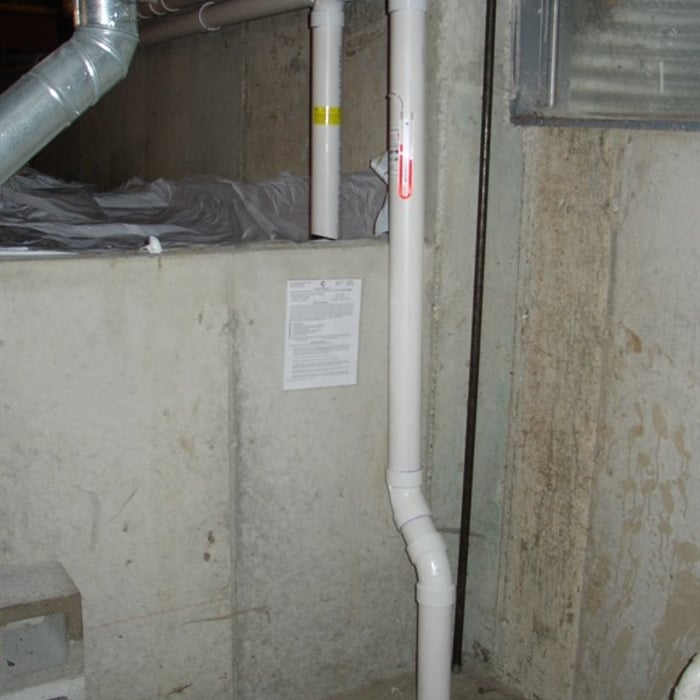
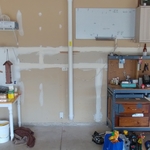
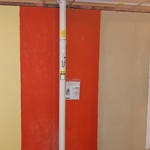
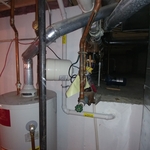
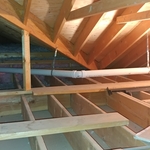
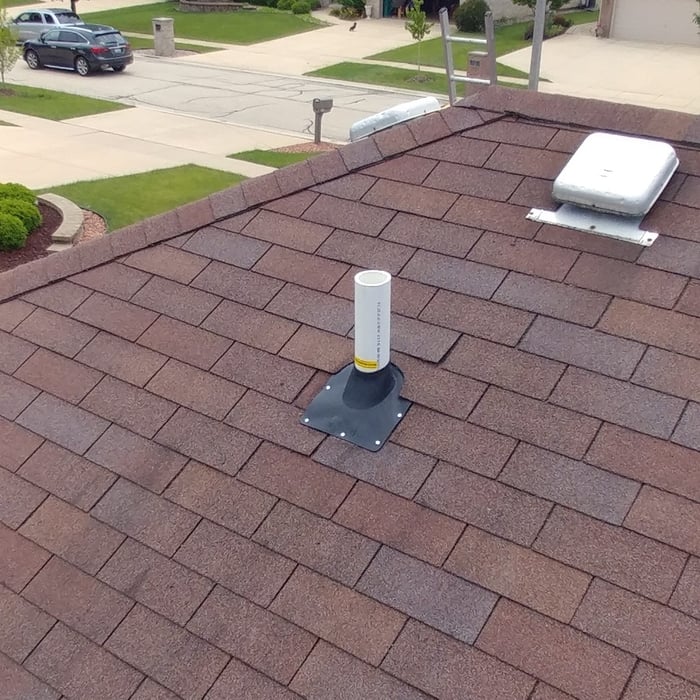
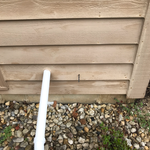
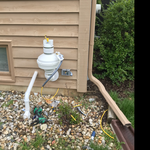
"Bill was very professional, friendly, and patient with our questions from start to end. He explained the installation in detail along with providing pictures of what to expect. Within 24 hours of installation, Airthings Radon monitor reported a significant radon level drop. After one week, the Radon average has gone from 8.6 to 0.6 pCi/L. Thank you, Bill and Jose."
"They contacted us immediately and were here the next day to test our home for radon. They were very thorough and inspired confidence. They also gave us a report of what they found. Also resonable prices!"
"Completely satisfied. Would certainly recommend them for Radon mitigation work. They worked efficiently, were neat and clean and the price was quite reasonable."
"Chuck was thorough, personable, and very helpful. He went above and beyond to give us helpful pointers and information that was beyond the scope of what was required for the inspection. I highly recommend his services! "
"Schan did a great job, very professional. He came out to see what the job was before he gave me a quote. I have a huge crawl space which took some time but he stuck with it to finish it in one day. Now I can breathe easier knowing it's taking care of right. I highly recommend Clean Air Radon Systems."
"Sidad was professional and he performed the radon test with state of art equipment. The radon test price was reasonable and I am happy to deal with him. I would refer to him for future test."
Radon Detection and Reduction questions, answered by experts
Long-term exposure increases lung cancer risks. Prolonged homestay individuals and smokers encounter heightened vulnerability and exposure concerns.
Radon is present almost everywhere but, like sunlight, the concentration levels and how often you are exposed to it have a large part to play in just how dangerous it is. There are levels of radon that are acceptable inside a house, but above a certain limit, radon becomes a serious radioactive hazard that is a known cause of lung cancer. In fact, radon exposure is the number two leading cause of lung cancer (after smoking).
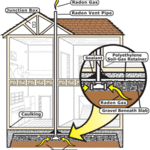
Ideally, no one will live in a house with elevated radon levels, as prolonged exposure increases the risk of serious health issues like lung cancer. However, homes with radon can be made safe through mitigation systems, such as active soil depressurization. Testing for radon regularly and addressing high levels helps ensure a safe living environment.
Mitigation can take several days depending on home setup, equipment accessibility, and achieving effective diffusion system sealed efficiency.
Use a radon test kit or hire professionals to conduct a detailed assessment of radon levels in your home.
The Mokena, IL homeowners’ guide to radon detection and reduction services
From average costs to expert advice, get all the answers you need to get your job done.
The cost of a radon mitigation system in Chicago, IL, depends mostly on the type of system being installed. Use this guide to learn about your options.
Radon is a gas that you can't see or smell and is harmful to your health. If your home has radon, you need to know who installs radon mitigation systems.