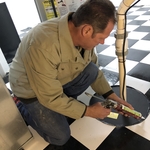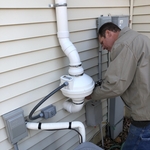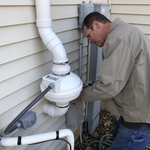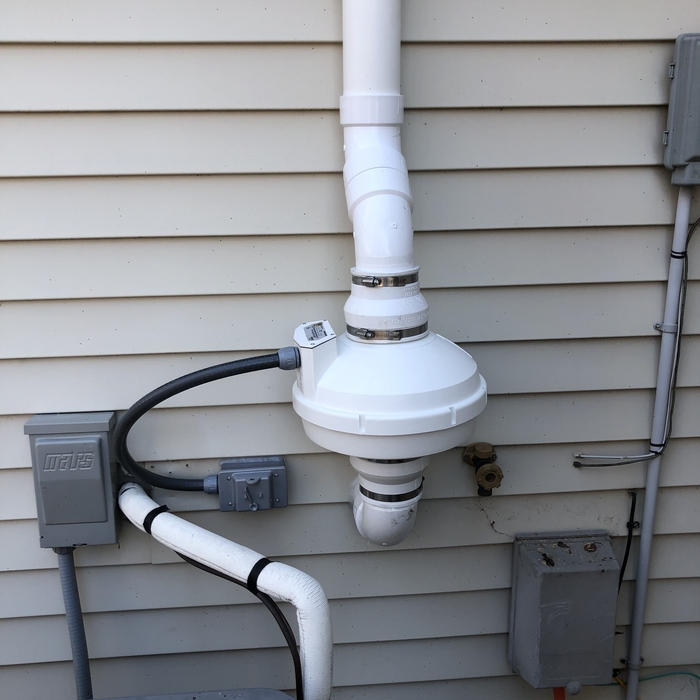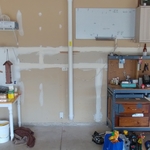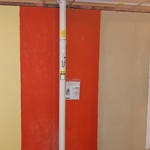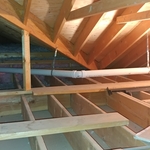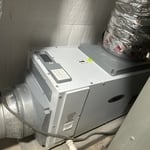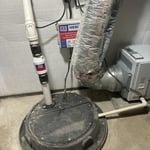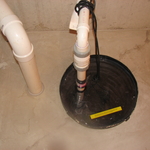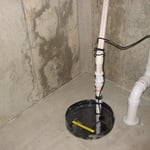


"Dave was on time, courteous and quietly and efficiently did high quality work. We still need to do the radon test but definitely happy with the quality of work. Will update the review once we have been able to complete the independent radon testing. Thanks!"
"Jose Rodriguez was prompt, professional, and fast with results. He was there when he said he would, went there the next day after I called, and provided the results on time. As a real estate professional I know I'll need the services again and I know that he is the person I will be calling. Thank you!"
"He was very good! He discussed with the seller all of what he found in his inspection and was very professional. I will highly recommend him. He's a great guy!"
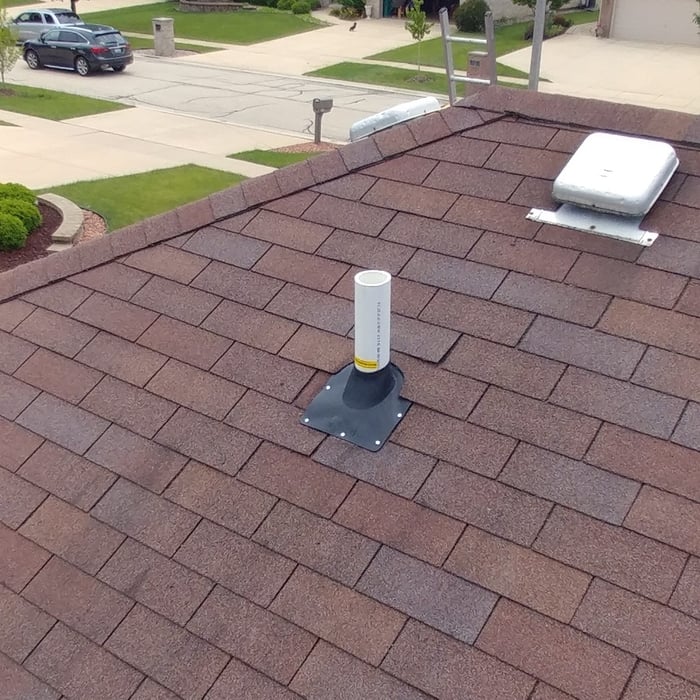
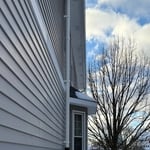
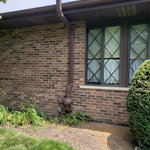
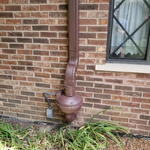
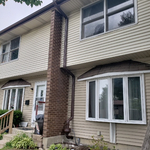
"As a Realtor, Schan has done many of my clients' radon system install and they all were extremely please with his knowledge, install and his going above and beyond to make the system appealing from the exterior of the home. Many companies will not make the effort to ensure that the system does not look unsightly. Schan does and he is an expert at what he does. I would only recommend Schan to my clients!"
"Very easy to get an appointment on short notice when I had limited time to get a radon test done in the process of purchasing a home. Their price was also slightly lower than an estimate I'd received from another company, and the technician was more thorough about explaining the process than the other company I considered."
"Explained features and process. Most people have no idea what they are in for with radon testing, he does a great job explaining why he is better. I agree he is better. Installation process is easy."
Radon Detection and Reduction questions, answered by experts
The natural breakdown of uranium in soil, rock, and water can cause radon to appear in a home. The gas seeps into homes through cracks in foundations, walls, or floors, as well as through gaps around pipes or construction joints. Radon levels are influenced by soil composition, building materials, and ventilation. Poorly sealed or airtight homes can trap radon, allowing it to accumulate.
No level of radon is technically safe, but since it is present everywhere, complete avoidance is impossible. The average radon level in homes across the United States is 1.3 picocuries per liter (pCi/L). The Environmental Protection Agency (EPA) recommends taking preventative measures if your home's radon levels are between 2 and 4 pCi/L or higher.
If high radon levels are detected, steps include sealing entry points, installing a mitigation system, and retesting the air regularly to ensure reduced levels.
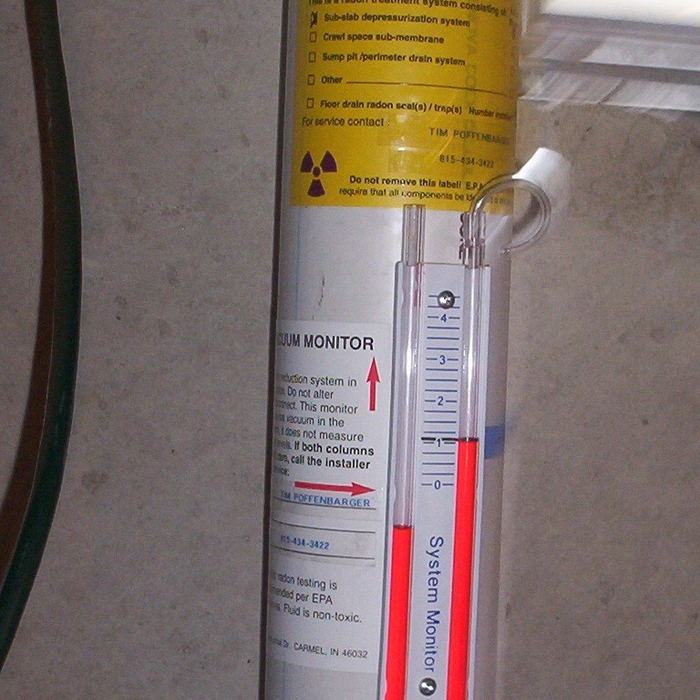
Your radon mitigation system may be loud because it’s time to replace it. Any sounds are usually from the inline fan that helps create the vacuum and resulting airflow. If you hear a new, loud mechanical or humming noise from your radon fan, it might be time to replace it. Most fans used in radon mitigation systems last up to 10 years, but may need to be replaced sooner.
Options include sub-slab depressurization, crawlspace ventilation, and sealing cracks. Choose based on home construction and radon levels.
The Richton Park, IL homeowners’ guide to radon detection and reduction services
From average costs to expert advice, get all the answers you need to get your job done.
The cost of a radon mitigation system in Chicago, IL, depends mostly on the type of system being installed. Use this guide to learn about your options.
Get clear answers on how much radon remediation costs, including average prices, key cost factors, and tips to save money on your home’s radon mitigation.
Radon is a gas that you can't see or smell and is harmful to your health. If your home has radon, you need to know who installs radon mitigation systems.