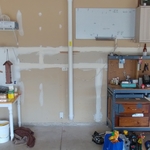
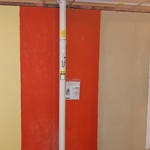
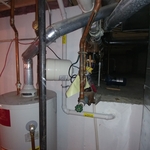
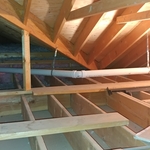
"Professional Radon System did an excellent job. They put the customer at ease. Work was done neatly installer explained everything thoroughly. I will use Professional Radon system again, and I will wii refer to family, friends and neighbors."
"Completely satisfied. Would certainly recommend them for Radon mitigation work. They worked efficiently, were neat and clean and the price was quite reasonable."
"Chuck was thorough, personable, and very helpful. He went above and beyond to give us helpful pointers and information that was beyond the scope of what was required for the inspection. I highly recommend his services! "
"The owner called and asked the right questions which gave me the confidence that he would be the right person for the job. He was able to come over on the same day we spoke. He was prompt with communication and solidified that he was the right person to do the job. When it was time to do the job: Arrived on time, did clean work - and finished in a timely fashion. After a 6 hours of testing, my device showed the levels went down tremendously."
"Very easy to get an appointment on short notice when I had limited time to get a radon test done in the process of purchasing a home. Their price was also slightly lower than an estimate I'd received from another company, and the technician was more thorough about explaining the process than the other company I considered."
Radon Detection and Reduction questions, answered by experts
If high radon levels are detected, steps include sealing entry points, installing a mitigation system, and retesting the air regularly to ensure reduced levels.
Testing every 2-5 years or upon adjusting occupancy or structural changes maintains safe environments.
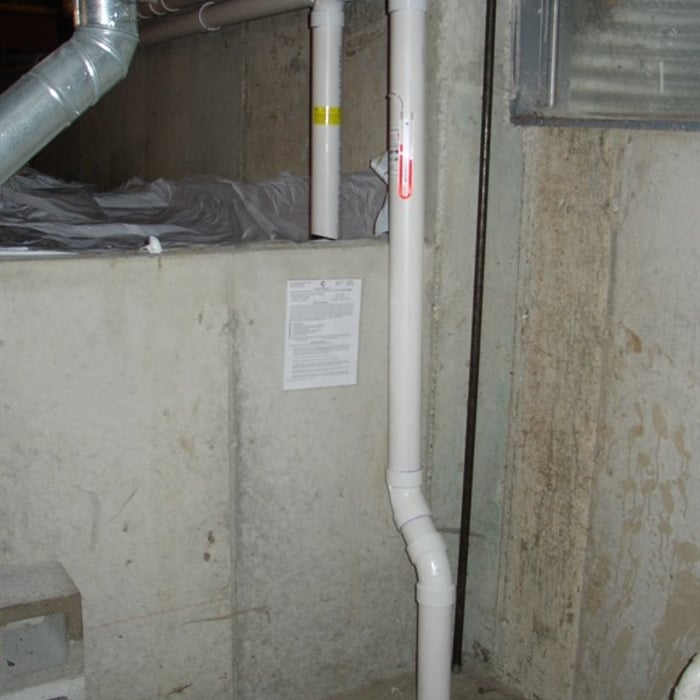
You can vent radon out of your house sometimes by simply opening a window, but it won’t remove the source, and will likely rise above recommended levels quickly. A professional will be needed to assess your home, and determine the best strategy for radon removal. Active radon sump pumps and soil depressurization systems are often used to forcefully vent the radon from your home.
Ideally, no one will live in a house with elevated radon levels, as prolonged exposure increases the risk of serious health issues like lung cancer. However, homes with radon can be made safe through mitigation systems, such as active soil depressurization. Testing for radon regularly and addressing high levels helps ensure a safe living environment.
Long-term exposure increases lung cancer risks. Prolonged homestay individuals and smokers encounter heightened vulnerability and exposure concerns.
The Oak Forest, IL homeowners’ guide to radon detection and reduction services
From average costs to expert advice, get all the answers you need to get your job done.
The cost of a radon mitigation system in Chicago, IL, depends mostly on the type of system being installed. Use this guide to learn about your options.
Radon is a gas that you can't see or smell and is harmful to your health. If your home has radon, you need to know who installs radon mitigation systems.