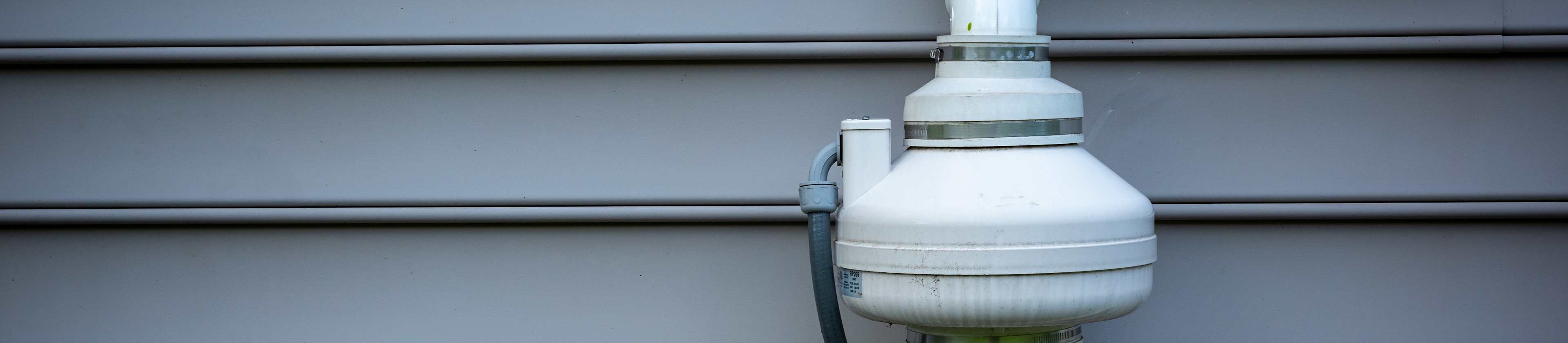
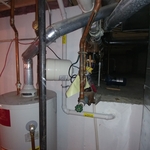
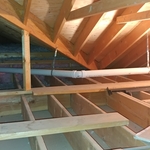
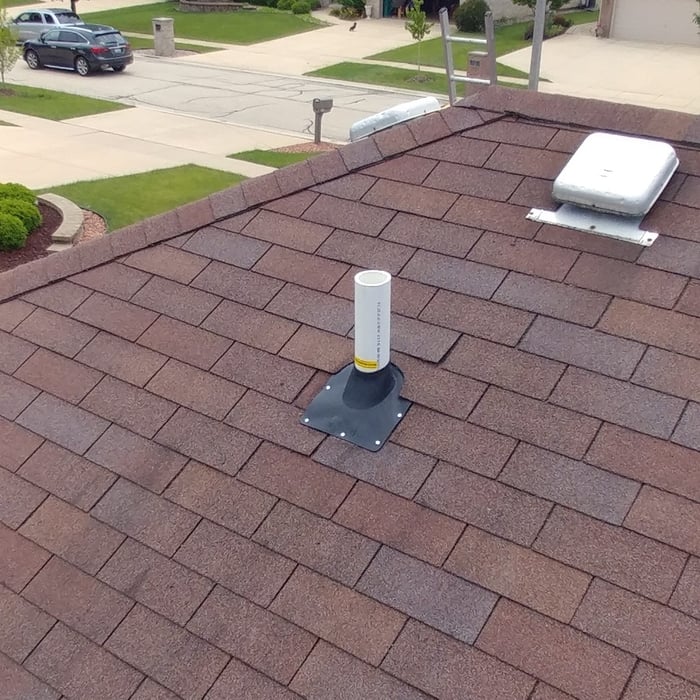
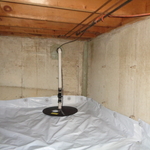
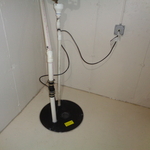
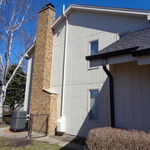
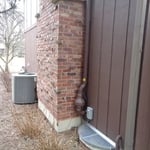
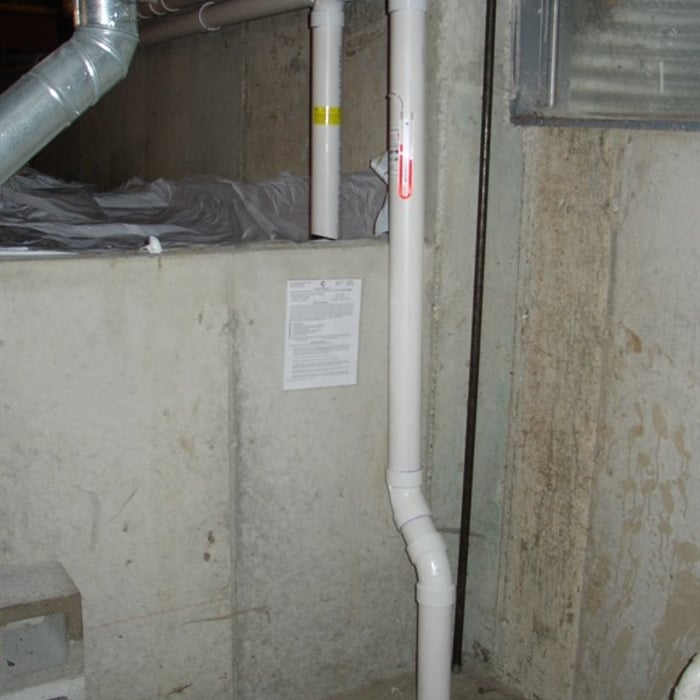
"Bill was very professional, friendly, and patient with our questions from start to end. He explained the installation in detail along with providing pictures of what to expect. Within 24 hours of installation, Airthings Radon monitor reported a significant radon level drop. After one week, the Radon average has gone from 8.6 to 0.6 pCi/L. Thank you, Bill and Jose."
"Schan did a great job, very professional. He came out to see what the job was before he gave me a quote. I have a huge crawl space which took some time but he stuck with it to finish it in one day. Now I can breathe easier knowing it's taking care of right. I highly recommend Clean Air Radon Systems."
"Professional Radon System did an excellent job. They put the customer at ease. Work was done neatly installer explained everything thoroughly. I will use Professional Radon system again, and I will wii refer to family, friends and neighbors."
"Completely satisfied. Would certainly recommend them for Radon mitigation work. They worked efficiently, were neat and clean and the price was quite reasonable."
"Chuck was thorough, personable, and very helpful. He went above and beyond to give us helpful pointers and information that was beyond the scope of what was required for the inspection. I highly recommend his services! "
"Very easy to get an appointment on short notice when I had limited time to get a radon test done in the process of purchasing a home. Their price was also slightly lower than an estimate I'd received from another company, and the technician was more thorough about explaining the process than the other company I considered."
"I think this guy did a good job. My In-laws thought he was a little fussy, but I'd rather have every little thing noted. I'd rather be able to decide what's important. The report was pretty concise, and the summary was pretty good as well. I recommend him."
Radon Detection and Reduction questions, answered by experts
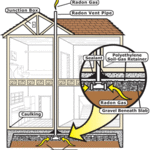
Radon enters your home when warm air begins to rise and exits through the roof, creating a vacuum that pulls cooler air from under the foundation. Part of that air is radon, which is an invisible, odorless gas that develops naturally when radioactive particles are deep within the ground. Those particles usually come from decaying matter in soil and rocks.
Radon is present almost everywhere but, like sunlight, the concentration levels and how often you are exposed to it have a large part to play in just how dangerous it is. There are levels of radon that are acceptable inside a house, but above a certain limit, radon becomes a serious radioactive hazard that is a known cause of lung cancer. In fact, radon exposure is the number two leading cause of lung cancer (after smoking).
Abatement includes sealing entry points and venting with systems that reduce radon levels below recommended EPA limits. It is handled by certified professionals.
Ideally, no one will live in a house with elevated radon levels, as prolonged exposure increases the risk of serious health issues like lung cancer. However, homes with radon can be made safe through mitigation systems, such as active soil depressurization. Testing for radon regularly and addressing high levels helps ensure a safe living environment.
Keeping radon from getting into your home is much better than having to get rid of it once it's already indoors. While there may not be a way to fully prevent radon from getting into your home, there are things you can do to reduce the gas's ability to enter.
Sealing foundation cracks and openings can help keep the gas from seeping inside. Improving air flow, such as by opening windows, can also be helpful. If you're building your home from scratch, talk to your contractor about using radon-resistant construction to keep the gas out.
The Palos Heights, IL homeowners’ guide to radon detection and reduction services
From average costs to expert advice, get all the answers you need to get your job done.
The cost of a radon mitigation system in Chicago, IL, depends mostly on the type of system being installed. Use this guide to learn about your options.
Find out the average indoor air quality testing cost in Chicago, IL. Learn what you can expect to pay for local air assessments and keep your home safe.
Radon is a gas that you can't see or smell and is harmful to your health. If your home has radon, you need to know who installs radon mitigation systems.
Knowing how to test for radon will keep your home free and safe from this odorless gas—you just have to decide whether to do it yourself or hire a pro.