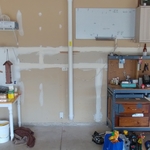
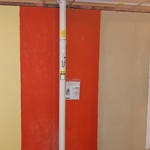
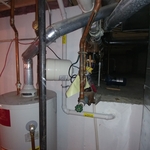
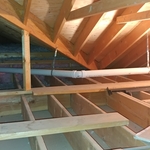
"The owner called and asked the right questions which gave me the confidence that he would be the right person for the job. He was able to come over on the same day we spoke. He was prompt with communication and solidified that he was the right person to do the job. When it was time to do the job: Arrived on time, did clean work - and finished in a timely fashion. After a 6 hours of testing, my device showed the levels went down tremendously."
"Called company on Monday and got an appointment for an inspection on Wednesday. That following Monday, the technician arrived and went through each step is sealing off the concrete foundation to the water leak. The fix worked well and was put to the test with the recent record rains. Not one drop of water came into the basement."
"Jose Rodriguez was prompt, professional, and fast with results. He was there when he said he would, went there the next day after I called, and provided the results on time. As a real estate professional I know I'll need the services again and I know that he is the person I will be calling. Thank you!"
"Chuck was thorough, personable, and very helpful. He went above and beyond to give us helpful pointers and information that was beyond the scope of what was required for the inspection. I highly recommend his services! "
"Very easy to get an appointment on short notice when I had limited time to get a radon test done in the process of purchasing a home. Their price was also slightly lower than an estimate I'd received from another company, and the technician was more thorough about explaining the process than the other company I considered."
Radon Detection and Reduction questions, answered by experts
The cost for a radon mitigation system typically ranges from $800 to $1,500, with an average around $1,000. The final price depends on several factors, including the size of your home, the severity of the radon issue, and the type of system required. Your home's foundation type also significantly impacts the cost. For example, sealing and ventilating an unfinished basement might cost around $4,600, while encapsulating a crawl space without a foundation slab can range from $1,500 to $15,000.
Installing a mitigation system reduces radon levels, which can cause lung cancer, providing peace of mind and long-term health benefits. It can also increase your home’s value, as many buyers prefer properties with radon safety measures in place. The investment is relatively low compared to the potential health risks associated with prolonged radon exposure.
There are steps you can take as a homeowner to remediate radon yourself. While a radon reduction professional can make the biggest impact in your home, you can make efforts to improve radon levels on your own by sealing cracks, increasing ventilation, and testing for radon regularly.
Keeping radon from getting into your home is much better than having to get rid of it once it's already indoors. While there may not be a way to fully prevent radon from getting into your home, there are things you can do to reduce the gas's ability to enter.
Sealing foundation cracks and openings can help keep the gas from seeping inside. Improving air flow, such as by opening windows, can also be helpful. If you're building your home from scratch, talk to your contractor about using radon-resistant construction to keep the gas out.
Installation typically takes 1-2 days, depending on the system and property layout.
The Olympia Fields, IL homeowners’ guide to radon detection and reduction services
From average costs to expert advice, get all the answers you need to get your job done.
The cost of a radon mitigation system in Chicago, IL, depends mostly on the type of system being installed. Use this guide to learn about your options.
Radon is a gas that you can't see or smell and is harmful to your health. If your home has radon, you need to know who installs radon mitigation systems.