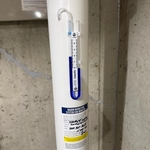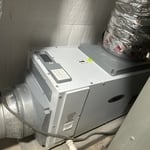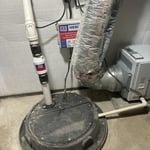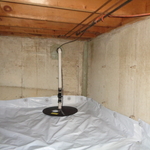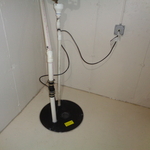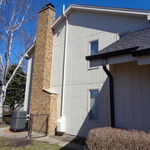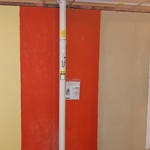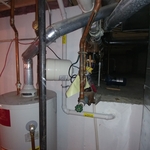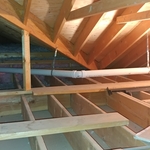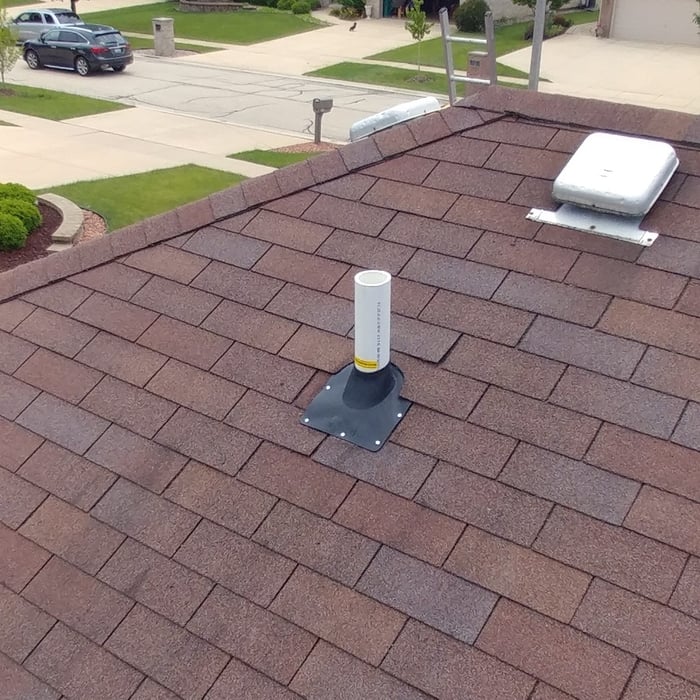


"The owner called and asked the right questions which gave me the confidence that he would be the right person for the job. He was able to come over on the same day we spoke. He was prompt with communication and solidified that he was the right person to do the job. When it was time to do the job: Arrived on time, did clean work - and finished in a timely fashion. After a 6 hours of testing, my device showed the levels went down tremendously."
"Professional Radon System did an excellent job. They put the customer at ease. Work was done neatly installer explained everything thoroughly. I will use Professional Radon system again, and I will wii refer to family, friends and neighbors."
"Completely satisfied. Would certainly recommend them for Radon mitigation work. They worked efficiently, were neat and clean and the price was quite reasonable."
"Chuck was thorough, personable, and very helpful. He went above and beyond to give us helpful pointers and information that was beyond the scope of what was required for the inspection. I highly recommend his services! "
"Very easy to get an appointment on short notice when I had limited time to get a radon test done in the process of purchasing a home. Their price was also slightly lower than an estimate I'd received from another company, and the technician was more thorough about explaining the process than the other company I considered."
Radon Detection and Reduction questions, answered by experts
The soil beneath your house is most likely what’s causing an increased level of radon. This is because soil holds radioactivity for a long time and it’s also what most buildings are built on. Another common source of radon is water from a source that hasn’t been through periodic radon tests, such as well water. Over time, the radon from the soil can inhabit other parts of your house like the foundation or plumbing.
No level of radon is technically safe, but since it is present everywhere, complete avoidance is impossible. The average radon level in homes across the United States is 1.3 picocuries per liter (pCi/L). The Environmental Protection Agency (EPA) recommends taking preventative measures if your home's radon levels are between 2 and 4 pCi/L or higher.
Keeping radon from getting into your home is much better than having to get rid of it once it's already indoors. While there may not be a way to fully prevent radon from getting into your home, there are things you can do to reduce the gas's ability to enter.
Sealing foundation cracks and openings can help keep the gas from seeping inside. Improving air flow, such as by opening windows, can also be helpful. If you're building your home from scratch, talk to your contractor about using radon-resistant construction to keep the gas out.
Use a radon test kit or hire professionals to conduct a detailed assessment of radon levels in your home.
Abatement includes sealing entry points and venting with systems that reduce radon levels below recommended EPA limits. It is handled by certified professionals.
The Homewood, IL homeowners’ guide to radon detection and reduction services
From average costs to expert advice, get all the answers you need to get your job done.
The cost of a radon mitigation system in Chicago, IL, depends mostly on the type of system being installed. Use this guide to learn about your options.
Get clear answers on how much radon remediation costs, including average prices, key cost factors, and tips to save money on your home’s radon mitigation.
Radon is a gas that you can't see or smell and is harmful to your health. If your home has radon, you need to know who installs radon mitigation systems.