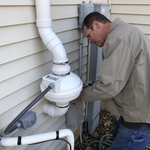
"Dave was on time, courteous and quietly and efficiently did high quality work. We still need to do the radon test but definitely happy with the quality of work. Will update the review once we have been able to complete the independent radon testing. Thanks!"
"Jose Rodriguez was prompt, professional, and fast with results. He was there when he said he would, went there the next day after I called, and provided the results on time. As a real estate professional I know I'll need the services again and I know that he is the person I will be calling. Thank you!"
"Chuck was recommended to me by my realtor. He showed up late, but said that was due to an accident and resulting traffic. That is not surprising on a Friday afternoon. He thoroughly inspected my house, was very patient about answering questions and was not shy about telling me his honest opinion about the house's strengths and weaknesses. The report he submitted was neatly prepared and easy to read and included several digital photos. He identified several electrical issues that we would never have known about otherwise and encouraged us to get additional professional advice. We did and the sellers are fixing for us. When I had a follow up question for him, he responded promptly via email. He also encouraged me to contact him if we saw any issues at final walkthrough."
"Very easy to get an appointment on short notice when I had limited time to get a radon test done in the process of purchasing a home. Their price was also slightly lower than an estimate I'd received from another company, and the technician was more thorough about explaining the process than the other company I considered."
"Reliable was great. They came out quickly to provide an estimate and then were back out quickly after I decided to proceed. I would definitely recommend."
Radon Detection and Reduction questions, answered by experts
The cost for a radon mitigation system typically ranges from $800 to $1,500, with an average around $1,000. The final price depends on several factors, including the size of your home, the severity of the radon issue, and the type of system required. Your home's foundation type also significantly impacts the cost. For example, sealing and ventilating an unfinished basement might cost around $4,600, while encapsulating a crawl space without a foundation slab can range from $1,500 to $15,000.
Installing a mitigation system reduces radon levels, which can cause lung cancer, providing peace of mind and long-term health benefits. It can also increase your home’s value, as many buyers prefer properties with radon safety measures in place. The investment is relatively low compared to the potential health risks associated with prolonged radon exposure.
Keeping radon from getting into your home is much better than having to get rid of it once it's already indoors. While there may not be a way to fully prevent radon from getting into your home, there are things you can do to reduce the gas's ability to enter.
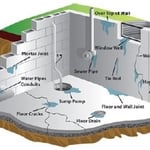
Sealing foundation cracks and openings can help keep the gas from seeping inside. Improving air flow, such as by opening windows, can also be helpful. If you're building your home from scratch, talk to your contractor about using radon-resistant construction to keep the gas out.
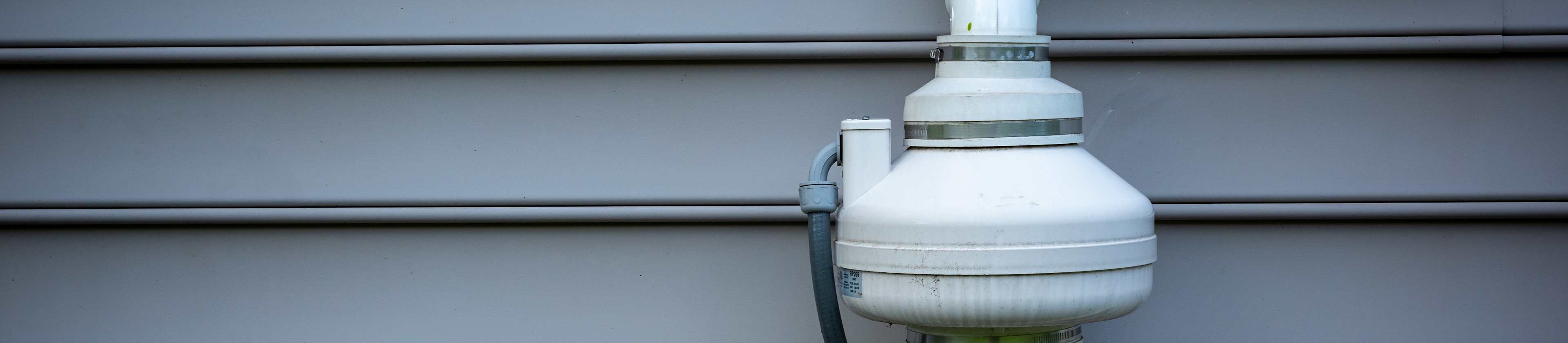
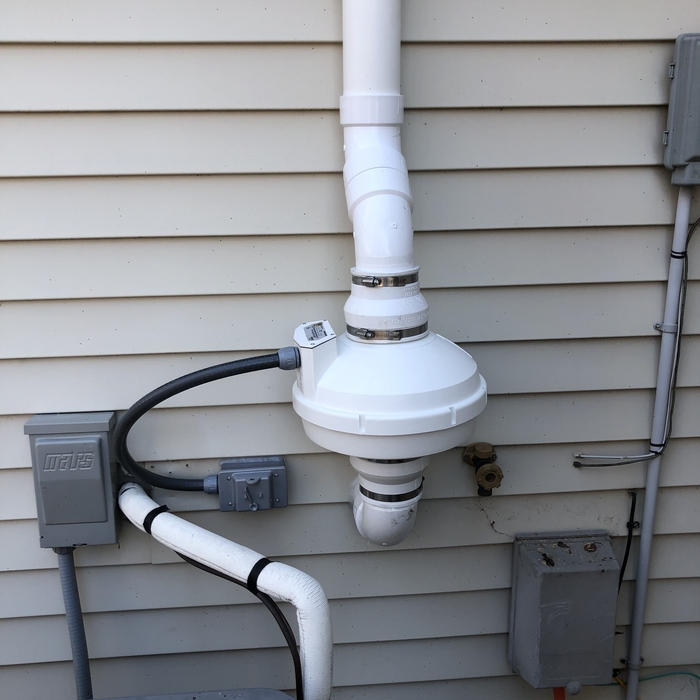
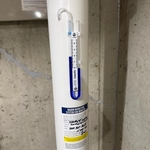
Many radon fans carry a five-year manufacturer's warranty. That said, your radon fan should last between five and ten years. Regular inspections will ensure the fan is operating properly. Unusual or exceptional noise coming from the fan or indications on your manometer or system monitor can immediately tell you that something is amiss.
No level of radon is technically safe, but since it is present everywhere, complete avoidance is impossible. The average radon level in homes across the United States is 1.3 picocuries per liter (pCi/L). The Environmental Protection Agency (EPA) recommends taking preventative measures if your home's radon levels are between 2 and 4 pCi/L or higher.
The Park Forest, IL homeowners’ guide to radon detection and reduction services
From average costs to expert advice, get all the answers you need to get your job done.
The cost of a radon mitigation system in Chicago, IL, depends mostly on the type of system being installed. Use this guide to learn about your options.
Radon is a gas that you can't see or smell and is harmful to your health. If your home has radon, you need to know who installs radon mitigation systems.