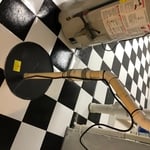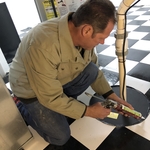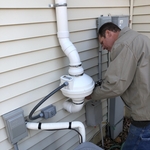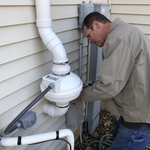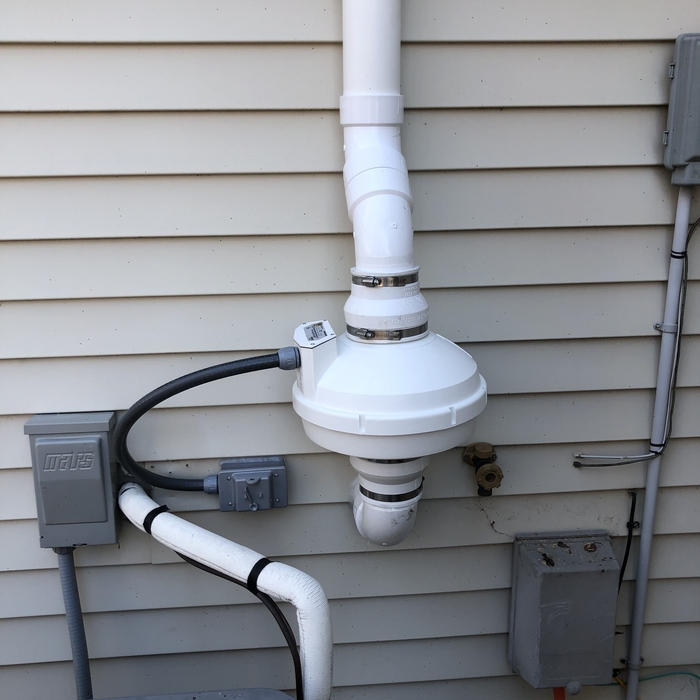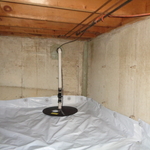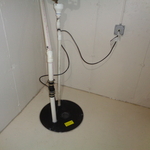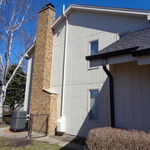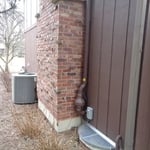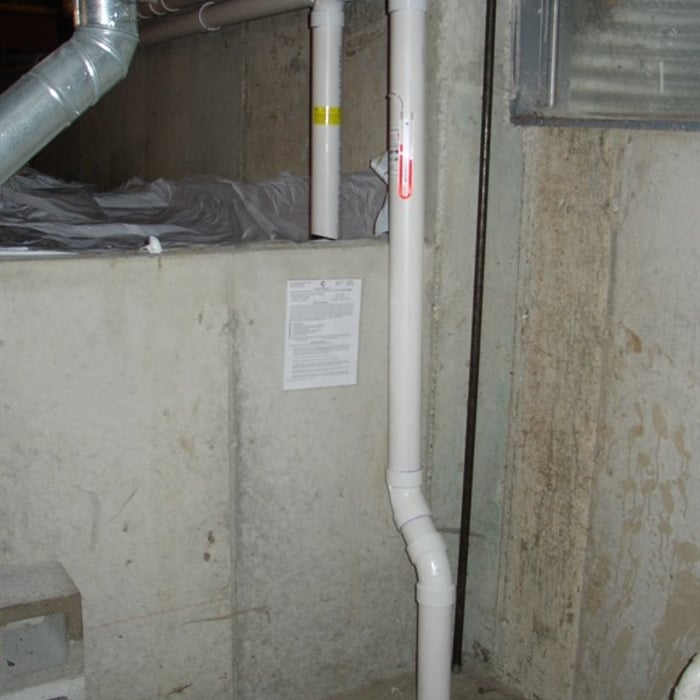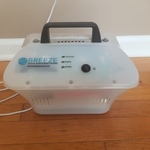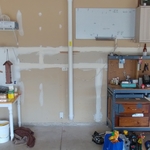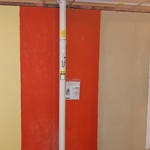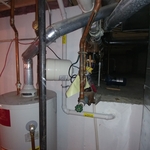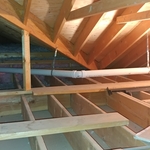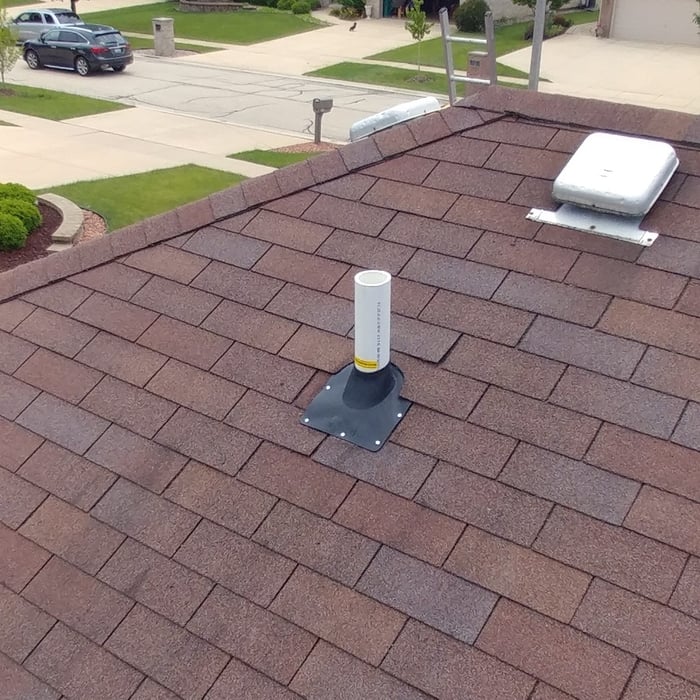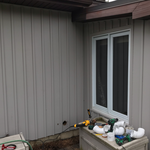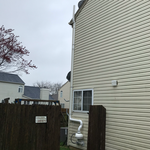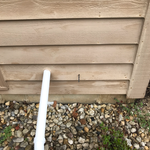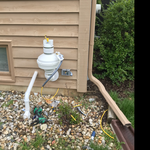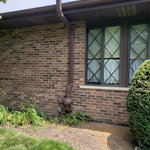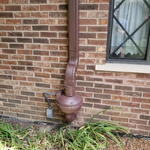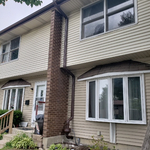
"Bill was very professional, friendly, and patient with our questions from start to end. He explained the installation in detail along with providing pictures of what to expect. Within 24 hours of installation, Airthings Radon monitor reported a significant radon level drop. After one week, the Radon average has gone from 8.6 to 0.6 pCi/L. Thank you, Bill and Jose."
"I consulted with Radon Doctor about my home. The four foot high basement had 5 pci in a 48 hour test. The first living floor was 1.5 pci in the same test. Radon Doctor advised me to monitor radon levels on the living floor over 6 months during winter season and get back to them for mitigation if needed. They did not take advantage of a single basement reading to insist I install a system that would not affect the living floor levels. These guys are legit."
"Completely satisfied. Would certainly recommend them for Radon mitigation work. They worked efficiently, were neat and clean and the price was quite reasonable."
"Chuck was thorough, personable, and very helpful. He went above and beyond to give us helpful pointers and information that was beyond the scope of what was required for the inspection. I highly recommend his services! "

"As a Realtor, Schan has done many of my clients' radon system install and they all were extremely please with his knowledge, install and his going above and beyond to make the system appealing from the exterior of the home. Many companies will not make the effort to ensure that the system does not look unsightly. Schan does and he is an expert at what he does. I would only recommend Schan to my clients!"
"Sidad was professional and he performed the radon test with state of art equipment. The radon test price was reasonable and I am happy to deal with him. I would refer to him for future test."
Radon Detection and Reduction questions, answered by experts
The soil beneath your house is most likely what’s causing an increased level of radon. This is because soil holds radioactivity for a long time and it’s also what most buildings are built on. Another common source of radon is water from a source that hasn’t been through periodic radon tests, such as well water. Over time, the radon from the soil can inhabit other parts of your house like the foundation or plumbing.
Long-term exposure increases lung cancer risks. Prolonged homestay individuals and smokers encounter heightened vulnerability and exposure concerns.
If high radon levels are detected, steps include sealing entry points, installing a mitigation system, and retesting the air regularly to ensure reduced levels.
Abatement includes sealing entry points and venting with systems that reduce radon levels below recommended EPA limits. It is handled by certified professionals.
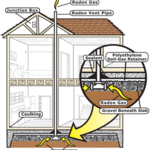
The natural breakdown of uranium in soil, rock, and water can cause radon to appear in a home. The gas seeps into homes through cracks in foundations, walls, or floors, as well as through gaps around pipes or construction joints. Radon levels are influenced by soil composition, building materials, and ventilation. Poorly sealed or airtight homes can trap radon, allowing it to accumulate.
The Palos Park, IL homeowners’ guide to radon detection and reduction services
From average costs to expert advice, get all the answers you need to get your job done.
The cost of a radon mitigation system in Chicago, IL, depends mostly on the type of system being installed. Use this guide to learn about your options.
Get clear answers on how much radon remediation costs, including average prices, key cost factors, and tips to save money on your home’s radon mitigation.
Radon is a gas that you can't see or smell and is harmful to your health. If your home has radon, you need to know who installs radon mitigation systems.