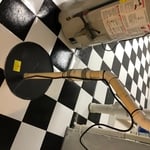
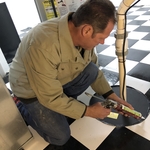
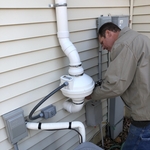
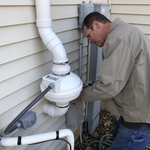
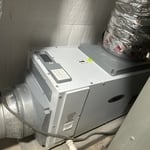
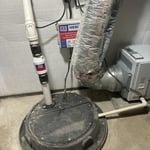
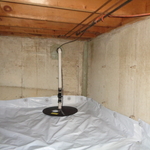
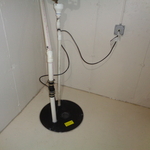
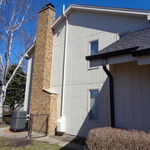
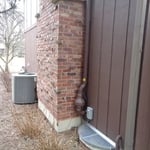
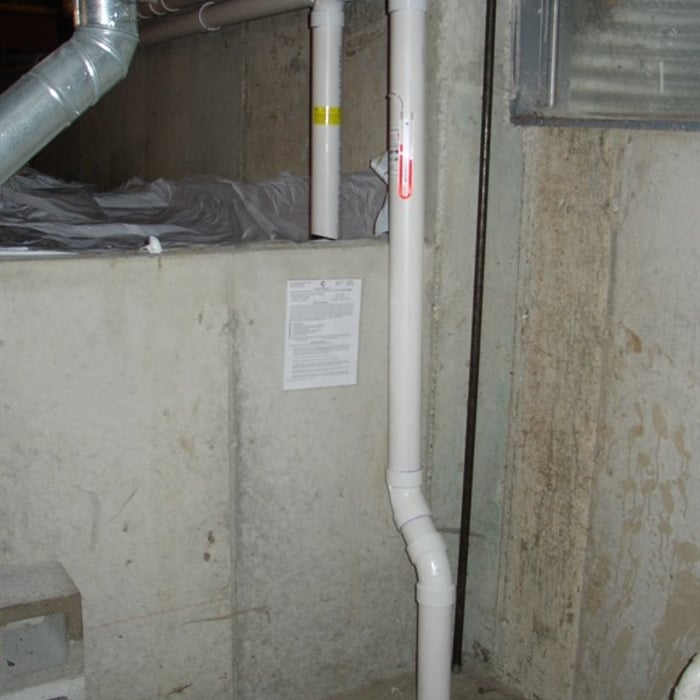
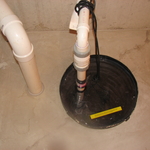
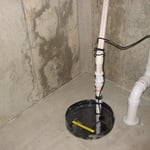
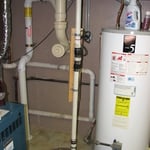
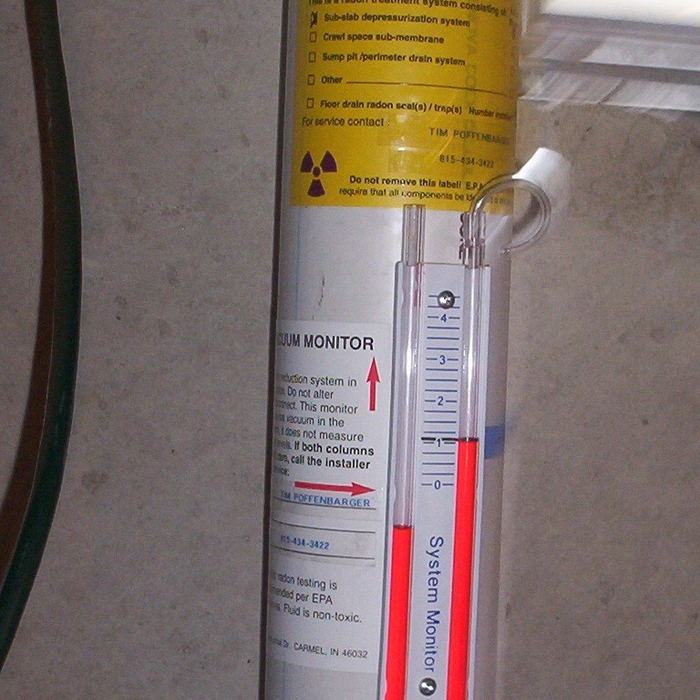
"We were very happy with the crew who worked in our home. Very professional. Prepared the site so we could not tell they had even been in our home. Testing following the job indicated that the radon gas was leaving our home. Our radon level went from 12 to 0."
"Called company on Monday and got an appointment for an inspection on Wednesday. That following Monday, the technician arrived and went through each step is sealing off the concrete foundation to the water leak. The fix worked well and was put to the test with the recent record rains. Not one drop of water came into the basement."
"Professional Radon System did an excellent job. They put the customer at ease. Work was done neatly installer explained everything thoroughly. I will use Professional Radon system again, and I will wii refer to family, friends and neighbors."
"Completely satisfied. Would certainly recommend them for Radon mitigation work. They worked efficiently, were neat and clean and the price was quite reasonable."
"He was very good! He discussed with the seller all of what he found in his inspection and was very professional. I will highly recommend him. He's a great guy!"
"Very easy to get an appointment on short notice when I had limited time to get a radon test done in the process of purchasing a home. Their price was also slightly lower than an estimate I'd received from another company, and the technician was more thorough about explaining the process than the other company I considered."
"He was extremely helpful and went above and beyond other organizations. He wasn't the cheapest option, but he did very good work. Very accommodating."
"I think this guy did a good job. My In-laws thought he was a little fussy, but I'd rather have every little thing noted. I'd rather be able to decide what's important. The report was pretty concise, and the summary was pretty good as well. I recommend him."
Radon Detection and Reduction questions, answered by experts
Radon is the number one non-smoking cause of lung cancer in the United States, but it can cause some other concerning side effects in the meantime. If you have a raspy voice, chest pains, trouble breathing, difficulty swallowing, or any of the above, don’t hesitate to perform radon testing and install a mitigation system as soon as possible.
The average radon mitigation system uses about 876 kWh of electricity per year, although the exact amount of electricity used will vary depending on the size of the radon fan. Once the system is installed, the annual increase to your energy bill could range from $30 to $300 per year, again depending on the size of the fan.
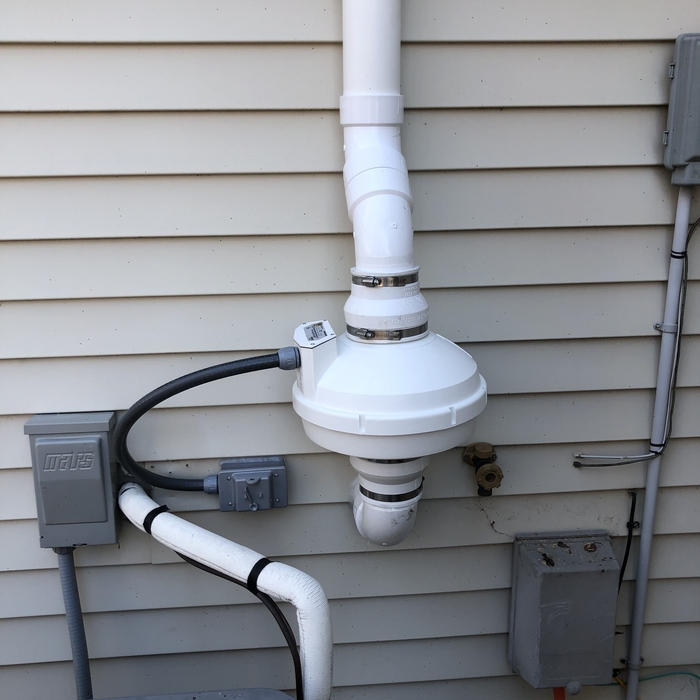
Your radon mitigation system may be loud because it’s time to replace it. Any sounds are usually from the inline fan that helps create the vacuum and resulting airflow. If you hear a new, loud mechanical or humming noise from your radon fan, it might be time to replace it. Most fans used in radon mitigation systems last up to 10 years, but may need to be replaced sooner.
Radon is present almost everywhere but, like sunlight, the concentration levels and how often you are exposed to it have a large part to play in just how dangerous it is. There are levels of radon that are acceptable inside a house, but above a certain limit, radon becomes a serious radioactive hazard that is a known cause of lung cancer. In fact, radon exposure is the number two leading cause of lung cancer (after smoking).
The cost for a radon mitigation system typically ranges from $800 to $1,500, with an average around $1,000. The final price depends on several factors, including the size of your home, the severity of the radon issue, and the type of system required. Your home's foundation type also significantly impacts the cost. For example, sealing and ventilating an unfinished basement might cost around $4,600, while encapsulating a crawl space without a foundation slab can range from $1,500 to $15,000.
The Monee, IL homeowners’ guide to radon detection and reduction services
From average costs to expert advice, get all the answers you need to get your job done.
The cost of a radon mitigation system in Chicago, IL, depends mostly on the type of system being installed. Use this guide to learn about your options.
Radon is a gas that you can't see or smell and is harmful to your health. If your home has radon, you need to know who installs radon mitigation systems.