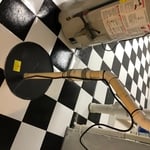
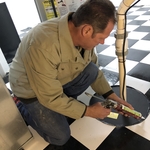
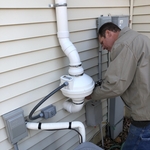
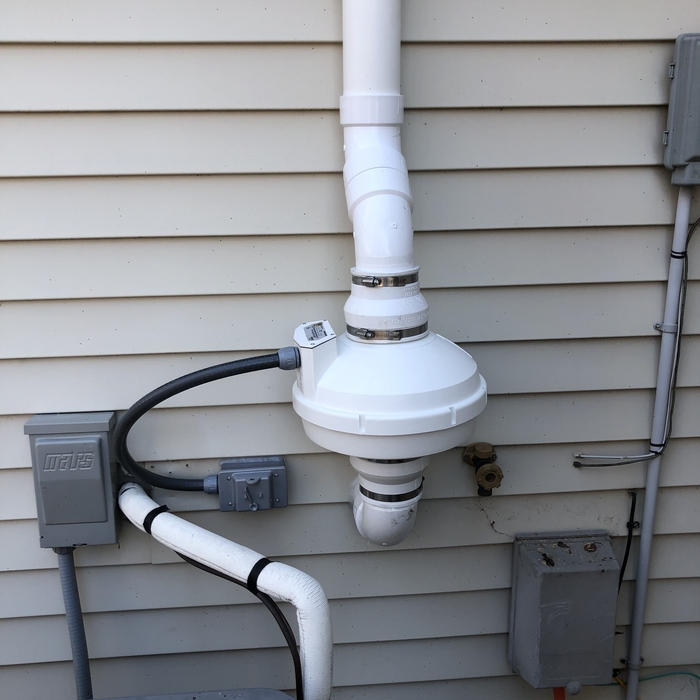
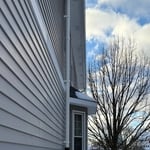
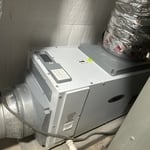
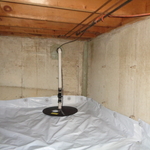
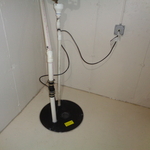
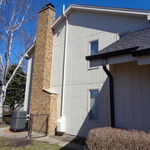
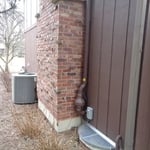
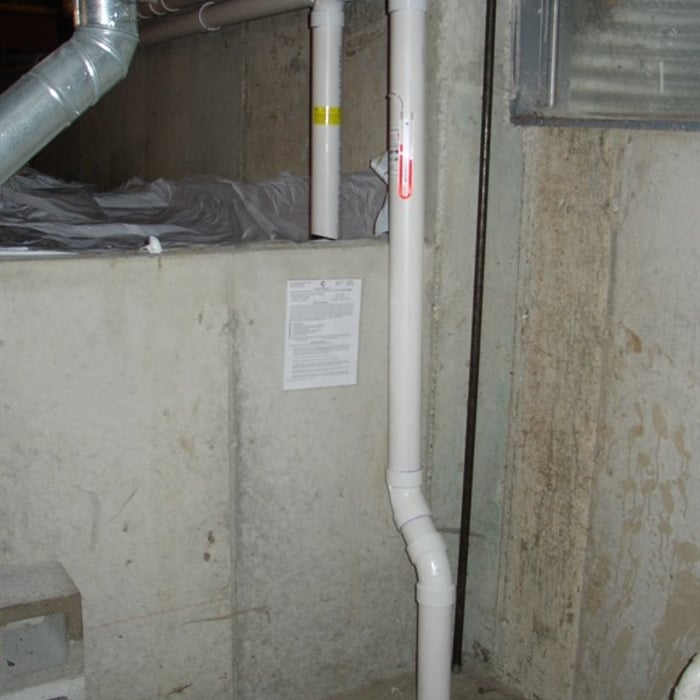
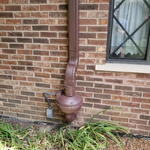
"Bill was very professional, friendly, and patient with our questions from start to end. He explained the installation in detail along with providing pictures of what to expect. Within 24 hours of installation, Airthings Radon monitor reported a significant radon level drop. After one week, the Radon average has gone from 8.6 to 0.6 pCi/L. Thank you, Bill and Jose."
"We were very happy with the crew who worked in our home. Very professional. Prepared the site so we could not tell they had even been in our home. Testing following the job indicated that the radon gas was leaving our home. Our radon level went from 12 to 0."
"Professional Radon System did an excellent job. They put the customer at ease. Work was done neatly installer explained everything thoroughly. I will use Professional Radon system again, and I will wii refer to family, friends and neighbors."
"Completely satisfied. Would certainly recommend them for Radon mitigation work. They worked efficiently, were neat and clean and the price was quite reasonable."
"He was very good! He discussed with the seller all of what he found in his inspection and was very professional. I will highly recommend him. He's a great guy!"
"Schan did a great job, very professional. He came out to see what the job was before he gave me a quote. I have a huge crawl space which took some time but he stuck with it to finish it in one day. Now I can breathe easier knowing it's taking care of right. I highly recommend Clean Air Radon Systems."
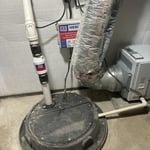
"The true test will be the radon measurement . Everything looks very nice , very professionally done . I was just under impression from other companies I spoke to that something had to be done with sump pump."
Radon Detection and Reduction questions, answered by experts
Radon detection is crucial as prolonged exposure to radon gas, a leading cause of lung cancer, poses significant health risks in residential environments.
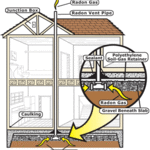
You can vent radon out of your house sometimes by simply opening a window, but it won’t remove the source, and will likely rise above recommended levels quickly. A professional will be needed to assess your home, and determine the best strategy for radon removal. Active radon sump pumps and soil depressurization systems are often used to forcefully vent the radon from your home.
A homeowner can install a radon mitigation system on their own. But it’s a challenging DIY that requires a lot of knowledge about radon mitigation as well as familiarity with local regulations. You do not want to risk an improper installation that leaves the system unable to detect radon or gives it a shortened life span. Relying on a professional is the surest way to guarantee a successful installation.
Use a radon test kit or hire professionals to conduct a detailed assessment of radon levels in your home.
Yes, many systems include warranties for performance. Confirm terms with your installer.
The Manhattan, IL homeowners’ guide to radon detection and reduction services
From average costs to expert advice, get all the answers you need to get your job done.
The cost of a radon mitigation system in Chicago, IL, depends mostly on the type of system being installed. Use this guide to learn about your options.
Radon is a gas that you can't see or smell and is harmful to your health. If your home has radon, you need to know who installs radon mitigation systems.