Top-rated electricians.

Best electricians near Idaho Falls, ID

Enter your zip and get matched with up to 5 pros

Need a pro for your electrical service project in Idaho Falls, ID?

Select your specific project to find the pro for you.

TRUSTED BY IDAHO FALLS, ID HOMEOWNERS

  • Average homeowner rating star icon4.7
    Average homeowner rating
  • Verified reviews icon305
    Verified electrical services reviews

Top-Rated Electricians in Idaho Falls - Updated Nov 2026

Avatar for A Better Home Handyworks
A Better Home Handyworks
5.0(
13
)
Appliance (Major Electric Appliance) - Install or Replace

Serving Idaho Falls, ID and surrounding areas

Approved

In business since 2008

Free estimates

Small jobs welcome

"Being a landlord, I'm very careful about who goes into my units with my tenants. I want them to be treated very well. I have had tenants contact me after Darren and his team went in to do repairs in the units to let me know how friendly, thorough and clean Darren's work was. I highly recommend A Better Home Handiworks!"
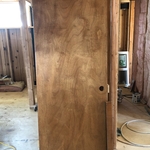
Stained to match and finished
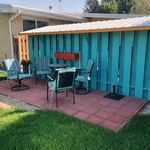
New Patio
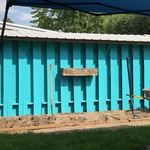
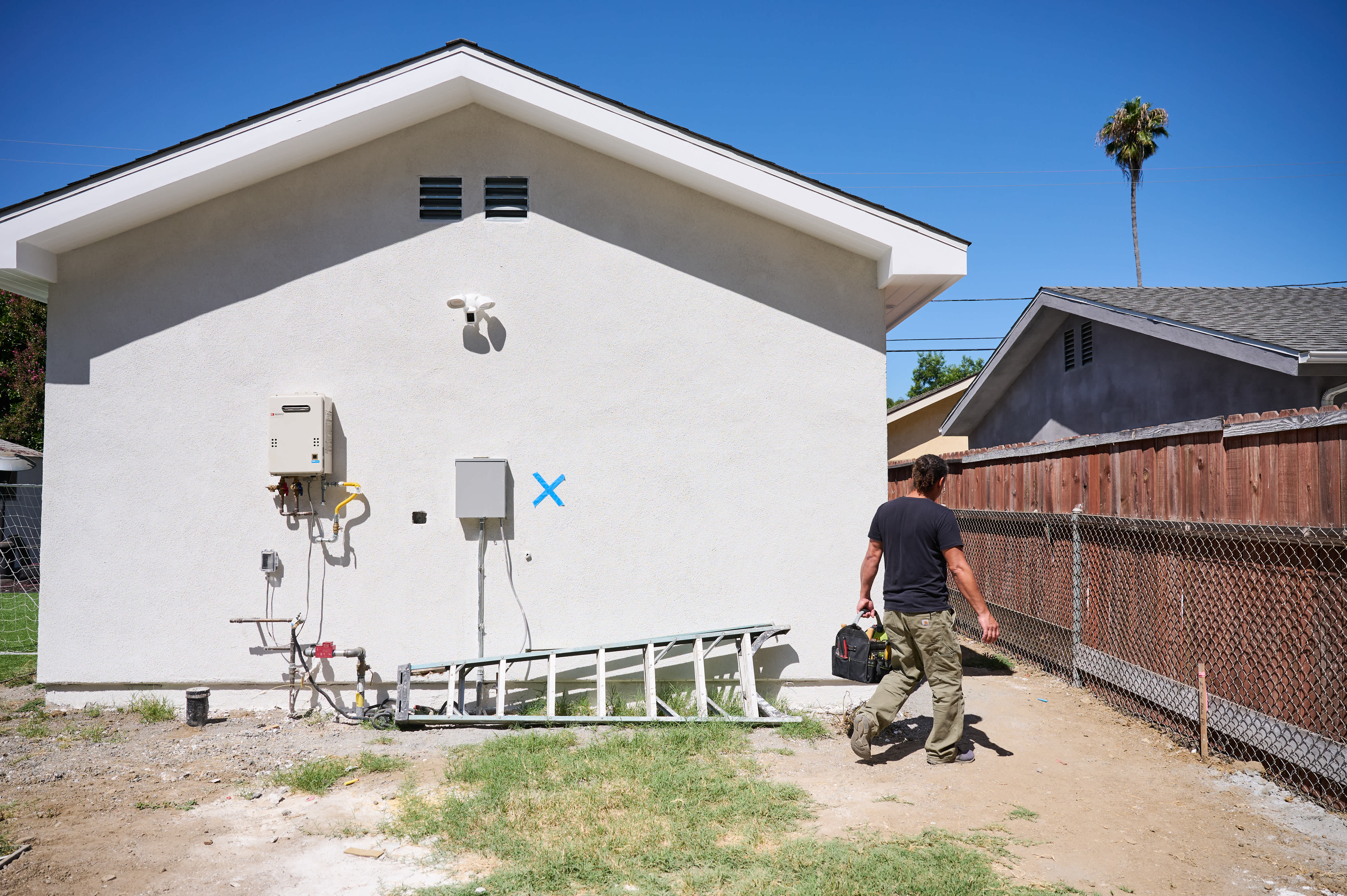
After paint but before patio is laid
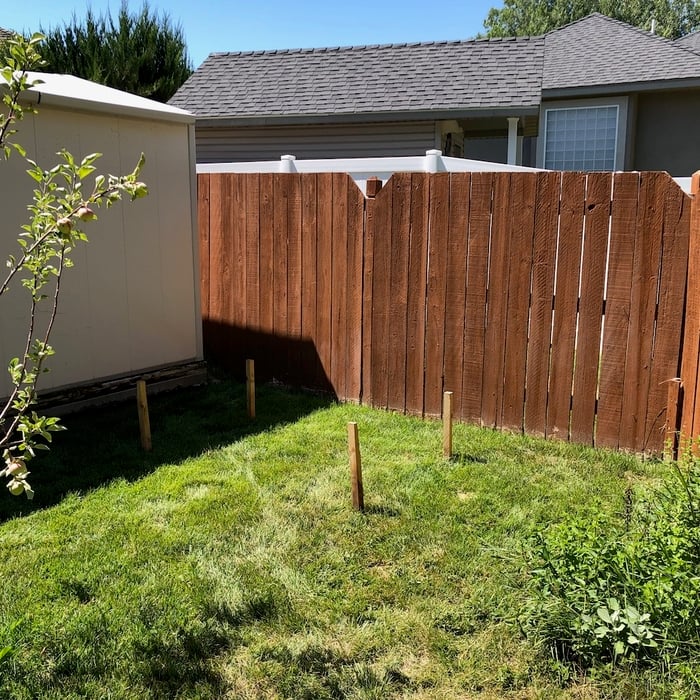
Garden Arbor
Garden Arbor

+11

Response time7 hrs
Recommended by100%of homeowners
Avatar for Red Wind Management LLC
Red Wind Management LLC
5.0(
11
)
Appliance (Major Electric Appliance) - Install or Replace

Serving Idaho Falls, ID and surrounding areas

Approved

In business since 2024

Emergency services offered

Warranties offered

"Jared P. did an amazing job for our family. He took out an old window, rotten wood, and sheetrock. He meticously informed us of each and every step he was taking. When he got into the job, he discovered there was more damage than originally thought. Instead of overcharging, he kept us in the loop and gave us option. We give our highest recommendation and will hire Jared P. for a future construction project that we have planned. The Andersons"
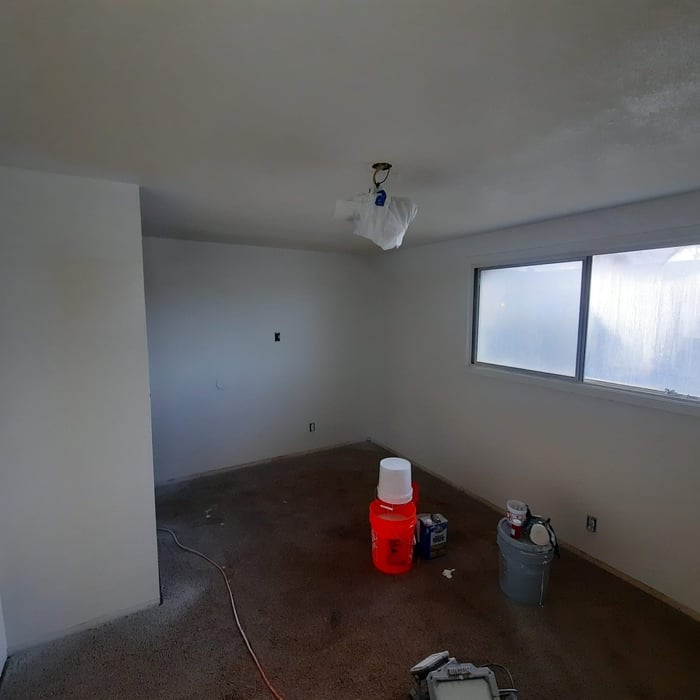
Apt Remodel
Apt Remodel
Apt Remodel
Apt Remodel
Apt Remodel

+5

2 neighbors recently requested a quote
...
Showing 1-10 of 86
Electrical FAQs, answered by experts

Yes, an AFCI (arc fault circuit interrupter) outlet also has line and load terminals, although it uses different technology than a GFCI and offers a different kind of protection. AFCIs monitor for internal arc faults, a type of wiring problem that can start an electrical fire.

Yes. You should always turn off the power to the work area before beginning, use a voltage tester to ensure it’s off, and wear protective gear, such as insulated gloves or safety glasses, to prevent risk of injury. Proper wiring and grounding techniques are also necessary to make sure the job is done right the first time and won’t harm any future homeowners. 

With AC wiring, which is the kind most likely you’ll find at home, the black wire is “hot,” and the white is “neutral.” The bare or green wire is considered the safety ground wire. If you encounter DC wiring, it’s relatively easy to tell positive or negative wires apart. red wires are used to indicate positive voltage and black wires indicate negative voltage.

Most standard residential water heaters, which are typically around 40 gallons and use 240 volts and between 3,500 and 5,500 watts, require a 30-amp, two-pole circuit breaker. For smaller, point-of-use water heaters using 120 volts and between 1,500 and 3,000 watts, a 30-amp breaker is also often adequate. However, some models may have different needs; units that use more watts than average may require a 40-amp breaker, while smaller units might only need a 20-amp breaker. Newer, tankless, or more energy-efficient models can also require a higher amperage. Having the correct breaker size is crucial for safe and efficient operation, so it's best to consult a licensed electrician to determine the specific needs of your water heater.

Under-cabinet lighting is generally energy-efficient, especially when using LED technology. Compared to traditional ceiling lighting or older bulb types like halogen and incandescent, LED under-cabinet lights consume significantly less energy, which helps reduce operating costs. This applies to various forms, including strip lights, puck lights, and built-in fixtures. For an option that uses no electricity, consider battery-operated puck lights. While they require periodic battery replacements, they have the added advantage of functioning during a power outage.

The Idaho Falls, ID homeowners’ guide to electrical services

From average costs to expert advice, get all the answers you need to get your job done.