

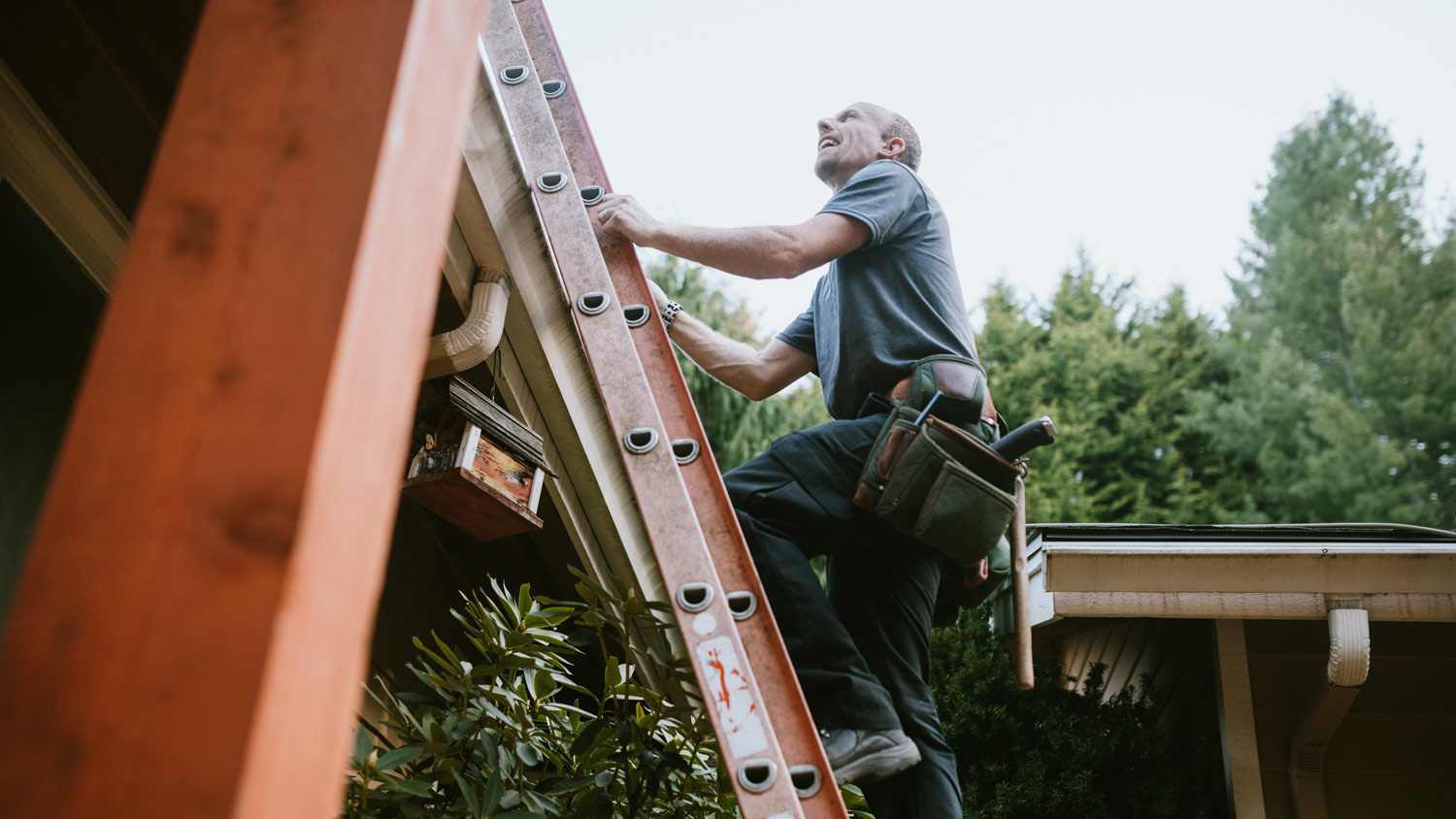
If you’re buying a home, having an inspection offers reassurance that it’s in good condition. How much a home inspection costs varies depending on the home's size, age, condition, and location.
Electrical service costs depend on your project and location. Check with a local pro for your specific job.

Professional electrical inspection costs range from $75 to $500, with most homeowners paying around $150 for your service.
The age and size of your home determine how long your inspection takes and whether you need specialized expertise.
Budget for potential follow-up repairs like outlet grounding, wiring upgrades, or panel replacements discovered during your inspection.
Hiring a local electric inspection professional ensures your system meets current safety codes and protects your household from fire hazards.
In 2026, the national average cost for an electrical inspection is $150, with most homeowners spending between $100 and $400 depending on the type of inspection and the accessibility of your home. Key cost drivers include the age and size of your home, the inspection type, and whether follow-up repairs—like outlet grounding, wiring upgrades, or panel replacements—are needed.
Several factors influence what you'll pay for an electrical inspection, from the type of inspection you choose to the size and age of your home. Understanding these variables helps you set a realistic budget and avoid surprises when you get a quote.
Electrical inspections range from a basic safety check ($100 to $200) to a comprehensive assessment of every electrical component in your home ($250 to $400). Each inspection type is suited to different needs and budgets. Knowing which type fits your situation helps you match the right level of coverage to what your home actually requires.
Here’s how much an electrical inspection costs by type of inspection:
| Electrical Inspection Type | What Is Covered? | Average Cost Range in 2026 |
|---|---|---|
| Standard | Wiring, outlets, circuit breakers, panels | $100–$200 |
| Infrared | Detect hot spots through walls and ceilings | $150–$350 |
| Full home electrical inspection | A full inspection of all electrical elements in the home | $250–$400 |
| Code compliance | Checks that new installations or repairs are up to code | Included in cost of installation or repair |
When you're shopping for a new house, many people choose to have a full home electrical inspection. This is the most comprehensive inspection type, and your electrician will provide you with an inspection report at the end.
However, if you're just looking for a simple home electrical inspection and you don't have any particular concerns, a standard safety inspection can typically provide what you need.
Larger homes usually take longer to inspect, while older electrical systems may require specific expertise. When scheduling an inspection with an electrician, disclose factors like your home age, size, and location to help you get a more accurate cost estimate.

Labor costs for an electrical inspection vary based on how electricians structure their pricing and their certification level. Journeyperson electricians start at $50 per hour, while master electricians start around $100 per hour.
For larger or older homes, comparing flat-rate and hourly quotes from a few electricians is a smart move, since additional complexity can add hours to the job.
Where you live can affect your electrical inspection cost, with rural homeowners typically paying more than those in urban or suburban areas. Some electricians charge a mileage-based travel fee, while others set a flat rate for specific counties or regions. Asking about travel fees upfront when comparing quotes helps you avoid unexpected charges.
Infrared inspections are the most common add-on to a standard electrical safety inspection, and they cost an additional $150 to $350. This technology uses thermal imaging to detect hot spots inside walls and ceilings that could signal early electrical failure. The key advantage is that it surfaces hidden problems without any cutting or damage to your home's surfaces.
An electrical inspection frequently uncovers small issues that require follow-up repairs, which adds to your overall project cost. Addressing these problems early saves money in the long run by preventing larger failures. Common electrical repair costs discovered during inspections are broken down below:
| Common Repairs | Average Cost To Repair in 2026 |
|---|---|
| Outlet cover replacement | $10–$30 |
| Smoke or carbon monoxide detector installation | $90–$150 |
| Light switch replacement | $50–$250 |
| Grounding an outlet | $100–$300 |
| Basic electrical wiring | $6–$8 per foot |
| Electric panel replacement | $850–$2,500 |
| Electrical permit | $50–$350 |

There are a few steps you can take around your home and during your research to make your electrical inspection quick, easy, and more cost effective—win, win, win.
Make the space easy to work in. Remove furniture and clear items away from the work area before your pro arrives.
Make sure you know where your breaker box is. Also, take note of the exact location of all the problem areas you want the pro to work on. This will cut down on labor time.
Check (and replace, if needed) lightbulbs around your house. This is a simple job that can save you and your pro time.
Get several quotes from electrical inspectors near you . Compare quotes to see who offers the best deals for their experience and available services.
A DIY electrical inspection can help you spot obvious issues, but it's not a replacement for a licensed electrician near you , especially if you're selling your home, dealing with electrical problems, or planning upgrades. A professional inspection ensures your system is safe, code-compliant, and functioning properly.
Electrical inspections ensure your home is safe, and here's why you should hire a pro for the task:
Electricians have the tools and expertise to detect hidden issues you might miss, such as damaged wiring, overloaded circuits, and hot spots behind walls.
A pro will ensure compliance with current building and safety codes.
Licensed electricians carry liability insurance and offer warranties on their work.
Professionals can complete inspections safely, thoroughly, and efficiently.
Documentation from a licensed electrician might be required for home sales, renovations, and insurance claims.
Unless you're a certified electrician, it's best to leave electrical inspections to the pros, but you can attempt the following tasks yourself:
Use an electrical inspection checklist to find potential problems to bring to the electrician
Look for visible warning signs such as scorch marks, loose outlets, or frequently tripped breakers
Clear space around your electrical panel, outlets, and appliances so the electrician can work efficiently
Make a list of questions or concerns to share during the inspection

If all the lights are on and you don't have any concerns, it's still a good idea to have a basic safety inspection every three to five years, or every two to three years for older homes. However, here are a few signs that might make it a good idea to schedule an inspection a bit sooner:
Hot spots : Sections of a wall or ceiling that feel warm or hot
Discoloration : Yellow and brown spots on the walls (caused by advanced hot spots)
Burning smells : Caused by frayed wires and other electrical failures
Rising energy bills : If you haven't changed your energy routine but your bills are more expensive, your wiring may be inefficient
If you find burning smells in your home, it's important to take action right away. Burning smells often lead to electrical fires. If you smell burning, especially if you've just turned on a light or appliance, turn it off and call an electrician immediately.
Note any potential issues with your home’s electrical system so you can inform your pro.
Ask for recommendations on how to improve your home’s electrical safety and efficiency.
Be prepared to discuss additional electrical projects, such as replacing standard outlets with GFCI outlets.
After the inspection, review the findings with your professional so you understand each issue.
Clarify estimated costs for recommended repairs.
Home is the most important place on earth, which is why Angi has helped more than 150 million homeowners transform their houses into homes they adore. To help homeowners with their next project, Angi provides readers with the most accurate cost data and upholds strict editorial standards. We extensively research project costs to develop the pricing data you see, so you can make the best decisions for you and your home. We rely on reputable sources, including the U.S. Bureau of Labor Statistics, academic journals, market studies, and interviews with industry experts—all to ensure our prices reflect real-world projects.
Want to help us improve our cost data? Send us a recent project quote to [email protected]. Quotes and personal information will not be shared publicly.
I recently had Mosby Electric perform an electrical installation on 8-14-2026, and I couldn’t be more satisfied with the service. From the moment I called, their team demonstrated fast arrival and professionalism. The electricians were highly knowledgeable, completing the installation...
 Mosby Electric
Great company! Price was competitive, technician showed up on time and completed the job (exterior electric Radon fan replacement) quickly. Would hire them again.
 MaGen Property Inspections and Radon Mitigation
I conferred with 2 other contractors before Armstrong Electric. Nick and his crew showed me that the project was not as convoluted as the other contractors made it appear to be. They completed the entire project on time. They were professional, friendly and cleaned up after at completion. I...
 ARMSTRONG ELECTRIC, LLC
The techs on my project, Shawn and Cliff, were great. They were prompt, courteous, and efficient. I am very happy with the results and would definitely contact Mr. Electric for any future electrical projects.
 Mr. Electric of Columbus
Victor was wonderful. He was on time, professional, and explained everything he was doing. He was thorough and figured out that the problem was electrical instead of with my HVAC system. Very knowledgeable. I will be using this company in the future for any HVAC needs. Thanks!
 Hubbs Heating & Air LLC
They were excellent. They did a great job. I was totally satisfied. They put tremendous effort in making sure the work was completed. They were great. They provided immediate response to any inquires I made. I would hire them again. I would recommend them to anyone who needs electrical work....
 JCB & Associates, LLC DBA Property-Tech Industries
Initially, the repairman could not find the problem. Apparently, there was some electrical shortage, but he could not find the definite problem. He left, but called back later to say he had a new idea. He returned and replaced the light switches on the doors. The refrigerator seemed to return...
 Appliance Pro LLC
The initial quoted price from a walk-through seemed high, but we discussed that the quote represented worst case scenario (re-wiring to two floors) and we were excited about the opportunity to have the work done in a timely manner with closing for fire safety reasons, etc. When the job was...
I have to tell you I am all about customer service - I will go out of my way and even pay more for it if you give me great customer service. <br> <br>In a world where this is hard to find, these guys were awesome! I can not sing their praises enough. They were prompt, personable, funny, got...
 Waibel Electric
When I challenged the markup on the generator, Bruder Electric withdrew its bid. They only want naïve customers.
From average costs to expert advice, get all the answers you need to get your job done.
If you’re buying a home, having an inspection offers reassurance that it’s in good condition. How much a home inspection costs varies depending on the home's size, age, condition, and location.

Get a detailed breakdown of thermal imaging home inspection costs, including average prices, cost factors, and tips to help homeowners budget.
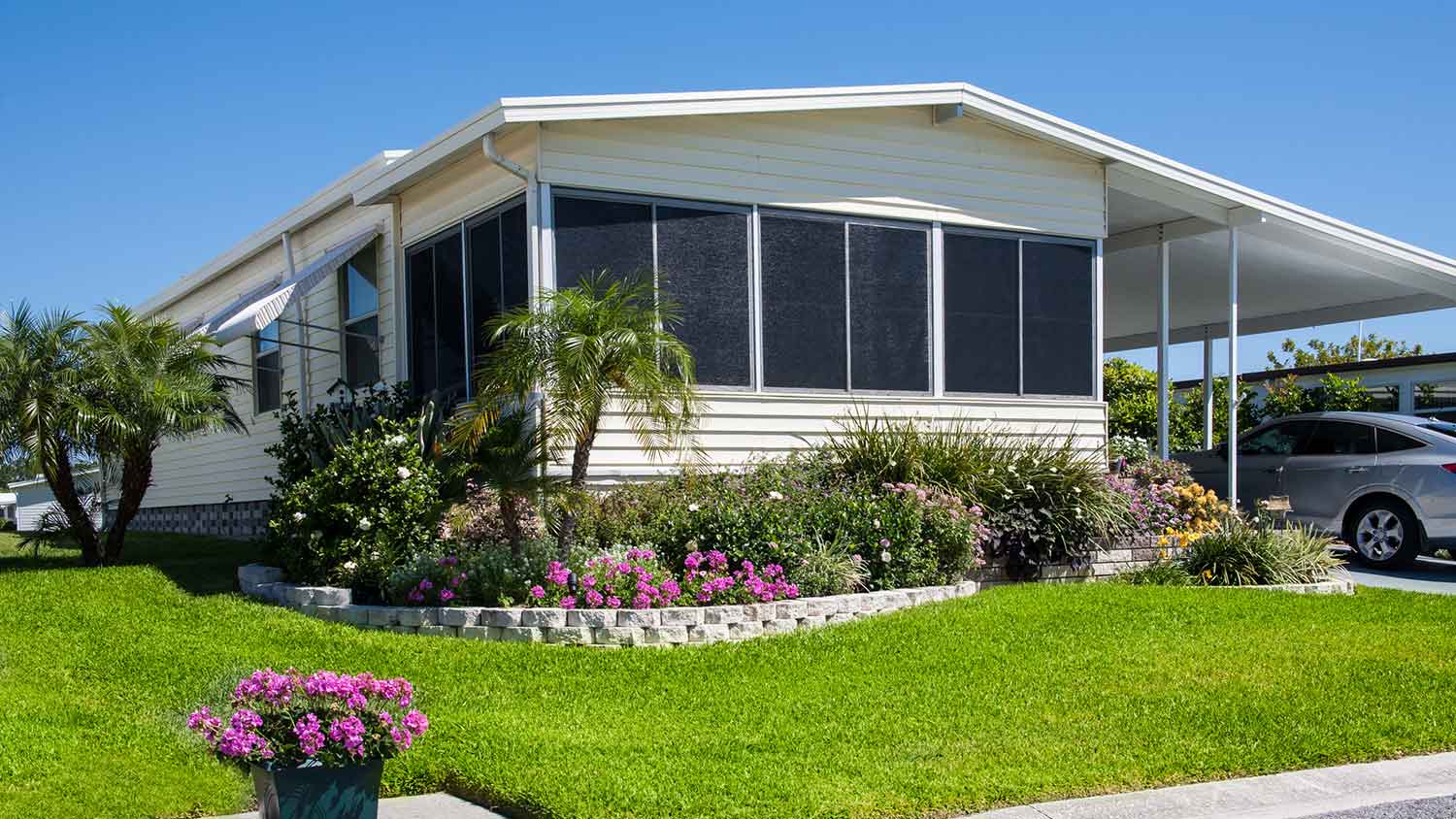
Learn about mobile home inspection costs and some additional costs you might have to pay so you can budget before moving in or closing on your new home.

Learn about the red flags that signal it’s time to get an electrical inspection, what it will cover, and what issues can fail these important safety checks.
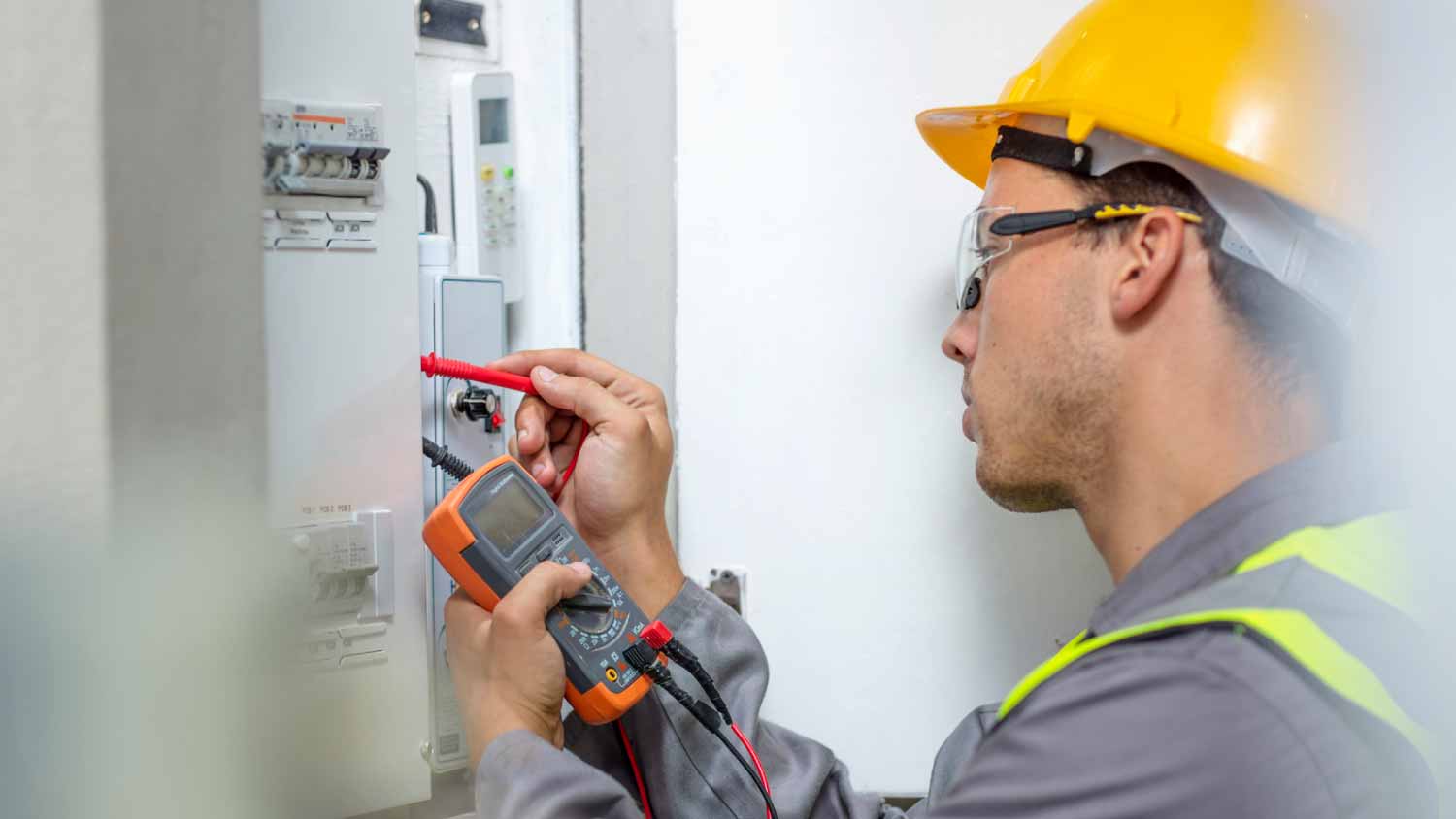
Nervous about what an electrical inspection might reveal about your new home? Following our home inspection electrical checklist can help ease your mind.
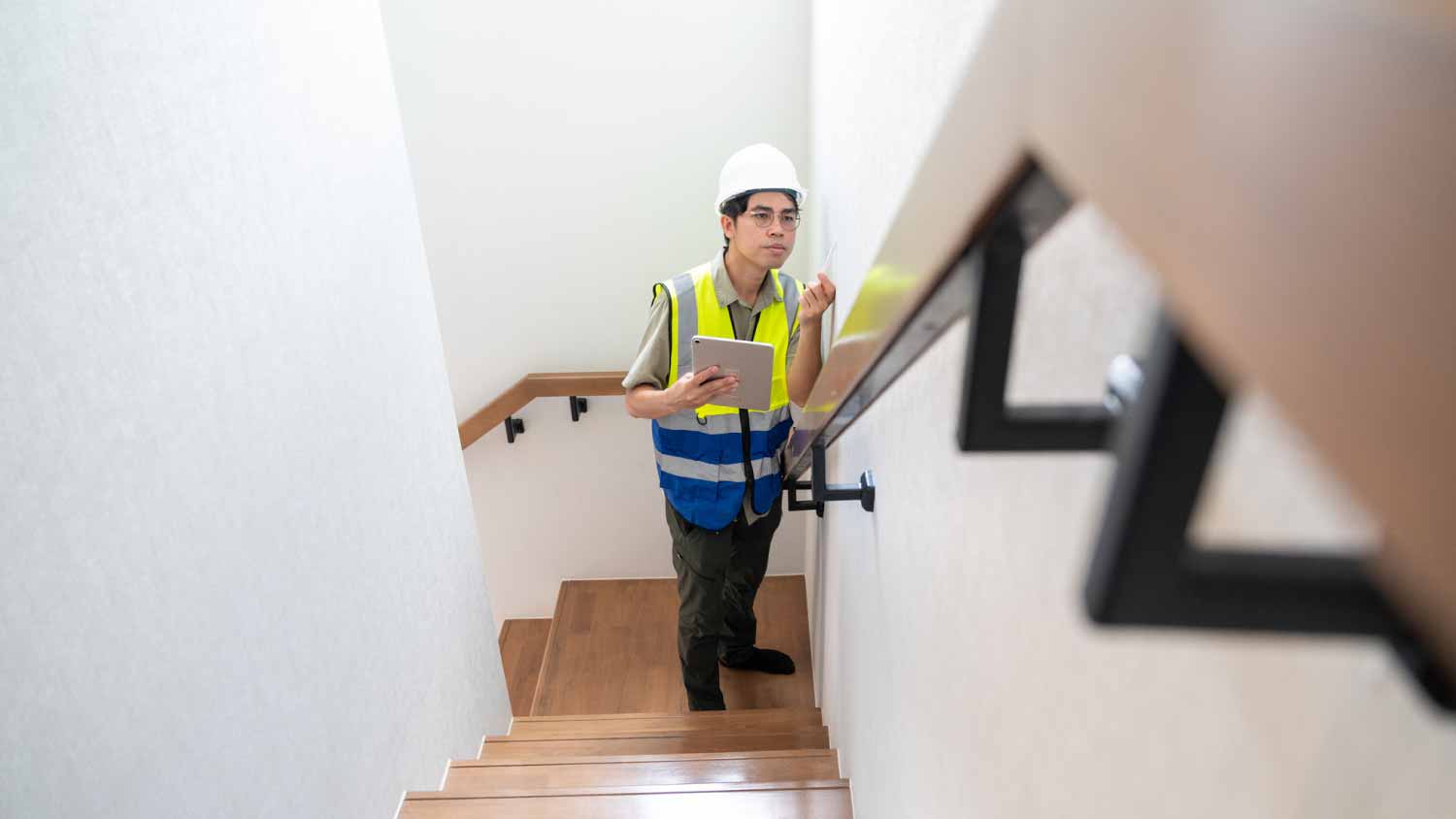
Learn about the types of home inspections so you know what to look out for when buying a home. Our guide explains the different types of home inspections.