




Top-rated electricians.

Get matched with top electricians in Shelley, ID

Enter your zip and get matched with up to 5 pros

Need a pro for your electrical service project in Shelley, ID?

Select your specific project to find the pro for you.

TRUSTED BY SHELLEY, ID HOMEOWNERS

  • Average homeowner rating star icon4.1
    Average homeowner rating
  • Verified reviews icon15
    Verified electrical services reviews

Find Electricians in Shelley

Avatar for Clemens Electric
Clemens Electric
5.0(
5
)
Electrical Switches, Outlets & Fixtures - Install or RepairElectrical Wiring or Panel UpgradeElectrical for Home Addition or Remodel - Install+2 more

Serving Shelley, ID and surrounding areas

Approved

In business since 2023

Free estimates

Warranties offered

"Rylie came out to my house and took care of my electrical outlet problem in a timely manner. And he was very knowledgeable. We had a good discussion about maybe future projects too. Great work standards. I appreciate that. Thank you Rylie."
Response time2 days
18 neighbors recently requested a quote

Recommended by80%of homeowners
Avatar for A Better Home Handyworks
A Better Home Handyworks
5.0(
13
)
Appliance (Major Electric Appliance) - Install or Replace

Serving Shelley, ID and surrounding areas

Approved

In business since 2008

Free estimates

Small jobs welcome

"Being a landlord, I'm very careful about who goes into my units with my tenants. I want them to be treated very well. I have had tenants contact me after Darren and his team went in to do repairs in the units to let me know how friendly, thorough and clean Darren's work was. I highly recommend A Better Home Handiworks!"
Stained to match and finished
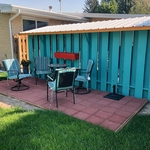
New Patio
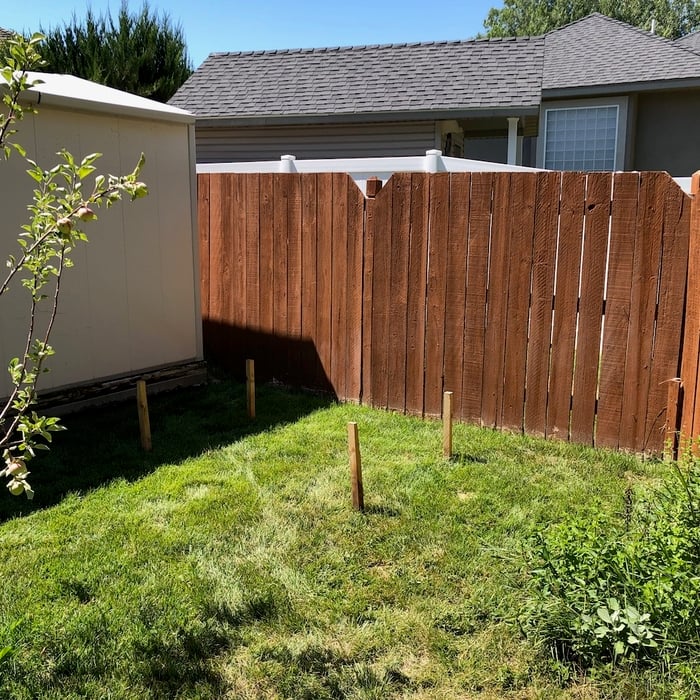
After paint but before patio is laid
Garden Arbor
Garden Arbor

+11

Response time7 hrs
Recommended by100%of homeowners
Avatar for Red Wind Management LLC
Red Wind Management LLC
5.0(
11
)
Appliance (Major Electric Appliance) - Install or Replace

Serving Shelley, ID and surrounding areas

Approved

In business since 2024

Emergency services offered

Warranties offered

"Jared P. did an amazing job for our family. He took out an old window, rotten wood, and sheetrock. He meticously informed us of each and every step he was taking. When he got into the job, he discovered there was more damage than originally thought. Instead of overcharging, he kept us in the loop and gave us option. We give our highest recommendation and will hire Jared P. for a future construction project that we have planned. The Andersons"
Apt Remodel
Apt Remodel
Apt Remodel
Apt Remodel
Apt Remodel

+5

2 neighbors recently requested a quote
...
Showing 1-10 of 55
Electrical questions, answered by experts

The key difference between a circuit breaker versus a surge protector is that circuit breakers shield your entire electrical system from overcurrents and faults, while surge protectors defend your electronic devices against voltage surges and spikes. A circuit breaker interrupts the flow of electricity in a circuit when it detects an overload or short circuit, protecting the wiring from damage and preventing fires. In contrast, a surge protector shields electronic devices from voltage spikes, such as those caused by lightning strikes or power surges, preventing damage to the device’s inner mechanics.

They’ll use more electricity than the average upright vacuum, but not remarkably more. Most power units plug into a standard 120-volt outlet and don’t have significant power demands. You shouldn’t notice an increase in electricity bills. If you have any specific questions about energy costs, ask your installer as you examine purchase decisions. Larger power units will need more electricity for their suction levels.

Most standard residential water heaters, which are typically around 40 gallons and use 240 volts and between 3,500 and 5,500 watts, require a 30-amp, two-pole circuit breaker. For smaller, point-of-use water heaters using 120 volts and between 1,500 and 3,000 watts, a 30-amp breaker is also often adequate. However, some models may have different needs; units that use more watts than average may require a 40-amp breaker, while smaller units might only need a 20-amp breaker. Newer, tankless, or more energy-efficient models can also require a higher amperage. Having the correct breaker size is crucial for safe and efficient operation, so it's best to consult a licensed electrician to determine the specific needs of your water heater.

How far you can run underground electric depends on the wire gauge (generally AWG) and the circuit voltage. Too much voltage drop in an electrical circuit can negatively affect performance, so the smaller the voltage drop, the better. Ideally, it shouldn't exceed 3%. The smaller the wire and the longer the run, the more significant the voltage drop. 

For example, with a 120-volt circuit, you can run 60 feet of 12 AWG cable without losing more than 3% voltage. With a 240-volt circuit, you can run 120 feet of 12 AWG wire while maintaining a voltage drop of 3% or less.

Yes, Christmas lights on a timer are just as safe as any other Christmas lights are. Most fires caused by holiday lights are due to damage to the strings of lights themselves or from too many lights being plugged into one circuit.

The Shelley, ID homeowners’ guide to electrical services

From average costs to expert advice, get all the answers you need to get your job done.