


Top-rated electricians.

Get matched with top electricians in Menan, ID

Enter your zip and get matched with up to 5 pros

TRUSTED BY MENAN, ID HOMEOWNERS

  • Average homeowner rating star icon4.7
    Average homeowner rating
  • Verified reviews icon65
    Verified electrical services reviews

Find Electricians in Menan

Avatar for Joshua Ashley LLC
Joshua Ashley LLC
5.0(
4
)

Serving Menan, ID and surrounding areas

Approved

In business since 2020

Free estimates

Credit card accepted

"J A Electric was on time, did the job faster than expected, and beyond my expectations. I would highly recommend them for any of your electrical needs. Five stars all the way. Clayton Brunson"
Response time1 day
Response rate89%
Avatar for Red Wind Management LLC
Red Wind Management LLC
5.0(
10
)

Serving Menan, ID and surrounding areas

Approved

In business since 2024

Emergency services offered

Warranties offered

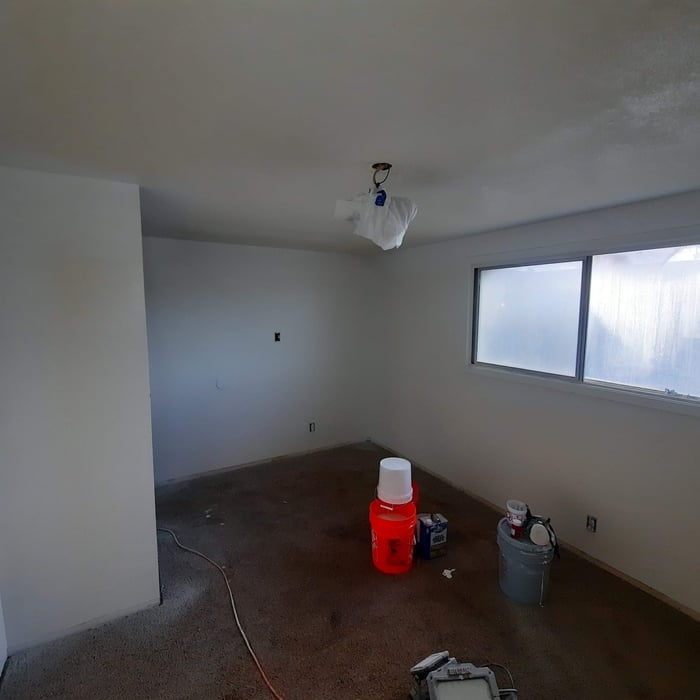
"Jared P. did an amazing job for our family. He took out an old window, rotten wood, and sheetrock. He meticously informed us of each and every step he was taking. When he got into the job, he discovered there was more damage than originally thought. Instead of overcharging, he kept us in the loop and gave us option. We give our highest recommendation and will hire Jared P. for a future construction project that we have planned. The Andersons"
Apt Remodel
Apt Remodel
Apt Remodel
Apt Remodel
Apt Remodel

+5

5 neighbors recently requested a quote
...
Showing 1-10 of 60
Electrical questions, answered by experts

Yes, electricians must be licensed, certified, and in most cases, insured. Licensing requirements vary by state and local municipality, but most U.S. municipalities require electricians to hold an electrical contractor’s license. It's always a good practice to confirm requirements with your local municipality. Even if licensing is not required in your area, hiring a licensed and experienced electrician often leads to a better end result.

A license is a legal requirement to operate a business and is necessary for pulling project permits. Certifications, on the other hand, are typically voluntary and demonstrate a certain level of expertise. In some cases, a certified electrician may send an apprentice or journeyman to perform the work, but they must operate under a primary electrician who holds the proper license.

Before hiring, you should verify the electrician's license, insurance coverage, and any third-party certifications. You can use Angi’s contractor licensing search to confirm a pro's license status. Additionally, businesses with the “Angi Approved” badge on our platform meet strict criteria, including having the required state and local licenses, passing a background check, and maintaining a high average rating.

The best place to put an electrical outlet depends on your needs. A good rule of thumb is to install outlets every 6 feet in large rooms. Hallways over 10 feet long need one electrical outlet minimum. 

If you find yourself needing extra plug-ins for all of your gadgets, you may want to increase the number of electrical outlets in your room. When adding outlets, keep in mind that older homes could have outdated electrical panels. In these cases, you may need a pro to upgrade you from 100-amp to 200-amp service before increasing the power load.

Yes, in some locations, it is required by the National Electric Code (NEC) to have a transfer switch installed for electrical emergencies. In addition to following electrical code, generator transfer switches ensure your home is fully protected during a power outage. By switching the power from the main breaker to the generator breaker, you can seamlessly operate your HVAC, lights, appliances, devices, and more during an emergency. 

Qualified, licensed electricians will charge from $50 to $100 per hour. The cost to hire an electrician for emergency visits may range from $100 to $200 per hour because this urgent service usually takes place during off hours and may require an electrician to leave or reschedule jobs they’re currently working on. Scheduling work on holidays or during periods of high customer demand, like after a major storm, will also lead to higher rates or extra fees.

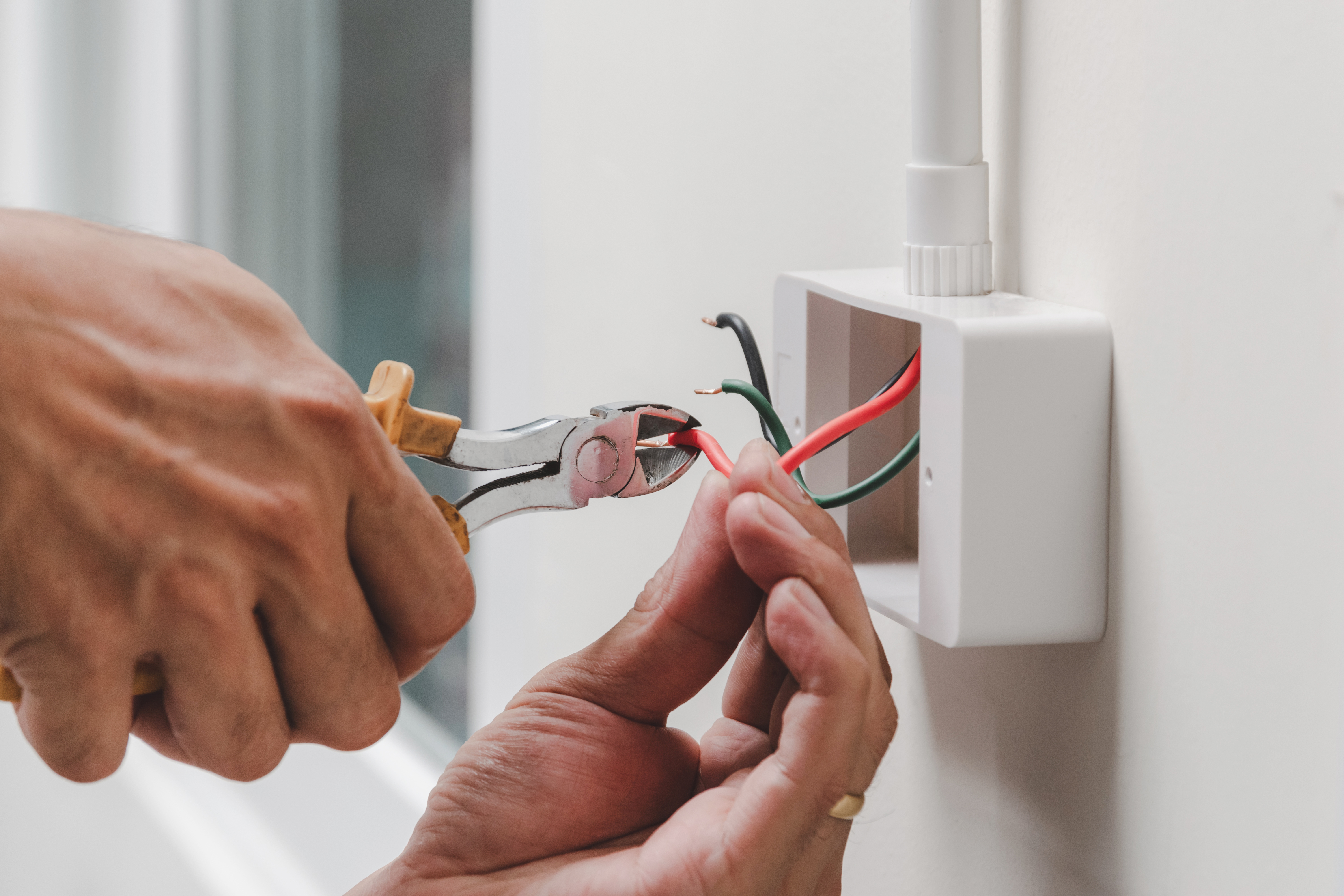
A ceiling light will usually have two or three wires: black, white, and sometimes green. Black wires are positive, or hot, while white wires are negative, or neutral. The green wire is the grounding wire. 

When you’re wiring the light, connect black to black, white to white, and green to the grounding screw.

The Menan, ID homeowners’ guide to electrical services

From average costs to expert advice, get all the answers you need to get your job done.