"The problem turned out to be a burned out small electric door switch. I believe the price was way too expensive for the service performed and the price of the door switch. What more can I say? It got done."
We are committed to excellence in every aspect of our business. We uphold a standard of integrity bound by fairness, honesty, and personal responsibility. Our distinction is the quality of service we bring to our customers. Accurate knowledge of our trade combined with ability is what makes us true professionals. Above all, we are watchful of our customers' interests, and make their concerns the basis of our business.
"I recently hired Red Wind Management to assemble two bedroom sets and a large sectional, and I couldn’t be happier with the experience. Their team was fast, efficient, and paid close attention to every detail. Communication was excellent throughout the process, and they cleaned up everything when they were finished—it was like they were never even there. The quality of their work and professionalism exceeded my expectations. I was so impressed that I plan to hire them again for additional projects around the house that we simply don’t have time to tackle ourselves. Highly recommend Red Wind Management!"
"Moses Buzinde is highly responsive! He answered right away even though it was late at night and was able to help me with my computer issue. I would highly recommend him!"
We take great pride in our experience, expertise, quality and customer service that we provide to meet every consumer's needs.\nIt is our mission to provide excellent customer service from start to completion of a project.\nTo understand the needs and expectations of our customers, we take great care to work and communicate with every customer in a personal and professional manner.\nOur reputation is based on service, safety and quality, regardless of how large or small the job.
"I am a property manager and I’ve hired Mr. Electric for multiple jobs. Very efficient, communication is great and very knowledgeable. Definitely recommend!!"
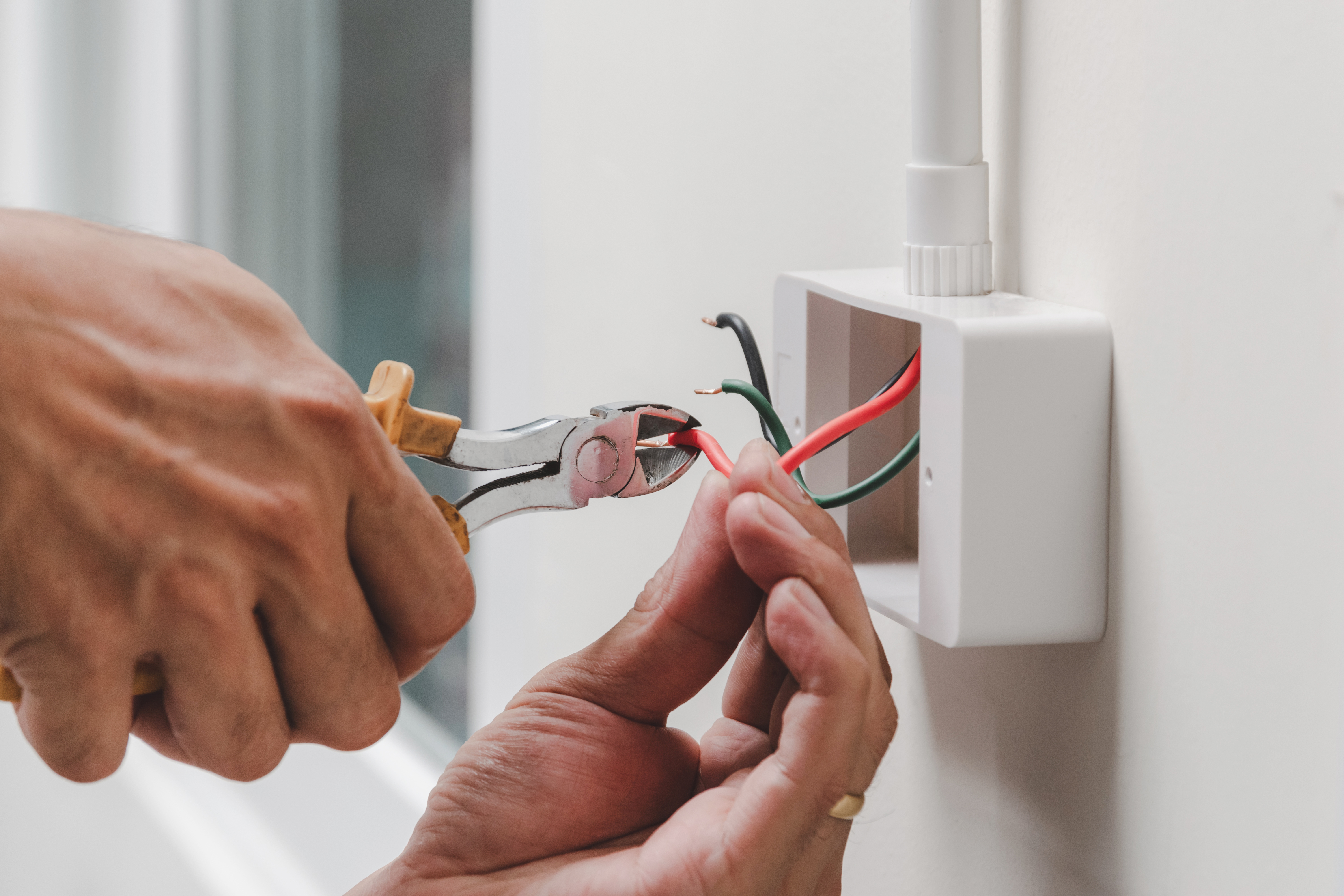
You’ll need to locate and hire an electrician near you if there’s an electrical project you don’t feel comfortable tackling yourself. Generally, look for a contractor that specializes in the type of appliance or component that you need help with. For wiring, outlets and similar projects, a general electrician is your best bet. For larger remodels, a general contractor will often take care of electrical projects via subcontractors.
Flickering lights, warm outlets, or tripped circuits needing immediate attention mean systems likely risk hazard scare.
Yes, splicing wires can cause a fire if the splicing is done incorrectly. This is why splicing wires is a task best handled by electricians. One of the most common mistakes made when splicing wires is not using a wire connector. Without a wire connector, electricity flows unsheathed and can result in a home electrical fire.
It’s a great idea to replace and update outlets, especially if an outlet stops working. New outlets work well with modern appliances and devices. Over time, outlets become old and worn—they can even become damaged, cracked, and burnt if the wiring is old and outdated. Old outlets and wiring can cause smoke, sparks, flickering lights, and an electrical fire.
Moving an electrical outlet typically costs between $25 and $300. The final price depends on several factors, including the type of outlet, the condition of your existing wiring, and the state of your walls. For example, working on exposed walls without drywall is easier and less expensive for an electrician. However, if the walls are finished, the cost may increase to account for necessary repairs afterward. It's recommended to consult a professional for a precise quote based on your specific situation.
The Terreton, ID homeowners’ guide to electrical services
From average costs to expert advice, get all the answers you need to get your job done.
Before you hire a licensed electrical contractor, you should learn the cost to run electric from the road to your house so you can budget for the project.
Whether you’re shopping for a new home or simply doing a safety check on your current place, learn what factors influence an electrical inspection cost.
Is it time to upgrade your electrical panel? For the sake of safety, find out sooner than later by exploring our top signs that it’s time for an upgrade.