



Top-rated electricians.

Get matched with top electricians in Groveland, ID

Enter your zip and get matched with up to 5 pros

Need a pro for your electrical service project in Groveland, ID?

Select your specific project to find the pro for you.

TRUSTED BY GROVELAND, ID HOMEOWNERS

  • Average homeowner rating star icon4.9
    Average homeowner rating
  • Verified reviews icon32
    Verified electrical services reviews

Find Electricians in Groveland

Avatar for Clemens Electric
Clemens Electric
5.0(
5
)
Electrical Switches, Outlets & Fixtures - Install or RepairElectrical for Home Addition or Remodel - InstallElectrical Wiring or Panel Upgrade+2 more

Serving Groveland, ID and surrounding areas

Approved

In business since 2023

Free estimates

Warranties offered

"Rylie came out to my house and took care of my electrical outlet problem in a timely manner. And he was very knowledgeable. We had a good discussion about maybe future projects too. Great work standards. I appreciate that. Thank you Rylie."
Response time2 days
18 neighbors recently requested a quote
Recommended by80%of homeowners
Avatar for Red Wind Management LLC
Red Wind Management LLC
5.0(
11
)
Appliance (Major Electric Appliance) - Install or Replace

Serving Groveland, ID and surrounding areas

Approved

In business since 2024

Emergency services offered

Warranties offered

"Jared P. did an amazing job for our family. He took out an old window, rotten wood, and sheetrock. He meticously informed us of each and every step he was taking. When he got into the job, he discovered there was more damage than originally thought. Instead of overcharging, he kept us in the loop and gave us option. We give our highest recommendation and will hire Jared P. for a future construction project that we have planned. The Andersons"
Apt Remodel
Apt Remodel
Apt Remodel
Apt Remodel
Apt Remodel

+5

2 neighbors recently requested a quote
...
Showing 1-10 of 64
Electrical questions, answered by experts

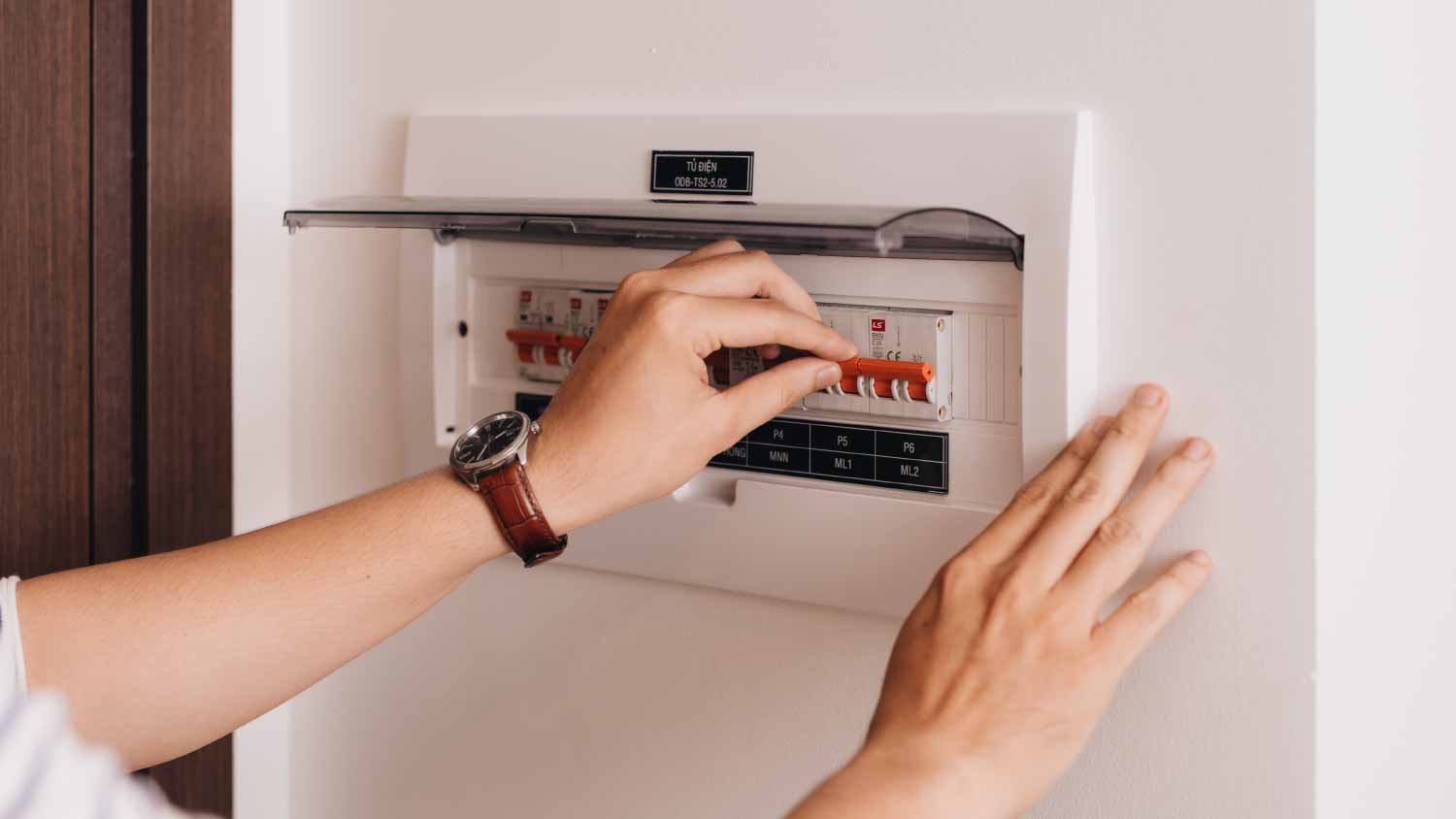
Although homeowners can turn off a breaker, it’s vital to follow safety precautions when doing so to prevent serious and potentially fatal injuries. For instance, you want to ensure there is no water on the floor when you touch the breaker and wear protective gear such as safety glasses. Anytime you deal with anything electrical, it’s always best to be as safe as possible.

Both can and canless lights have distinct advantages, and the better option depends on your specific needs and preferences. Canless lights are often preferred for modern homes due to their slim, low-profile design, energy efficiency, and ability to fit in tight spaces with less ceiling depth required. Can lights, or traditional recessed lights, provide a classic look and may be better for high ceilings or areas that need stronger, more focused light. While they can be durable, they typically require more ceiling space and installation work. Ultimately, you should choose canless lights for a modern look and energy savings, or opt for can lights for a traditional aesthetic and robust lighting in larger spaces.

The Occupational Safety and Home Administration (OSHA) requires an electrical panel to have a minimum of three feet (36 inches) of room from the front of the panel to the closest obstacle. In this case, the word obstacle refers to nearly everything, including walls, machines, and other fixed objects. Additionally, panels require at least 6½ feet of headroom in the area directly in front of the fixture. These requirements help ensure safe use of the panel and allow electricians plenty of room to work.

To determine if an electrical outlet is blown, look for visible signs of damage such as a burning or smoky smell, burn marks, or a melted or discolored plastic cover. If you notice a burning smell, contact an electrician immediately. Other signs include a plug that keeps falling out or the outlet not working when you test it with different devices. For further troubleshooting, you can use a voltage tester or multimeter to check for power; a reading of zero indicates a problem. Also, check your circuit breaker or fuse box to see if the circuit was tripped and reset it if necessary. If these steps don't resolve the issue, the outlet may need to be replaced.

While most electrical items can be plugged into a GFCI outlet, some appliances with internal or stationary motors, such as refrigerators, vent fans, and fluorescent lighting, can cause nuisance tripping. This happens because they experience a small, normal amount of current leakage, which can cause the GFCI to trip even when the appliance is working correctly. Although this is not a safety hazard, it can be inconvenient and may cause the GFCI outlet to wear out faster. For this reason, it is often better to plug these types of appliances into a standard outlet. Additionally, electrical circuits over 100 feet long can sometimes cause tripping. Some appliances, like hair dryers, have their own built-in GFCI protection, so connecting them to a standard outlet is fine.

The Groveland, ID homeowners’ guide to electrical services

From average costs to expert advice, get all the answers you need to get your job done.