






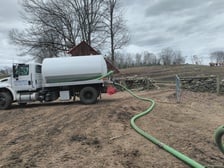
Top-rated septic tank pros.

Get matched with top septic tank pros in Plainfield, CT

Enter your zip and get matched with up to 5 pros

Need a pro for your septic tank service project in Plainfield, CT?

Select your specific project to find the pro for you.

TRUSTED BY PLAINFIELD, CT HOMEOWNERS

  • Average homeowner rating star icon4.9
    Average homeowner rating
  • Verified reviews icon92
    Verified septic tank services reviews

Find Septic tank pros in Plainfield

Avatar for Stone Building Systems, LLC
Stone Building Systems, LLC
5.0(
5
)

Serving Plainfield, CT and surrounding areas

In business since 2008

Free estimates

Offers commercial services

"Paul is extremely knowledgeable about excavation work and more specifically septic systems. I have used Paul on several projects from small tank, repairs to large engineered systems, and each time he delivers a perfect project, within our timeframe and at a reasonable price. I would highly recommend Paul and his team."
Septic Repair
Septic Repair
Response time6 hrs
Recommended by100%of homeowners
Avatar for 365 Septic LLC
365 Septic LLC
5.0(
4
)

Serving Plainfield, CT and surrounding areas

In business since 2021

Free estimates

Credit card accepted

"Five stars for 365 Septic! Dylan was prompt, personable, extremely efficient, and very competitively priced. Can’t recommend this company highly enough!"
Response time10 mins
Recommended by66%of homeowners
Septicology, LLC
5.0(
3
)

Serving Plainfield, CT and surrounding areas

In business since 2017

Free estimates

Small jobs welcome

"We have been using Septicology for our clients' septic system inspections and certifications for about one year now. Daniel presents a professional demeanor and his detailed reports include complete documentation of testing results including photos of all conditions he is seeing. We are very pleased with Daniel's great services and pricing and will continue using Septicology, LLC."
Response time2 days
Recommended by100%of homeowners
Showing 1-10 of 23
Septic Tanks questions, answered by experts

A well pressure tank typically lasts between 5 and 15 years. However, its lifespan can be influenced by several factors. High-quality, appropriately sized tanks tend to last longer, with some top-of-the-line models lasting up to 30 years. Regular annual maintenance, including inspections, cleaning, and prompt repairs, is crucial for extending the tank's life. Water quality also plays a significant role; water with high levels of sediment, minerals, or rocks can cause premature wear. Overworking an undersized tank can also limit its lifespan.

Deciding between an engineered septic system and a conventional one depends on property size, soil quality, local regulations, and environmental factors. If your property has limited space, poor soil, or is close to sensitive environmental features, an engineered system may be required. Professional site evaluations, considering water usage, long-term plans, and budget constraints, can help determine the appropriate choice. Consulting with a septic system professional is crucial for ensuring compliance with regulations and selecting the best system for your property's unique needs.

A septic system can fail for various reasons, and most commonly, excessive water use or sudden surges in wastewater can overwhelm the system's capacity. Neglecting regular maintenance, like tank pumping and inspections, can also lead to clogs, leaks, and eventual breakdowns. Other issues that lead to failure include age-related wear and tear, root infiltration, improper disposal of non-biodegradable materials or chemicals into the system, unsuitable soil conditions, physical damage, and even environmental factors like flooding or soil erosion.

The best times of year to pump or empty a septic tank are spring and fall. Many professionals recommend spring because the ground has thawed, making the tank easier to access, and any snowmelt or rainfall can aid in proper drainage. Pumping before summer is also ideal to avoid conflicts with vacations or outdoor gatherings.

Fall is another great option, as contractors may be less busy than in the spring. Servicing the tank in late fall or early spring can also reduce the risk of overflow from extra precipitation during winter and spring.

While summer is a possibility, winter is generally not recommended. The ground is often frozen, which can make it difficult to access the tank, and the waste inside may also be frozen.

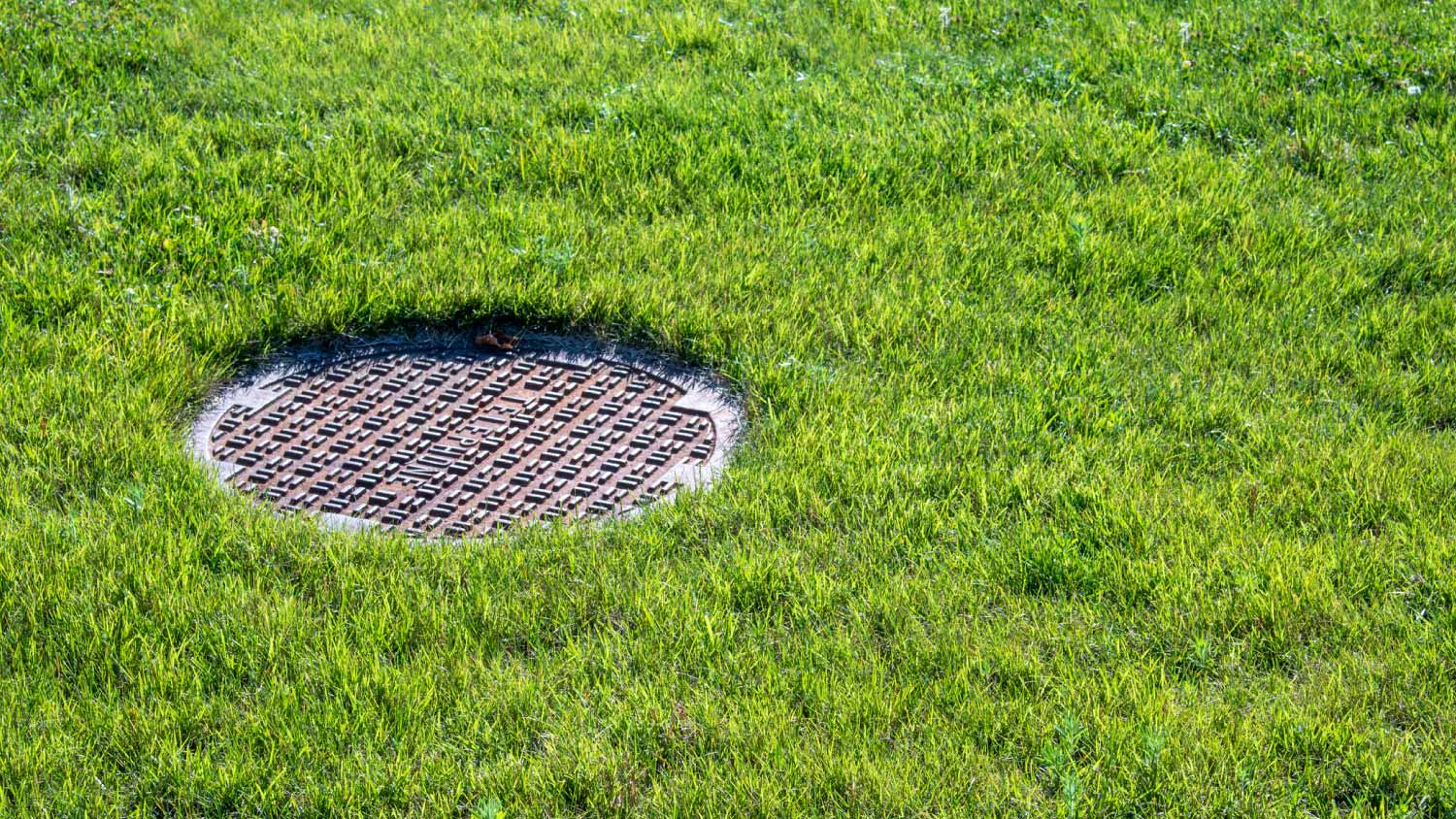
Start by finding the septic tank, marked by an access lid near your home. From there, the drain field extends outward in a series of trenches. Look for greener, lusher grass, as drain fields promote plant growth due to moisture and fertilizer. You can also check property records, use a soil probe to detect damp soil, or hire a septic professional with ground-penetrating radar equipment to map the drain field’s location.

The Plainfield, CT homeowners’ guide to septic tank services

From average costs to expert advice, get all the answers you need to get your job done.