

Replacing a drain field requires digging up quite a bit of land and involves a decent amount of testing. Using this guide, you’ll learn how much it costs to replace a drain field based on a few key factors such as size and type of septic system.
Septic tanks and leach fields go hand-in-hand

Traditional septic systems require a leach field because the septic tank alone has nowhere to send wastewater after it collects in the tank.
Expect to pay $2,000 to $20,000 for a new leach field, with mound systems costing $10,000 to $20,000 and drip distribution systems ranging from $8,000 to $18,000.
Your property can support alternative septic systems like mound, drip distribution, or sand filter systems when shallow soil or high water tables prevent traditional leach field installation.
Hiring a local septic tank company provides reliable guidance on system types and installation requirements, especially when your property limits traditional leach field options.
A leach field plays a pivotal role in your septic system, guiding waste out of your pipes and back into the soil. Unfortunately, they can take up a lot of space in your yard and are often expensive to install, which might make you wonder: Can you have a septic tank without a leach field? Not really, but there are alternatives, which we’ll cover below.

If your home isn’t connected to the public sewage system, you’ll need a septic system to get rid of your household waste safely. One of the key components of a septic system is the septic tank, which collects all of the wastewater that leaves your home through your toilets, drains, washing machines, and other plumbing fixtures.
Most septic tanks are underground, but there are certain cases where you might need an above-ground septic tank (for example, if you don’t have much space on your property or the soil isn’t suited for burying a septic tank).
The cost of a septic tank depends on a few factors, including its size and material. As you might expect, the larger the tank, the more expensive it is. For instance, a 500-gallon septic tank costs anywhere from $500 to $900, whereas a 1,500-gallon tank runs between $1,500 and $2,500.
In terms of materials, plastic septic tanks are the most affordable, with an average price of $500 to $2,500 (without installation or labor). Concrete tanks tend to be the priciest, at $700 to $2,000. Not sure which type of septic tank is right for you? Reach out to a local septic tank company to discuss your options.
Also known as a drain field, a leach field is another part of your septic system. It receives wastewater from the septic tank and releases it into a set of buried pipes, which push the wastewater into the soil. With proper maintenance, your leach field can last up to 50 years.
If you need to install a new leach field or replace an existing one, the price you pay will depend on the type of septic system and the size of your field. You’ll pay more if you need a larger field or if you have a more advanced septic system (such as a mound system). A new leach field generally costs between $2,000 and $20,000 (for an average price of $6,000).
Unfortunately, you can’t have a conventional septic tank without a leach field. Otherwise, the wastewater wouldn’t have anywhere to go after it reaches your tank. So, instead of seeping into the soil, your waste would sit in the tank and start coming back into your house when the tank fills up. Without a leach field, you’d have to get your tank pumped regularly—which isn’t a practical or financially savvy decision.
If your property isn’t suitable for a leach field, there are alternative types of septic systems to consider. Each one still has its own version of a drain field, but they aren’t as deep or extensive as a traditional leach field. Here are some of your options.
Mound systems are a type of engineered septic system typically installed in places with shallow soil or high water tables. Instead of using an underground drainage system, the leach field on this type of septic system sits above the earth’s surface in the form of an elevated mound of sand.
In a mound system, wastewater gathers inside the septic tank. Then, it goes into a pump chamber, where it’s pumped into a gravel and sand mound. Eventually, it filters through the sand and down into the soil. On average, these types of systems cost between $10,000 and $20,000.
Drip distribution septic systems rely on a system of underground tubes to disperse wastewater back into the soil. The difference is that these pipes are buried just below the surface, so you can access them more easily than traditional leach field pipes.
Like other types of septic systems, drip distribution systems have a septic tank that collects wastewater from your home. After that, it goes into a large dosing tank, where it’s released into the tubes (and, from there, the soil). You’ll likely pay between $8,000 and $18,000 to install a drip distribution system. You should also be aware that these systems use electricity to pump the wastewater at timed intervals, so that will increase your operating costs, as well.
Similar to mound systems, sand filter septic systems perform well on properties with a high water table or shallow soil. They have a sand-filled box that’s lined with either PVC or concrete, which can be either above or below ground.
They work by pushing wastewater into a septic tank that connects to a pump chamber. It’s then pumped into a layer of sand and filters through the sand-filled box until it reaches the drain field underneath. If you choose a sand filter septic system, you can expect to pay between $7,000 and $18,000 to get it up and running.
I recently moved to another state and chose United Trust Van Lines after comparing several companies. Their team was punctual, professional, and extremely careful with my belongings. I was especially impressed with how they handled my home office setup and fragile items. Everything arrived on...
 United Trust Van Lines, LLC
Positive experience. As previously stated, the replacement/repair could not be completed (no fault of the plumbing tech) b/c misinformation was rec?d by property management maintenance. Thanks to the plumbing tech for your efforts. Appreciate you!
 The Waterworks
As usual with ECO, tech Jordan was outstanding, very professional, very knowledgeable, and very thorough with repairs made to tankless water heaters. Very highly recommend ECO!!!
 Eco Plumbers, Electricians, and HVAC Technicians
I would recommend this company to anyone! He showed up on time, was friendly, completed a very difficult repair on our dryer vent cover, was responsive, and pricing was extremely fair and competitive. I would have him back to do any of our repairs or cleanings without hesitation!
 U.S.A. Dryer Vent, LLC
Best cleaning I've had at my property
I'm a repeat customer of All Star Paving & Sealing and I appreciate the service that all start paving has done for me in the past. I just recently had them out for an estimate and things couldn't have gone better. The staff that they send out to do the estimates are very knowledgeable. The...
 All Star Paving and Sealing
Supreme Brick & Chimney is one of the best service providers I’ve interacted with. Extremely efficient, knowledgeable, and thorough. They took the time to walk me through their detailed full-service inspection and were extremely professional. Not to mention their turnaround time was...
 Supreme brick & chimney
They were great! They were thorough and efficient and paid attention to the details. Definitely recommend. I'm definitely going back!
 FIFI'S EARTH FRIENDLY CLEANING
Storms Mobile Welding was great to work with. They were prompt, professional and did an overall excellent job on the project. I highly recommend.
Great experience all together. Dog friendly, courteous, great results and honest with recommendations. Will certainly be using Cardinal in the future for any carpet repairs
 Cardinal Carpet Care & Repair
From average costs to expert advice, get all the answers you need to get your job done.
Replacing a drain field requires digging up quite a bit of land and involves a decent amount of testing. Using this guide, you’ll learn how much it costs to replace a drain field based on a few key factors such as size and type of septic system.
A small septic tank system is ideal for spaces with minimal needs, such as a one-to-two-bedroom apartment or guest house. A small septic tank contains 750 or 1,000 gallons. We’ll cover everything that factors into your small septic system cost here.
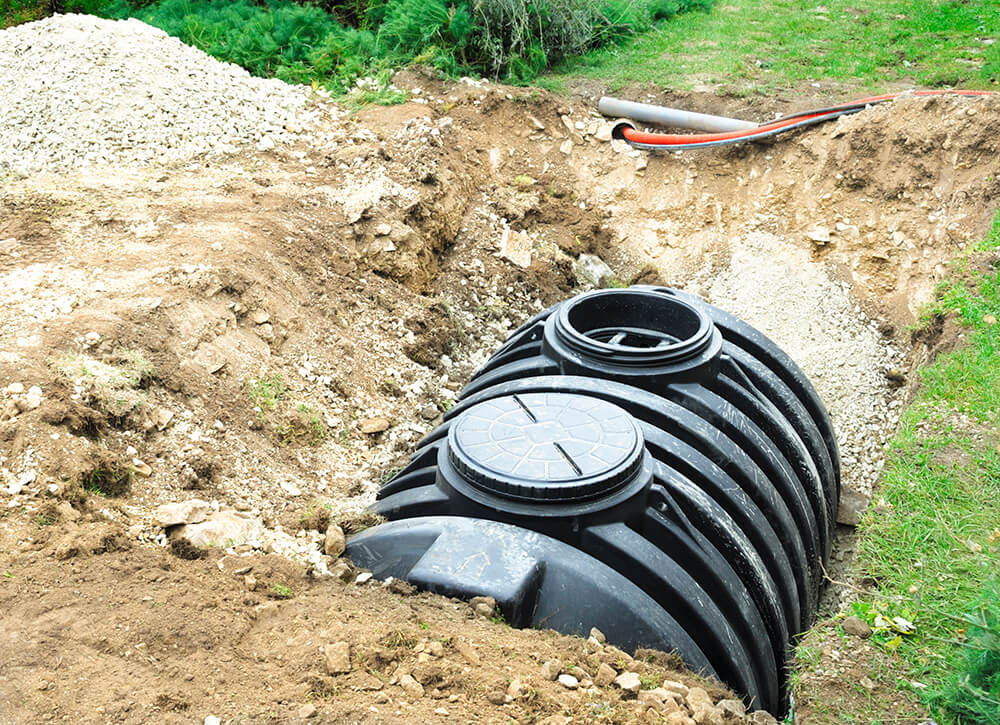
How much does a septic system cost? Explore impacting factors, important add-ons, and how you can save money on septic system installation right here.
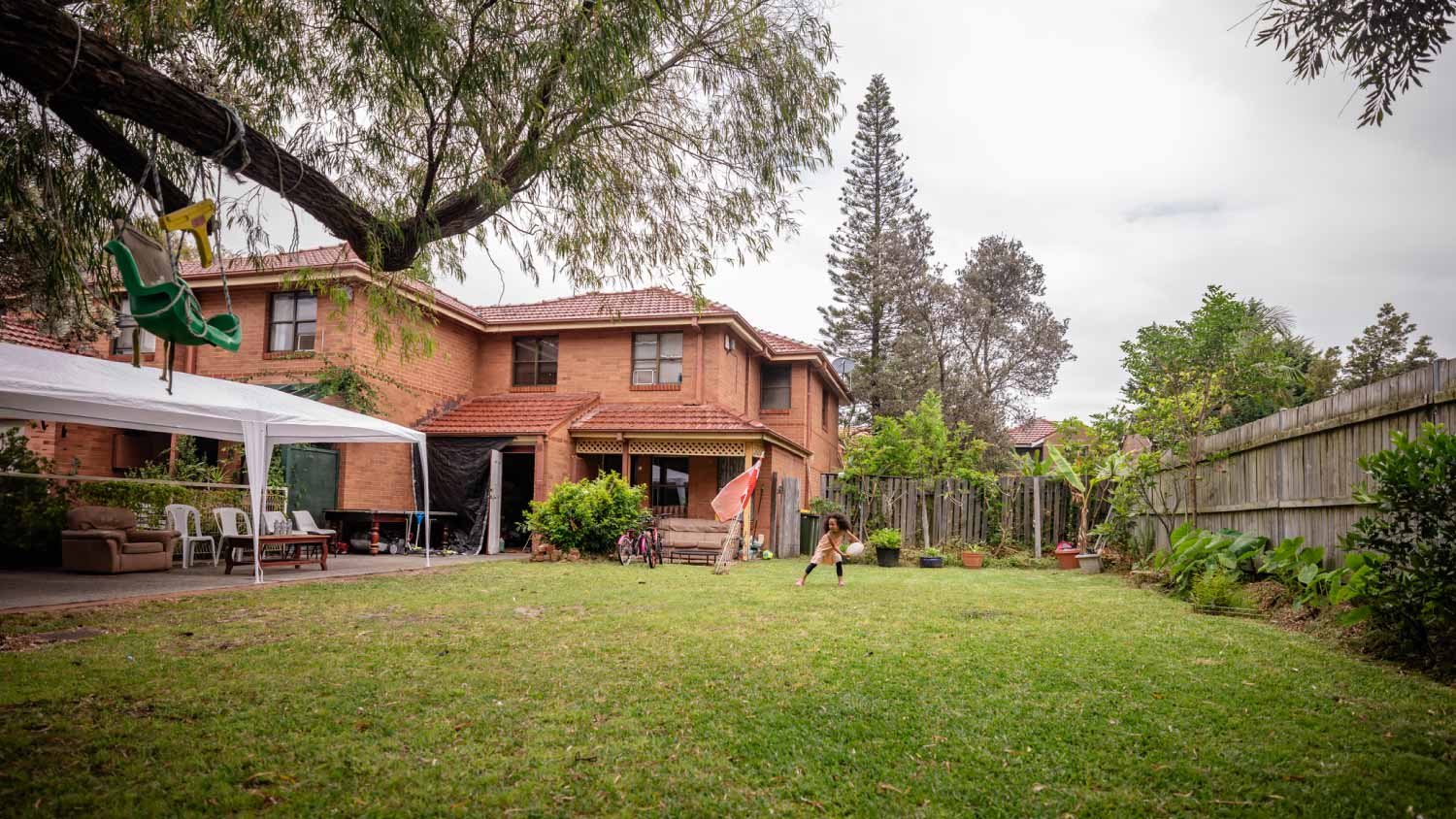
How much weight can a leach field hold? To avoid damaging it, focus on items with limited weight when deciding what to put over the top of the leach field.

Not sure what you can put over your septic field? Use this guide to keep your leach field safe from damage and avoid issues with percolation.

A leach field treats and disperses water from a septic system. Find out more about seven common leach field problems and how they can impact your septic system.