


Top-rated septic tank pros.

Get matched with top septic tank pros in Yantic, CT

Enter your zip and get matched with up to 5 pros

Need a pro for your septic tank service project in Yantic, CT?

Select your specific project to find the pro for you.

TRUSTED BY YANTIC, CT HOMEOWNERS

  • Average homeowner rating star icon4.7
    Average homeowner rating
  • Verified reviews icon125
    Verified septic tank services reviews

Find Septic tank pros in Yantic

Avatar for Drain Blasters
Drain Blasters
5.0(
9
)
Septic System - Install or ReplaceSeptic System - Install or Replace - For BusinessSeptic System - Repair+3 more

Serving Yantic, CT and surrounding areas

In business since 2020

Emergency services offered

"Showed up quickly performed the work they said they would do for the price. everything was straightforward and simple and they left us with a color video of the inside of my septic system which was super cool and well worth the $950 for the peace of mind of knowing what’s in the ground. ❤️❤️❤️"
Recommended by100%of homeowners
Flushaway Septic Tank Cleaning Inc
5.0(
3
)
Septic System - Install or ReplaceSeptic System - Install or Replace - For BusinessSeptic System - Repair+3 more

Serving Yantic, CT and surrounding areas

In business since 2015

Emergency services offered

Credit card accepted

"The septic tank had not been cleaned for over 10 years. Bill, from Flushaway Septic came within an hour and a half of my phone call. He explained what had to be done after opening up the septic tank and did the job promptly and neatly leaving the area perfectly clean. He charged $275 for a total pump out with lots of solid waste. He explained how to keep the tank clean and suggested a cleaning every 3 years. I highly recommend him to anyone needing this service."
Recommended by100%of homeowners
Showing 1-10 of 26
Septic Tanks questions, answered by experts

The pressure in a well pressure tank should be set 2 to 3 PSI below the pump's cut-on pressure. The cut-on pressure is the lower number in the pressure setting (e.g., the '30' in 30/50 PSI) and is the point at which the pump starts. The cut-out pressure is the higher number, where the pump stops.

For example:

  • If your pressure switch is set to 30/50 PSI, the tank pressure should be 27-28 PSI.

  • If your pressure switch is set to 40/60 PSI, the tank pressure should be 38 PSI.

Common pressure settings for household applications include 20/40, 30/50, and 40/60 PSI. The difference between the cut-on and cut-out pressure is typically 20 PSI.

Conventional anaerobic septic systems are the most cost-effective and least expensive type, with installation costs typically ranging from $3,000 to $8,000. For comparison, sand filter systems cost between $7,000 and $18,000, while mound systems are the most expensive at $10,000 to $20,000. Several factors influence the final price. The tank material is a key consideration; plastic tanks are the most budget-friendly option, starting around $2,900, but concrete and fiberglass tanks offer greater durability and longer life spans at a higher cost. The size of the tank also affects the price. For example, a 1,000-gallon tank costs between $900 and $1,500, whereas a larger 1,500-gallon tank costs $1,500 to $2,500.

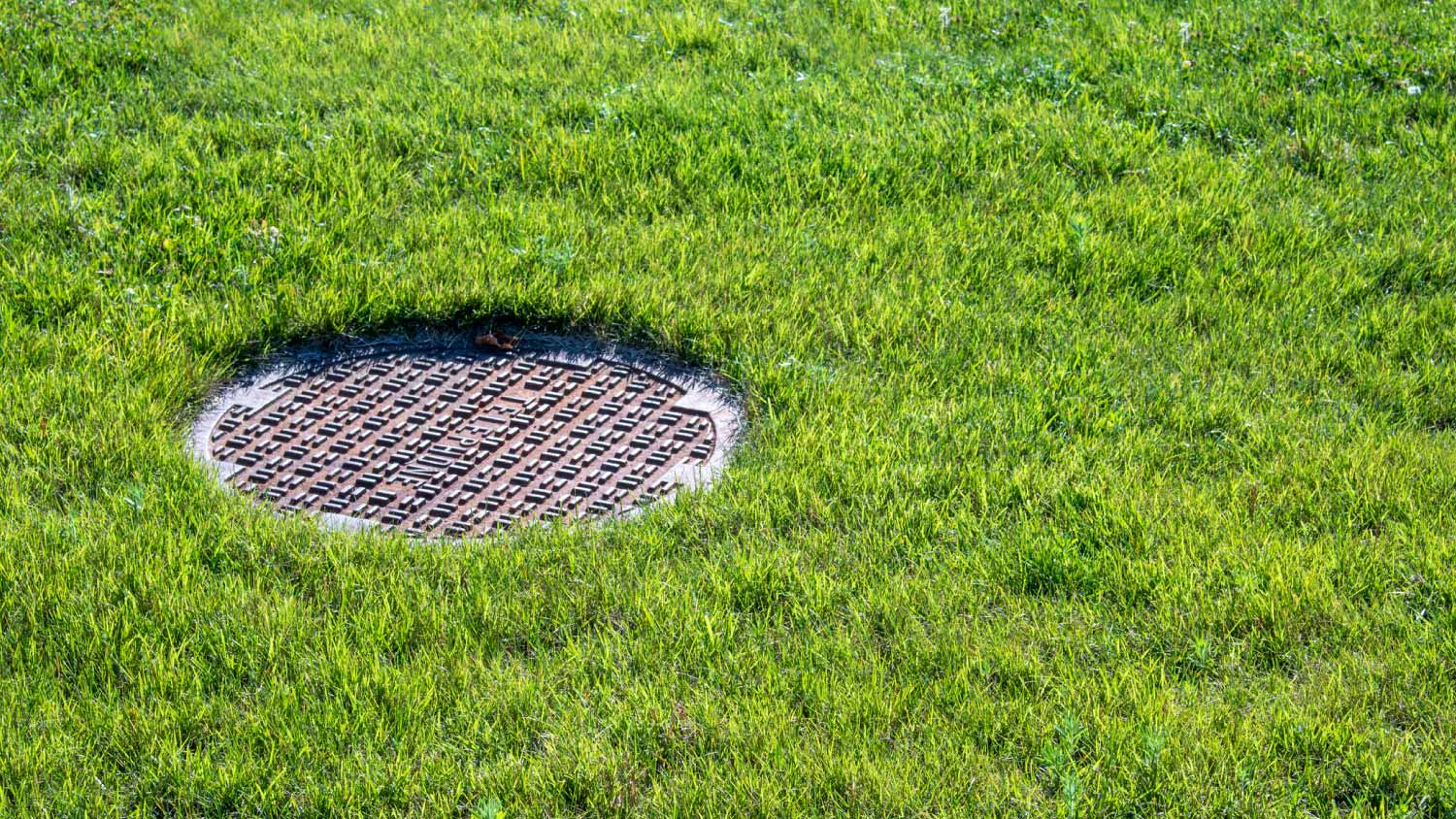
Common signs that a septic tank is full include plumbing issues, odors, and changes in your yard. You may notice wastewater or sewage backing up into your home's drains, or that sinks, tubs, and toilets are draining slowly. Gurgling or bubbling sounds from the pipes are also a key indicator. Outside, you might smell foul sewage odors around your house or the septic tank area. Look for pooling water, spongy soil, or a marshy environment around the drain field. Another tell-tale sign is a patch of grass over the septic system that is suddenly lusher and greener than the rest of your lawn. If you notice any of these signs, you should contact a septic professional for an inspection and pumping.

You may want to increase the size of your leach field, for instance, if you add on to your home or install more bathrooms in your house. You can make your leach field larger by installing more pipes or expanding the area of the field itself. Improving the soil quality in the drain field can also make it more effective without increasing the area.

The easiest thing you can do to prolong the life of your septic system is to adopt septic-safe practices. This includes not flushing non-biodegradable items, chemicals, or excessive grease down drains and scheduling regular septic tank pumping to prevent buildup. It’s also important to fix plumbing leaks promptly and to practice water conservation to avoid overloading the system. To maintain your drain field, avoid heavy vehicle traffic and plant shallow-rooted vegetation in the area. Most importantly, invest in routine inspections and maintenance to detect and address issues early.

The Yantic, CT homeowners’ guide to septic tank services

From average costs to expert advice, get all the answers you need to get your job done.