

A damaged septic system can leak odors and sewage, so repairs are urgent. Find out how much septic tank repair costs based on repair type, tank size, and more.
Septic tank service costs depend on your project and location. Check with a local pro for your specific job.


Professional septic tank pumping costs between $292 and $565, depending on your tank size and access.
Your tank size and water use set your pumping schedule, and larger families need service every two to three years.
Your budget should include inspections at $250 and up, plus clog removal or sewer line inspection for problems.
Hiring a local septic tank cleaning professional ensures waste disposal, protects your yard, and helps your septic system last longer.
In 2026, the national average cost to pump a septic tank is $428, based on data from 6,850 verified projects by Angi Pros. Most homeowners pay between $292 and $565, with tank size, accessibility, and how long it's been since the last service driving most of that spread. Staying on a regular pumping schedule every three to five years helps you avoid bigger problems down the road.
The two main factors that drive septic tank pumping costs are tank size and household usage.
Septic tank pumping costs range from $250 for a small septic tank for one toilet to $700 or more for a 2,000-gallon tank. Most homes use tanks in the 1,000 to 1,500-gallon range, which fall in the middle of that cost spectrum. Here is a breakdown of how septic tank pumping costs vary by tank size:
| Septic Tank Size | Average Cost in 2026 |
|---|---|
| 750 gallons | $250–$550 |
| 1,000 gallons | $325–$700 |
| 1,250 gallons | $375–$900 |
| 1,500 gallons | $450–$1,100 |
| 1,750 gallons | $550–$1,250 |
High household usage, such as running large amounts of water, using the garbage disposal frequently, or hosting gatherings regularly, means your tank fills faster and needs to be pumped more often. Larger tanks take longer to reach capacity, so they can go longer between pumpings compared to smaller tanks under the same usage conditions.
Alan and Colby did a great job for us. The water was slow to drain and they found out right away what was wrong. They drained the tank brought the septic tank up to code and drained the septic field of all fluid. They were both professional and friendly throughout and my wife and I appreciated everything they did. They very much went above and beyond and we will immediately contact them if we need any further or future work done on our system. Use this company if you have any septic system problems. They really deserve more than 5 stars. Thanks Alan and Colby, Eddie and Joy.
Skipping your recommended pumping schedule of every three to five years can cause solids to accumulate and reduce your tank's holding capacity, eventually leading to a clog. The table below breaks down how often you should pump your septic tank based on the size of your tank and your home:
| Septic Tank Size | Home Size | Average Pumping Frequency |
|---|---|---|
| 500 gallons | 1 bedroom | 5 years |
| 750 gallons | 2 bedrooms | 5 years |
| 1,000 gallons | 3 bedrooms | 3 years |
| 1,250 gallons | 4 bedrooms | 3 years |
| 1,500 gallons | 5 bedrooms | 2 to 3 years |
| 1,750 gallons | 6+ bedrooms | 2 years |
Seasonal demand and weather conditions both affect what you pay for septic tank pumping throughout the year. Winter is the least ideal time to schedule service in cold climates, since frozen ground and icy conditions make tank access harder and drive up labor and equipment costs. Spring brings the highest demand, which can push prices up, so booking in summer or early fall, when demand is lower, is a practical way to avoid the seasonal premium.
Difficult tank access, whether the tank sits under a deck, on uneven terrain, or is buried unusually deep underground, increases the effort required to complete the job and raises your overall pumping cost. Budget for a higher fee any time your tank's location presents an obstacle for the service crew.
Pumping your septic tank every three to five years is one of the most important septic maintenance tasks. When you combine that with flushing only approved items (toilet paper and waste) and avoiding driving over your drain field, you have a recipe for a long-lasting septic system.

According to data from Angi customers, most homeowners (32.9%) have a pro clean their septic tank every one to four years. However, 24.5% of homeowners don't know how often they get their septic tank cleaned. If you don't know the last time you got your system cleaned, reach out to a septic company ASAP.
Where you live has a significant impact on septic tank pumping costs, with urban areas generally incurring higher costs than rural areas because of the added complexity of maneuvering equipment in densely developed settings. Costs also vary considerably from city to city: Minneapolis homeowners often pay $175 to $275, while the same service in Portland, Oregon, can reach up to $750. See how location affects your total cost of pumping a septic tank in the breakdown below:
| Location | Average Cost in 2026 |
|---|---|
| Portland, OR | $440–$750 |
| Boise, ID | $250–$440 |
| Denver, CO | $260–$350 |
| Little Rock, AR | $260–$510 |
| Phoenix, AZ | $360–$600 |
| Minneapolis, MN | $175–$275 |
| Milwaukee, WI | $245–$320 |
| Jacksonville, FL | $245–$435 |
| Concord, NH | $255–$330 |
| Long Island, NY | $275–$515 |
Septic tank pumping is just one part of properly maintaining a home's septic system, and several additional services contribute to the total cost of ownership over time. Consider these ongoing costs of owning a septic system:
| Service | Average Cost in 2026 |
|---|---|
| Overflow cleanup | $7–$15 per sq. ft. |
| Inspections | $250–$1,175 |
| Maintenance | $100–$1,000 |
| Tank cleaning | $400–$1,000 |
| Clog removal | $1,700 |
| Field aeration | $10,000–$20,000 |
| Septic tank additives | $300–$600 |
The average price for a sewer line inspection is $450, though costs can range from $250 to $1,175 depending on the job's complexity. During the inspection, a plumber uses a camera to look for issues that could lead to expensive repairs down the road, including line breakage, embedded objects, tree roots, and rocks.
Clog removal is the most common septic tank repair, averaging approximately $1,700, and it typically involves using an auger to clear whatever has made its way down the drain. You may not realize there is a clog until you notice slow draining, standing water near the tank, bad odors, gurgling sounds in the plumbing, or sewage bubbling up from toilets, drains, or sinks.
Annual tank inspections and maintenance help catch problems early and give a technician the opportunity to tell you when your tank is due for pumping. Septic tank maintenance costs between $100 to $1,000 depending on the scope of service.
Field aeration is a way to revive a sluggish septic system without replacing the full leach field, converting it from an oxygen-free anaerobic environment to an oxygen-rich aerobic one. This upgrade costs between $10,000 and $20,000, making it a significant investment but a less disruptive alternative to a full leach field replacement.
If sewage spills into your yard, professional cleanup is often the safest route to restore the area to a hygienic condition, with pros using bleach, water, or lime to disinfect and break down waste. Outdoor sewage cleanup costs an average of $7 to $15 per square foot, so the total bill depends on how much of your yard is affected.
Septic tank cleaning averages $400, though large tanks can push that cost closer to $1,000. The size of your tank is the primary driver of where your cleaning bill lands within that range.
A local septic tank cleaner will cost homeowners between $200 and $1,275 , but that includes labor costs, and since you can't DIY this project, it's not a cost you can avoid. There's also the risk of environmental contamination and legal issues if the tank is improperly pumped. However, there are plenty of benefits to having a pro clean out your system that you may not have considered.
Hiring a pro comes with benefits other than just having the right equipment for the job, including:
Ensuring the waste is disposed of properly
Having the right licenses and insurance for the work performed
Possessing the required trucks and pumps
Familiarity with digging in case there is a part of the system that needs to be unearthed
Opportunity to inspect your tank for damage
Extends the life of your septic system by many years
Ensures your drainage field isn't damaged in the pumping process

Pumping your septic tank doesn't have to drain your bank account. Some septic tank maintenance tips can help you save on septic tank pumping costs without neglecting this important task.
Put a family meeting on the schedule for debunking septic tank myths about what you can and can't flush. Only flush toilet paper and human waste.
Never pour chemicals down the drain. If you think your tank needs some help, call a pro to take care of it.
Don't drive or park cars or heavy machinery over your leach field.
Don't pump your tank too frequently, but do stick to a regular pumping schedule.
"Don't skip pumpings," says Joseph Wood, Angi Expert Board Review member and Master Plumber at Boston Standard company. "An ounce of prevention is worth a pound of cure, as the damage from a sewer backup in your home can be catastrophic."
Gather the following items: utility maps of your yard, drawings or diagrams of the septic system, the system's paperwork, receipts for past work performed, and receipts for any septic treatments added.
Ask for a detailed quote and compare at least 2 quotes before choosing who to hire.
Discuss how they charge for disposal, whether that’s by tank size or a flat rate.
Home is the most important place on earth, which is why Angi has helped more than 150 million homeowners transform their houses into homes they adore. To help homeowners with their next project, Angi provides readers with the most accurate cost data and upholds strict editorial standards. We’ve surveyed thousands of real Angi customers about their project costs to develop the pricing data you see, so you can make the best decisions for you and your home. We pair this data with research from reputable sources, including the U.S. Bureau of Labor Statistics, academic journals, market studies, and interviews with industry experts—all to ensure our prices reflect real-world projects.
Want to help us improve our cost data? Send us a recent project quote to [email protected]. Quotes and personal information will not be shared publicly.
I recently moved to another state and chose United Trust Van Lines after comparing several companies. Their team was punctual, professional, and extremely careful with my belongings. I was especially impressed with how they handled my home office setup and fragile items. Everything arrived on...
 United Trust Van Lines, LLC
Positive experience. As previously stated, the replacement/repair could not be completed (no fault of the plumbing tech) b/c misinformation was rec?d by property management maintenance. Thanks to the plumbing tech for your efforts. Appreciate you!
 The Waterworks
As usual with ECO, tech Jordan was outstanding, very professional, very knowledgeable, and very thorough with repairs made to tankless water heaters. Very highly recommend ECO!!!
 Eco Plumbers, Electricians, and HVAC Technicians
I would recommend this company to anyone! He showed up on time, was friendly, completed a very difficult repair on our dryer vent cover, was responsive, and pricing was extremely fair and competitive. I would have him back to do any of our repairs or cleanings without hesitation!
 U.S.A. Dryer Vent, LLC
Best cleaning I've had at my property
I'm a repeat customer of All Star Paving & Sealing and I appreciate the service that all start paving has done for me in the past. I just recently had them out for an estimate and things couldn't have gone better. The staff that they send out to do the estimates are very knowledgeable. The...
 All Star Paving and Sealing
Supreme Brick & Chimney is one of the best service providers I’ve interacted with. Extremely efficient, knowledgeable, and thorough. They took the time to walk me through their detailed full-service inspection and were extremely professional. Not to mention their turnaround time was...
 Supreme brick & chimney
They were great! They were thorough and efficient and paid attention to the details. Definitely recommend. I'm definitely going back!
 FIFI'S EARTH FRIENDLY CLEANING
Storms Mobile Welding was great to work with. They were prompt, professional and did an overall excellent job on the project. I highly recommend.
Great experience all together. Dog friendly, courteous, great results and honest with recommendations. Will certainly be using Cardinal in the future for any carpet repairs
 Cardinal Carpet Care & Repair
From average costs to expert advice, get all the answers you need to get your job done.
A damaged septic system can leak odors and sewage, so repairs are urgent. Find out how much septic tank repair costs based on repair type, tank size, and more.
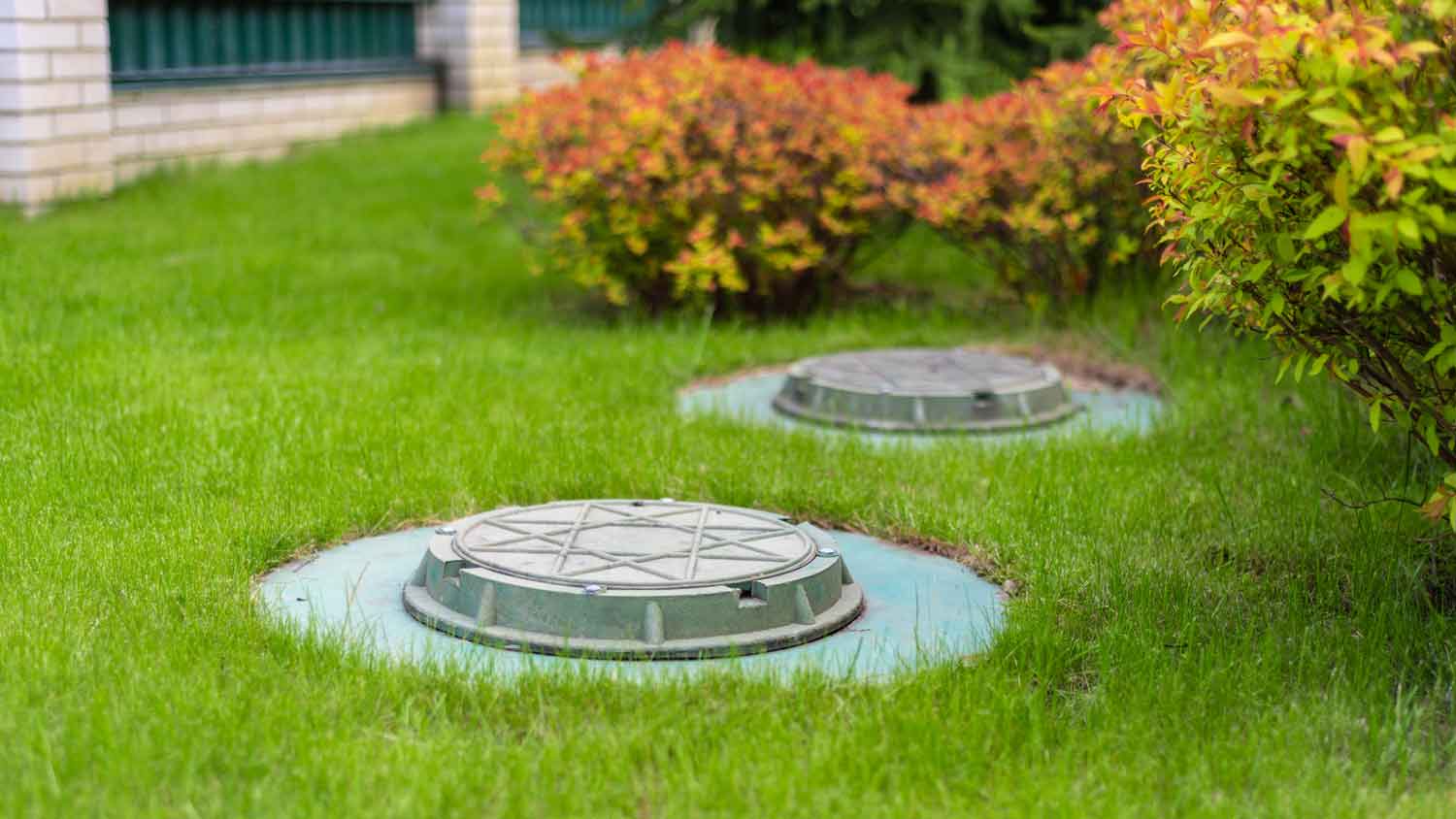
If it’s been there for a while, it can be hard to find the septic tank in your yard. Learn how much it costs to locate a septic tank with this guide.

Replacing a drain field requires digging up quite a bit of land and involves a decent amount of testing. Using this guide, you’ll learn how much it costs to replace a drain field based on a few key factors such as size and type of septic system.

In order to function properly, your septic tank needs to be regularly inspected and emptied. How often you should get your septic tank inspected depends on a few factors.

Sludge buildup in a septic tank is natural, but it needs to go somewhere eventually. Learn what to put in a septic tank to break down solids efficiently.

Caring for your septic system properly can mean the difference between paying a few hundred dollars and paying thousands of dollars for a replacement.