



Serving Nikiski, AK and surrounding areas
Approved
In business since 2006
Free estimates
Warranties offered
"Excellent, perfectly done. Would recommend to everyone"


+5

*The Angi rating for Insulation Service companies in Nikiski, AK is a rating based on verified reviews from our community of homeowners who have used these pros to meet their Insulation Service needs.
*The HomeAdvisor rating for Insulation Service companies in Nikiski, AK is a rating based on verified reviews from our community of homeowners who have used these pros to meet their Insulation Service needs.
Last update on March 09, 2026

Serving Nikiski, AK and surrounding areas
Approved
In business since 2006
Free estimates
Warranties offered
"Excellent, perfectly done. Would recommend to everyone"


+5

Serving Nikiski, AK and surrounding areas
In business since 2018
Free estimates
Emergency services offered
"Dillon did a wonderful job, we will be hiring him again for future work."


+11

Serving Nikiski, AK and surrounding areas
In business since 2009
Free estimates
Credit card accepted
"It was excellent, he's good. He's pretty clean, reliable, and I have no complaints about him,"
When choosing a professional insulation installer, consider asking these questions to determine the best fit.
Will you address air leaks in my house?
Can you provide an R-value (heat resistance) fact sheet?
What kind of insulation will work best for my home?
How do you handle signs of a water leak?
Are you licensed and insured?
Can you provide customer references?
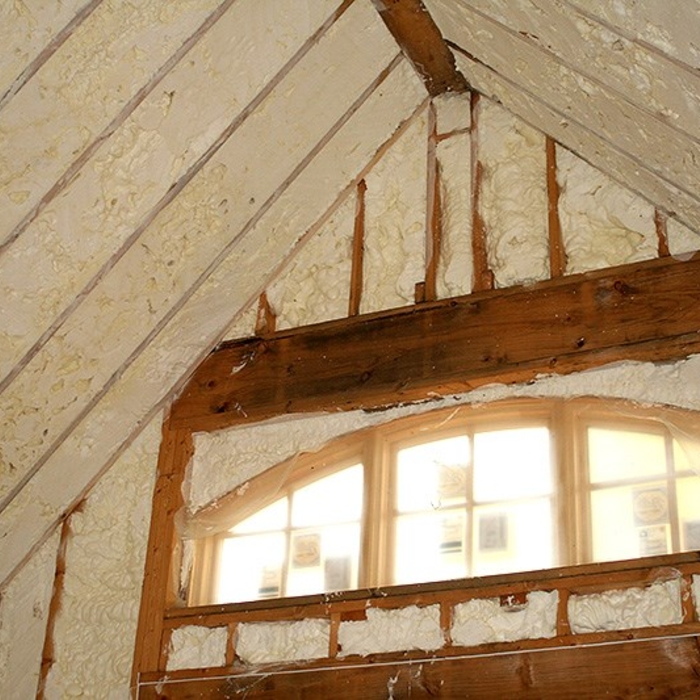
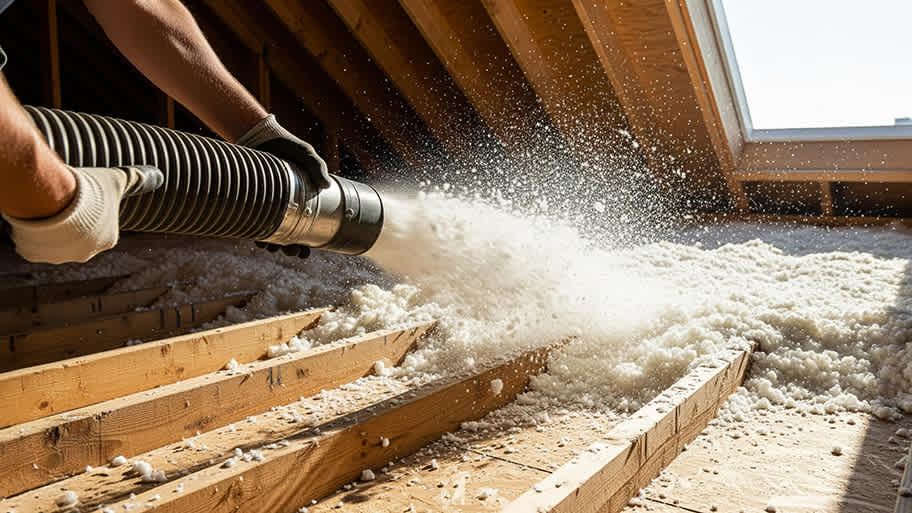
The best type of insulation for your home depends on what you need, so the answer will depend on your specific situation. If you’re building a house, structural panels are easy to install during the building process in addition to being the most energy efficient type. If you live in a warm climate, reflective insulation may benefit you more as it costs less than other insulation types. And for standard attics, loose-fill, spray foam, or blown-in insulation work well.
If you plan to heat or cool your garage, you’ll need to insulate the garage ceiling. Insulating your garage ceiling will make your garage much more energy efficient and save on heating and cooling costs. Not only does insulation make your garage more energy efficient, it helps reduce noise and can extend the life of your garage roof. You can use fiberglass, cellulose, mineral wool, or spray foam insulation for this project.
In some cases, you may not have enough insulation to properly regulate your home’s temperature. Watch for a few signs your home needs more insulation, such as:
High heating and cooling bills
Uncomfortable room temperatures
Ice dams on the edge of your roof
Roof leaks
Cold floors and walls
Freezing pipes
Temperature fluctuations
Visibly low insulation
Noise problems
Pest problems
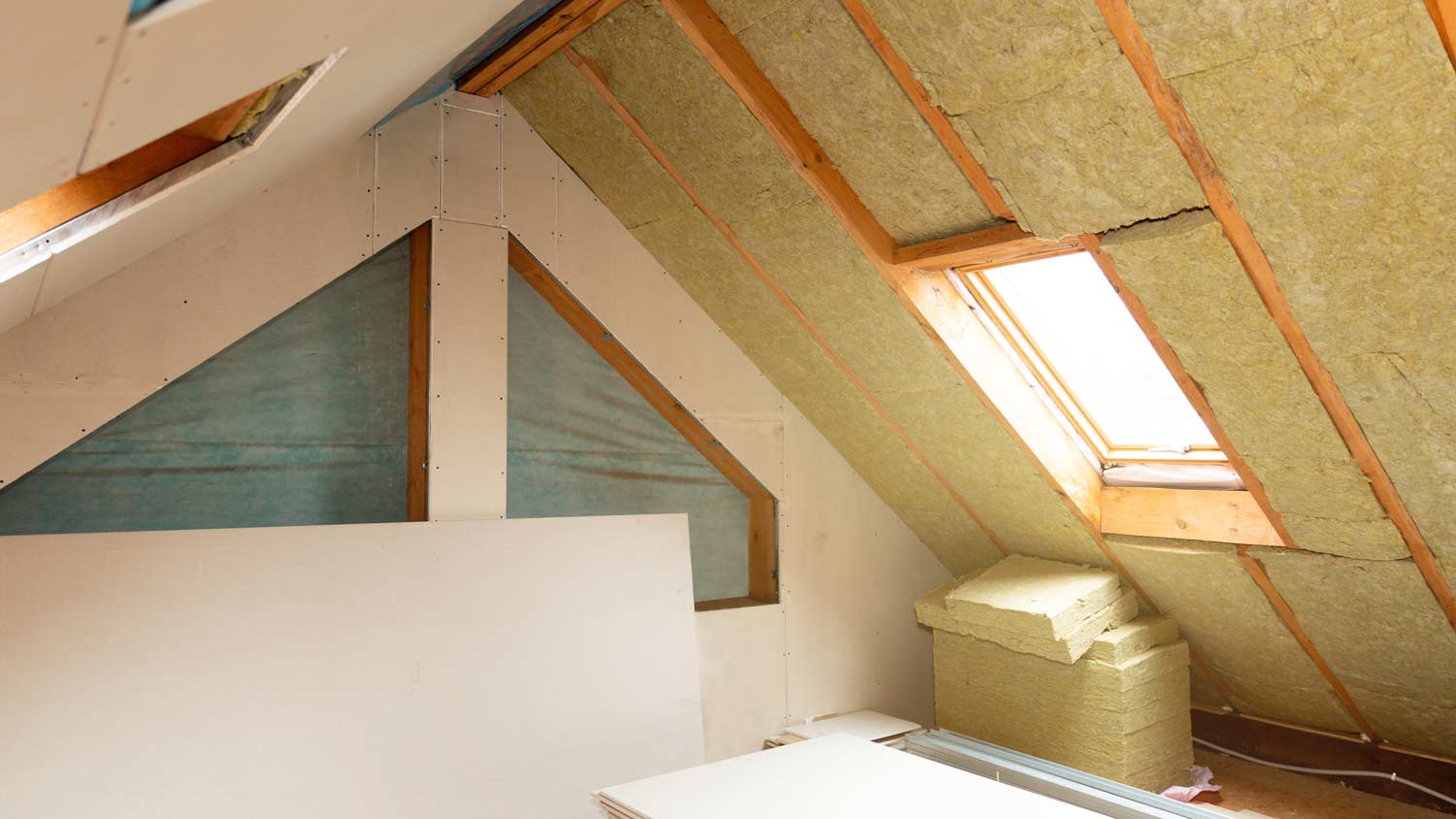
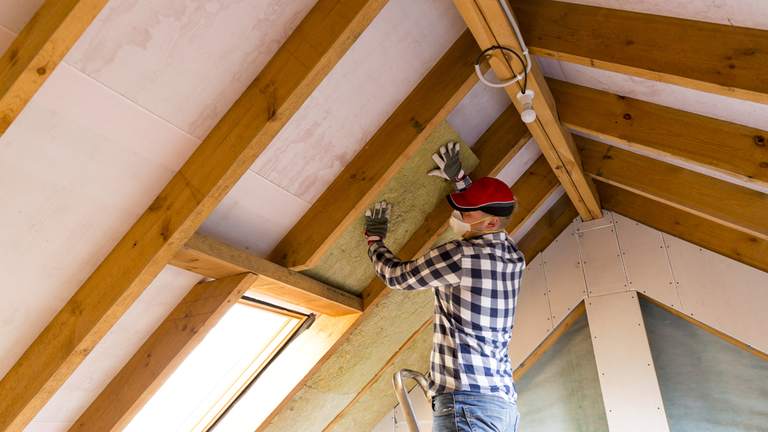
On average, insulating an attic costs about $2,500, ranging from $1,500 to $3,500, depending on the insulation type, amount, and your attic’s accessibility. Additional cost factors include sealing air leaks, removal or replacement of insulation, and inspections. Types of insulation include:
Blown-in: $1–$4 per square foot
Spray foam: $2–$5 per square foot
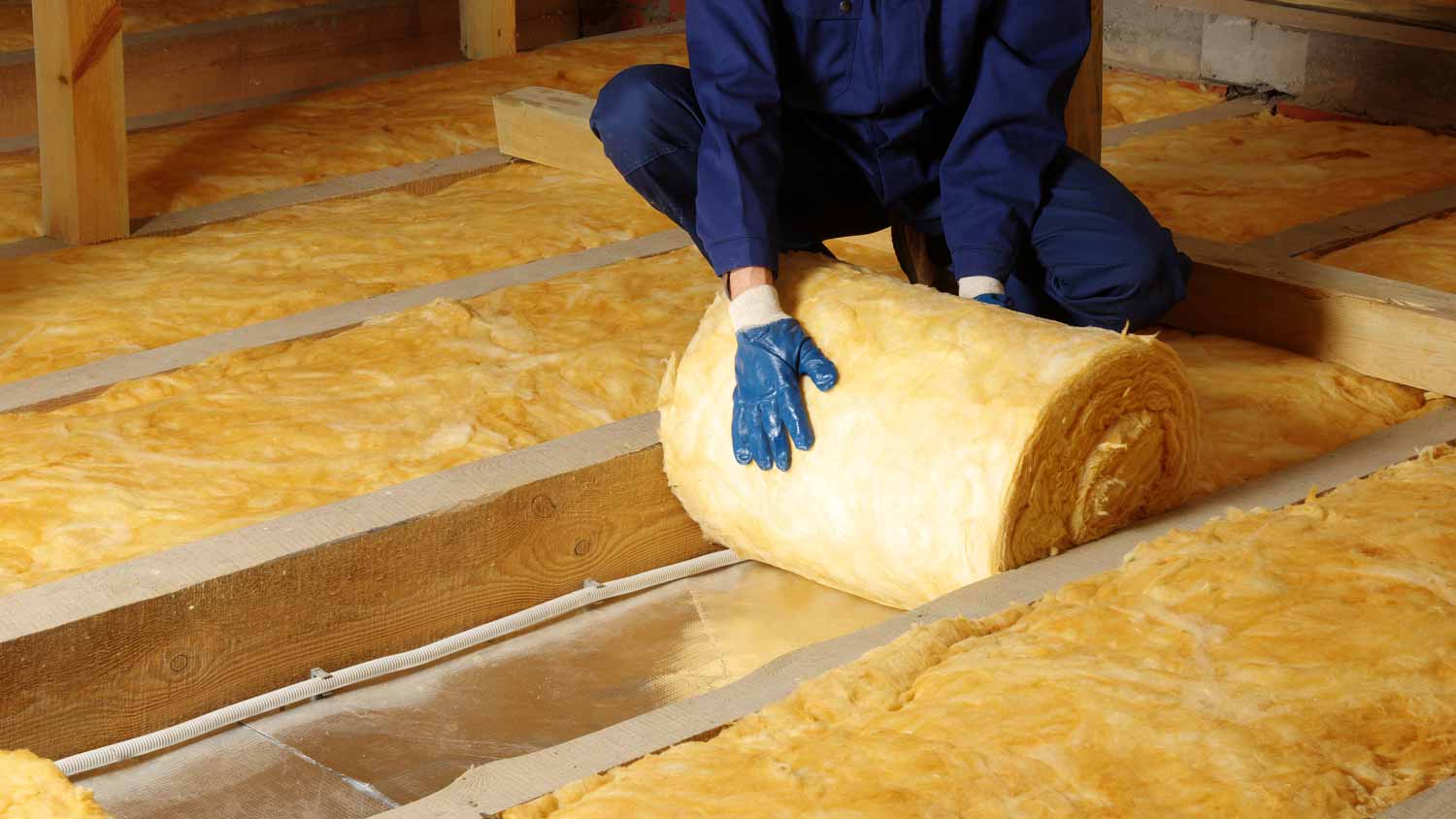
Batt: $2–$4 per square foot
Structural insulated panels: $4–$7 per square foot
Loose-fill: $2–$5 per square foot
Reflective: $0.50–$1.50 per square foot
From average costs to expert advice, get all the answers you need to get your job done.

Your home's ceiling insulation cost will depend on several factors, including the project size, the type of insulation you use, and the R-value.

How much does it cost to insulate a wall? This guide breaks down the associated costs and variables to consider when setting your project budget.

Insulating your attic can massively improve your home’s efficiency and reduce electric bills. Use this guide to find out what attic insulation will cost you.

If you need to add insulation to your home, you’re likely wondering, who installs insulation. Learn why it’s best to hire an insulation pro for this project.

Learning how to insulate plaster walls can help improve your home's energy efficiency. However, there are crucial cautions to consider before attempting.

Poor insulation in your house means a less comfortable living space and higher energy bills. Use this guide to diagnose issues with your insulation.