

New insulation can make your home more comfortable and boost energy efficiency. Use this insulation cost guide to get an accurate estimate for the installation.
Bundle up your home with a crash course on Insulation 101

The best home insulation material for 2026 depends on where you're installing it, your climate zone, and your desired R-value for heat resistance.
Insulation costs range from $1,100 to $2,600 for the project, or about $0.30 to $6.75 per square foot depending on material and installation method.
Your choice of insulation material (fiberglass, cellulose, mineral wool, or polymers) affects performance, soundproofing, fire resistance, and moisture protection for your home.
Hiring a local insulation company ensures proper installation and R-value selection, plus handles tricky areas like blown-in walls and spray foam application safely.
A drafty home can turn holiday cheer into holiday shivers and summertime fun into a hot mess. But with the right insulation, you can seal drafts, save on energy costs, and have a more comfortable home. Knowing how to choose insulation can make all the difference in the effectiveness of your insulation, so stay tuned to learn all about insulation and which one is best for your home.
Insulation provides protection to your home by preventing heat from escaping in the winter and heat from entering in the summer. If you play your cards right, insulation can also drastically decrease sound pollution, improve indoor air quality, and save on energy bills.
Insulation costs vary depending on the type of insulation material, installation method, and whether you decide to work with a professional insulation company. Still, expect to pay anywhere from $1,100 to $2,600 for the project, or roughly $0.30 to $6.75 per square foot of space.
Before we get into which insulation material and type to choose, the insulation R-value is one factor that should be at the forefront of your buying decision. R-value is short for resistance-value and determines how much your insulation resists hot air. Higher R-values mean your home’s insulation is more winter-hardy, while lower R-values mean your insulation is better suited for hotter climates.
Choosing the wrong R-value for your home could make your insulation perform poorly, so keep your climate zone in mind as you go about choosing insulation for your home.
The sheer number of insulation materials can have you balking at which to choose, but we've broken down the most common types of insulation to simplify your decision-making process.
Fiberglass is an extremely common type of insulation material. It comes in a variety of installation types, including blanket, loose-fill, and rigid board. You'll also find that fiberglass comes in a variety of densities, allowing you to choose fiberglass materials with the correct R-value for your home.
Cellulose insulation comes from different types of recycled fibers, including paper, cotton, sheep's wool, and even hemp. This popular insulation material is known for its low cost yet high R-value and comes in loose-fill form.
Mineral wool, or rock wool, is derived from man-made metal byproducts and natural minerals that are spun together under high heat, like cotton candy, until they form a fibrous, insulating material. This option is perfect for those looking for how to soundproof a room, as mineral wool has excellent soundproofing qualities. It’s also very fire-resistant.
There are several polymers used for insulating homes, including polystyrene, polyisocyanurate (polyiso), and polyurethane.
Polystyrene is a common material for foam board and concrete block insulation. Molded expanded polystyrene (MEPS) and expanded polystyrene (EPS) consist of foam or plastic beads, respectively. These materials work by being poured into cavities like walls or concrete blocks. The kind of polystyrene you’ll find in foam boards is called extruded polystyrene (XPS) and has a higher R-value than the other two types.
Both polyiso and polyurethane can be installed as spray foam, applied as a liquid, or installed as a rigid foam board, thanks to the versatility of plastic.

As if choosing between the different types of insulation materials wasn’t enough, there is also the type of installation method you’ll want to consider when choosing insulation. Use this breakdown to help narrow down your options.
Blanket insulation comes in batts and rolls that need to be cut to size and secured to the wall to prevent them from falling. This insulation is relatively easy for your average DIYer to install. In fact, blanket insulation is probably the only type of insulation that you should consider installing if you're on a budget, as insulation can be dangerous to handle and tricky to install correctly. With this in mind, blanket insulation is simple to cut, customize, and place.
Loose-fill or blown-in insulation is—as the name suggests—a loose version of insulation that is installed by blowing loose insulation into the crevices of your home’s tough-to-reach walls and ceilings. When it comes to blown-in insulation costs, you get the most bang for your buck with loose-fill cellulose, which costs the least out of all the types and also offers a high R-value.
This type of insulation can also be installed by anyone with experience, but it is harder to know when you have successfully filled any cavities with the correct amount of insulation. There’s also a learning curve to blowing loose-fill insulation into wall cavities with an insulation-blowing machine. For these reasons, we recommend working with a professional to make the most out of your installation.
Spray foam insulation is one of the quickest installation methods that can really get into small spaces. This method involves spraying foam in open cavities or injecting it into enclosed cavities using a spray foam machine. The foam dries to a hard, permanent insulation material. Contractors will typically mix the insulation formula at the job site and spray as they go, though, for small projects, you can use a kit to DIY spray foam insulation.
The cost of spray foam insulation is higher than that of blanket or loose-fill insulation, so consider your budget when determining if this is the right insulation for your home.
Foam board or panel insulation is a type of insulation that comes in sturdy 4-by-8-foot boards. These panels are easy to install because of their size, and their high R-values make them a solid option for walls around the home. At the same time, foam board insulation costs more than every other type of insulation.
Where you plan on installing the insulation can completely change the way you approach choosing your insulation. For example, the last thing you want to do is blow loose-fill insulation in an unsealed attic rafter, as this will cause a flurry of insulation. Likewise, spray foam insulation is a no-go for electrical areas.
So consider the following insulation hotspots and our roundup of which insulation works best.
When insulating a basement, where you’re insulating matters. Rigid foam board is a top contender for insulating basement walls—however, spray foam insulation is a good option for insulating a basement ceiling. You can also use fiberglass insulation, but you’ll definitely want to work with a professional insulation company near you to ensure your basement has a solid vapor barrier to prevent moisture from damaging your insulation.
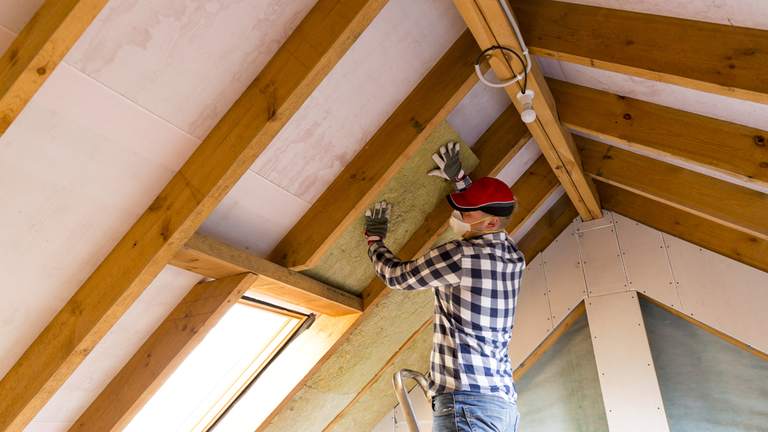
Blanket fiberglass insulation with a vapor barrier works well in attics because it’s lightweight, easy to install, and comes with moisture protection. The vapor barrier of faced vs. unfaced insulation also serves as a flame retardant to help lower your risk of fire.
The best insulation materials for walls include fiberglass blankets, cellulose, and foam boards, though you’ll find that walls are pretty forgiving no matter the type of insulation you choose. Just be sure to avoid installing spray foam insulation near any electrical wiring in your walls for fire safety.
Mineral wool insulation makes its way to the top for insulating ceilings—especially if you have a second story and want to keep the thud of heavy footsteps from infiltrating your movie night or sleep. Fiberglass batts and rolls are other options for ceiling insulation, but they don’t offer the same kind of soundproofing qualities.
As with basements, moisture is a huge concern with insulating crawl spaces. You'll want to use moisture-resistant insulation materials for crawl spaces, such as foam board or spray foam insulation. Avoid using fiberglass or cellulose insulation.
Popular garage insulation types include fiberglass, cellulose, spray foam insulation, and blown-in insulation. If outdoor temperatures are a major concern for your garage, you’ll want to go with spray foam or blown-in insulation for more seal-proof and draft-hardy insulation.
There are several popular roof insulation types, including fiberglass, spray foam, and rigid foam boards. This insulation goes in your attic, but unlike attic insulation, which goes on the floors, ceiling, and walls, roof insulation goes on the rafters or underneath the sheathing or roof decking.
Lastly, if you're installing insulation in an existing home and want to install insulation without breaking drywall, you'll want to use blown-in or spray foam insulation for this project. A professional will drill holes into your existing walls and fill the walls with insulation.
In most cases, installing insulation is a job best left to an insulation company near you. Aside from fiberglass blankets, which can be DIYed, most insulation methods require the experience of a knowledgeable professional. Your pro will wear the correct protective equipment, follow insulation installation best practices, and help ensure your investment keeps your house comfortable and lowers your energy bills.
If you’re good people wanting to do business with good people, hire Matt. He is a consummate professional and utterly competent. He installed a water heater in my home at a price that beat competitors by hundreds of dollars with a promise to support the unit for its life (even after its 6 yr...
 Greene's Plumbing Services
I would recommend this company to anyone! He showed up on time, was friendly, completed a very difficult repair on our dryer vent cover, was responsive, and pricing was extremely fair and competitive. I would have him back to do any of our repairs or cleanings without hesitation!
 U.S.A. Dryer Vent, LLC
Best cleaning I've had at my property
I conferred with 2 other contractors before Armstrong Electric. Nick and his crew showed me that the project was not as convoluted as the other contractors made it appear to be. They completed the entire project on time. They were professional, friendly and cleaned up after at completion. I...
 ARMSTRONG ELECTRIC, LLC
Our exterior looks brand new thanks to Custom Paint Jobs LLC. Theyre the best in town!
 Custom Paint Jobs, LLC
Excellent experience with hiring Tether House to Mount our 77’ Samsung TV in our bedroom. Fast, friendly, and knowledgeable. Highly recommend.
 Tether House
The techs on my project, Shawn and Cliff, were great. They were prompt, courteous, and efficient. I am very happy with the results and would definitely contact Mr. Electric for any future electrical projects.
 Mr. Electric of Columbus
We had our houses windows and back door replace this summer by Window Depot USA of Central. He gave us grate advise and saved my family lots money. The team did a fantastic job with installation. If you need help, they sure get job done right!
 Window Depot USA of Central Ohio
Beginning with the estimate, Larry and Peyton were super helpful in getting my new condo's interior re-painted. Not only was the job well done, but also done in a super timely manner as promised.
 Five Star Painting of Plain City and Powell
Great job...edging and pre clean up went well with a great job with seal coat. Friendly, efficient and professional.
 All Star Paving and Sealing
From average costs to expert advice, get all the answers you need to get your job done.
New insulation can make your home more comfortable and boost energy efficiency. Use this insulation cost guide to get an accurate estimate for the installation.

The insulation R-value can make all the difference in keeping your home insulated, but it depends on where you live. Keep reading to learn about R-values.
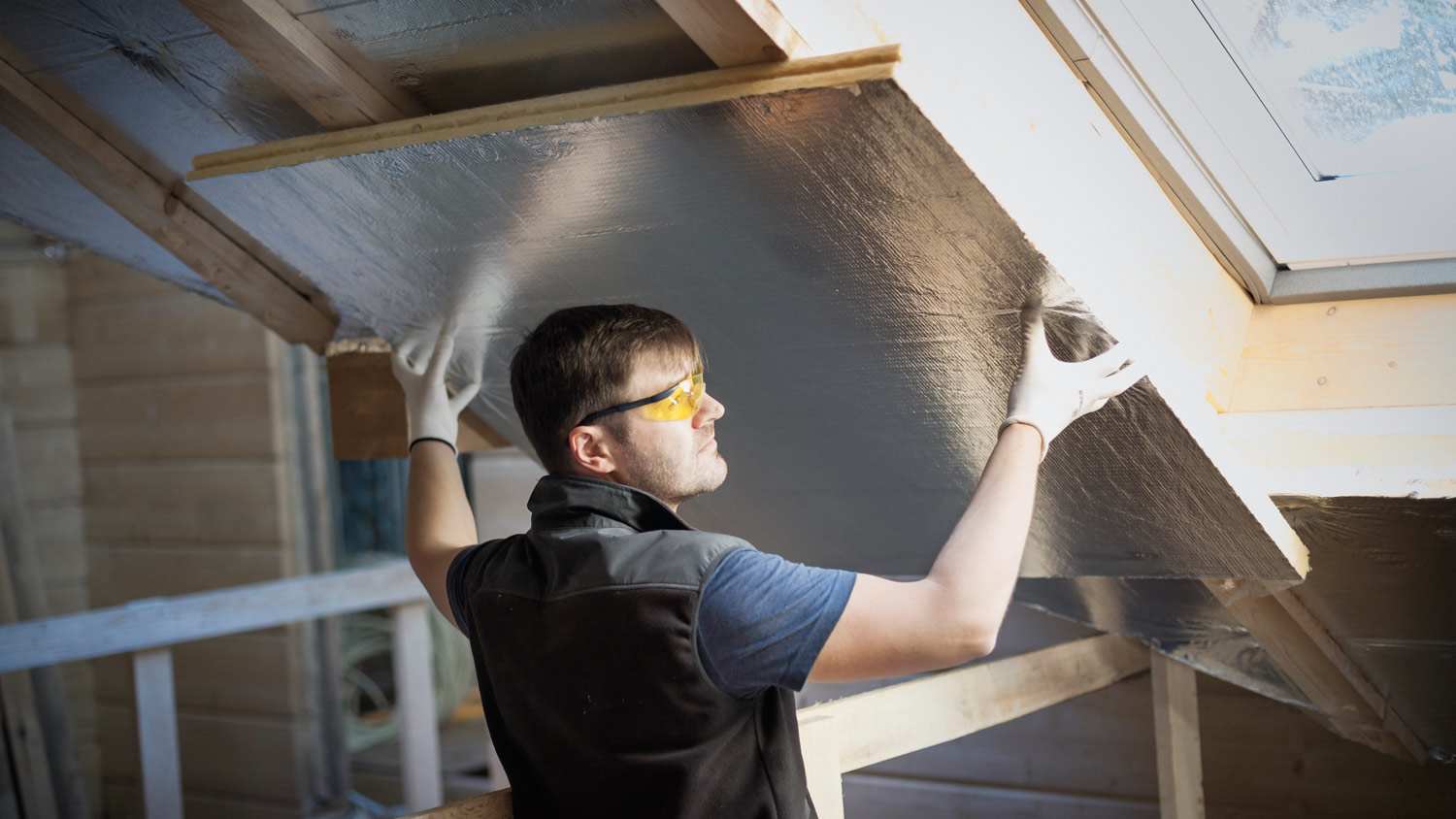
Insulation is crucial when it comes to conserving energy and increasing the overall comfort level of your home. But before you call in an installation pro, learn about the most common types of insulation and their various uses.

Proper insulation helps keep your heating and cooling bills under control. Use our expert tips to hire the best insulation contractor for your home.
There are 10 types of insulation you can use for your home. Read this guide to discover which insulation types could be best for the job.

Your home likely loses most of its heat through your attic. This guide on different types of attic insulation can help you boost your home’s efficiency.