


•
Discover the average injection foam insulation cost, key price factors, and ways to save. Get transparent estimates to plan your home insulation project confidently.
Insulation service costs depend on your project and location. Check with a local pro for your specific job.

Professional spray foam insulation installation costs between $1,455 and $4,337, for your home, including labor.
The foam type you choose and your home's layout determine your costs, with moisture-prone areas needing closed-cell insulation for protection.
Budget for mold remediation between $1,125 to $3,345 if your old insulation shows mold before installation.
Hiring a local insulation company ensures your foam application meets building codes and prevents chemical exposure or uneven coverage issues.
In 2026, the national average cost to install spray foam insulation is $2,887, based on 4,048 verified projects from Angi Pros. Most homeowners pay between $1,455 and $4,337, or $0.60 to $3.10 per board foot, with costs driven primarily by foam type, installation location, and the size of the space. You could spend as little as $675 for a small HVAC project or as much as $8,000 to insulate a whole home.
Spray foam insulation costs depend on the foam type you use, insulation thickness, and more.
The type of spray foam you choose — open-cell or closed-cell — directly affects your cost, with open-cell spray foam running about $0.60 to $1.60 per board foot installed. Open-cell foam has tiny air pockets that make it softer and more flexible, and its lower density allows it to expand and fill large spaces with less material. Closed-cell foam is denser and more rigid, making it more resistant to water and air leaks at a higher price point of $1.30 to $3.10 per board foot installed. Here is how the two types compare across key performance factors:
| Spray Foam Factor | Open-Cell Spray Foam | Closed-Cell Spray Foam |
|---|---|---|
| Cost installed, per board foot | $0.60–$1.60 | $1.30–$3.10 |
| Best for | Hard-to-reach nooks and crannies and above-grade walls | Attics, crawl spaces, and basements |
| Expansion | Expands up to 3 inches to fill cracks | Does not expand more than 1 inch |
| R-value per inch | Lower R-value at 3.5 to 3.7 | Higher R-value at 5 to 7 |
| Flexibility | Soft and flexible | Rigid and dense |
| Protects against moisture | Somewhat | Moisture-resistant |
| Sound reducing | Somewhat | Best option |
Spray foam insulation is measured by R-value, which indicates how effectively the material resists heat transfer — and the higher the R-value, the more you will pay. Open-cell spray foams deliver an R-value of 3.5 to 3.6 per inch, while closed-cell foams reach 6 to 7 per inch. Layering insulation increases both thermal performance and cost, so thicker applications will always carry a higher price tag. The table below shows how R-values scale with thickness for each foam type:
| Spray Foam Thickness | R-Value for Open Cell | R-Value for Close Cell |
|---|---|---|
| 1 inch | 3.5–3.6 | 6–7 |
| 2 inches | 7.0–7.2 | 12–14 |
| 3 inches | 10.5–10.8 | 18–21 |
The cost of installing insulation increases with the area size, since larger spaces require more material. For spray foam insulation, you can expect to pay between $1 to $5 per square foot on average. The table below breaks down estimated installed costs by area size:
| Area Size, Square Feet | Average Cost, Installed in 2026 |
|---|---|
| 100 | $100–$500 |
| 200 | $200–$1,000 |
| 300 | $300–$1,500 |
| 500 | $500–$2,500 |
| 1,000 | $1,000–$5,000 |
| 1,500 | $1,500–$7,500 |
| 2,000 | $2,000–$10,000 |
| 2,500 | $2,500–$12,500 |
| 3,000 | $3,000–$15,000 |
The material used in your spray foam insulation directly affects the cost, with options ranging from conventional polyurethane to eco-conscious alternatives made from renewable oils. Polyurethane is the most common choice because of its balance of price and insulating performance, though the U.S. Environmental Protection Agency notes it can off-gas VOCs for the first few years after installation. More eco-conscious alternatives — including soybean, vegetable oil, and water-based spray foams — are available for homeowners who prefer types of insulation made from renewable materials. Here is what each option costs per board foot:
| Insulation Type | Average Cost, Per Board Foot in 2026 | Best For |
|---|---|---|
| Polyurethane spray foam | $0.44–$1.50 | Attics, basements, and home exteriors |
| Soybean spray foam | $1.50–$3.00 | Attics, walls, and basements |
| Vegetable oil spray foam | $1.50–$3.00 | Walls, roofs, attics, and floors |
| Water-based spray foam | $0.50–$2.50 | Attics, walls, crawl spaces, and ceilings |
Labor is a significant portion of your total spray foam insulation cost, and most local insulation contractors charge between $50 to $100 an hour for this work. Some contractors price labor by square footage instead, at rates ranging from $0.44 to $3.30, rather than by the hour. Ask your pro upfront how they structure their pricing so you can budget accurately before the project begins.
Installing spray foam insulation in a new construction costs less per square foot than in an existing home, primarily because existing homes require additional labor, such as opening walls, removing old insulation, and installing new drywall. New builds typically run $1 to $4 per square foot, while existing homes range from $3 to $5 per square foot. If you are planning a renovation, scheduling insulation work during that project is one of the most effective ways to keep costs down. The table below compares installed costs by construction type:
| Type of Installation | Average Cost, Per Square Foot in 2026 |
|---|---|
| New build | $1–$4 |
| Existing home | $3–$5 |
If you are replacing existing insulation, whether you should remove your old insulation first is a question with a clear answer: yes, since old insulation can harbor mold, allergens, and rodent excrement. Having a pro handle removal will add to your project cost — for example, the cost of junk removal averages $240. If you plan to remove old fiberglass insulation yourself, wear long sleeves, goggles, and a face mask, since fiberglass is dangerous when inhaled or when it contacts your eyes and skin.
Open-cell spray foam does not act as a vapor barrier, so you may need to add one when using this foam type — and vapor barrier installation costs between $0.65 to $1 per square foot. Closed-cell spray foam, by contrast, creates a tight air barrier on its own and does not require a separate vapor retarder. If you are comfortable with the work, you can also review our guide on how to install a vapor barrier without calling a pro.
If your existing insulation contains mold, you will need to hire a local mold remediation company before new spray foam can be installed, and mold remediation costs between $1,125 to $3,345. Mold typically results from moisture intrusion, such as flooding or a leak. Make sure your remediation specialist identifies and repairs the root cause before new insulation goes in, or the problem is likely to return.
Spray foam insulation can double as a soundproofing solution because it absorbs acoustics, and soundproofing a room costs between $1 to $3 per square foot using this method. To achieve sound reduction, spray foam is injected directly into walls and ceilings. This makes it a practical option for homeowners who want both thermal insulation and noise control in a single installation.
Where spray foam insulation is installed in your home has a significant impact on the total price, with costs ranging from $1,000 to $3,900 for HVAC applications up to $4,000 to $29,000 for a whole-home project. Closed-cell spray foam is the recommended choice for most of these locations because it creates an effective barrier against both air and moisture. The table below shows average installed costs by location:
| Location in Home | Average Cost, Installed in 2026 |
|---|---|
| Basement | $1,500–$6,200 |
| Attic | $1,100–$9,000 |
| Roof | $1,500–$7,000 |
| Garage | $1,500–$9,400 |
| Crawl space | $1,200–$6,900 |
| HVAC | $1,000–$3,900 |
| Whole home | $4,000–$29,000 |
Basement: Spray foam insulation for a basement costs $500 to $3,000 per 1,000 square feet, including labor.
Attic: Insulating an attic with spray foam costs $1,100 to $9,000 on average. You should contact an attic insulation contractor near you for this expansive project.
Roof: Get in touch with a roof insulation contractor near you to tackle this type of work.
Garage: You should also insulate your garage door with weather stripping on the bottom edge and polystyrene panels on the backside.
Crawl Space: Spray-in insulation costs for a 2-by-10-foot crawl space are $1,200 to $6,900. This is often less than the cost of crawl space encapsulation but still offers some waterproofing benefits.
HVAC: HVAC insulation costs $1,000 to $3,900 for 1,000 square feet of spray foam insulation. If you’re not using duct liner insulation, spray foam is a great alternative because it can easily fit into a tight space, like around piping, and expand. It can also seal air leaks and act as a moisture barrier.
Whole Home: If you’re looking to add spray foam insulation to your whole home, you can expect to spend as little as $4,000 if you already have existing insulation or as much as $29,000 or more if your home is a new build with no existing insulation.

According to Angi data, spray foam insulation is most commonly installed in walls, as reported by over 29% of homeowners. Other common locations include attics at 21% and ceilings at over 20%.
Many homeowners pair spray foam insulation with other energy-saving upgrades to maximize efficiency gains in a single project. Common add-ons include window replacements, HVAC maintenance, and air duct sealing — each of which complements the air-sealing benefits of spray foam. Budgeting for these additional services upfront can help you avoid scheduling multiple contractor visits later.
Window installation: $575–$1,475
HVAC maintenance: $100–$550
Air duct sealing: $500–$4,000
Spray foam is one of the costlier types of insulation, but here’s how you can reduce the total budget of your project.
Choose Open-Cell Spray Foam: This has a lower R-value than closed-cell spray foam but costs around 50% less. However, it’s not moisture-resistant, so only use it in dry areas.
Install Spray Foam in New Construction: You can save up to $2,000 by installing spray foam in new construction or while you’re already renovating instead of later opening up the walls and replacing old insulation.
DIY Your Installation: DIY spray foam insulation if you know what you’re doing. If a shoddy job leads to a frozen pipe, you could spend thousands cleaning up the water damage.
Mix Insulation Types: Since spray foam costs more than other insulation types, you can mix it up. For example, you can install fiberglass batts in larger areas of your home and install spray foam around pipes and in nooks and crannies.
Target Key Areas First: Insulate areas that lose the most energy, like the attic or basement, instead of doing the whole house at once.
Homeowners can purchase spray foam insulation kits that cover up to 200 to 600 square feet. These kits run between $350 and $800, and you’ll need at least two to three kits to cover that amount of square footage. Because you’re not paying for labor, DIY spray foam insulation costs less than what you’d pay the pros, but it’s not an easy project to undertake.
We recommend getting multiple quotes and hiring a spray foam insulation contractor near you—as this is a job for an experienced pro. Spray foam insulation poses health and safety risks if you don’t follow proper precautions during installation.
Spray foam insulation isn’t a simple DIY project. Here’s why it’s best to hire a pro for the job:
Pros know how to achieve proper coverage, avoid gaps, and maintain the right thickness for optimal performance.
Working with a pro ensures your project complies with building codes and safety regulations.
Pros have the equipment and expertise to apply spray foam insulation safely.
DIY insulation projects can lead to uneven surfaces, chemical exposure, and structural issues.
Reputable contractors offer insurance and warranties for added peace of mind.
If you want to assist your pro, consider taking on the following tasks:
Move furniture, equipment, and other obstacles away from the work area to give your pro easy access.
Cover floors, walls, and furniture with protective coverings.
Keep tools and equipment nearby and easily accessible for your pro.
Clean up the space and dispose of debris after the application is complete.
Let your pro know your desired spray foam insulation thickness, type, and location.
Provide your pro with the work area measurements and let them know about any potential obstacles that could affect accessibility.
Ask about additional services like mold remediation, soundproofing, or vapor barrier insulation.
Leave room in your budget for additional materials, add-on services, and labor rate increases.
Home is the most important place on earth, which is why Angi has helped more than 150 million homeowners transform their houses into homes they adore. To help homeowners with their next project, Angi provides readers with the most accurate cost data and upholds strict editorial standards. We’ve surveyed thousands of real Angi customers about their project costs to develop the pricing data you see, so you can make the best decisions for you and your home. We pair this data with research from reputable sources, including the U.S. Bureau of Labor Statistics, academic journals, market studies, and interviews with industry experts—all to ensure our prices reflect real-world projects.
Want to help us improve our cost data? Send us a recent project quote to [email protected]. Quotes and personal information will not be shared publicly.
If you’re good people wanting to do business with good people, hire Matt. He is a consummate professional and utterly competent. He installed a water heater in my home at a price that beat competitors by hundreds of dollars with a promise to support the unit for its life (even after its 6 yr...
 Greene's Plumbing Services
I would recommend this company to anyone! He showed up on time, was friendly, completed a very difficult repair on our dryer vent cover, was responsive, and pricing was extremely fair and competitive. I would have him back to do any of our repairs or cleanings without hesitation!
 U.S.A. Dryer Vent, LLC
Best cleaning I've had at my property
I conferred with 2 other contractors before Armstrong Electric. Nick and his crew showed me that the project was not as convoluted as the other contractors made it appear to be. They completed the entire project on time. They were professional, friendly and cleaned up after at completion. I...
 ARMSTRONG ELECTRIC, LLC
Our exterior looks brand new thanks to Custom Paint Jobs LLC. Theyre the best in town!
 Custom Paint Jobs, LLC
Excellent experience with hiring Tether House to Mount our 77’ Samsung TV in our bedroom. Fast, friendly, and knowledgeable. Highly recommend.
 Tether House
The techs on my project, Shawn and Cliff, were great. They were prompt, courteous, and efficient. I am very happy with the results and would definitely contact Mr. Electric for any future electrical projects.
 Mr. Electric of Columbus
We had our houses windows and back door replace this summer by Window Depot USA of Central. He gave us grate advise and saved my family lots money. The team did a fantastic job with installation. If you need help, they sure get job done right!
 Window Depot USA of Central Ohio
Beginning with the estimate, Larry and Peyton were super helpful in getting my new condo's interior re-painted. Not only was the job well done, but also done in a super timely manner as promised.
 Five Star Painting of Plain City and Powell
Great job...edging and pre clean up went well with a great job with seal coat. Friendly, efficient and professional.
 All Star Paving and Sealing
From average costs to expert advice, get all the answers you need to get your job done.
Discover the average injection foam insulation cost, key price factors, and ways to save. Get transparent estimates to plan your home insulation project confidently.
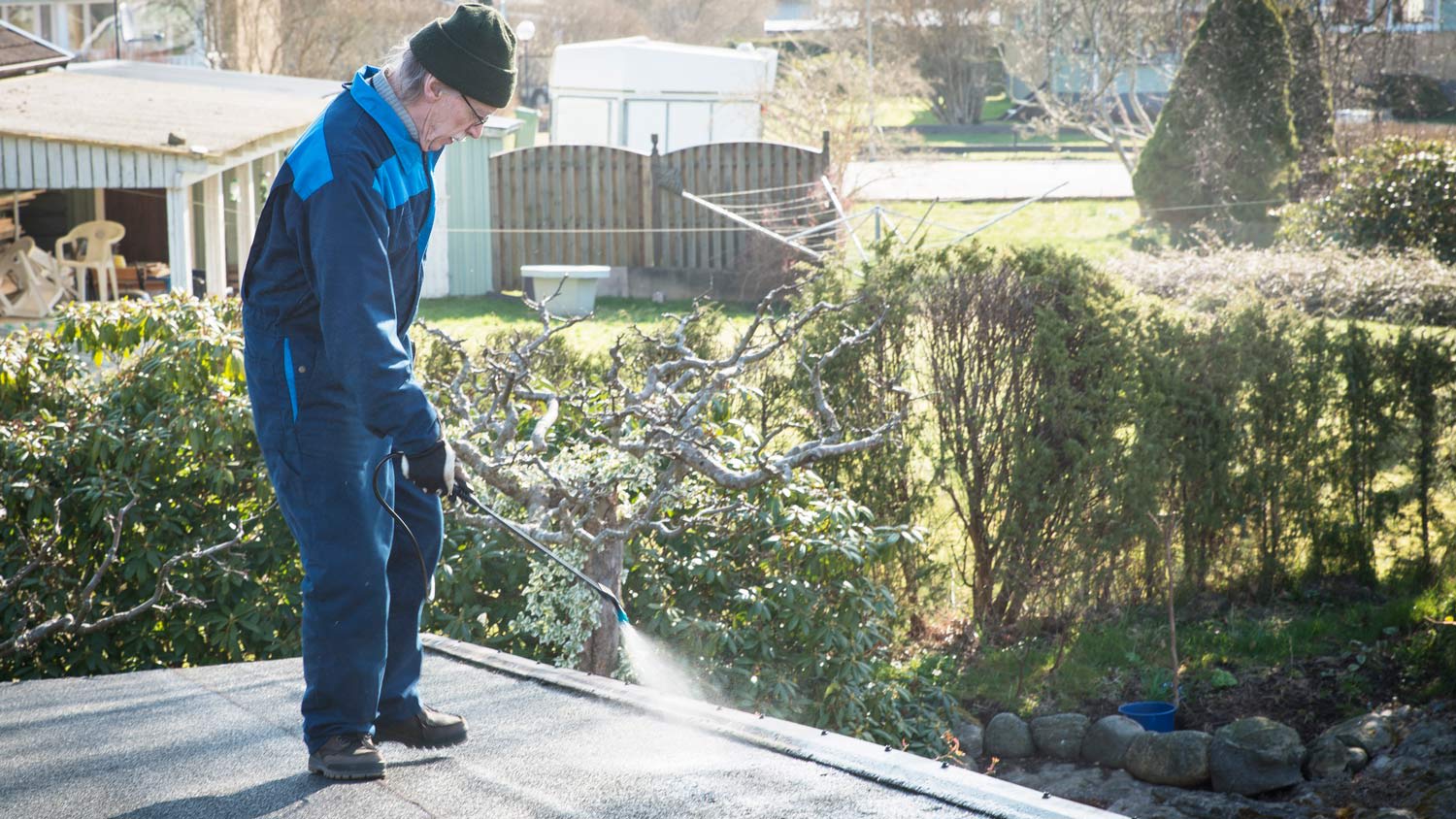
Spray foam roofing is a budget-friendly option to protect your home from energy loss and water damage. Learn how much spray foam roofing costs.

Whether your energy bills are out of control or you can’t keep your home comfortable, it’s good to know what costs to expect before you pay to insulate your ductwork.
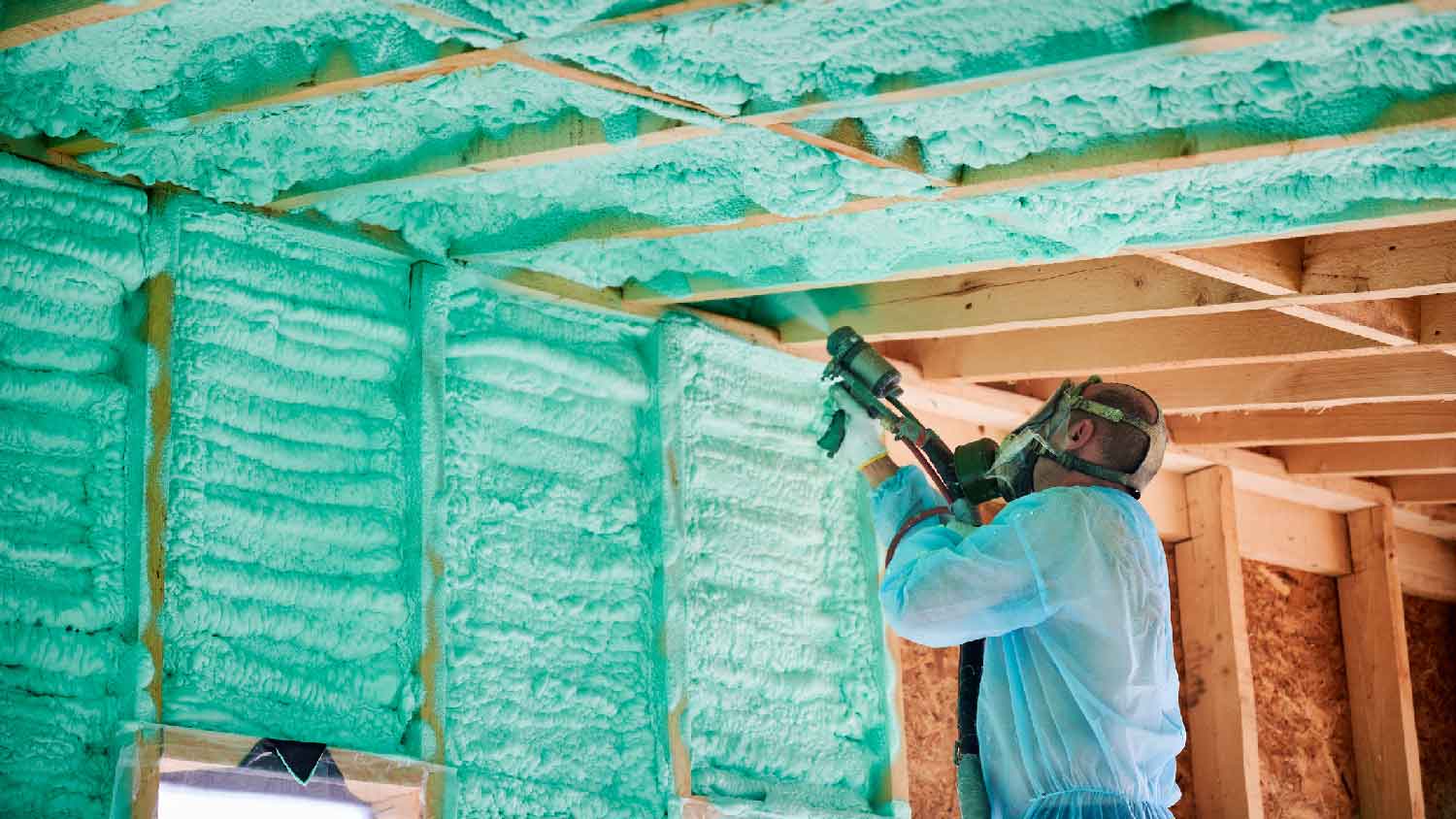
Weigh the pros and cons of spray foam insulation before choosing an insulation to keep your home comfortable.

We’ll walk you through how to install spray foam insulation in your home—and when it makes sense to call in a pro.
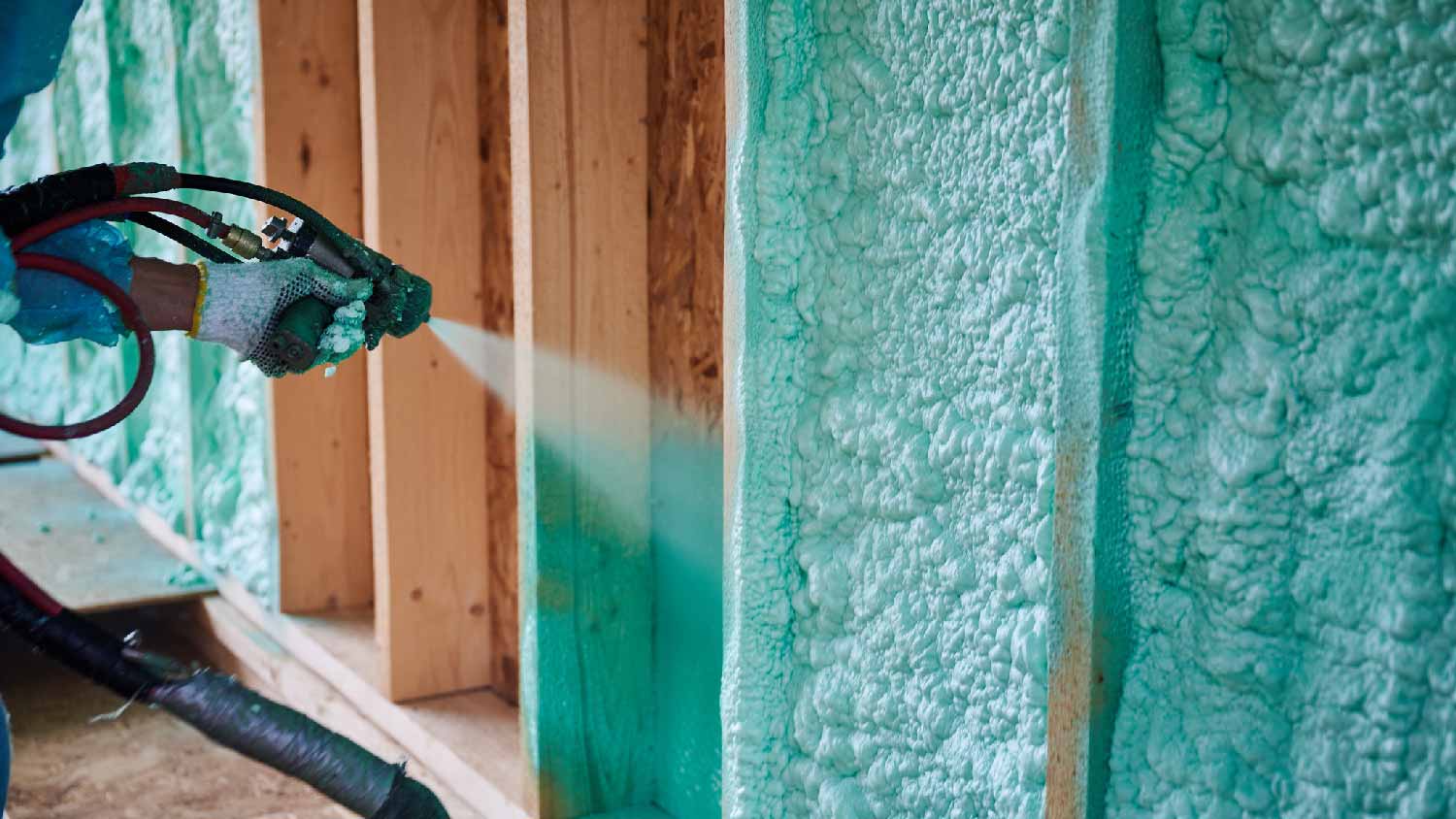
Are you stuck trying to decide between blown-in insulation and spray foam insulation? Factors like your budget and local climate will help you pick the right one.