

•
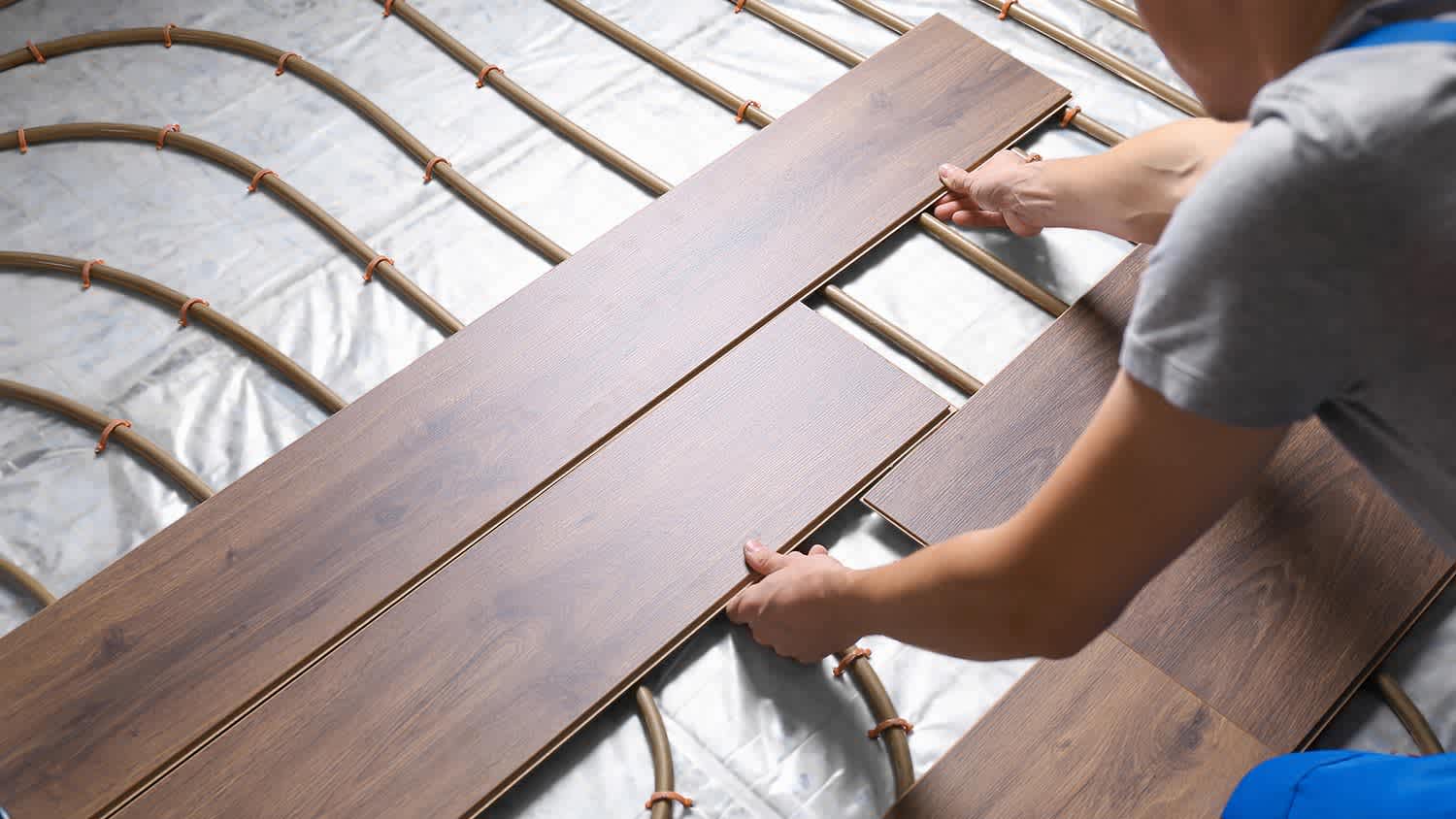
Get expert insights on radiant heating repair cost, including average prices, cost factors, and ways to save. Learn what impacts your radiant heating repair bill.
Insulation service costs depend on your project and location. Check with a local pro for your specific job.

Professional radiant barrier installation costs between $710 and $2,840, and your attic size and material choice set the total.
Two-sided foil barriers reflect heat better than one-sided options, and spray coatings fit your tight or blocked attic areas.
Budget for attic insulation upgrades and ventilation improvements like attic fans when planning your radiant barrier project to maximize energy savings.
Hiring a local attic insulation professional ensures your radiant barrier is installed correctly, helping cut your costs by 10 percent.
When planning to install a radiant barrier, budget between{{nationalAvgRangeMinCost}} and {{nationalAvgRangeMaxCost}}, with the average homeowner spending around {{nationalAvgCost}} to have a radiant barrier installed. Costs vary depending on which type—foil or spray-on—you choose and the size of your attic space.

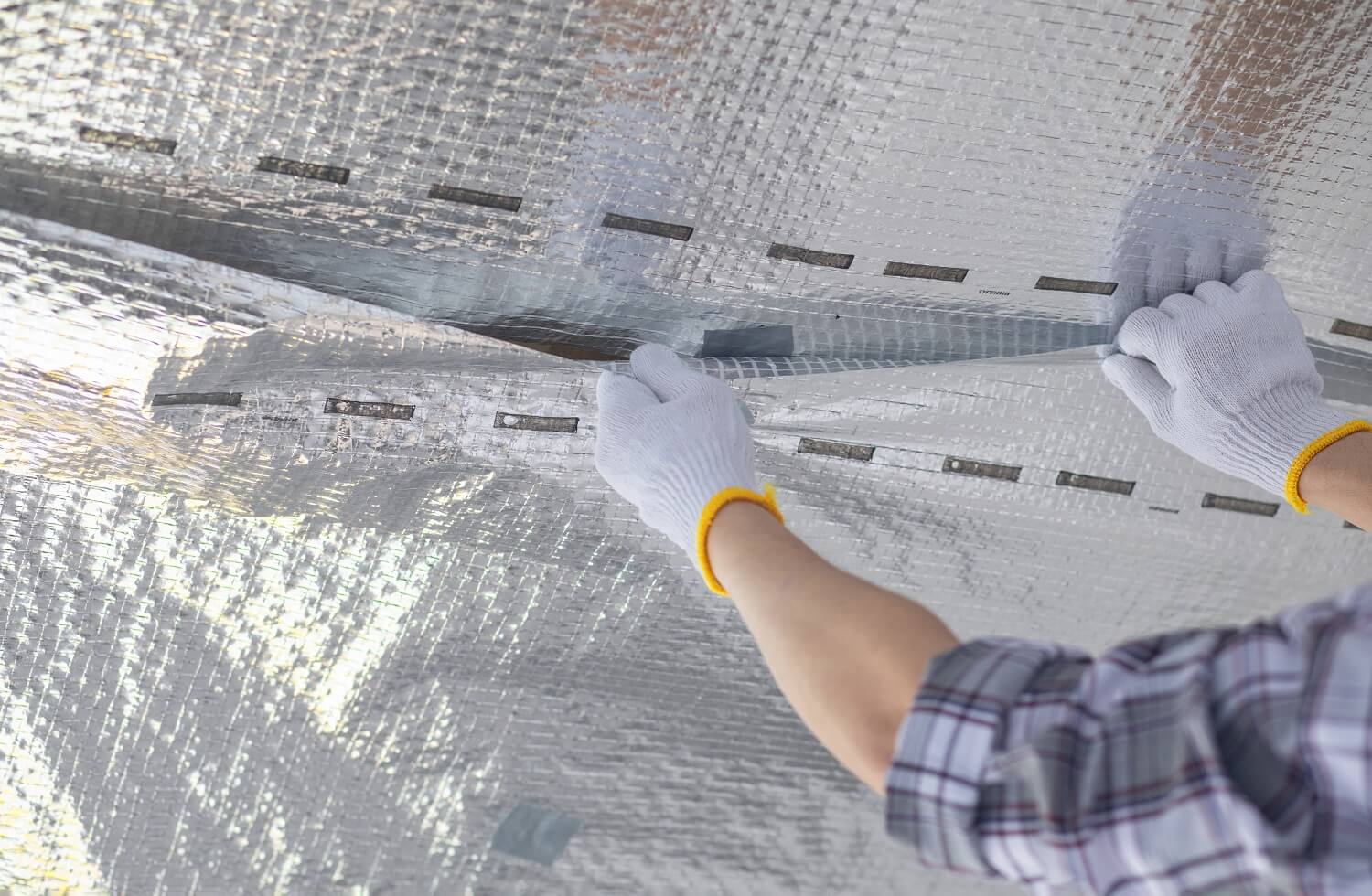
A radiant barrier is an effective method of reducing heat build-up in your attic, thus keeping your cooling costs down in the summer months. This barrier—installed in the attic as either a one- or two-side aluminum foil or a spray-on coating—reflects radiant heat, instead of absorbing it.
Installing a radiant barrier is a great way to reduce your energy bills during the hotter part of the year, and it’s not too expensive. Just how much you spend to install a radiant barrier depends on a few factors.

You can choose from two main types of radiant barriers: foil and spray coatings. Foil radiant barriers tend to be cheaper (though the two-sided foil is more costly) and are easier to install on your own.
On average, one-sided radiant barrier foil insulation costs from $0.10 to $0.25 per square foot, though costs for high-quality material can go as high as $0.50 per square foot. Two-sided radiant barrier foil reflects heat both ways, which makes this type more efficient; expect to spend from $0.50 to $0.90 per square foot, for materials alone.
Spray coatings are slightly less effective than foil barriers, and they can be more challenging and dangerous to install (because of the volatile organic compounds). However, radiant barrier spray coating is easier to apply in hard-to-reach areas. Spray coatings are generally sold in 5-gallon buckets; when applied properly, you’ll spend from $0.65 to $1 per square foot.
| Radiant Barrier Type | Cost Per Square Foot |
|---|---|
| One-sided foil radiant barrier | $0.10 – $0.50 |
| Two-sided foil radiant barrier | $0.50 – $0.90 |
| Spray-on radiant barrier | $0.65 - $1.00 |
If you’re comfortable with DIY work around the house, you may be able to save money by installing a radiant barrier yourself. However, you’ll need to purchase the supplies and, potentially, tools you don’t already have around the house. Because the work can be tough (and has to be performed in a hot, sometimes tight space)—and because precision is key during the installation—we highly recommend hiring a professional.
Get quotes from multiple attic insulation contractors near you and ask their pricing per square foot. On average, contractors charge between $0.60 and $1 per square foot to install both foil and spray-on radiant barriers. That comes out to roughly $30 to $80 per hour.
It’s hard to think about the total project costs for installing radiant barriers when you see the price per square foot. Instead, it’s more helpful to think in terms of project cost for the entire space.
The table below shows how costs might vary depending on the size of the attic space in which you’re installing the barrier.
| Square Footage | Total Installation Cost |
|---|---|
| 500 | $350 – $1,000 |
| 1,000 | $700 – $2,000 |
| 1,500 | $1,050 – $3,000 |
| 2,000 | $1,400 – $4,000 |
Radiant barriers are ideal for reflecting heat, but to truly minimize your energy consumption, the barrier should be combined with attic insulation. If your home does not already have attic insulation, you’ll want to consider both at the same time. On average, attic insulation costs $2,500.
How much you spend on insulation depends on the type of insulation you choose:
Blown-in insulation costs between $0.50 and $2.30 per square foot.
Spray-foam insulation costs between $0.44 and $3.00 per board foot.
Fiberglass insulation costs between $0.30 and $1.50 per square foot.
Another cost consideration with radiant barrier installation is attic ventilation. Radiant barriers work best with a well-ventilated attic, which may require additional investment. For instance, installing an attic fan costs $625 on average.
According to Angi data, 11% of homeowners who install blown-in insulation also opt to install energy-saving radiant barrier protection. Other common add-on services include removing old insulation, installing sound proofing, and insulating hot water pipes.

Installing a radiant barrier pays off in the long run. The Department of Energy reports that radiant barriers have been shown to reduce cooling costs by 5% to 10% for homeowners in warmer, sunny climates.
The average electric bill across the U.S. is $137 a month, according to the U.S. Energy Information Administration. A 5% to 10% reduction is $6.85 to $13.70 a month in savings—or $82.20 to $164.40 a year.
But if you’re thinking about installing a radiant barrier, you likely live in a hotter climate and thus have a higher-than-average monthly electric bill, especially during the warm months. Floridians, for instance, spend an average of $272 a month on electricity, per Energy Sage. A 5% to 10% reduction due to a radiant barrier installation would mean $13.60 to $27.20 a month in savings—or $163.20 to $326.40 a year.
In the long run, installing an attic radiant barrier could be well worth the cost.
Roughly half the project cost of a radiant barrier comes from labor, so you can save money by doing it yourself. However, the installation work is challenging and can also be dangerous. To get the most efficiency out of your radiant barrier, it’s best to always hire a local attic insulation company.
Installing a radiant barrier requires specialized expertise. Here’s why it’s best to hire an experienced pro for the job:
Professionals have the specialized tools and techniques to safely install a radiant barrier in attics, ceilings, or walls.
Professionals know how to install radiant barriers to maximize your home’s efficiency and prevent heat buildup.
Hiring a reputable pro ensures your project complies with building codes and insulation standards.
Professionally installed radiant barriers reduce energy costs, improve comfort, and add value to your home.
To help out your pro, consider assisting them with the following tasks:
Remove boxes, storage, and belongings from your attic to provide your pro with easy access
Inspect your attic for visible leaks, pests, or damage to the insulation
Prepare ladders, lights, and safety equipment for your pro
Clean up your attic and dispose of debris once the job is complete
Discuss with your pro which type of radiant barrier, such as one-sided, two-sided, or spray-on, best fits your budget and preferences.
Provide your pro with the precise measurements and layout of your space.
Ask your pro about additional fees for spray-foam insulation, blown-in insulation, or attic fans.
Let your pro know about any leaks, pest infestations, or attic damage that could affect the cost and complexity of your project.
Home is the most important place on earth, which is why Angi has helped more than 150 million homeowners transform their houses into homes they adore. To help homeowners with their next project, Angi provides readers with the most accurate cost data and upholds strict editorial standards. We extensively research project costs to develop the pricing data you see, so you can make the best decisions for you and your home. We rely on reputable sources, including the U.S. Bureau of Labor Statistics, academic journals, market studies, and interviews with industry experts—all to ensure our prices reflect real-world projects.
Want to help us improve our cost data? Send us a recent project quote to [email protected]. Quotes and personal information will not be shared publicly.
I would recommend this company to anyone! He showed up on time, was friendly, completed a very difficult repair on our dryer vent cover, was responsive, and pricing was extremely fair and competitive. I would have him back to do any of our repairs or cleanings without hesitation!
 U.S.A. Dryer Vent, LLC
Best cleaning I've had at my property
I conferred with 2 other contractors before Armstrong Electric. Nick and his crew showed me that the project was not as convoluted as the other contractors made it appear to be. They completed the entire project on time. They were professional, friendly and cleaned up after at completion. I...
 ARMSTRONG ELECTRIC, LLC
The technician was very professional and friendly. He answered all my questions and was very thorough. He left the fireplace area very clean . He inspected from the roof and advised me as to other work that might need to be done. There was no pressure there. I was very satisfied with the...
 Supreme brick & chimney
Our exterior looks brand new thanks to Custom Paint Jobs LLC. Theyre the best in town!
 Custom Paint Jobs, LLC
Excellent experience with hiring Tether House to Mount our 77’ Samsung TV in our bedroom. Fast, friendly, and knowledgeable. Highly recommend.
 Tether House
The techs on my project, Shawn and Cliff, were great. They were prompt, courteous, and efficient. I am very happy with the results and would definitely contact Mr. Electric for any future electrical projects.
 Mr. Electric of Columbus
We had our houses windows and back door replace this summer by Window Depot USA of Central. He gave us grate advise and saved my family lots money. The team did a fantastic job with installation. If you need help, they sure get job done right!
 Window Depot USA of Central Ohio
Beginning with the estimate, Larry and Peyton were super helpful in getting my new condo's interior re-painted. Not only was the job well done, but also done in a super timely manner as promised.
 Five Star Painting of Plain City and Powell
Great job...edging and pre clean up went well with a great job with seal coat. Friendly, efficient and professional.
 All Star Paving and Sealing
From average costs to expert advice, get all the answers you need to get your job done.
Get expert insights on radiant heating repair cost, including average prices, cost factors, and ways to save. Learn what impacts your radiant heating repair bill.

Warm floors, warm feet. Learn how much radiant heated floor costs, types of radiant floor heating systems, and pros and cons.
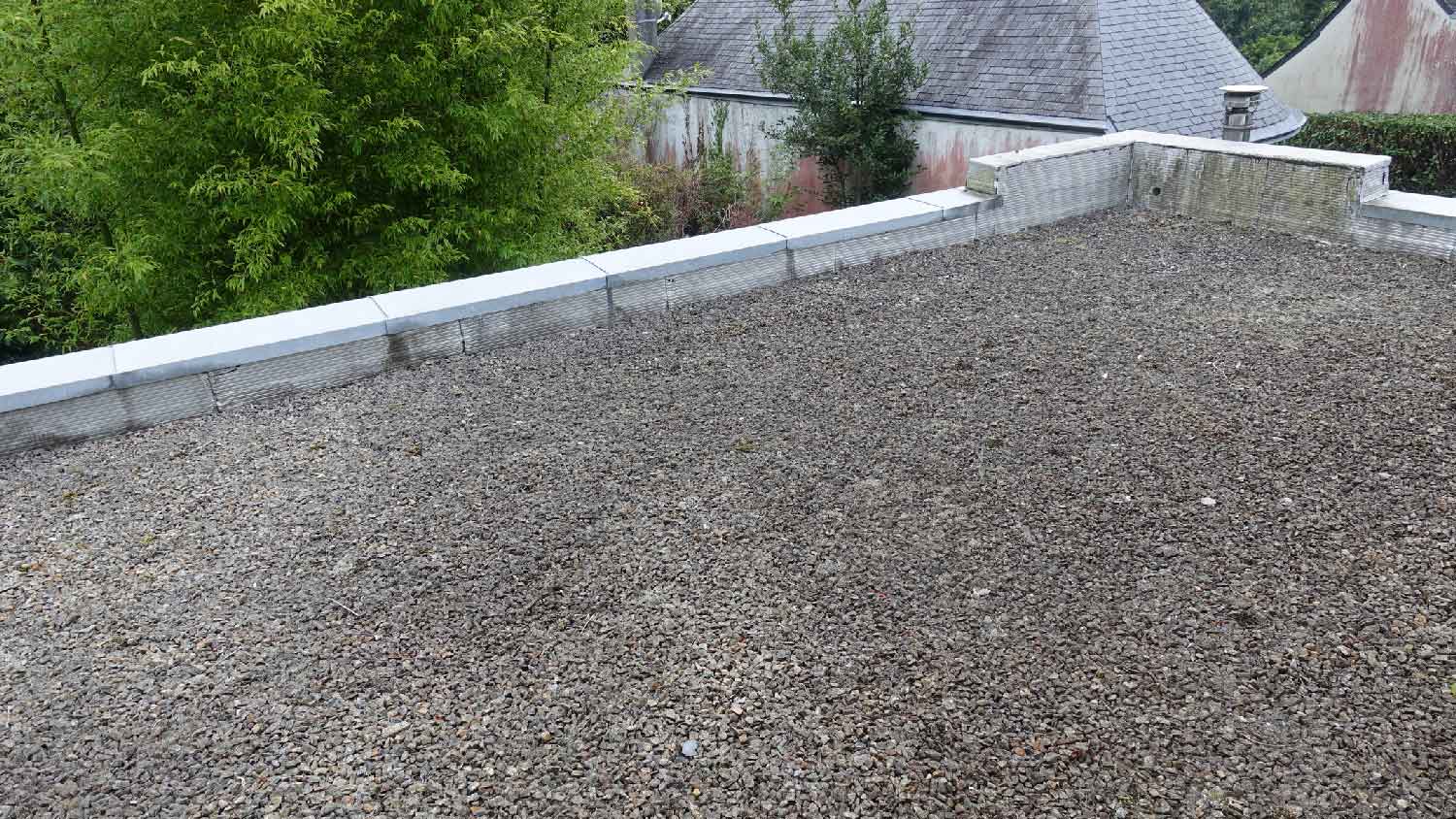
If you need a new flat roof, learn about tar and gravel roof costs and what can affect your total to make sure you budget accurately.
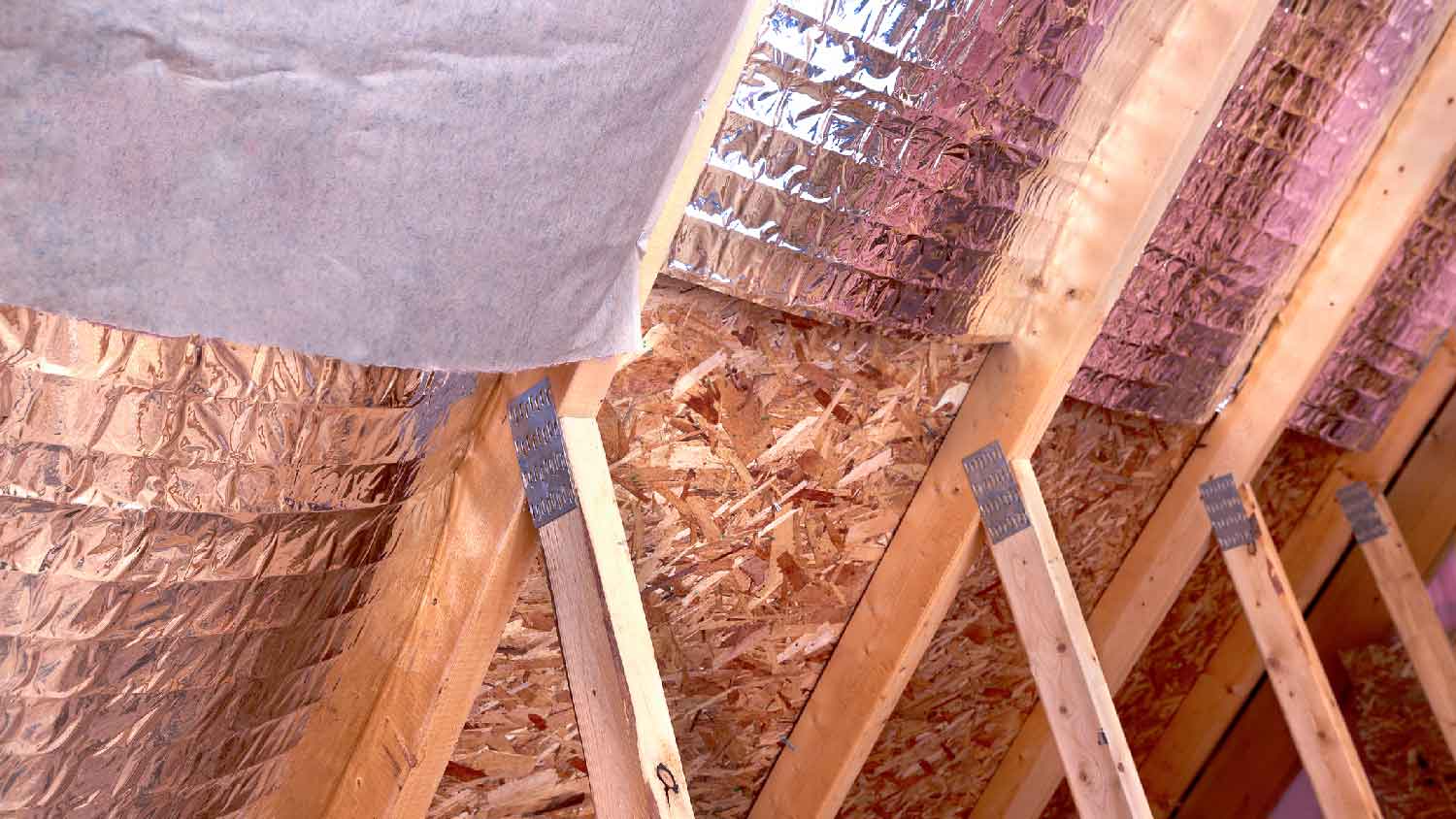
Is a radiant barrier worth it for your home? It depends on the climate where you live, installation factors, and the cost of keeping your home cool.
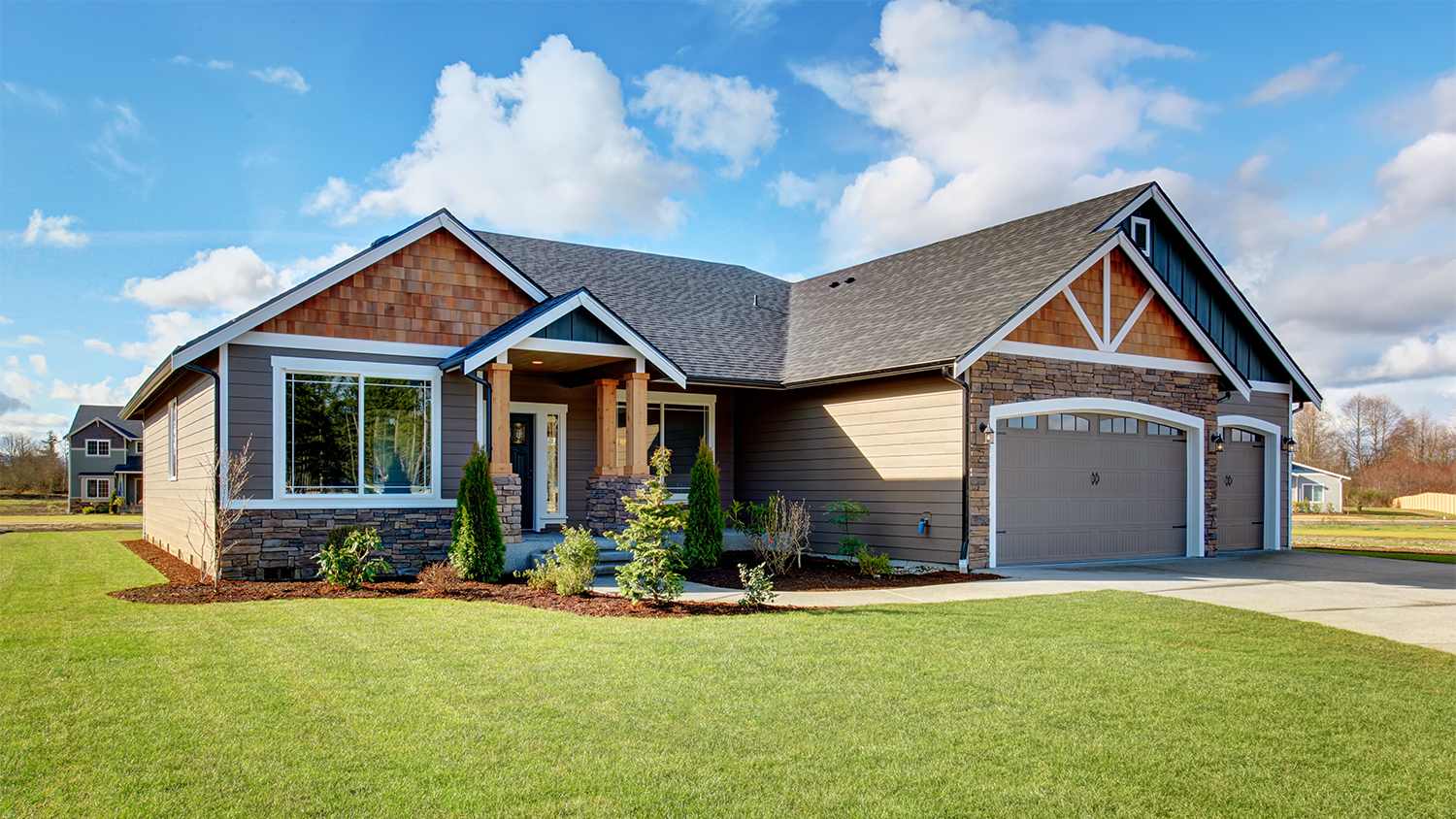
Radiant barriers reflect heat away from your home, but are they worth it? If you’re wondering whether radiant barriers work well, then keep reading to find out.
How does a radiant barrier work? This alternative insulation is effective at cooling a home, but its unique mechanism won’t provide the same heating benefits.