
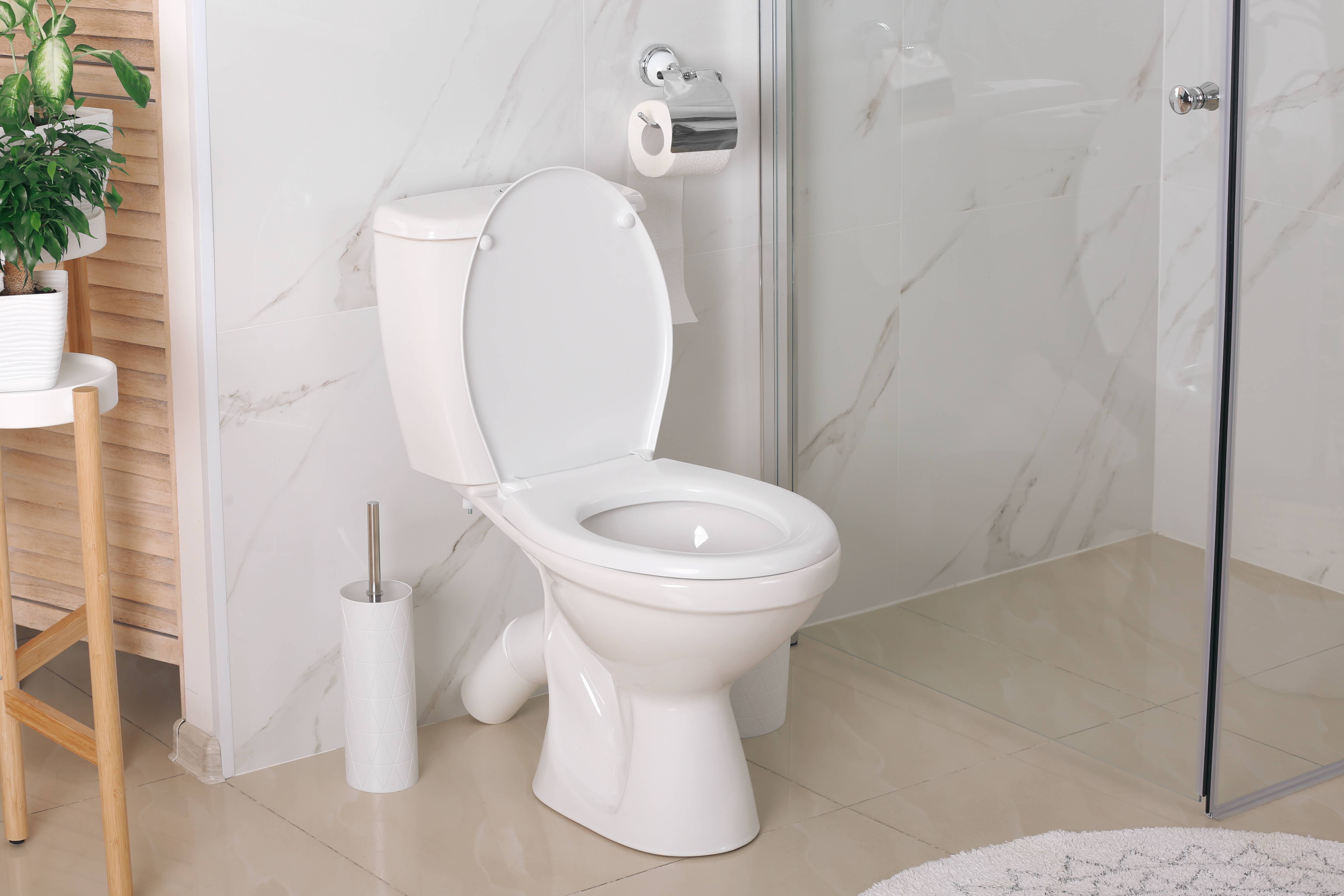
If your toilet isn't flushing properly or is overflowing, don’t panic. This guide explains how to adjust the water level in your toilet bowl.
On windy days, the water in your toilet bowl drops due to decreased pressure within the plumbing system

Toilet water moves during windy weather when strong winds blow across your vent stack opening, lowering air pressure in the drainage pipe and creating suction.
A clogged vent stack from debris, ice, or snow causes slow drainage and gurgling noises, and installing a screen or pipe insulation helps prevent blockages.
You can adjust your toilet water level or check for pipe placement issues, as pipes pitched toward the toilet instead of away can affect water levels.
Hiring a local plumbing professional provides reliable help with vent stack clogs, pipe placement problems, and wax ring issues that cause odors or water splashing.
Have you ever noticed that on a windy day, your toilet water seems lower than usual? This is actually a common occurrence and, luckily, is not usually a cause for concern. This phenomenon is related to the air pressure within the toilet system. You can understand it better thanks to a scientific principle on fluid dynamics called Bernoulli’s principle.
Yes, this equation that focuses on fluid dynamics can also apply to the fluctuation of toilet water levels. The principle states that when there is an increase in fluids, there is a simultaneous decrease in pressure.
In the case of your toilet water levels, when pressure shifts within the pipe system, the water in the toilet bowl is consequently affected. With a decrease in pressure within the pipes, there is a suction effect. The toilet water is pulled to this area of low pressure, and as a result, water levels drop.
You can further understand this phenomenon by considering how the vent stack contributes to the toilet system. To troubleshoot this issue, you can try adjusting the water level in the toilet bowl.

Most households feature plumbing systems that include a vent stack. Within the plumbing system, the vent stack serves to transport sewage gases outside and prevent their odors from coming inside. In addition, it allows for air to flow through the pipes, which results in the wastewater draining effectively.
The vent stack extends from the downward-leading drainage pipe and up through the roof—as a result, the open air directly on top of the stack can affect the air pressure in the toilet.
When the water level in your toilet drops, the vent stack is likely the culprit. The outside air flows directly on top of the highest opening of the vent stack, so when there is a storm (or powerful winds), the winds can blow through this opening, lowering the air pressure in the drainage pipe.
Without strong winds, the air pressure within the vent pipe is lower, causing an increase in air pressure in the toilet. The air pressure increases throughout the toilet plumbing, resulting in higher water levels in the toilet bowl. Basically, when the wind fluctuates, the water levels in the toilet bowl tend to respond accordingly.
When debris builds up within the vent stack, the negative pressure within the plumbing system leads to slow drainage and loud, gurgling noises in your toilet. If the problem goes unfixed, you risk having issues such as a clogged drain or sewer smells.
To avoid this problem, you can install a screen or filter over the top of the vent stack.
Note: Sewer odors can pose health risks, so it’s important to call a plumber near you if this issue persists.
During stormy weather, ice and snow can cause a clogged vent stack. You can fix this by installing a pipe insulation system around the vent stack.
Another issue that could be contributing to lowered water levels in the toilet bowl is the pipe placement—the pipe leads wastewater away from the toilet. It should be pitched away from the toilet. If it’s pitched toward the toilet, this may affect the water level.
Additionally, if there is any obstruction to the pipe (a crack or opening), the water level could change since water is leaking. If you notice water leaking anywhere around the toilet, you should call a local plumber immediately. While you can implement temporary fixes for pipe leaks, it’s important to repair the pipes quickly, as leaks can cause structural damage and even pose health risks.
The wax ring is between the toilet and closet flange on the floor—the flange secures the toilet to the floor and connects to the drainpipe. If you notice water splashing on the floor or foul odors coming from the bathroom, the wax ring could be working ineffectively. The wax seal should last your toilet’s life, so if you observe these odors after a windy day, call a plumber to diagnose the issue.
Positive experience. As previously stated, the replacement/repair could not be completed (no fault of the plumbing tech) b/c misinformation was rec?d by property management maintenance. Thanks to the plumbing tech for your efforts. Appreciate you!
 The Waterworks
If you want to pay the most exorbitant prices possible for your job, this is the company for you. “By the job” pricing is a rip-off, at least how these people use it. Every job is plugged into a category and prices are set by category. You might have a job that takes half an hour or one that...
 Benjamin Franklin Plumbing
Cole has been handling plumbing and general contracting for our four properties over the past three years, and he’s always done a great job. Most recently, he installed a sink and countertop in our retail store where none existed before, and it turned out exactly how we needed. He’s...
 ANB Renovations LLC
Matt is a consummate professional. The work turned out to be far more difficult than expected and rather than turn the job down, Matt rose to the occasion and completed a near impossible task. I can not recommend Greene's Plumbing Service more highly. On a scale of 1-5 I would give Matt a...
 Greene's Plumbing Service
Involved an extensive bathroom remodel, including removing tub & installing walk in shower, new drywall, custome tile work to ceiling, plumbing, etc. Overall, job was done on time and on budget. Nick & his team were very professional and had high attention to detail. Quality was great. Highly...
 Stamos Flooring and Remodeling LLC
Awesome company. Had a jacuzzi tub taken out and replaced with huge walk in shower with partial glass enclosure. Onyx to the ceiling with a decorative border, moved plumbing and installed hand held shower, new ceiling, flooring, and paint. Replaced window with glass block. Everything was done...
 Columbus Bath Design
The initial quoted price from a walk-through seemed high, but we discussed that the quote represented worst case scenario (re-wiring to two floors) and we were excited about the opportunity to have the work done in a timely manner with closing for fire safety reasons, etc. When the job was...
Initially, I called the Service People to have a leaking garbage disposal replaced. I had purchased a special deal through Angie's List: $79 for $200-worth of plumbing services. <br /> When I went to schedule the work, the earliest date I could get through Angie's List was after the upcoming...
This company did a very good job on the brick wall and it looks just amazing. The staff was always professional and was practically OCD on how the bricks were stacked and how they were laid. Although it took longer than expected, I am willing to sacrifice time over perfection anyday. The...
 My Handy Mate LLC Improvement & Remodeling
<p>I am so glad we called Rotor-Rooter. I was hesitant to call them because we usually prefer to give business to local providers. But when we had sewage back up in our basement on a Saturday evening, I had a hard time getting a hold of someone, not to mention the high weekend/evening rate...
 Roto-Rooter Plumbing & Water Cleanup
From average costs to expert advice, get all the answers you need to get your job done.
If your toilet isn't flushing properly or is overflowing, don’t panic. This guide explains how to adjust the water level in your toilet bowl.
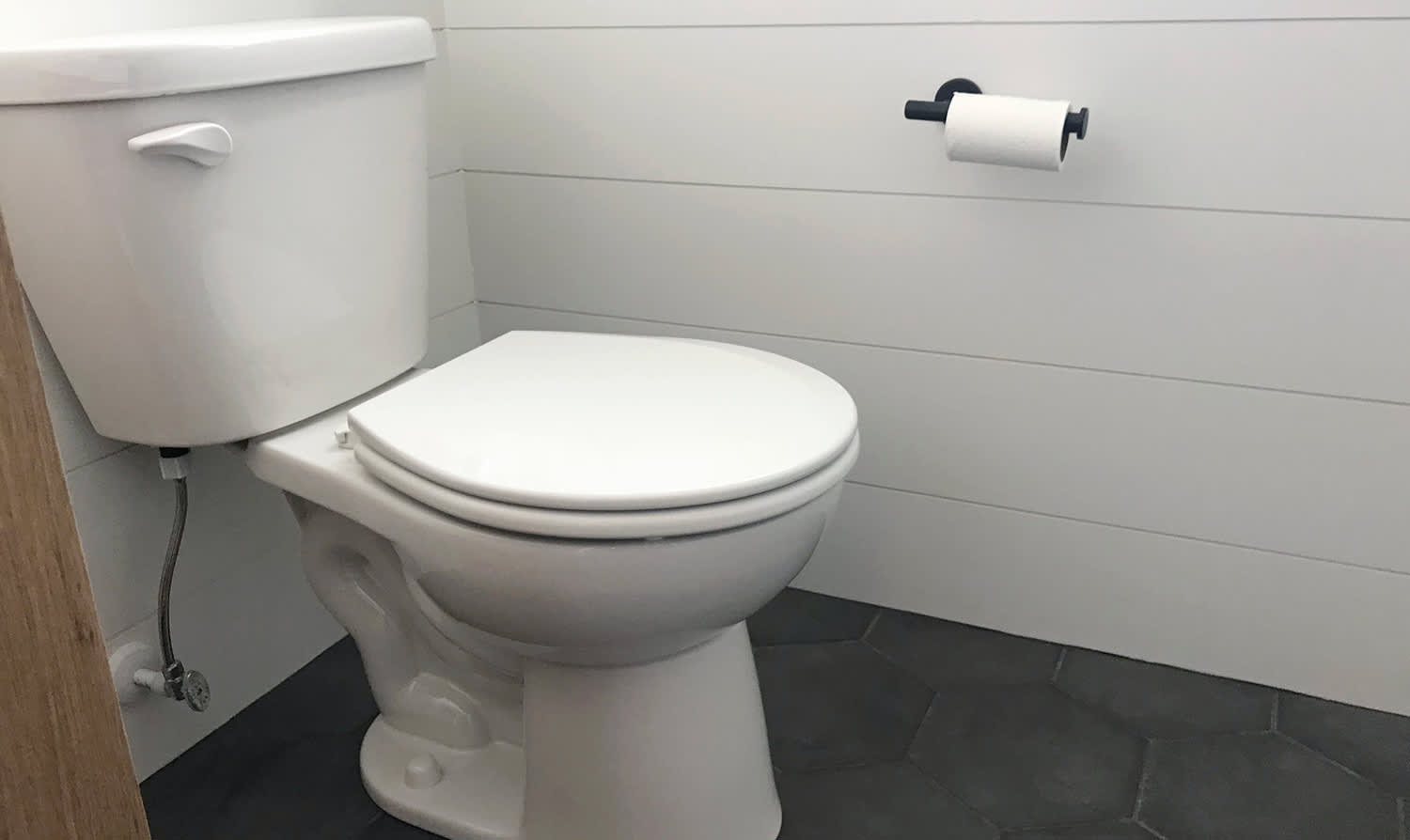
Read these 9 tips for inspiration on how to reduce your toilet’s water usage
Does your toilet water rise and then slowly drain? Find out common reasons why this is happening and how to fix them to get your toilet up and running again.
Wondering why you have low water in your toilet bowl? Use this quick and easy DIY guide to diagnose and fix the problem in no time at all.
Drop-in toilet cleaners can harm components in your toilet and cause it to malfunction. Learn about why you should avoid drop-in cleaners and how to clean your toilet more efficiently.
When jiggling the handle doesn’t work, it’s not always clear how to solve a toilet problem. This guide offers tips to fix six common toilet problems homeowners face.