

Before hiring a pro, you may be able to fix a short circuit on your own. Learn how to fix a short circuit with our step-by-step DIY guide.
Don’t short circuit over a short circuit

A short circuit is what happens when electrical current flows abnormally through two conductors in your circuit, causing an overload that can damage outlets or start fires.
Expect to pay $2 to $4 per square foot for rewiring or $500 to $2,100 for electrical panel replacement when short circuits damage your home's system.
Water exposure, loose wires, poor insulation, and old or frayed electrical wiring are common causes that lead to short circuits in your home's electrical system.
Hiring a local electrical professional provides reliable help diagnosing circuit breaker issues and repairing damaged wiring, keeping your home safe from electrical fires and shocks.
While you may not think twice about a sudden breaker trip in your older home, a short circuit is a serious event that can trip a breaker. Short circuits can put your home at risk of structural fires and electrocution. Read this guide to learn about what a short circuit is and what you can do to identify, fix, and prevent short circuits in your home’s electrical system.
A short circuit is a situation where an electrical current flows abnormally through two conductors in a circuit, causing an overload. The current in the circuit travels down an undesignated pathway with minimal or no electrical resistance. A short circuit can damage the outlet, device, or light fixture, leading to a structural fire. If you’re in the wrong place at the wrong time, it can even cause electrical shock.
Several causes can lead to electrical short circuits. Knowing the causes can help you jump into action when a short circuit occurs. Here are some of the most common causes of a short circuit:
Water exposure to your electrical wiring
Loosened wires around the terminals in the electrical receptacle box
Poor insulation or lack of electrical tape around the wires
Old, damaged, or frayed wires
Electrical surges
Deteriorated cables

When a short circuit occurs, you won’t always know that it’s about to happen. However, there are signs you can familiarize yourself with to increase your likelihood of detecting a short circuit sooner. Signs of a short circuit include:
Telltale sounds like sparks, buzzing, or popping sounds
A blown fuse or tripped circuit
Flickering or dimming light fixtures
Charred light switches or faceplates
Burning smells
Two types of short circuits can happen in your home. You can have a normal short circuit, which occurs when a hot wire gets in contact with a neutral wire, or a ground-fault short circuit, where a hot wire comes in contact with a grounded surface.

To help protect your home from short circuits, electrical systems can have five main defense mechanisms: circuit breakers, fuse boxes, surge protectors, ground-fault circuit interrupters, and arc-fault circuit interrupters.
Circuit breakers function like resettable fuses. When a circuit breaker detects a change in the flow of an electrical current in your home, it quickly breaks the connection by switching off the breaker to that circuit, also known as tripping the circuit breaker.
Older homes may have fuse boxes versus circuit breakers. Fuses work similarly to circuit breakers. In the presence of an electrical current overload, the fuse blows to protect your home from electrical damage or fires.
To protect your electronics from short-circuiting, surge protectors can help prevent electrical surges from reaching your devices. Installing a whole-house surge protector offers the best protection from electrical surges in your home.
A ground-fault circuit interrupter (GFCI) outlet helps protect you from electrocution. These outlets continuously detect currents in a circuit and automatically interrupt electricity in the presence of a ground fault.
Also called an arc-fault detection device, arc-fault circuit interrupters (AFCIs) help to prevent electrical fires in homes and buildings. AFCIs detect abnormal arcing conditions and work best in combination with GFCIs to protect your home from circuit faults.
In most cases, you’ll need a professional to fix a short circuit. Electrical repairs can be dangerous if you don’t have experience dealing with live wires, electricity, and circuits. At the same time, some issues with your electrical system that cause short circuits are easier to fix than others.
Before you call in the pros, you can follow these steps to narrow down the cause of your short circuit to see if you can fix the issue at home.
Look in your electric service panel to see if there are any tripped circuit breakers.
Inspect the outlets in the room or rooms associated with the tripped circuit breaker.
Be on the lookout for signs of damaged devices, light switches, or outlets.
Turn off the power, and check inside electrical receptacle boxes and light fixtures for issues with the wiring.
If possible, scan wires in your walls with a flashlight for rodent damage or corrosion.
Finding a short circuit can feel like searching for a needle in a haystack if you’re unfamiliar with electrical wiring. Not to mention, it’s dangerous for the average homeowner to tinker with electricity. The fastest and headache-free way to get to the bottom of electrical issues in your home is to contact a certified electrician near you.
I recently had Mosby Electric perform an electrical installation on 8-14-2026, and I couldn’t be more satisfied with the service. From the moment I called, their team demonstrated fast arrival and professionalism. The electricians were highly knowledgeable, completing the installation...
 Mosby Electric
Great company! Price was competitive, technician showed up on time and completed the job (exterior electric Radon fan replacement) quickly. Would hire them again.
 MaGen Property Inspections and Radon Mitigation
I conferred with 2 other contractors before Armstrong Electric. Nick and his crew showed me that the project was not as convoluted as the other contractors made it appear to be. They completed the entire project on time. They were professional, friendly and cleaned up after at completion. I...
 ARMSTRONG ELECTRIC, LLC
The techs on my project, Shawn and Cliff, were great. They were prompt, courteous, and efficient. I am very happy with the results and would definitely contact Mr. Electric for any future electrical projects.
 Mr. Electric of Columbus
Victor was wonderful. He was on time, professional, and explained everything he was doing. He was thorough and figured out that the problem was electrical instead of with my HVAC system. Very knowledgeable. I will be using this company in the future for any HVAC needs. Thanks!
 Hubbs Heating & Air LLC
They were excellent. They did a great job. I was totally satisfied. They put tremendous effort in making sure the work was completed. They were great. They provided immediate response to any inquires I made. I would hire them again. I would recommend them to anyone who needs electrical work....
 JCB & Associates, LLC DBA Property-Tech Industries
Initially, the repairman could not find the problem. Apparently, there was some electrical shortage, but he could not find the definite problem. He left, but called back later to say he had a new idea. He returned and replaced the light switches on the doors. The refrigerator seemed to return...
 Appliance Pro LLC
The initial quoted price from a walk-through seemed high, but we discussed that the quote represented worst case scenario (re-wiring to two floors) and we were excited about the opportunity to have the work done in a timely manner with closing for fire safety reasons, etc. When the job was...
I have to tell you I am all about customer service - I will go out of my way and even pay more for it if you give me great customer service. <br> <br>In a world where this is hard to find, these guys were awesome! I can not sing their praises enough. They were prompt, personable, funny, got...
 Waibel Electric
When I challenged the markup on the generator, Bruder Electric withdrew its bid. They only want naïve customers.
From average costs to expert advice, get all the answers you need to get your job done.
Before hiring a pro, you may be able to fix a short circuit on your own. Learn how to fix a short circuit with our step-by-step DIY guide.
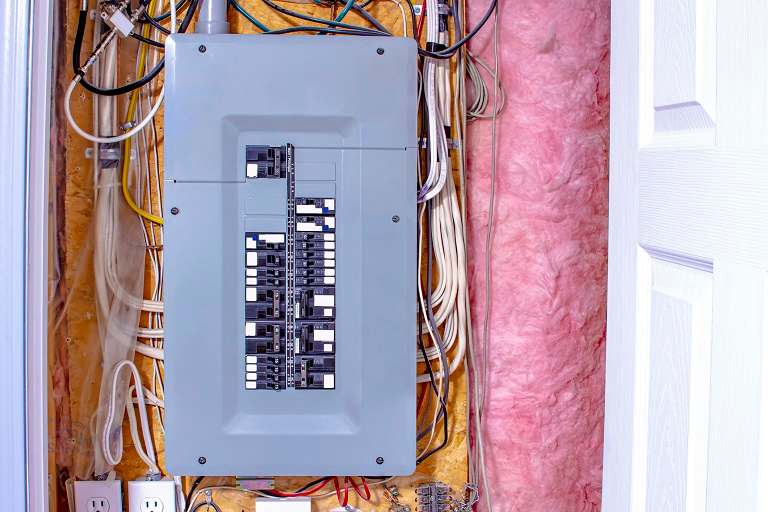
When you need to figure out how to find what is tripping your circuit breaker, our guide can walk you through the possible causes and how to identify them.
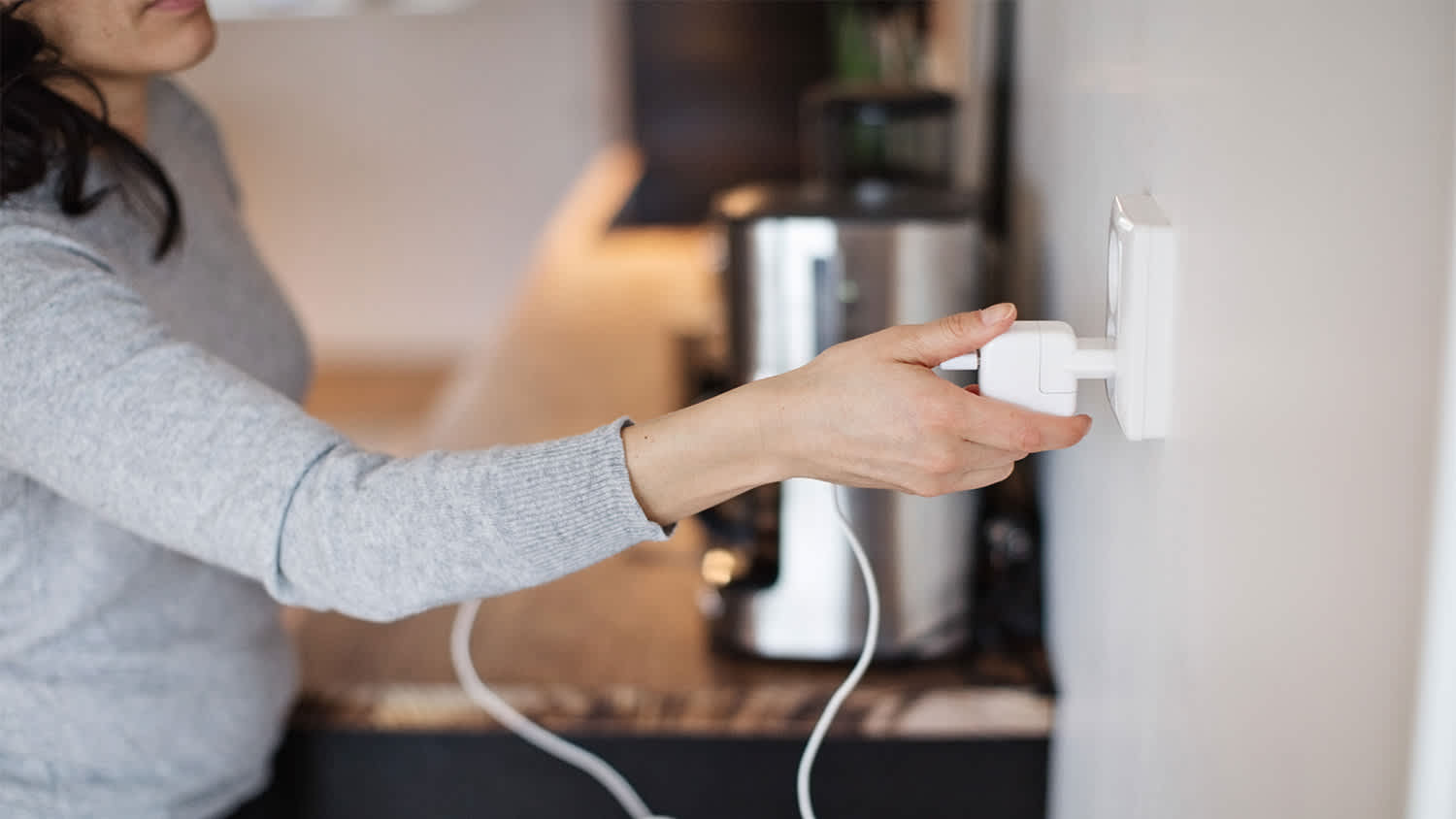
If your circuit breaker keeps tripping when you use the toaster or coffee maker, learn why it’s happening and how to fix it.

There are a host of reasons why your circuit breaker switch won’t stay on. Troubleshoot to find out if you can fix it yourself or need to call the pros.

A blown fuse or tripped circuit can create many electrical problems in your home. Learn how to tell if a fuse is blown, what caused it, and what to do about it.

Circuit breaker boxes give you the electricity you want and the safety you need in your home at the convenience of a switch. This guide will give you a comprehensive view of everything you need to know about your breaker box.