


Garbage disposals last five to 10 years, and replacement is preferred over repairs. Here’s everything you need to know about replacing your garbage disposal.
Electrical service costs depend on your project and location. Check with a local pro for your specific job.

Professional electrical panel upgrades cost between $1,200 and $2,000 for your home, and amperage drives your total price.
The age of your home and current panel location determine drywall repairs or new wiring needs for your upgrade.
Remember to account for the cost of building permits and potential exterior meter box upgrades when you create your project budget.
Hiring a local electrical professional prevents fire hazards and ensures all connections meet the local building code for your home.
Whether you're replacing an old electrical system or tackling a major home renovation, the cost to update an electrical panel ranges from $1,200 to $2,000. Amperage plays a major role in your bottom line; the difference between a 100-amp and 400-amp electrical panel can span from $800 and $4,000. Here are all the cost factors to consider when estimating your final cost.
Your electrical panel is as unique as your home's design. Its capacity reflects how you use your home as well as its layout. Your current system's size, placement, and age will all determine the final cost to upgrade your electrical panel.
The higher the amperage, which measures the strength of the electrical current, the more expensive the upgrade due to increased materials, labor, and complexity of the installation. For example, upgrading to 200-amp service is more budget-friendly than upgrading to 400 amps.
Here’s how amperage affects the cost to upgrade an electrical panel:
| Panel Amperage | Cost (Panel Only) | Cost (Panel + Install) |
|---|---|---|
| 100 amps | $100–$200 | $800–$1,500 |
| 150 amps | $150–$250 | $1,300–$1,600 |
| 200 amps | $250–$350 | $1,300–$2,000 |
| 300 amps | $350–$500 | $1,800–$3,500 |
| 400 amps | $500+ | $2,000–$4,000 |
The layout and size of your electrical panel determine the cost, in addition to the amperage. When choosing an electrical panel, you'll find that each model has a range of spaces—or slots—for circuit breakers. Most spaces accommodate one circuit breaker, though tandem designs can accommodate two breakers at once.
Electrical panels typically have between 12 and 30 spaces in the standard home and can host the same number of circuit breakers or double that in tandem circuits. Prices for the panels alone—not including installation—will vary depending on the type of panel, its placement, and the amperage.
Here’s a breakdown of electrical panel costs by number of spaces:
| Number of Spaces | Average Cost Range |
|---|---|
| 12 spaces; 12–24 circuits | $60–$250 |
| 16 spaces; 16–32 circuits | $80–$300 |
| 20 spaces | $90–$500 |
| 30 spaces | $100–$600 |
On each electrical panel, the circuit breakers either come in their standard, tandem, or AFCI/GFCI configurations. The cost of each breaker then varies based on its amperage. While the cost to replace a breaker ranges from $100 to $200, including installation, the switches themselves break down to between $5 and $40 each on average. On the low end, for example, a standard 15-amp circuit breaker will cost an average of $8, while high-amperage AFCI/GCFI breakers can push up to $70 or higher.
The total cost to upgrade your electrical panel may depend on a few factors.
Hiring an electrician costs $1,500 on average, depending on the project. Labor takes four to eight hours at a rate between $40 and $250 per hour. This expense will make up most of your total cost since a licensed local electrician must install your electrical panel upgrade professionally—this isn’t a safe project to DIY.
You may need to factor these costs into your budget:
Rewiring inside walls: $1,500–$12,000
Circuit breaker box upgrade: $500–$2,000
Replace a circuit breaker switch or fuse: $100–$250
Install a subpanel: $400–$1,750
Electric meter box installation or replacement: $200 to $800
Cost to install electrical wiring or panel: $600 to $2,300
Rewiring an electric panel: $500 to $4,500
Fuse box replacement: $200 to $2,000
Replacing your electrical panel requires a permit, which typically ranges from $50 to $300, depending on your location. Most electricians handle the permit process, as most municipalities mandate that a certified electrician obtain the required permits. While most electricians include the permit cost in the total, confirming that with them is essential to avoid surprise expenses.
Depending on the project, you might need additional components, typically costing less than $50. The necessary materials for upgrading your home's electrical panel may include replacing worn-out wiring, damaged circuits, old receptacles, fittings, connectors, and fasteners to secure the new panel.
However, if you decide to relocate your panel further away from the electrical service connection point in your home, you may have to pay around $300 more for the additional wiring.
The location of the electrical panel differs significantly from one home to another, and some places are more accessible than others. In newer homes, the panel may be outside a weather-resistant box that is easy to access. However, if the electrical box is located indoors and your electrician needs to bore through a section of a wall to access the wiring or install new wiring, you may incur additional costs for the installation of your new panel and necessary drywall repairs.
It must be noted that even though you installed a new 200-amp-rated panel, the exterior wire and meter box is still only rated at 100-amp or 150-amp and will need to be upgraded to 200-amps to get the full benefit of your new panel


The cost of replacing an electrical panel ranges from $520 to $2,200, with an average price of around $1,300. While the most common reason for replacement is to upgrade the electrical panel, there may also be faulty parts to replace. If it’s not necessary to bump up the amperage of the electrical panel, you might consider purchasing replacement parts as an alternative.
Certain parts, such as the main breaker and fuse box, will likely have costs similar to replacing the electrical panel. In that case, it makes sense to spring for total replacement. It’s important to consider the overall lifespan of your electrical panel and whether you might want to upgrade to a higher amperage in the future.
Compare these costs against the cost to upgrade an electrical panel or replace it:
Main breaker: $500–$2,000
Fuse box: $1,500–$2,000
Main lug panels: $400–$1,750
Subpanel: $400–$2,000
Circuit breaker switch replacement: $100–$200
Electric meter box replacement: $500–$2,100
According to data from Angi customers, most wiring and panel projects (65.7%) involve upgrades to existing service. Upgrading service can be helpful if you’ve recently installed several new appliances, need an electric vehicle charger, or are constantly experiencing breaker trips. On the other hand, 34.3% of people need general electrical repairs, such as fixing blown fuses and flickering lights. If any of this sounds familiar, contact an electrician for assistance.
Budgeting for electrical work can be daunting, but you can use these tips to save on your project:
Get multiple quotes: Get a written estimate from at least three electricians in your area.
Bundle projects: Consider upgrading a panel during a larger home renovation project, especially if other electrical work is involved.
DIY what you can: While DIY electrical work is unsafe, with the right skills, you can handle your own painting or drywall patching and repair after the job is done.
Take advantage of potential tax credits: The IRS offers a 30% tax credit (up to $600) for upgrading to a 200-amp panel if it meets National Electric Code standards and supports energy-efficient improvements.
Upgrading an electrical panel won’t necessarily increase your home’s value, but it can make selling easier. A modern electrical panel improves safety, efficiency, and home value, making your property more appealing to potential buyers. This, in turn, can help you get the highest price when the time comes to sell.
If you hire an electrician near you, you’ll spend $40 to $250 per hour, for a total of $1,500 on average. Materials make up very little of the cost, with labor taking up roughly 95% of the project’s cost. This may seem like a major investment, but the risks of electrocution and house fires from a botched DIY installation could lead to serious harm or high repair costs.
Upgrading an electrical panel is a complex project, so here’s why you should hire an electrician:
Electrical updates can be difficult to install if you’ve never worked with electrical circuits before.
Even with prior experience, DIY electrical work can lead to electrocution, circuit damage, power outages, and house fires.
Many locations require you to work with a licensed and certified electrician for major electrical work.
Incorrectly installing an electrical panel can mean your house is not up to code.
Old, worn wires may need replacing, which can be a major project.
Trained electricians know all the ins and outs of upgrading electrical panels so that they’re up to code, safe, and under warranty.
Some homes need 30 or more spaces for electrical panels, which can take longer to install.
Your pro can acquire the proper permits for your particular municipality.
Pros have the equipment and skills to access hard-to-reach electrical panel locations.
If you still want to flex your DIY skills, you can help out by focusing on smaller tasks, like the following:
Locating your existing electrical panel
Shutting off the circuit breaker when the pro arrives
Clearing space to increase accessibility
Identify any signs that your home needs a new electrical panel so that your pro can confirm that it’s the right move for your electrical system.
Consider the amount of amperage your electrical panel should have for your existing and future electrical needs.
Discuss how many spaces your new electrical panel requires in order to support the correct number of circuits.
Check with your pro to see if you need additional upgrades to make your home up-to-code and safe.
Home is the most important place on earth, which is why Angi has helped more than 150 million homeowners transform their houses into homes they adore. To help homeowners with their next project, Angi provides readers with the most accurate cost data and upholds strict editorial standards. We extensively research project costs to develop the pricing data you see, so you can make the best decisions for you and your home. We rely on reputable sources, including the U.S. Bureau of Labor Statistics, academic journals, market studies, and interviews with industry experts—all to ensure our prices reflect real-world projects.
Want to help us improve our cost data? Send us a recent project quote to [email protected]. Quotes and personal information will not be shared publicly.
I recently had Mosby Electric perform an electrical installation on 8-14-2026, and I couldn’t be more satisfied with the service. From the moment I called, their team demonstrated fast arrival and professionalism. The electricians were highly knowledgeable, completing the installation...
 Mosby Electric
Great company! Price was competitive, technician showed up on time and completed the job (exterior electric Radon fan replacement) quickly. Would hire them again.
 MaGen Property Inspections and Radon Mitigation
I conferred with 2 other contractors before Armstrong Electric. Nick and his crew showed me that the project was not as convoluted as the other contractors made it appear to be. They completed the entire project on time. They were professional, friendly and cleaned up after at completion. I...
 ARMSTRONG ELECTRIC, LLC
The techs on my project, Shawn and Cliff, were great. They were prompt, courteous, and efficient. I am very happy with the results and would definitely contact Mr. Electric for any future electrical projects.
 Mr. Electric of Columbus
Victor was wonderful. He was on time, professional, and explained everything he was doing. He was thorough and figured out that the problem was electrical instead of with my HVAC system. Very knowledgeable. I will be using this company in the future for any HVAC needs. Thanks!
 Hubbs Heating & Air LLC
They were excellent. They did a great job. I was totally satisfied. They put tremendous effort in making sure the work was completed. They were great. They provided immediate response to any inquires I made. I would hire them again. I would recommend them to anyone who needs electrical work....
 JCB & Associates, LLC DBA Property-Tech Industries
Initially, the repairman could not find the problem. Apparently, there was some electrical shortage, but he could not find the definite problem. He left, but called back later to say he had a new idea. He returned and replaced the light switches on the doors. The refrigerator seemed to return...
 Appliance Pro LLC
The initial quoted price from a walk-through seemed high, but we discussed that the quote represented worst case scenario (re-wiring to two floors) and we were excited about the opportunity to have the work done in a timely manner with closing for fire safety reasons, etc. When the job was...
I have to tell you I am all about customer service - I will go out of my way and even pay more for it if you give me great customer service. <br> <br>In a world where this is hard to find, these guys were awesome! I can not sing their praises enough. They were prompt, personable, funny, got...
 Waibel Electric
When I challenged the markup on the generator, Bruder Electric withdrew its bid. They only want naïve customers.
From average costs to expert advice, get all the answers you need to get your job done.
Garbage disposals last five to 10 years, and replacement is preferred over repairs. Here’s everything you need to know about replacing your garbage disposal.
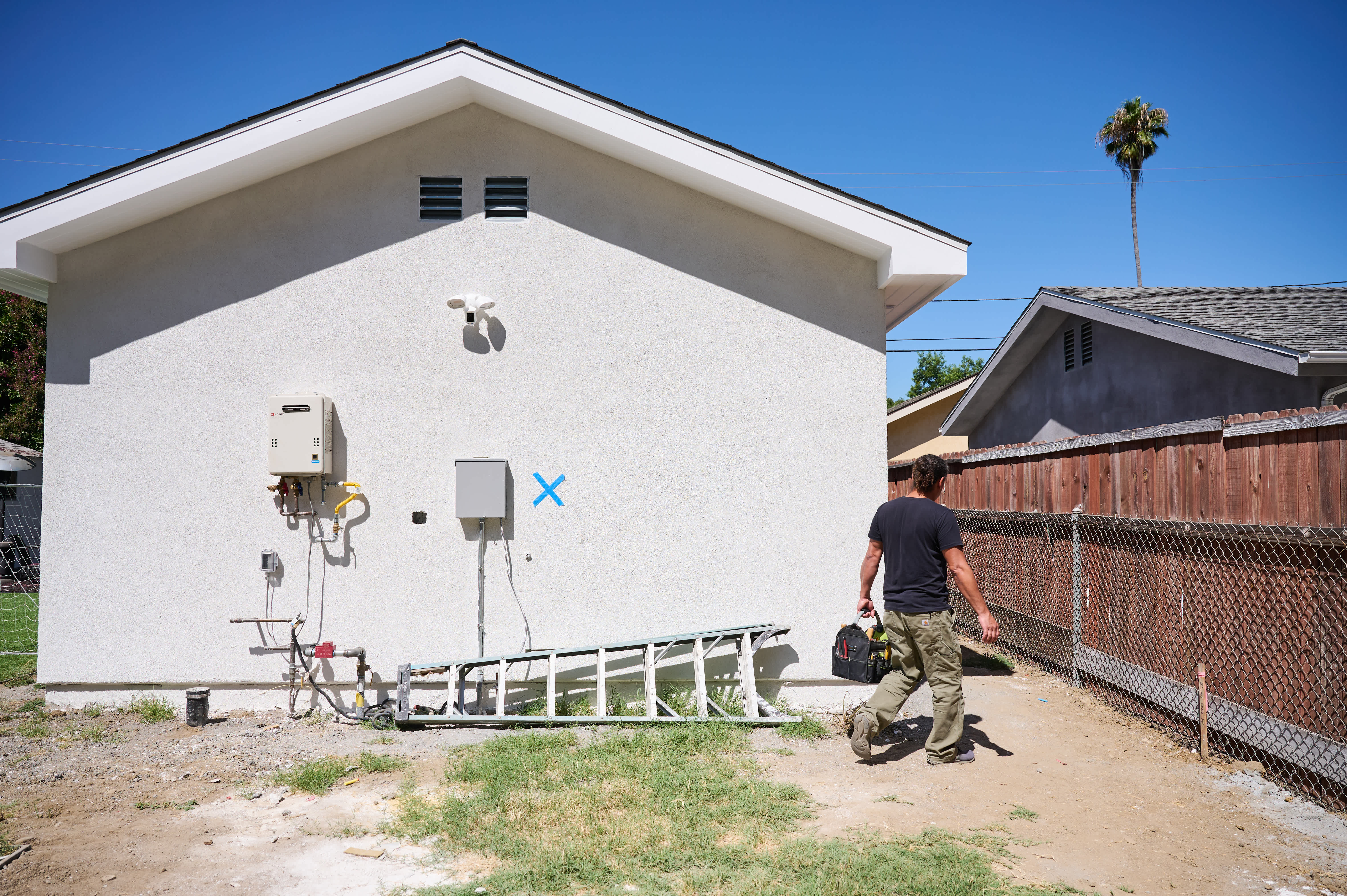
Before you hire a licensed electrical contractor, you should learn the cost to run electric from the road to your house so you can budget for the project.
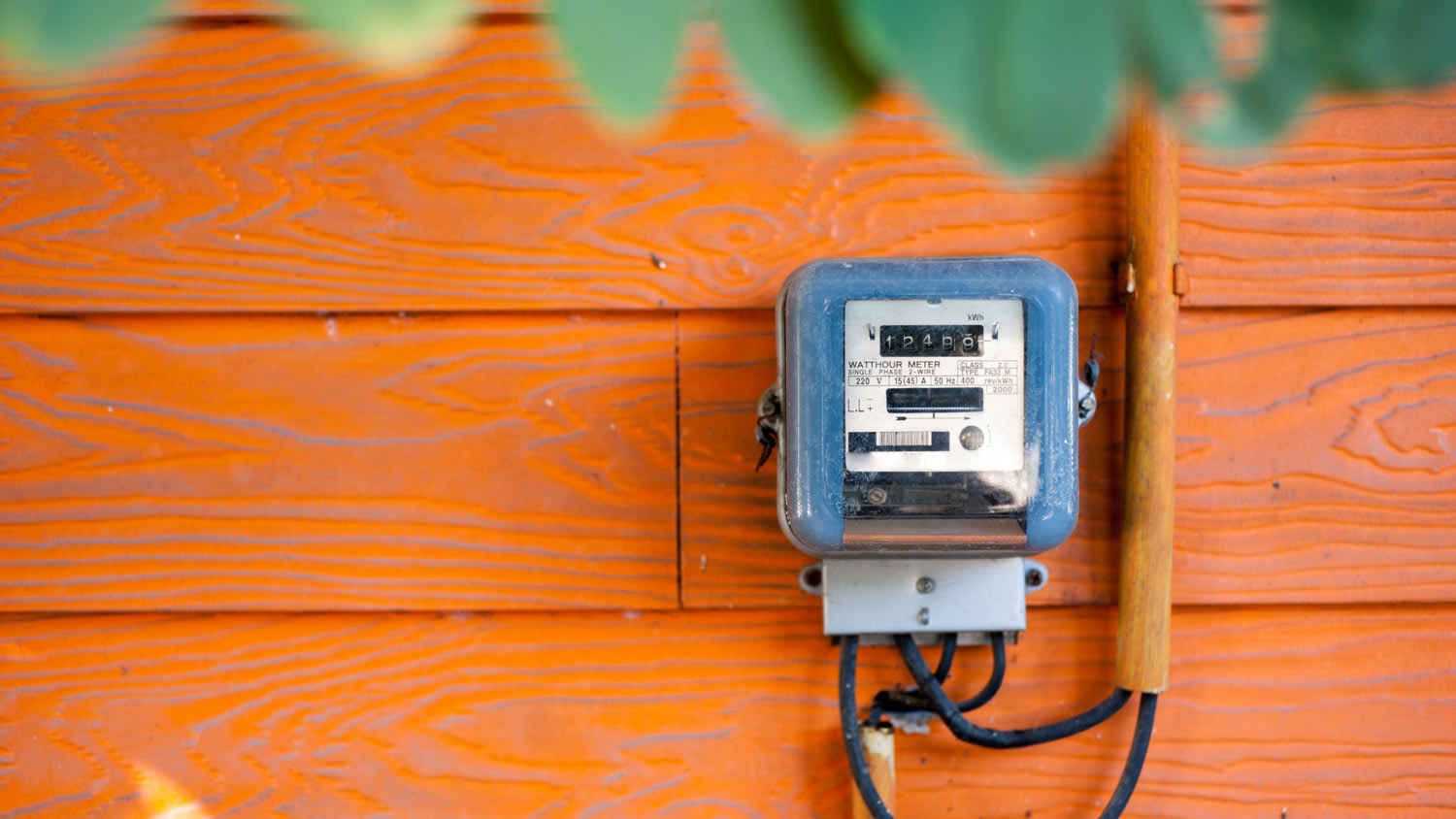
The cost to move an electric meter depends on how far you’re moving it, whether it needs replacing, and the cost of labor near you.
If your circuit breakers are shutting off, it may be time to upgrade your electrical panel and wiring to 200-amp service. Here's what's involved with upgrading to a 200-amp service so you can safely meet your home's electrical demand.
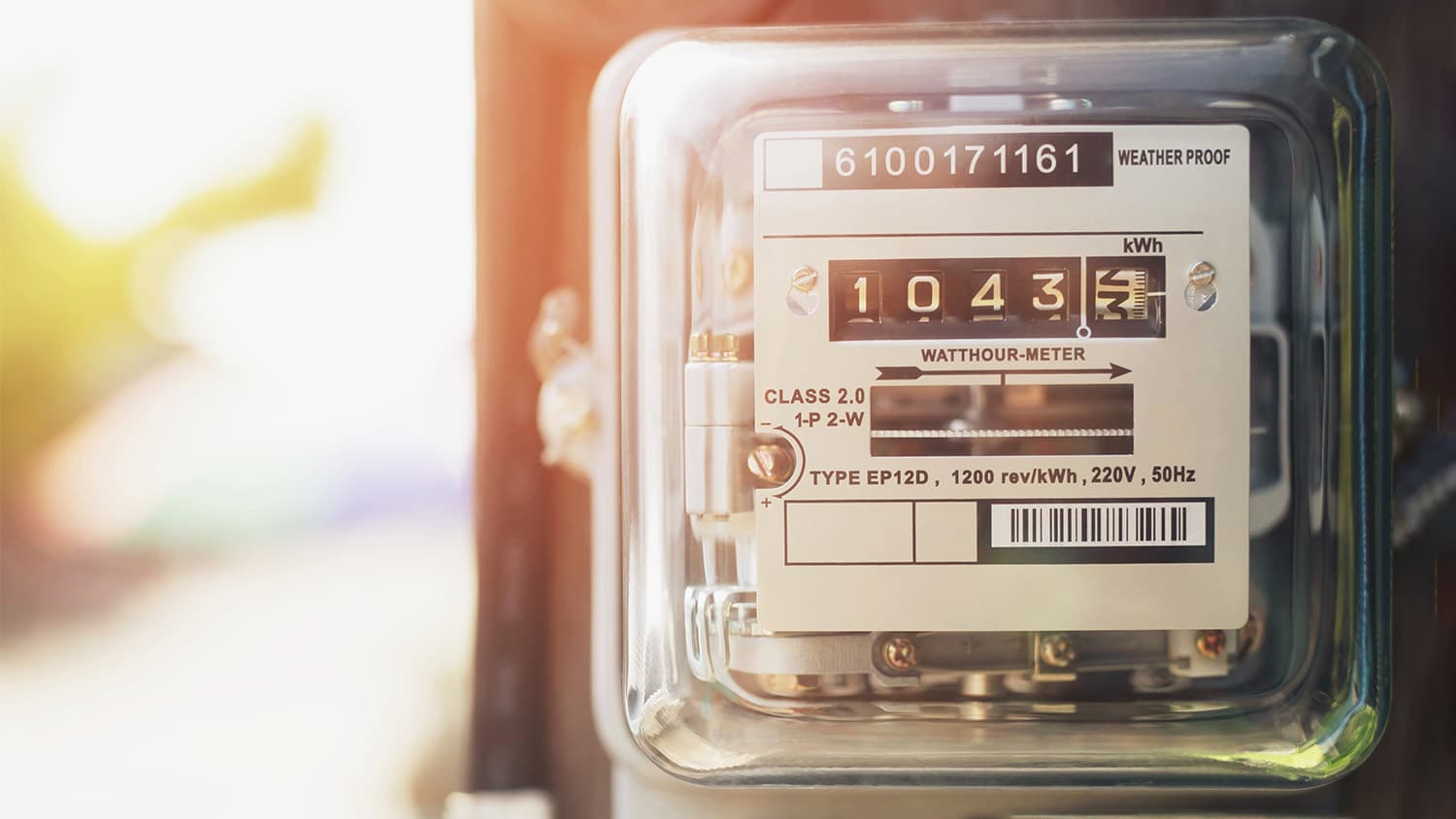
Are you wondering if your home has a CL200 meter? If you’ve checked your electrical meter and aren’t sure what these numbers mean, we’ve got you covered.
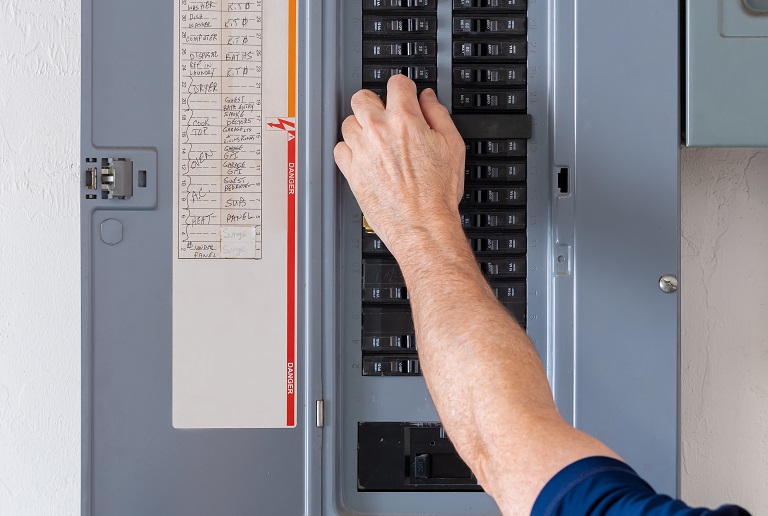
When you need to choose between a 100-amp versus 200-amp electrical panel, check out our easy-to-understand explanation of your home’s power options.