
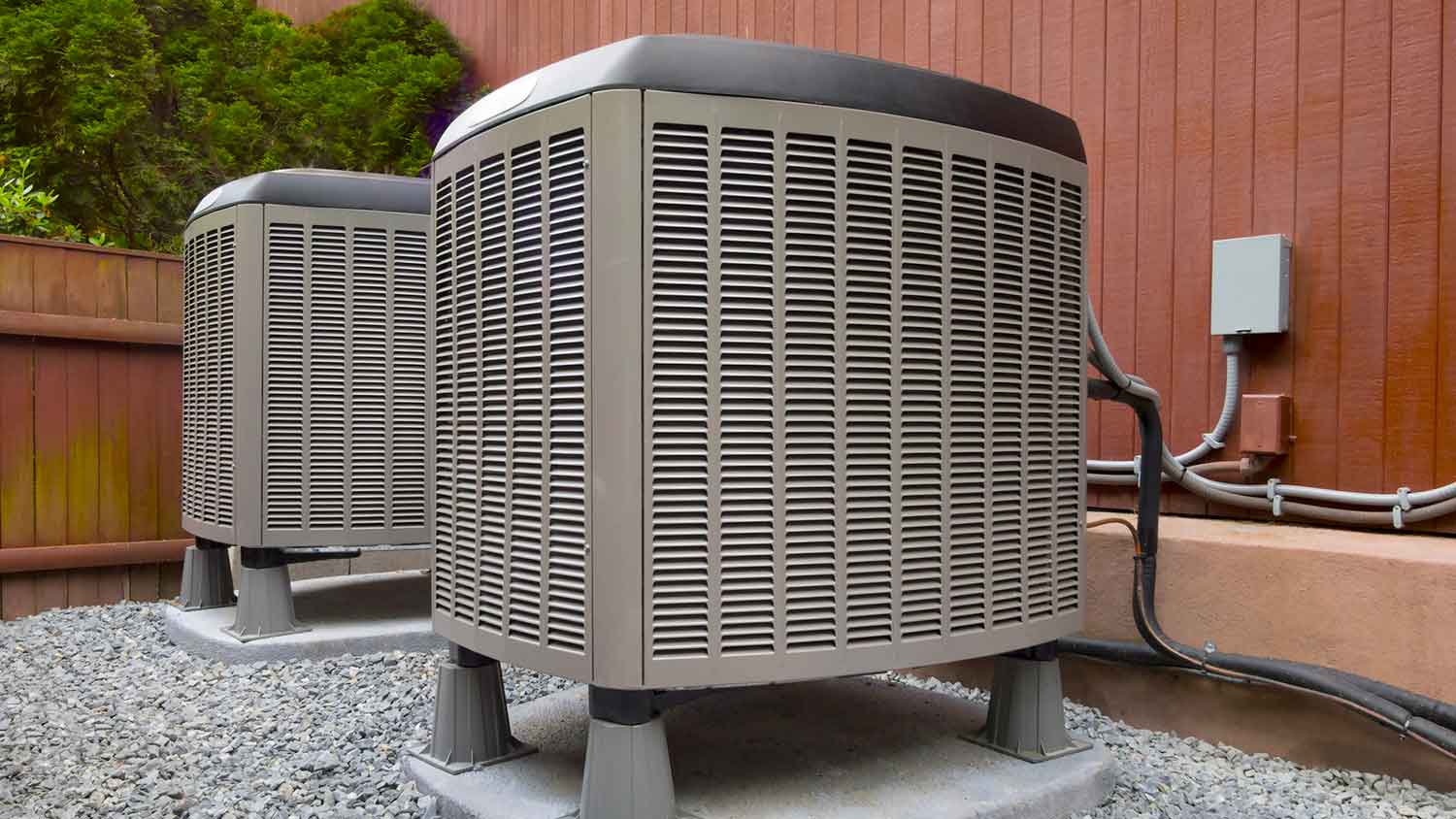
Here's what you can expect when getting an estimate for coolant leak repair costs. The cost can vary based on the detection method used, the source of the leak, and the amount of damage that needs to be repaired in the aftermath.
This common AC problem is decidedly NOT cool

An AC coolant leak leaves your system low on refrigerant, which stops it from cooling your home properly and forces the unit to work harder.
Expect to pay $600 to $2,000 to replace a frozen evaporator coil and $50 to $150 per hour for professional refrigerant leak repairs.
Your AC takes longer to cool your home when refrigerant levels drop, leaving rooms warmer than your thermostat setting and increasing indoor humidity noticeably.
Hiring a local air conditioning repair professional keeps your home safe by handling refrigerant leaks properly and diagnosing frozen coils or hissing sounds quickly.
If your air conditioning system is taking a long time to cool down your home, it could be a sign that you have an AC coolant leak, often a Freon™ leak. But what is Freon™? It’s the most common HVAC refrigerant, a gas that’s essential for keeping your AC working and your home cool. Without it, your house can go from sanctuary to sauna in a heartbeat.
The coolant in your AC unit should last 10 to 20 years, but if there’s a leak, a pro needs to address the issue ASAP since these chemicals can cause refrigerant poisoning. Below, we’ll cover six signs of an AC coolant leak to be aware of so you can get on the path to repairing any damage quickly.
Note: Before you dive into the troubleshooting steps below, keep in mind that refrigerant is a dangerous chemical. Improper handling and inhalation of Freon™ or any other refrigerant can cause serious side effects, like asphyxiation and severe lung damage, according to the U.S. Environmental Protection Agency. If you’re not a certified professional, do not try to fix any coolant-related issues on your own.

First and foremost, let’s get the easiest troubleshooting tip out of the way. Is it possible someone may have accidentally switched the setting on your thermostat to “warm?” You should also check if you have your AC set to “auto” rather than “fan.” The “fan” setting lets air blow through your vents even if your AC isn’t going through a cooling cycle.
If you’ve done multiple checks and the air isn’t as cold as it should be, you might have a refrigerant leak and should find a pro to help you with the issue.
Having a frozen evaporator coil is another telltale sign you might have a Freon™ leak. Usually, the refrigerant passes through your indoor evaporator coil and removes heat from the air in your home during the cooling process. Then, it blows that hot air over the coil to prevent freezing.
To check for freezing, first, make sure you turn off your AC. Then, locate your evaporator coils, which are behind a removable access panel in your indoor unit. If you notice ice on your coil, get help from a licensed professional. If the problem is left to linger, you’ll have to pay between $600 and $2,000 to replace your evaporator coil.
No, that hissing sound is not an unwanted snake living in your vents (although we won’t fault you if you want to double-check). This noise can signal various problems with your AC, but it’s usually the sign of a refrigerant leak caused by cracks in your coils.
Inspect your indoor or outdoor unit for problem areas. Larger cracks or holes may sound like something is bubbling, which indicates refrigerant leaking from your system.
Have you noticed a recent spike in your electricity bills? If so, you’ve probably been trying to counteract the humidity by lowering the thermostat temperature. Combatting hotter temperatures while facing a leak means your air conditioner will have to work twice as hard.
The inefficiency in your cooling solution is why your electric bill isn’t at its usual rate. Take some time to review your statements from the same time last year. If there’s a noticeable difference, it might be time to repair your AC.
A natural function of your air conditioner is to dehumidify your home. But a lack of cooling capacity means your AC will have a tougher time removing hot air from your home.
Discomfort aside, your house may also become a breeding ground for dangerous mold and mildew. Put on a mask, long sleeves, and gloves, and break out the cleaning supplies to address any problem areas. Then, enlist the help of an HVAC specialist for further diagnosis and repairs.
HVAC units rely on coolant to bring down the temperature of your home’s air passing through the system and to transfer heat from that air back outside. So if the refrigerant is leaking, the air isn’t getting cooled down sufficiently, and the heat transfer isn’t happening as efficiently. This can mean that your home feels warmer than usual, even when the AC unit is running.
If you try turning down the set temperature on the thermostat a couple of degrees but it doesn’t cool down your home quickly enough, you could be dealing with an AC coolant leak. But keep in mind that when the AC is not cooling fast enough, it could also be because of dirt or debris clogging the system or filter. You’ll need to do some AC troubleshooting to determine the problem.
After you’ve confirmed one or more of the signs above, you’ll need to know what to do if the AC refrigerant is leaking. Refrigerant leaks may not seem like a big deal, and you may think about handling the issue on your own. However, this solution isn’t ideal because Freon™ leaks can harm your health and cause serious complications.
It’s best to seek a qualified AC repair specialist near you to tackle any AC coolant leaks. Most pros will charge between $50 to $150 per hour to service your system. Before setting up a visit, make sure to check your contractor’s references and credentials.
Once a pro has resolved any refrigerant leaks, you’re probably wondering how you can prevent this from happening again in the future. Luckily, some simple AC maintenance tips can go a long way in keeping your unit up and running.
The evaporator coil and the condenser coil in an AC unit can get dirty. If that dirt and debris are left to sit on the coils for a long time, they can develop formic acid, which can then make holes in the coils and lead to a leak. Make sure to inspect and clean AC coils in your unit at least once per year to minimize this risk.
So many AC issues can start with a clogged air filter. If you can’t remember the last time you replaced the AC air filter, it’s time to change it. You should replace your air filters at least once per month. If your AC unit has a reusable filter, you should clean the AC filter once per month.
The best way to keep your AC in tip-top shape and prevent an AC coolant leak is to get it tuned up from time to time. Regular AC tune-ups in the spring can ensure your refrigerant levels are not too high or low, the system is clear of any debris, and all the parts are in working order.
Not only can this save you money each month on utility bills by keeping the system running efficiently and preventing AC coolant leaks, but annual inspections can also save you money on high-cost damages. That’s because an HVAC specialist will catch any damage or wear and tear early before it causes more serious and costly problems.
If you’re good people wanting to do business with good people, hire Matt. He is a consummate professional and utterly competent. He installed a water heater in my home at a price that beat competitors by hundreds of dollars with a promise to support the unit for its life (even after its 6 yr...
 Greene's Plumbing Services
Corey Carr was great. I had damage from a recent storm and needed to have my mast and other components replaced. The project entailed coordinating with AEP, and Corey helped make a stressful situation a lot less stressful. I really appreciated his dedication to service and the job very well done.
 Mr. Electric of Columbus
This service was great. My air conditioner went out during the heat spell that we had. My husband has health issues and they came out that night and at 9:30pm the air conditioner was fixed and running. We are sooo very thankful, this is the company I will be using from now on and would...
 Mr. Mechanical Ohio
I normally do not leave reviews, but my experience with Worthington Air was extremely frustrating and disappointing. About 30 days ago, I had a consultation done for an HVAC replacement and was quoted approximately $15,079. Based on that quote, I applied for financing through their company...
 ARS Columbus Worthington Air
Great company! Price was competitive, technician showed up on time and completed the job (exterior electric Radon fan replacement) quickly. Would hire them again.
 MaGen Property Inspections and Radon Mitigation
Raven and crew does absolutely fantastic job. They are very professional if any concerns were to occur with any of her work she always took responsibility and finished out with a great job. I have worked with her business for a year and have always been satisfied. Very trusted business and...
 Creations of Transformation LLC
I would recommend this company to anyone! He showed up on time, was friendly, completed a very difficult repair on our dryer vent cover, was responsive, and pricing was extremely fair and competitive. I would have him back to do any of our repairs or cleanings without hesitation!
 U.S.A. Dryer Vent, LLC
Ace Fireplace Services' chimney sweep service is truly exceptional. They used advanced technology to ensure a thorough cleaning process, and my chimney has never looked better. I highly recommend their services.
 Ace Fireplace Services
The technician was very professional and friendly. He answered all my questions and was very thorough. He left the fireplace area very clean . He inspected from the roof and advised me as to other work that might need to be done. There was no pressure there. I was very satisfied with the...
 Supreme brick & chimney
On time, clean and finished fast. Windows seem sturdy and the finish is good. Caulking was done with no smudges. Would recommend.
 Window Depot USA of Central Ohio
From average costs to expert advice, get all the answers you need to get your job done.
Here's what you can expect when getting an estimate for coolant leak repair costs. The cost can vary based on the detection method used, the source of the leak, and the amount of damage that needs to be repaired in the aftermath.
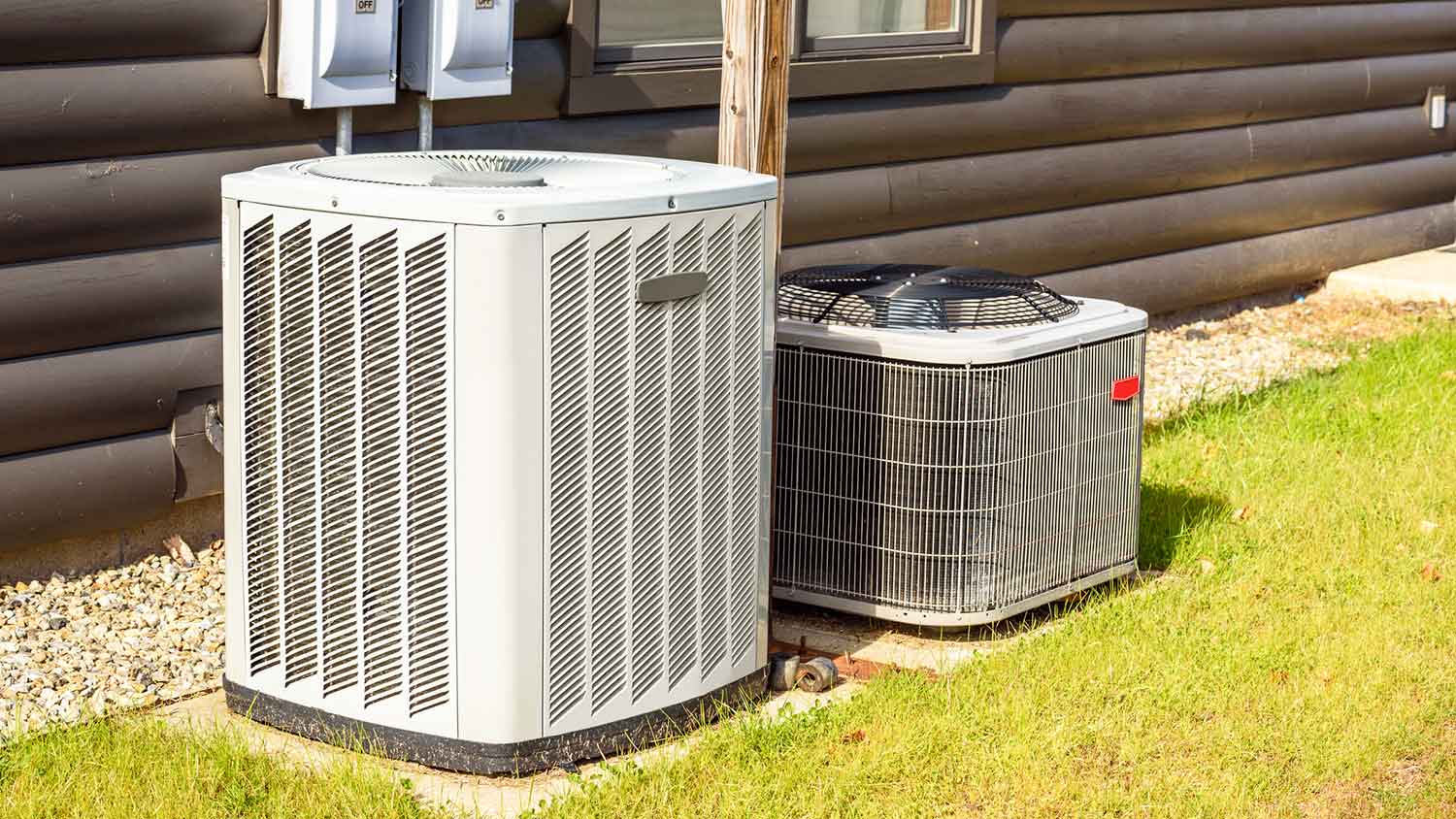
Find out the average AC freon leak repair cost, key price factors, and how to save. Get transparent estimates and expert tips for homeowners.

Explore how much an AC compressor costs to install based on cost factors like it’s type, brand, size, and local labor rates.

There are few things more important to homeowners than keeping their AC systems running. Use this guide on AC leak repair to keep your home cool and comfy.
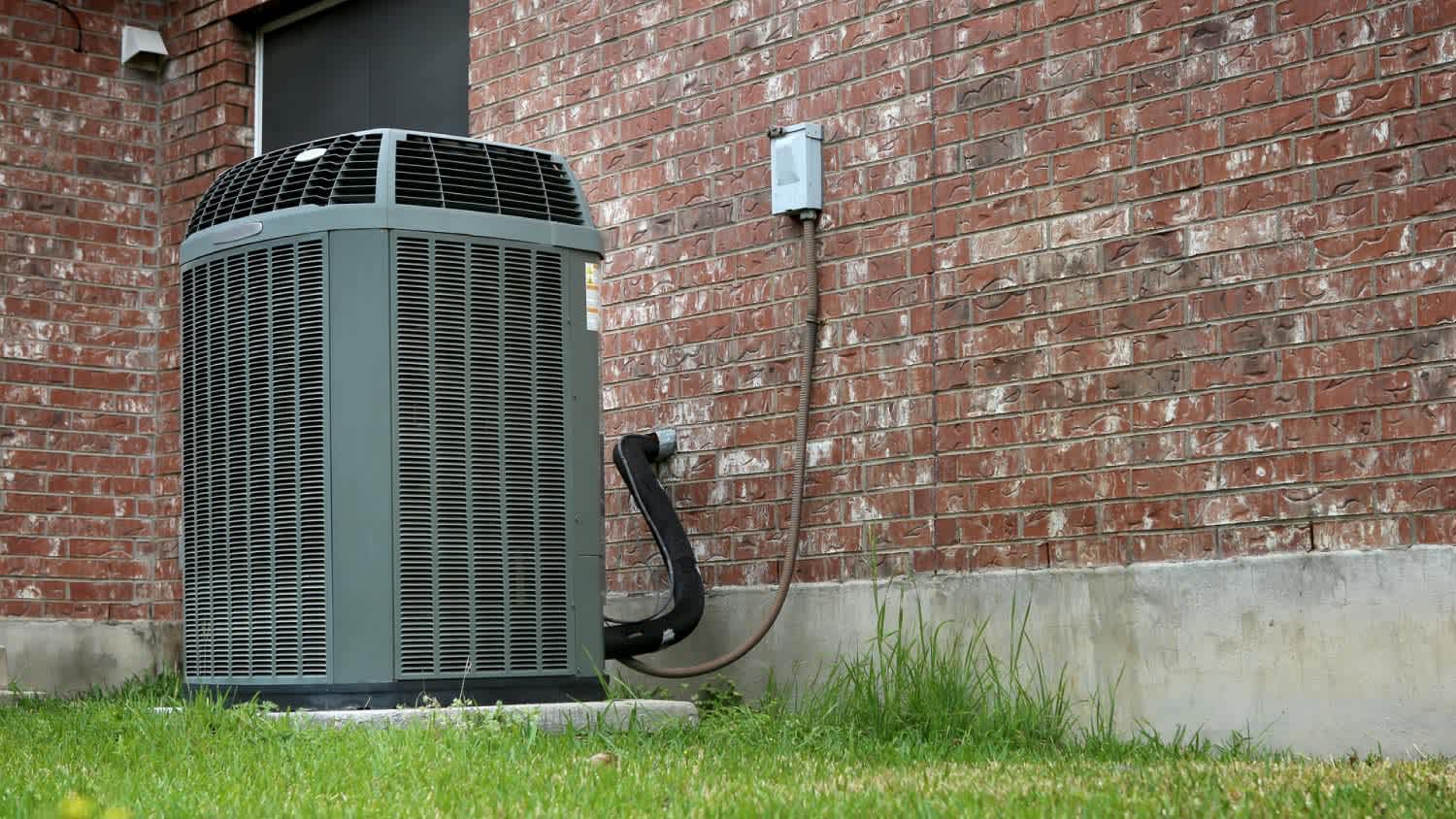
When your AC refrigerant leaks, you’ll need to find a quick fix, as long-term consequences could be costly. Learn why your refrigerant is leaking and your next steps.
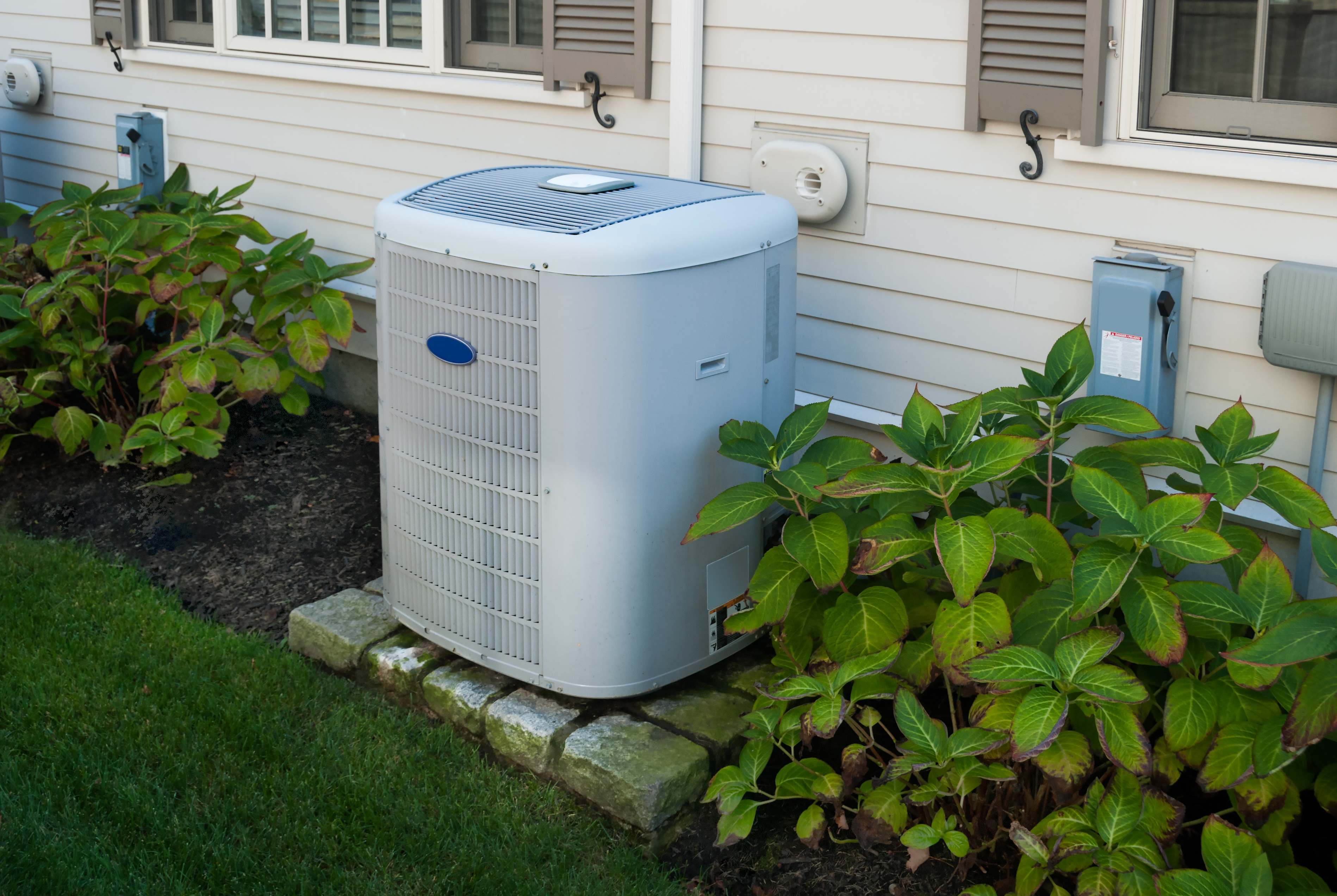
Leaking AC coils can compromise your entire home cooling system. Look for these six signs of a leaking evaporator coil, and schedule a repair ASAP.