
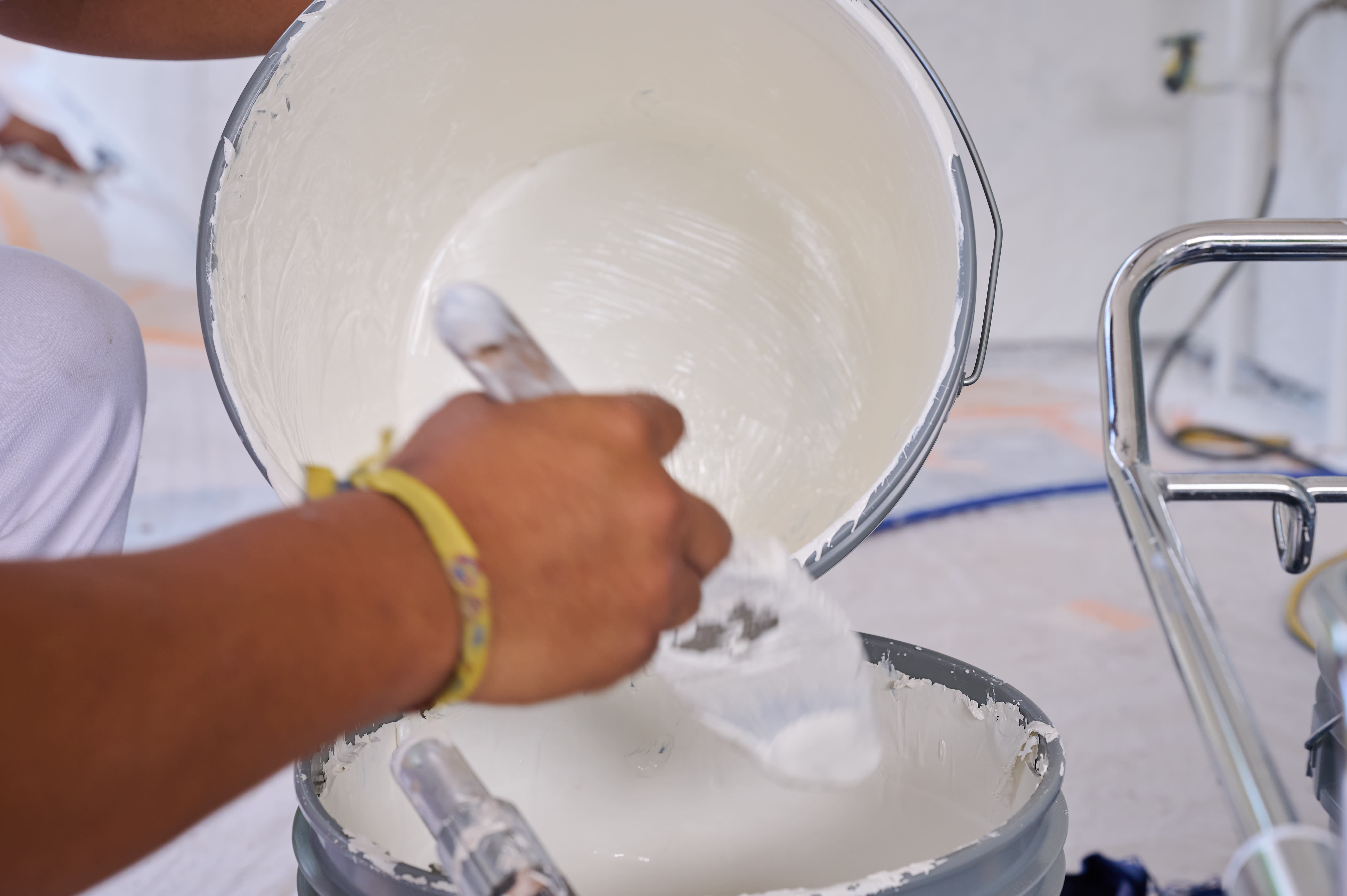
How much is a gallon of paint? Whether latex or oil-based, spray paint, primer, shellac, or lacquer, we’ll tell you what price to expect.
One comes from a beetle and the other a tree (or synthetic chemicals)—how different can they be?

Shellac versus lacquer comes down to your project’s wear and moisture exposure, since shellac looks warm amber but damages easily.
Both finishes share a similar price tag at the store, and shellac also comes as flakes you dissolve in denatured alcohol.
Lacquer gives your furniture a clear, durable finish in several sheens, while shellac is easier to repair after scuffs.
Hiring a local furniture refinishing professional takes the guesswork out of choosing and applying the right finish for your furniture.
Whether you’re refinishing your hardwood floors or a piece of old furniture, you’re eventually going to need to choose a finish. Most homeowners are stuck weighing the pros and cons of varnish versus polyurethane versus shellac versus lacquer. In the ultimate battle, shellac and lacquer remain fierce competitors. They’re similar products with nuanced differences.
So, how do you know which to use? It depends on how you want to use it. This guide will tell you what you need to know.

Shellac is a type of finish made from secretions of the lac beetle—yes, an actual insect found in Southeast Asia. In nature, the secretion is used as a protective coating for larvae, but we use it as a protective coating for our furniture. Why choose shellac? Let’s take a look at the pros and cons.
Shellac is a natural, sustainable finish that doesn’t emit harmful VOCs that destroy your indoor air quality. In fact, it’s technically edible and used in food manufacturing to coat things like pills, candy, and coffee beans (but please don’t eat the shellac you get at a hardware store). Homeowners love shellac for its ease and appearance. This high gloss finish dries quickly and gives furniture a warm amber tone that makes it look brand new.
The main problem with shellac is that it’s not as durable as other finishes—and it’s highly flammable, thanks to the high alcohol content. This finish is susceptible to water damage and very sensitive to heat and other chemicals like ammonia or alcohol-based cleaners. For example, if you put a hot coffee cup on a shellacked table, you can bet you’ll get a white ring. In short, it’s a poor choice for high-use kitchen and bathroom furniture even though it can spruce up an antique.
Lacquer is a finish that’s typically made from organic plant resins or synthetic resin mixed with a solvent agent. It’s got a variety of different sheens but generally dries clear unless you choose a tinted option. This product is heralded for its durability, but there are some other benefits. Let’s get into it.

Lacquer is extremely durable and scratch-resistant, so you can use it as a true protective coating. It’s also water-resistant (say goodbye to unsightly water rings!) and creates that coveted smooth, high-gloss sheen you often see in modern furniture. If you’re looking for an even coat, lacquer is thin enough that you can apply it with a sprayer and don’t need to worry about brush strokes.
The main problem with lacquer is the fumes. This finish often contains solvents like xylene and toluene and emits high levels of volatile organic compounds (VOCs). Ventilation is a necessity, though water-based or low-VOC lacquers are a little bit less harmful.
Damage is another concern. Despite the general durability, you can scratch or chip lacquer. Once it’s damaged, it’s difficult to repair. You can’t easily buff it out like shellac.
Should you use shellac or lacquer? It varies from project to project. Depending on your needs, a local carpenter and hardwood floor contractor near you will probably each give you different advice.
Both shellac and lacquer can produce a high gloss finish, though lacquer has other sheen options. As far as color goes, shellac is known for its warm, amber tone. Lacquer dries crystal clear (as long as you don’t choose an option with tint) and is popular because it doesn’t turn yellow over time like other finishes. Lacquer also typically has a smoother finish because you can apply it with a spray bottle.
Best Appearance: Lacquer
Shellac has its signature finish, but it does come in a variety of warm tones—from light blonde to dark brown, to reddish-brown or orange-brown. Lacquer, on the other hand, has different options for both sheen and color. Standard lacquer is clear but you can purchase tinted lacquer in a variety of sheens—from mid-gloss to high gloss.
Most Customization: Lacquer
Shellac is particularly vulnerable to damage from heat, certain chemicals, and water. A hot mug or plate will cause a ring. In other words, if you’re going to stain your deck or kitchen table, you probably don’t want to finish it with shellac. The good news is that shellac is easily touched-up by buffing in another coat.
Nonetheless, lacquer is still more durable. It can remain intact for years and doesn’t turn yellow like its cousins varnish or polyurethane.
Most Durable: Lacquer
Both shellac and lacquer come with a similar price tag. Expect to spend anywhere between $12 to $25 per quart. You can also purchase shellac flakes to dissolve in denatured alcohol which typically cost $25 to $50 per half-pound (though most homeowners are best-served purchasing pre-mixed liquid shellac) or a lacquer spray which costs $5 to $15 for around 11 oz.
Most Affordable: Tie
Shellac dries so quickly that it can be difficult to get an even coat. Though lacquer is subject to the same issues if you’re using a brush, using a spray bottle will help create a pristine, even sheen.
Easiest to Install: Lacquer

You can try to buff out scuffs in lacquer using a polishing compound for a high gloss finish or steel wool and paste wax for a satin finish. Nonetheless, shellac is still easier to repair. You can buff out a water stain using lemon oil and steel wool. You can also repair scratches and cracks by simply buffing more shellac into the area.
Easiest to Repair: Shellac
Because shellac is more prone to damage, it does require more maintenance. You may have to buff out scratches more regularly than lacquer. You will also have to refinish lacquer periodically because it only lasts about three years.
Least Maintenance: Lacquer
Both shellac and lacquer last about three years in the can (though they may last longer depending on how it's stored). You’ll need to refinish lacquer around every 7 to 10 years if you’re using it on a high-use surface, such as floors. Shellac floors need refinishing much sooner, as soon as signs of damage start to show.
Longest Lifespan: Lacquer
Eco-friendliness is a vital difference between shellac and polyurethane, lacquer, or varnish. Shellac happens to be one of the most common non-toxic finishes along with certain waxes and oils. Though it’s not a vegan product (it’s made from lac beetle secretions) it is biodegradable and sustainable. Lacquer, on the other hand, is typically a source of harmful VOCs.
Most Eco-Friendly: Shellac
Jason has helped me with multiple household projects, with the most recent being new door installation. He has always showed up on time and organized and has done an incredible job! Jason is very professional and he's now my go-to for anything around my house that needs to be fixed or...
 Huff Garage Rescue, LLC
Cole has been handling plumbing and general contracting for our four properties over the past three years, and he’s always done a great job. Most recently, he installed a sink and countertop in our retail store where none existed before, and it turned out exactly how we needed. He’s...
 ANB Renovations LLC
1st Choice Renew is simply the best! We hired them for a complete home renovation, and they transformed our space into something truly amazing. The team attention to detail and commitment to quality were evident throughout the project. They were easy to work with, very responsive, and always...
 Save A Dime
This company went above and beyond with their work, chimney sweeps are usually pretty messy, but the clean up was spot on.!! Josh explained every thing that he was doing, and the things that he was checking to make sure the chimney was safe for me and my family. He was very professional,...
 Supreme brick & chimney
Custom Paint Jobs LLC turned our outdated bathroom into a modern masterpiece.
 Custom Paint Jobs, LLC
Excellent customer service and knowledge. I was recommend to him from my neighbour. My front door and window came in great and were installed beautifully perfectly, I m very satisfied with their excellent work, so decided to order one more big bow window for my living room. I cant wait for...
 Window Depot USA of Central Ohio
If I could give 10 stars for Kitchen Tune Up, I would. I cannot say enough good things about my experience with Kitchen Tune Up and the entire team involved in the process of my kitchen project. They went above and beyond as far as service and quality with my cabinets, paint, countertops, and...
It was wonderful working with Yordy and his team. They were very professional and are experts in what they do. They have completed the work on time, with better quality and with in fairly reasonable price. We just started with backsplash work , but liking his work, we went on to provide...
 Flooring Solutions
We were having 2”x 2” tile installed . There was a small installation error and the new additional replacement tile was from a different lot and the colors didn’t match. Joe assured us that he would rectify everything , which he did without hesitation. We decided to go with the 18” x 36” tile...
 CarifaTile
They work that 360 did on my kitchen cabinets is nothing short of amazing. I still cannot believe the difference from before and after. Jon and Jeff were both so incredibly professional throughout the whole process and their communications with me were constant and consistent. These guys...
 360 Painting Columbus
From average costs to expert advice, get all the answers you need to get your job done.
How much is a gallon of paint? Whether latex or oil-based, spray paint, primer, shellac, or lacquer, we’ll tell you what price to expect.
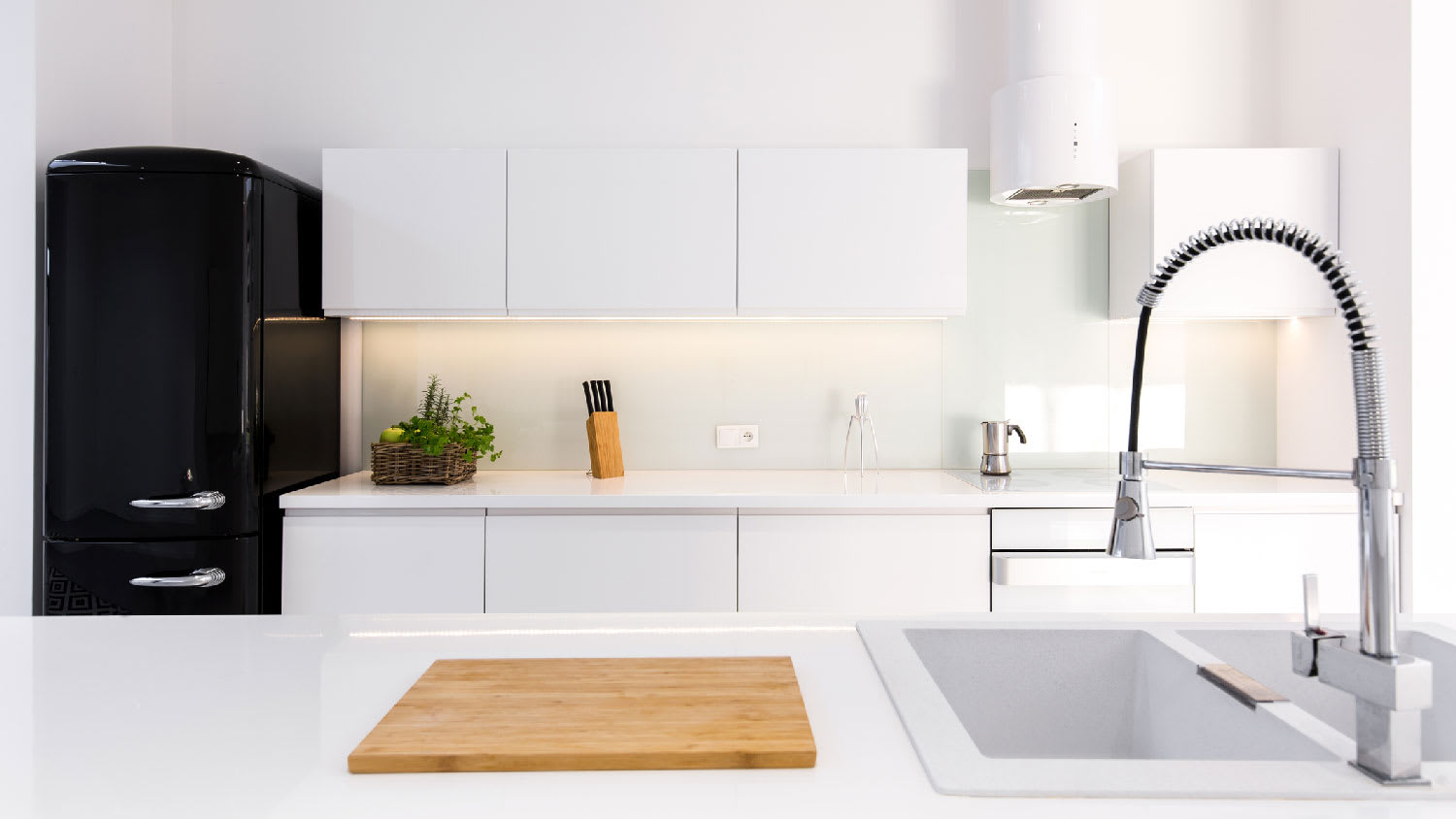
Paint lacquer is a clear finish that can protect surfaces from cracking, peeling, scratches, and fading.

Paint thinner vs. lacquer thinner: They do similar jobs, yet are actually quite different. Learn the major contrasts between the two, including formulation, price, and usage.
If your cabinets need an upgrade, consider whether you should reface or refinish them based on the type you have in your home using our helpful guide.
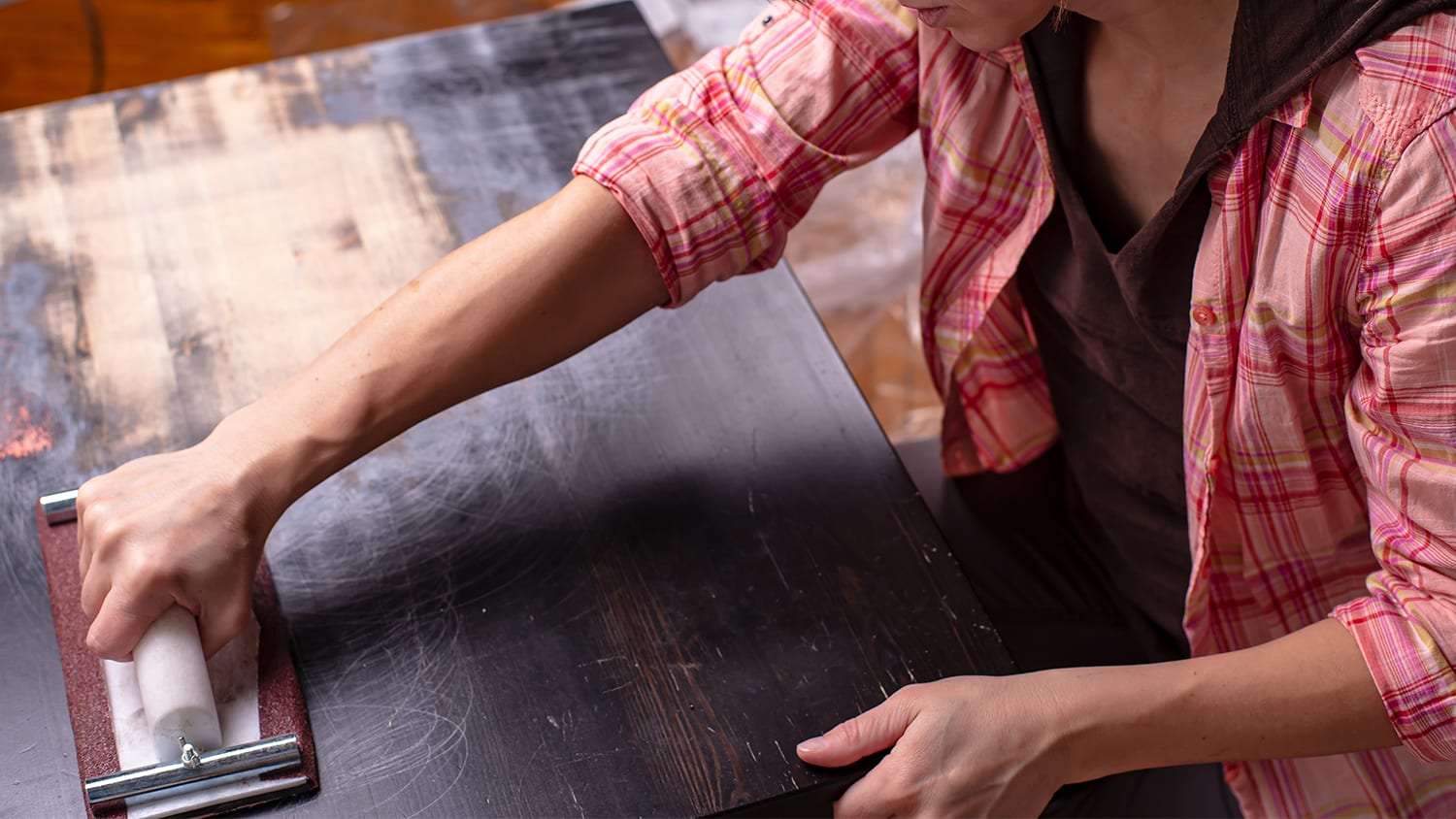
You don’t have to spend a lot to give your furniture a makeover. Most furniture remodeling projects are simple DIYs. All you need is a little inspiration and some patience.
When considering a granite composite sink vs. stainless steel sink, each material has distinct benefits. Use our tips to determine which one you should install.