

•
Discover the average indoor air quality testing cost, what impacts pricing, and how to budget for healthier air in your home.
Breathe easier with our indoor air quality assessment checklist to help rid your home of allergens, molds, and airborne pollutants
Your indoor air quality needs attention when you notice standing water, high humidity under sinks, or around tubs and showers where mold thrives.
Expect to pay around $400 for professional indoor air quality testing, with costs ranging from $500 to $1,000 for larger homes or specialized testing.
You can improve your home's air by installing HEPA air purifiers, which remove over 99.97% of airborne contaminants and allergens circulating through your space.
Hiring a local home air quality test professional provides custom solutions after assessing mold, allergens, and volatile organic compounds in your home's air.
Keeping your home free of allergens, molds, and other airborne pollutants will help ensure your home is the healthy, welcoming haven you and your family deserve. But you need to know the latest tips and tricks for monitoring your indoor air quality (this, of course, is outside of purchasing a professional air quality test every now and again). Our indoor air quality assessment checklist shows you how to keep your family breathing easy.

Your home should be the place where you can relax and breathe freely. That’s why it’s always smart to assess the quality of the air you and your family are breathing.
Use the following indoor air quality assessment checklist to identify areas of improvement in your home:
Step 1: Look at the areas where contaminants tend to enter your air space, including your HVAC’s air filters and registers, attic, basement, and garden
Step 2: Check these areas for standing water and/or high humidity, including under sinks, around tubs, showers, and toilets, or at your washing machine or hot water heater
Step 3: Eliminate standing water and use a dehumidifier in moist areas to discourage the growth of mold and bacteria
As you inspect your home from top to bottom, there are certain things you should be on the lookout for.
Follow this indoor air quality assessment checklist to identify possible signs of pollutants:
Discoloration in your attic and wall insulation
Accumulation of insects and other debris in your insulation, HVAC filters, or registers
Dampness, dirt, or other debris at your air supply ducts and grills
A detached or loose dryer vent that may be releasing exhaust into the attic or other interiors of your home
Warped, blistered, or peeling wallpaper that may indicate moisture, mold, or fungi has destroyed the adhesive
Any one of the above signs could indicate you have a potential indoor air quality problem, either due to the presence of pollutant-producing moisture or because your home’s interiors are not properly sealed against outdoor contaminants.

Whether you’ve opted for professional air quality testing or you’ve done your own inspections and identified potential problem areas, there are DIY solutions you can try. The following indoor air quality assessment checklist offers some great ways to keep your home’s air clean.
Unless you live in the arid deserts of the southwest, you will probably battle high humidity levels for at least part of the year. And since humidity all too often leads to the growth of mold and other pollutants, a dehumidifier can be a good investment for cleaner air.
There are lots of different kinds of air filters on the market, but not all were created equally.
Here’s how to figure out what kind of filter is best for your home:
Consider the kind of heating and cooling system you have and the type and level of pollutants in your home
Take into account whether anyone in your family is particularly vulnerable to allergies, respiratory illnesses, or other health concerns
Look for the MERV (minimum efficiency reporting value) rating, which runs from 1 to 20 and indicates the filter’s ability to remove air particles, its airflow resistance, and its average life expectancy
Consider permanent pleated filters for the cleanest air: These filters have a MERV rating of between 14 and 16 because their densely woven cotton media enables them to filter out even the tiniest of particles
Be prepared to pay around $100 per filter on average because of the high MERV rating.
If you’re looking for pristine air, here’s what you should know about HEPA:
In general, a HEPA filter is even better than a permanent pleated filter at screening out even the smallest of contaminants
HEPA filters are thought to remove more than 99.97% of contaminants in the air, which is why many earn a 17 to 20 on the MERV scale
HEPA filters don’t usually work well in residential HVAC systems because their material restricts airflow too much for most home systems to handle
Instead of installing a HEPA in your HVAC, consider buying a separate air purifier with a HEPA system
HVAC UV lights are a relatively new technology, but they’re already getting lots of hype. And with good reason.
Here’s what you need to know:
The Environmental Protection Agency (EPA) has found that exposure to ultraviolet light can be highly effective in killing all kinds of microorganisms, including algae
You can install microbe-eliminating UV lights in your air conditioner, heating system, and even your air purifier
Your HVAC or air purifier exposes your air to sanitizing light before circulating it into your home
If you or someone you love has allergies, asthma, or other breathing issues, HVAC UV lights can help reduce respiratory irritation

If anyone in your home has special health concerns, especially respiratory illnesses, then you might consider investing in a professional indoor air quality test.
According to the EPA, the air we breathe inside our homes can be up to five times more polluted than the air outside. And since we spend up to 90% of our time indoors, ensuring our indoor air is as pristine as possible isn’t just a luxury—it’s a necessity, especially if you have health concerns.
A professional indoor air quality test can help you assess those airborne nasties that are both uncomfortable and dangerous. A healthy home assessment, for example, can alert you to the presence of mold, allergenic particulates, fungus, volatile organic compounds (VOC), and even viruses and bacteria. Once you’ve received a professional profile of your home’s indoor air quality, your specialist can provide custom solutions to drive out the pollutants and keep them out.
But, of course, professional testing can be expensive. Depending on the size of your home and the kind of analysis you need, you can expect to spend around $400 on average on air quality testing. And for new properties, homes 2,000 square feet or larger, or homes requiring specialized testing, those costs can rise to between $500 and $1,000.
On the other hand, those high costs can bring a lot of value for you and your family. Professional testing can alert you to potentially cancer-causing contaminants you may not be able to detect on your own, such as radon and asbestos.
Corey Carr was great. I had damage from a recent storm and needed to have my mast and other components replaced. The project entailed coordinating with AEP, and Corey helped make a stressful situation a lot less stressful. I really appreciated his dedication to service and the job very well done.
 Mr. Electric of Columbus
This service was great. My air conditioner went out during the heat spell that we had. My husband has health issues and they came out that night and at 9:30pm the air conditioner was fixed and running. We are sooo very thankful, this is the company I will be using from now on and would...
 Mr. Mechanical Ohio
I normally do not leave reviews, but my experience with Worthington Air was extremely frustrating and disappointing. About 30 days ago, I had a consultation done for an HVAC replacement and was quoted approximately $15,079. Based on that quote, I applied for financing through their company...
 ARS Columbus Worthington Air
Great company! Price was competitive, technician showed up on time and completed the job (exterior electric Radon fan replacement) quickly. Would hire them again.
 MaGen Property Inspections and Radon Mitigation
Raven and crew does absolutely fantastic job. They are very professional if any concerns were to occur with any of her work she always took responsibility and finished out with a great job. I have worked with her business for a year and have always been satisfied. Very trusted business and...
 Creations of Transformation LLC
I would recommend this company to anyone! He showed up on time, was friendly, completed a very difficult repair on our dryer vent cover, was responsive, and pricing was extremely fair and competitive. I would have him back to do any of our repairs or cleanings without hesitation!
 U.S.A. Dryer Vent, LLC
Ace Fireplace Services' chimney sweep service is truly exceptional. They used advanced technology to ensure a thorough cleaning process, and my chimney has never looked better. I highly recommend their services.
 Ace Fireplace Services
The technician was very professional and friendly. He answered all my questions and was very thorough. He left the fireplace area very clean . He inspected from the roof and advised me as to other work that might need to be done. There was no pressure there. I was very satisfied with the...
 Supreme brick & chimney
Excellent experience with hiring Tether House to Mount our 77’ Samsung TV in our bedroom. Fast, friendly, and knowledgeable. Highly recommend.
 Tether House
On time, clean and finished fast. Windows seem sturdy and the finish is good. Caulking was done with no smudges. Would recommend.
 Window Depot USA of Central Ohio
From average costs to expert advice, get all the answers you need to get your job done.
Discover the average indoor air quality testing cost, what impacts pricing, and how to budget for healthier air in your home.

Your leaky ductwork may be hiking up your energy bills. We explore the cost of checking air ducts for leaks, which may be worth it for your home.
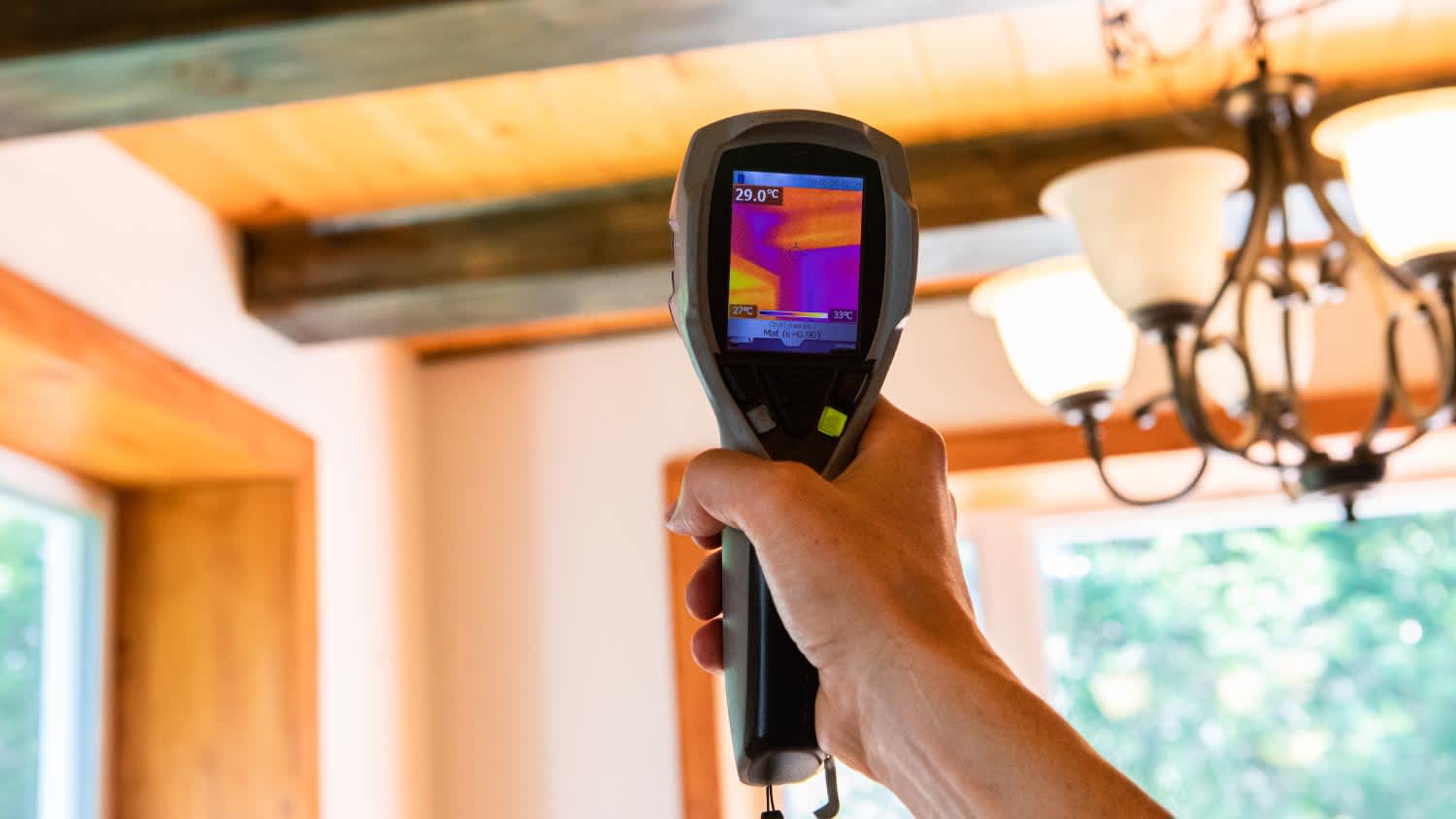
Not sure who to hire to test indoor air quality? Learn about indoor air quality testing, the right pros to call, and what to expect—start here.

Experiencing unexplained allergies or musty odors? Learn about indoor air quality testing costs, warning signs, and how to hire the right local pro.
Finding the right professional to test your home's air quality ensures accurate results and actionable solutions

If you’re planning on hunkering down through March, you’ll need to prioritize ventilation for clean air. Read on for tips on how to improve indoor air quality in the winter.