


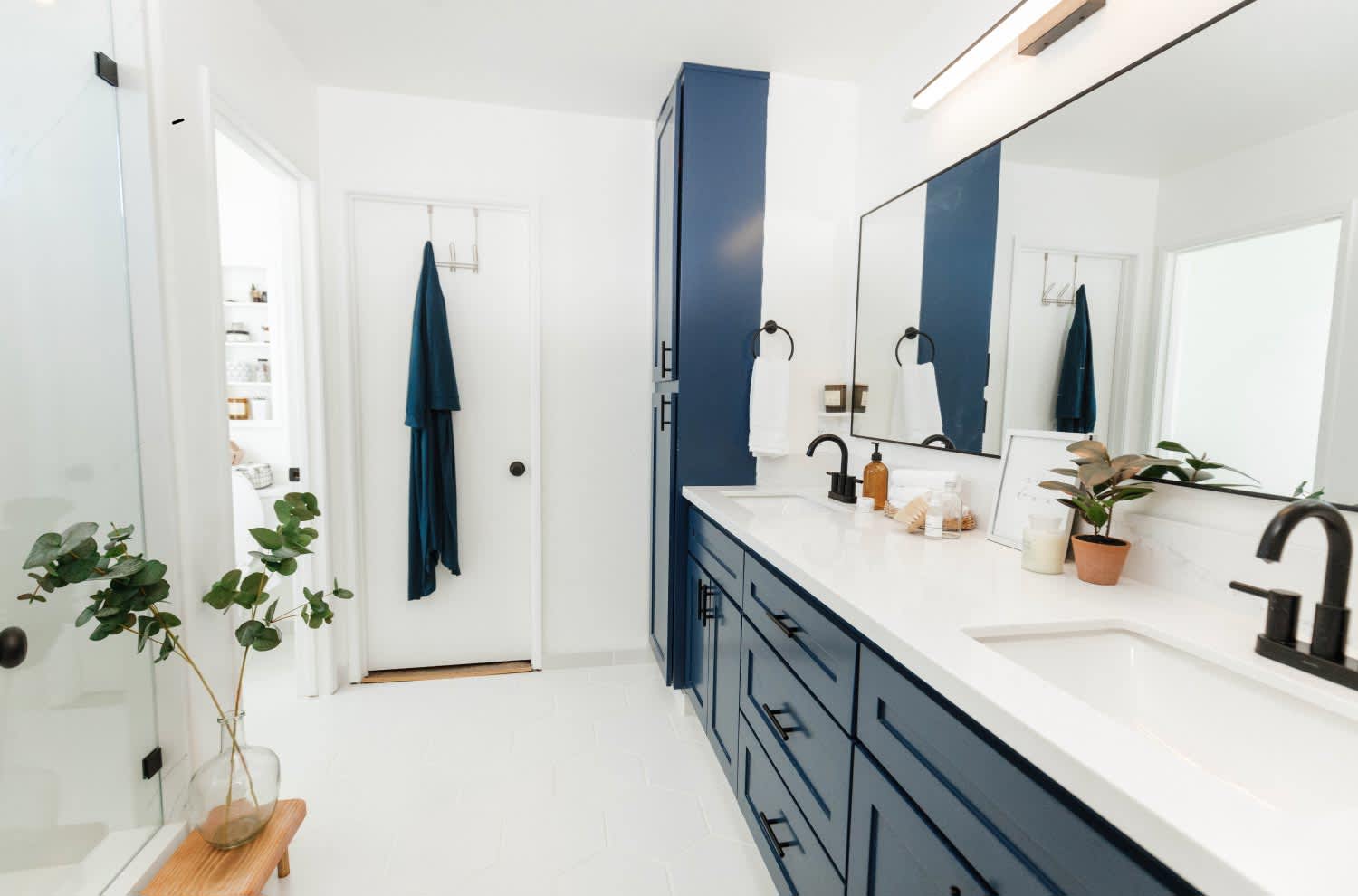
Remodeling your bathroom can add significant value to your home. Your bathroom remodel cost will depend on size, fixtures, materials, labor, and other factors.
Kitchen and bathroom remodel costs depend on your project and location. Check with a local pro for your specific job.

$1,500 to $15,000 covers small bathroom remodels, based on your fixtures, materials, and layout changes.
Labor makes up 40% to 60% of your budget, and moving fixtures adds major plumbing and electrical work.
You should budget for permits ranging from $150 to $1,000, plus dumpster rental and asbestos removal in older homes.
Hiring a local architect professional ensures your bathroom remodel meets building codes and helps you avoid costly mistakes during construction.
In 2026, the national average cost for a small bathroom remodel is $6,500. Most homeowners spend between $1,500 and $15,000, depending on the scope of the project, your choice of fixtures and materials, and whether you handle any of the work yourself. Budget for permits ranging from $150 to $1,000, and factor in extras like dumpster rental or asbestos removal if you have an older home.
Labor and materials—including fixtures—are the two primary factors that determine the cost of a small bathroom remodel. Your choice of finishes, whether you go prefab or custom, and the complexity of the work all shape what you'll pay. Additional variables like plumbing rerouting, electrical upgrades, and permit requirements can push costs higher depending on your project scope.

The cost to hire a professional contractor runs $300 to $500 per day, though most contractors quote a flat project rate rather than billing by the hour. Contractor labor typically accounts for 40% to 60% of your total small bathroom remodel budget, making it the single largest line item in most projects.
Materials are a major driver of your final small bathroom remodel budget, with costs varying widely based on the quality and style you choose and options ranging from $40 to $9,400. Luxury fittings and custom designs push the total higher, while budget-friendly alternatives keep spending in check.
Here is a breakdown of average material costs to help you plan:
| Materials | Average Cost in 2026 |
|---|---|
| Flooring | $0.50–$90 per sq. ft. |
| Prefab vanity | $100–$2,600 |
| Custom vanity | $500–$2,800 |
| Hardware | $3–$200 per piece |
| Bathroom accessories | $40–$500 |
| Toilet | $225–$3,000 |
| Shower | $400–$8,500 |
| High-end shower | $15,000 |
| Tub | $2,000–$9,400 |
| High-end tub | $13,250 |
| Painting | $70–$250 |
Here are some common bathroom flooring types and how much you can expect to spend (with materials ranging from $0.50 to $20 per square foot):
Basic vinyl flooring: $2–$7 per square foot
Textured marble slabs: $10–$20 per square foot
Porcelain tiles: $0.50–$15 per square foot
Stone flooring: $6–$20 per square foot

The cost of a bathroom vanity ranges from $300 for a prefabricated model to $3,800 or more for a made-to-order one. You'll also need to budget for a sink and faucet if they don't already come with your vanity.
Space-saving vanities are the centerpiece of many bathrooms, and the countertops you choose can make or break the cohesion of your design. How much you spend depends on the type of material and whether the unit is custom-made.
There's a broad range of choices for countertops, including granite tile or slab, porcelain or ceramic tile, laminate, concrete, and cultured marble.
If you're remodeling on a budget, opt for simple accessories and hardware sets that start around $50. Bathroom accessories might not be big-ticket items, but by the time you purchase towel rails, toilet paper holders, mirrors, lights, and robe hooks, you can put a fair dent in your funds.
Average toilet costs range from $225 to $3,000 or more, depending on the brand and type of toilet you choose. High-end electric motorized toilets can cost more than $7,000, excluding the cost of additional electrical work. The materials, shape, and design (low-flush, up-flush, dual-flush) play their part in pricing.
A new tub costs between $2,000 and $9,400, and a standard 32-inch shower costs between $400 and $8,500, depending on size, style, and material. If you plan to completely remodel with high-end materials, prices could reach $13,250 and $15,000, respectively.
You can save money on a shower upgrade during your remodel by converting an existing tub into a walk-in shower. On average, expect to spend around $3,000 on a tub-to-shower conversion. You'll have to consider whether it's worth converting a tub to a shower for your home.
Converting a tub to a shower has an average ROI of 60%, but only if your home has another bathroom with a tub.
Painting a small bathroom costs $70 to $250, on average. Most remodels include a fresh coat of wall paint (or some well-chosen wallpaper). If you're not sure which colors to choose, check out these modern bathroom ideas for inspiration.
Even small bathrooms vary considerably in size, with costs starting at $2,250 and going up to $10,000. The type and shape of your bathroom impact the total square footage and remodel cost. Regardless, expect to spend a bit less on a small bathroom remodel than on a larger one since you're dealing with less square footage overall.
Here's how costs compare based on the type of small bathroom:
| Small Bathroom Type | Average Size (Square Feet) | Average Remodeling Cost in 2026 |
|---|---|---|
| Half bath or powder room | 15 | $2,250–$3,000 |
| Small full bathroom | 30 | $4,500–$6,000 |
| Small primary bathroom | 40 | $6,000–$8,000 |
| Converting a half bath to a full bath | 40 | $2,800–$10,000 |
Remodeling a small half bath or powder room costs $2,250 to $3,000, covering a space that typically includes just a sink and a toilet. To keep spending toward the lower end, refinish your existing vanity and swap out the hardware rather than replacing the unit entirely. Costs can shift dramatically based on how extensive the remodel is and the fixtures you choose.
A small full bathroom remodel costs $4,500 to $6,000 on average, making it a mid-range investment for a complete refresh. Bathtub-shower combos are the most practical choice for these spaces because they conserve square footage. Whether a separate walk-in shower is feasible depends on the specific size and layout of your room.
A small primary bathroom remodel costs $6,000 to $8,000, with the layout and fixture choices having the most influence on where you land in that range. Some homeowners skip the tub entirely in favor of a spa-like walk-in shower, which saves both money and space when another bathroom in the home already has a tub. Keep in mind that a home with no tub at all can hurt resale value, particularly for buyers with young children. Browse these bathroom remodel ideas for inspiration before finalizing your plan.
Converting a half bath to a full bath starts at around $7,200 for a basic bathtub installation at minimum. Most homeowners opt for a tub-and-shower combo instead, which costs between $4,500 to $12,000 depending on the materials selected. Additional expenses like a new vanity, toilet, flooring, tiling, piping, and paint can add to the total beyond the tub itself.
Beyond fixtures and labor, a small bathroom remodel carries several additional costs that are worth budgeting for before work begins (ranging from $100 to $7,200). Many of these expenses mirror the cost of remodeling a bathroom of any size, though the smaller square footage typically means lower totals overall.
Here is a breakdown of the most common additional costs to plan for:
| Additional Bathroom Remodeling Factors | Average Cost in 2026 |
|---|---|
| Plumbing | $1,000–$2,000 |
| Electrical wiring | $50–$100 per hour |
| Asbestos tile removal | $5–$20 per square foot |
| Dumpster rental | $240–$650 |
| Hiring an architect | $125–$250 per hour |
| Hiring an interior designer | $50–$200 per hour |
| Hiring a structural engineer | $345–$800 |
| Converting a half bath to a full bath | $7,200 |
| Permits | $100–$1,000 |

Plumbing work is a necessary cost when you're changing the layout of bathroom fixtures or replacing aging pipework, with the cost to hire a plumber running $45 to $200 per hour and most small bathroom projects totaling around $1,000 to $2,000. The final cost depends on the scope and complexity of the work involved.
The cost to hire an electrician for this work runs about $50 to $100 per hour. Changing the bathroom layout almost always requires rewiring work to accommodate new fixture placements.
Asbestos tile removal costs range between $5 to $20 per square foot, and this work must be handled by a licensed specialist before any remodeling can proceed. Older homes sometimes contain asbestos behind bathroom tiles—a hazardous, highly regulated material that requires professional removal.
A 15-cubic-yard dumpster is typically large enough for a small bathroom remodel and costs between $240 and $650 to rent. If your contractor isn't handling debris removal, renting a dumpster is a practical investment when gutting a small bathroom.
Major bathroom makeovers that involve moving walls often call for professional design help, and the average architect costs $125 to $250 per hour when you hire a local architect. For less structural projects, an interior designer can help you organize the space and manage your budget, with interior designer costs ranging from $50 to $200 per hour.
The average cost to hire a structural engineer is between $345 and $800, and this is a non-negotiable step when structural changes are involved. Removing or modifying a load-bearing wall during a small bathroom remodel requires a structural engineer to verify the design is safe and sound.
Permits for a small bathroom remodel range from $100 to $1,000, depending on your location and the scope of work involved. Minor projects may not require a fee at all, but changes to plumbing or electrical systems almost always trigger a permit requirement. Check with your contractor and local building department before work begins to confirm what approvals you'll need.

Hiring a local bathroom remodeling pro may cost more upfront, but it ensures your project is done efficiently, safely, and beautifully. Bathroom remodeling involves plumbing, electrical work, tiling, and precise carpentry—mistakes can be costly and time-consuming. Professionals have the tools, training, and expertise to manage every detail, helping you create a functional and stylish space without the headaches.
Bathroom remodeling is a complex project that requires technical skills and careful planning. Here are some of the top reasons to work with a pro:
Contractors can help design a layout that maximizes space and meets building codes.
Pros handle plumbing, electrical, and structural work safely and correctly.
Experienced remodelers use professional tools and materials to ensure high-quality finishes.
Professionals can spot hidden issues, such as water damage or mold, before they become bigger problems.
Hiring a pro helps avoid costly mistakes and ensures your remodel is completed on time and within budget.
You can do some prep work to save time and reduce costs before the pros arrive:
Clear the bathroom of personal items, toiletries, rugs, and furniture.
Note any problem areas, such as leaks, loose tiles, or poor ventilation, to share with your contractor.
Ensure easy access to the bathroom, including doors and pathways for tools and materials.
Take photos or measurements of the current layout to provide helpful context for the remodel plan.
Refreshing your bathroom on a budget? A fresh coat of paint, DIY shelving, or a new faucet are simple and inexpensive ways to improve your aesthetic.


Don't throw money down the drain. Follow these tips to save on your bathroom remodel :
Shop seasonal sales: Shop annual hardware store and online sales in search of bargain items such as baths, showers, and vanity units.
Keep the floor plan: Don't change the floor plan.
Refinish countertops: Refinish rather than replace countertops.
Refinish the bathtub: Refinish rather than replace bathtubs when possible. Typically, bathtub refinishing costs less than *$650* .
Choose engineered stone: Choose high-quality finishes without blowing your budget. For example, opt for engineered stone rather than marble countertops.
DIY simple tasks: Perform the simplest DIY jobs to cut costs, like repainting walls or adding a towel warmer.
A well-executed bathroom remodel has a solid return on investment. The ROI for a bathroom remodel is 55% to 60% on average, making it one of the smartest home upgrades. If you're thinking of selling your home at some point in the future, potential buyers will be looking for modern, updated bathrooms—especially in master suites and on the main floor.
Focus on quality fixtures, proper waterproofing, and timeless design instead of trendy features that can quickly become outdated. The sweet spot for most homeowners is a mid-range renovation that upgrades the space while still keeping costs reasonable.
Be ready to discuss with a pro what materials and fixtures you want, as choices like tile, countertops, and plumbing can affect the tools, timeline, and costs.
If there is room left in your budget, ask your pro about add-ons like upgraded lighting, storage solutions, or ventilation improvements.
Be prepared for unexpected costs, such as hidden water damage, outdated wiring, or plumbing issues discovered during demolition.
Plan for access and workspace needs, making sure the bathroom is cleared of personal items so the pro can work safely and efficiently.
Home is the most important place on earth, which is why Angi has helped more than 150 million homeowners transform their houses into homes they adore. To help homeowners with their next project, Angi provides readers with the most accurate cost data and upholds strict editorial standards. We extensively research project costs to develop the pricing data you see, so you can make the best decisions for you and your home. We rely on reputable sources, including the U.S. Bureau of Labor Statistics, academic journals, market studies, and interviews with industry experts—all to ensure our prices reflect real-world projects.
Want to help us improve our cost data? Send us a recent project quote to [email protected]. Quotes and personal information will not be shared publicly.
Jason has helped me with multiple household projects, with the most recent being new door installation. He has always showed up on time and organized and has done an incredible job! Jason is very professional and he's now my go-to for anything around my house that needs to be fixed or...
 Huff Garage Rescue, LLC
Cole has been handling plumbing and general contracting for our four properties over the past three years, and he’s always done a great job. Most recently, he installed a sink and countertop in our retail store where none existed before, and it turned out exactly how we needed. He’s...
 ANB Renovations LLC
1st Choice Renew is simply the best! We hired them for a complete home renovation, and they transformed our space into something truly amazing. The team attention to detail and commitment to quality were evident throughout the project. They were easy to work with, very responsive, and always...
 Save A Dime
This company went above and beyond with their work, chimney sweeps are usually pretty messy, but the clean up was spot on.!! Josh explained every thing that he was doing, and the things that he was checking to make sure the chimney was safe for me and my family. He was very professional,...
 Supreme brick & chimney
Custom Paint Jobs LLC turned our outdated bathroom into a modern masterpiece.
 Custom Paint Jobs, LLC
Excellent customer service and knowledge. I was recommend to him from my neighbour. My front door and window came in great and were installed beautifully perfectly, I m very satisfied with their excellent work, so decided to order one more big bow window for my living room. I cant wait for...
 Window Depot USA of Central Ohio
If I could give 10 stars for Kitchen Tune Up, I would. I cannot say enough good things about my experience with Kitchen Tune Up and the entire team involved in the process of my kitchen project. They went above and beyond as far as service and quality with my cabinets, paint, countertops, and...
It was wonderful working with Yordy and his team. They were very professional and are experts in what they do. They have completed the work on time, with better quality and with in fairly reasonable price. We just started with backsplash work , but liking his work, we went on to provide...
 Flooring Solutions
We were having 2”x 2” tile installed . There was a small installation error and the new additional replacement tile was from a different lot and the colors didn’t match. Joe assured us that he would rectify everything , which he did without hesitation. We decided to go with the 18” x 36” tile...
 CarifaTile
They work that 360 did on my kitchen cabinets is nothing short of amazing. I still cannot believe the difference from before and after. Jon and Jeff were both so incredibly professional throughout the whole process and their communications with me were constant and consistent. These guys...
 360 Painting Columbus
From average costs to expert advice, get all the answers you need to get your job done.
Remodeling your bathroom can add significant value to your home. Your bathroom remodel cost will depend on size, fixtures, materials, labor, and other factors.
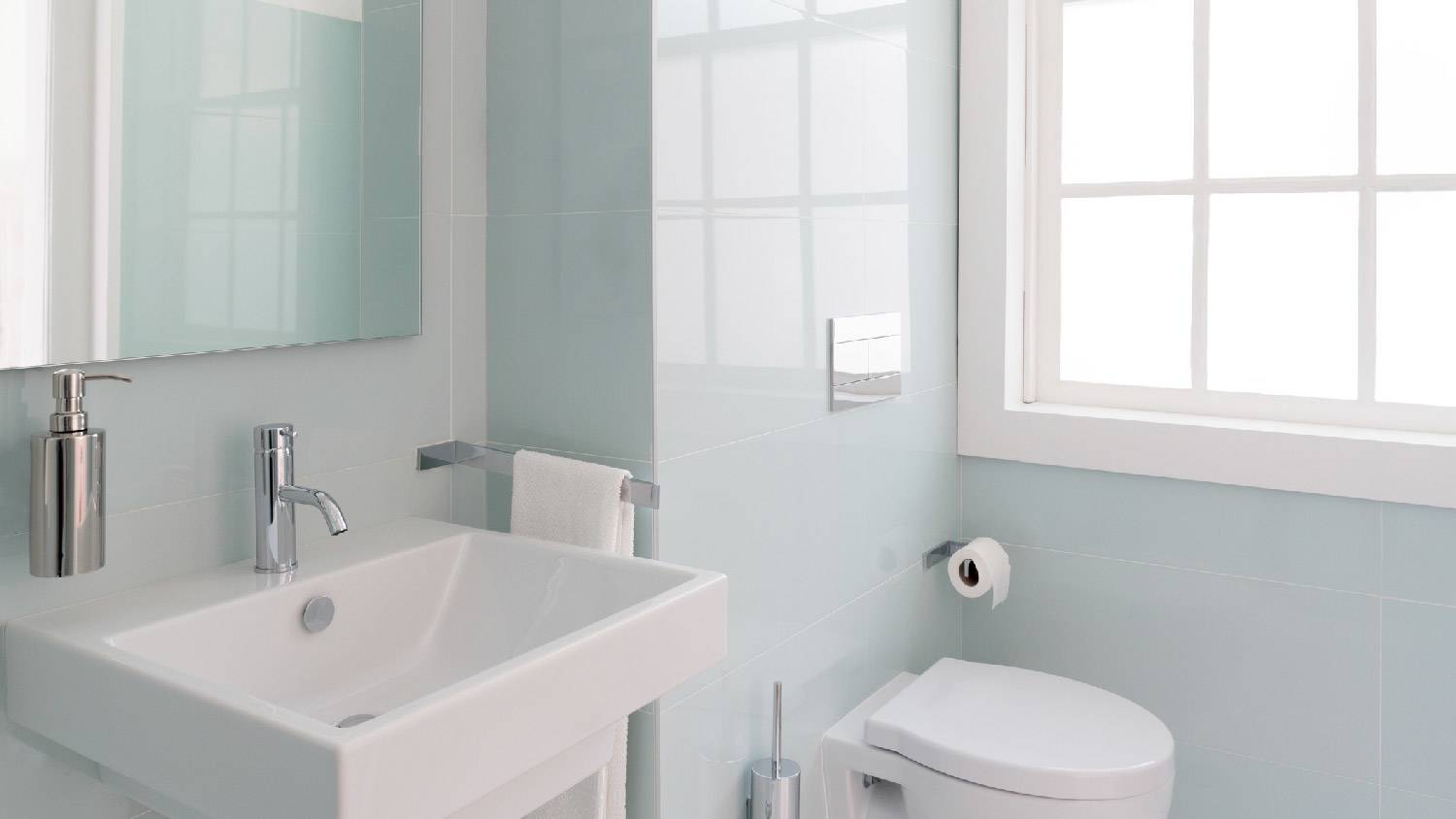
The cost to add a half bathroom varies based on geography and your choice of additions. Read on to discover just what factors into your total project cost.
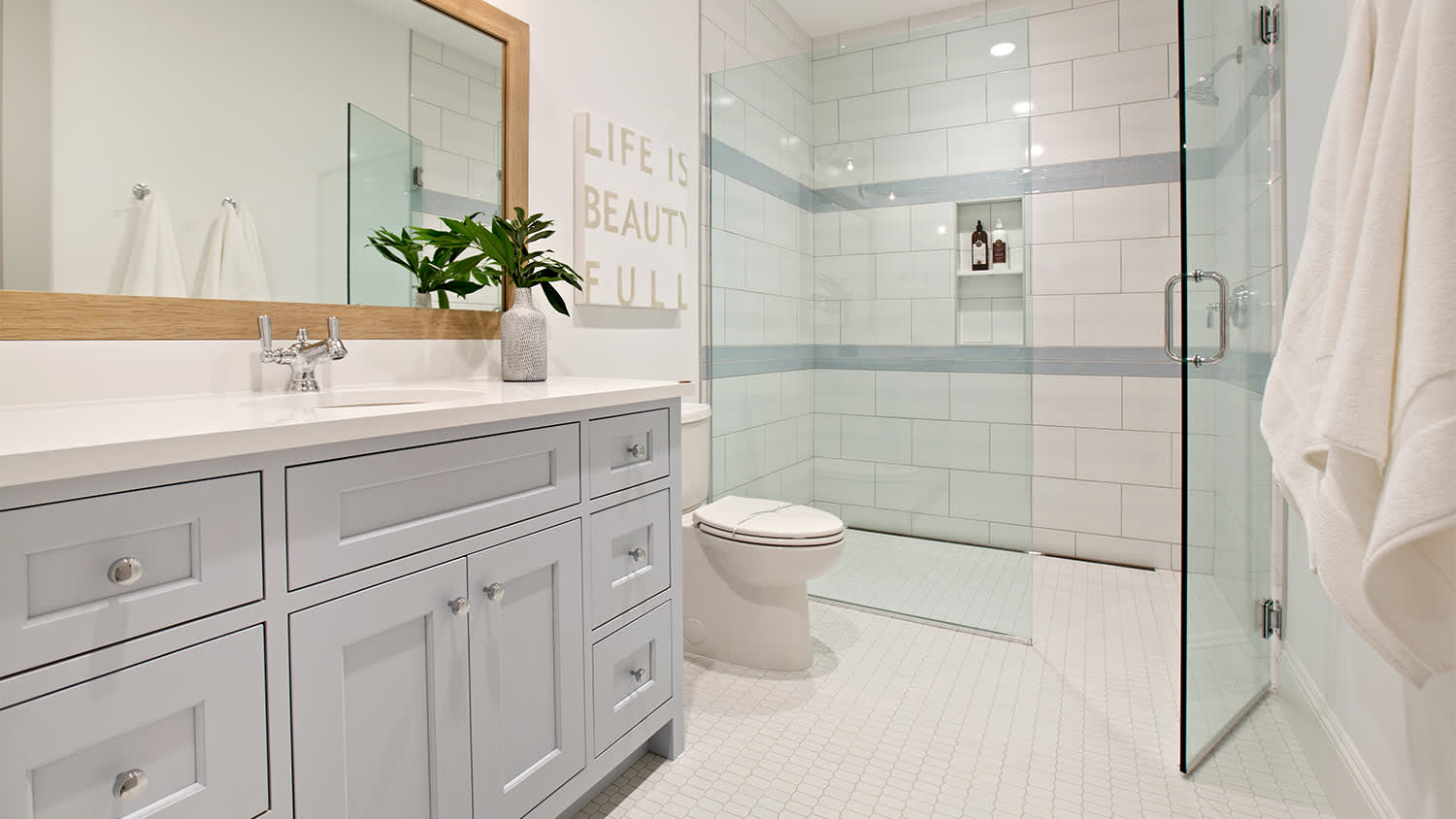
The cost to add a bathroom takes into account whether it’s a half or full bath, square footage, plumbing, electrical, and more. Read on for a cost breakdown.
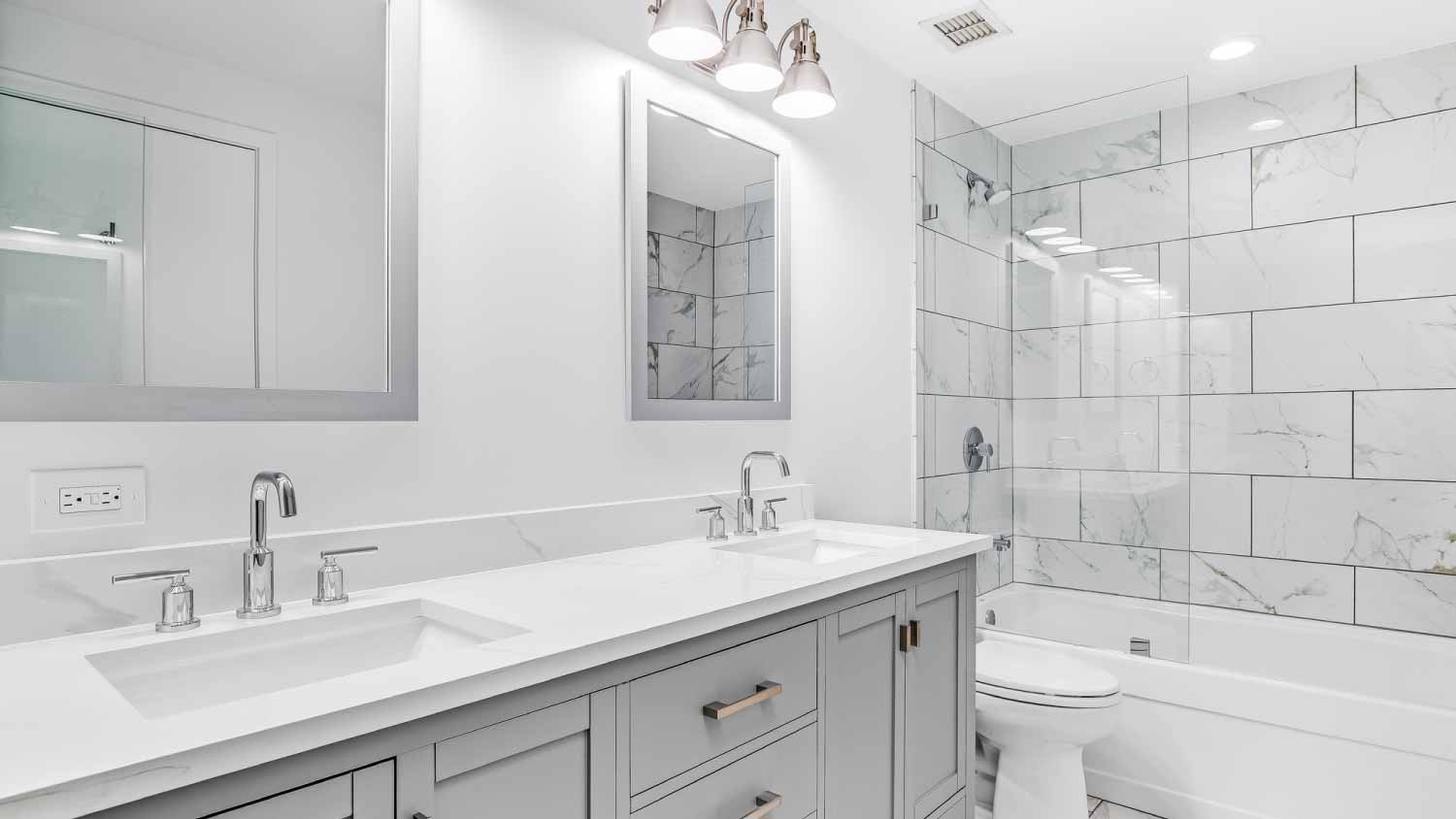
Is it worth converting a half bath to a full bath? It depends on the number of bathrooms already in your home. This guide can help you figure out the real ROI.
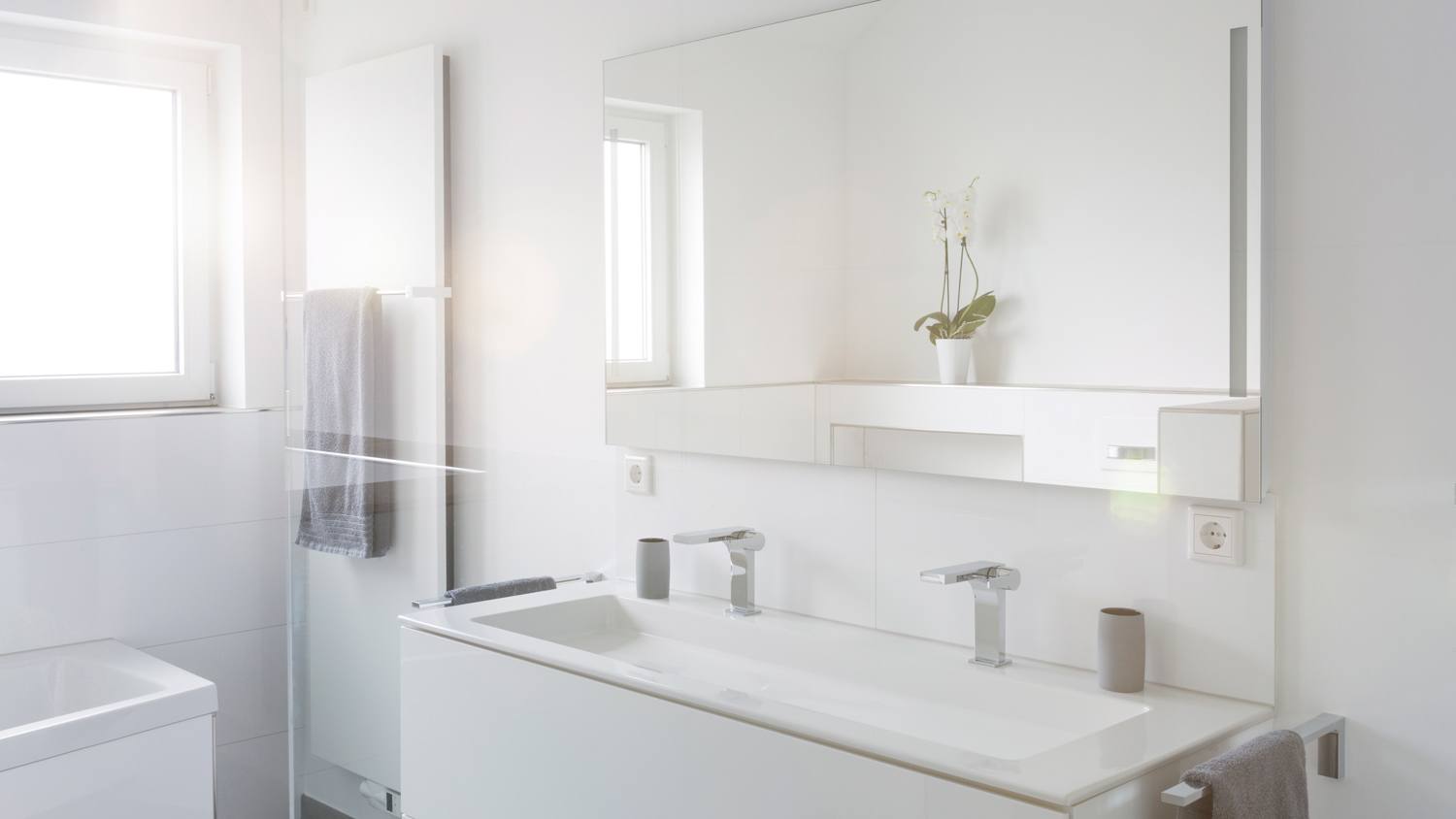
Upgrading your bathroom with a remodel can increase your home’s value in a subsequent sale. Consider the specific upgrades that will bring the greatest return on your investment, and follow our tips to maximize your ROI.
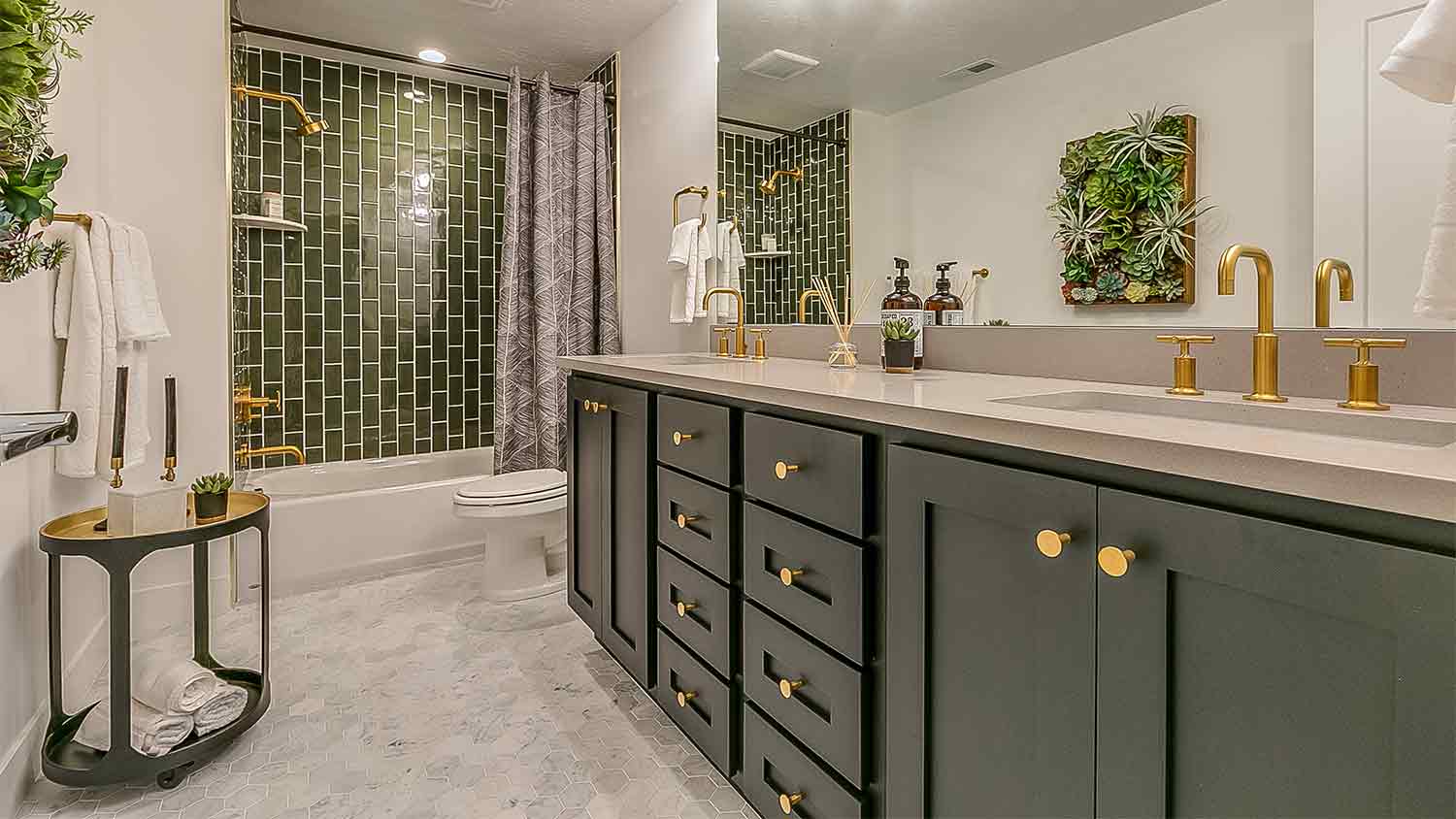
Learn how to remodel a bathroom to create a serene, spa-like space to enjoy every day. Follow our guide for remodel methods and designs.