
If you want to keep the look of natural wood furniture, sealing it with polycrylic or polyurethane preserves its beauty. Here are the pros and cons of each.
Choosing between varnish and polyurethane ultimately comes down to where you’re using the product

Choosing between varnish and polyurethane depends on your project location, as varnish works best outdoors while polyurethane suits interior wood surfaces.
Polyurethane costs about 20% more than varnish, but you'll need fewer coats since it goes on thicker and dries faster than varnish.
You'll need personal protective equipment when applying either finish, and your space needs proper ventilation to handle the fumes from both products.
Hiring a local interior painting professional provides confident guidance on finish selection and application techniques, keeping your wood surfaces protected and beautiful.
Varnish and polyurethane are two materials that homeowners frequently use as a protective coating in many home improvement projects, like adding protection to hardwood flooring and decking and refinishing antique furniture. Not sure what the differences between the two are? Here’s a look at varnish vs. polyurethane and how the two stack up.

You’ll find a varnish finish used for sealing a deck, natural wood homes, boats, and outdoor furniture. You might want to use varnish for many reasons, but it’s best to know the pros and cons before proceeding.
Varnish is a very durable material, so it’s such a popular top-coat product for natural wood. It’s relatively easy to apply, meaning even a newbie DIYer can varnish a surface. It also brings out the natural grain of the wood. Have a beautiful piece of wood you want to be your home’s showstopper? Varnish is a great choice as it will accentuate the richness of the wood.
Varnish is inexpensive, making it a preferred finish by many homeowners, particularly those trying to keep their budget in check. It’s also better for softer woods like pine and cedar because it can flex better than other clear finishes.
While varnish is an excellent protectant for a deck, patio furniture, or wood trim on a boat, it’s by no means completely impermeable. Varnish will start to look worn over time and needs to be regularly re-applied as part of your preventive maintenance program.
Varnish is a toxic product, and even if you opt for a water-based varnish instead of an oil-based finish, you’ll need to use a mask and other personal protective equipment like gloves when you apply it. It’s a slow-drying product, requiring many hours to cure fully, and requires the application of several coats, often as many as six. If you don’t have the patience for the process, you’ll want to hire a local painter to do the work for you.
You may only want to use this product outside due to the fumes. If you’re planning to apply it to an interior surface, plan to open your windows and ventilate your house.

Like varnish, polyurethane is a finish for wood that comes in both water- and oil-based options. Polyurethane consists of plastic polymers, and you’ll commonly find it on interior surfaces like trim, tabletops, and pieces of raw wood.
Polyurethane is extremely durable, as well as easy to maintain, which is why it’s commonly used as a type of hardwood floor finish, particularly for homes with small children or rooms that have a high volume of foot traffic. Unlike varnish, which is used to enhance the rich color of wood, polyurethane is a clear finish, so it’s a great product for lighter woods or surfaces that you don’t want to discolor.
Polyurethane dries faster than varnish, particularly if you choose the water-based finish over the oil-based one. You’ll usually only need one to two coats because the product goes on much thicker than varnish.
Polyurethane tends to crack with the flexing of temperatures and doesn’t hold up well to direct sun exposure, so you’ll only want to use this product on interior finishes. Like varnish, polyurethane will suffer from wear and tear over time. If you apply it on a heavily-used surface—or an item like a dining room or coffee table you use daily—you’ll need to recoat it every few years to keep it looking spiffy.

While the difference between varnish and polyurethane may seem nominal to the average homeowner, it’s best to know how each product stacks up when it comes to price, appearance, durability, and other deciding factors.
Both products will allow the natural grain to show through, but varnish colors the wood with an amber or red hue, giving it more of a wet or freshly polished look. Meanwhile, polyurethane sits atop the wood like a plastic shell instead of penetrating deep into the grain and preserves the original color of the wood.
Most visually appealing: Varnish
Polyurethane feels more like plastic and has a slightly sticky feel that provides a bit of grip. On the other hand, varnish feels smoother, more like a piece of sculptural glass.
Best feel: Varnish
Both varnish and polyurethane come in water-based versions that might be better options if you’d like to avoid using toxic materials. Using a water-based option shortens the drying time, so you’ll have to work a bit faster to keep your finish looking professional. Using tinted varnish or polyurethane is a quick way to add a pop of color to your project without going through the traditional two-stage process of staining the wood to your desired hue and then applying a topcoat.
Best options: Tie
Like all wood finishes, durability depends on maintenance, level of weather exposure, and how much abuse the coating has to endure during its lifetime. Polyurethanes have traditionally not withstood the outdoors elements very well and will last the longest if kept indoors. While most commonly used for an exterior environment, varnish will also fail with time if it’s allowed to languish in harsh conditions.
Most durable: Tie
While the cost of both products falls in a similar price range, polyurethane can run as much as 20% more than varnish. So if budget is a top concern, you’ll want to look at your varnish options.
More affordable: Varnish
You’ll use the same techniques to apply polyurethane or varnish. However, varnish typically requires five to seven coats of finish to achieve the same level of thickness that polyurethane provides. Therefore, polyurethane is easier to apply.
Easiest to apply: Polyurethane
You can easily sand and repair varnish while polyurethane can be tricky. It’s difficult to fix damage with polyurethane because the shell of plastic doesn’t blend with a new layer.
Ease of repair: Varnish
If you keep up with regular cleaning and recoating of the finishes, both varnish and polyurethane are easy to maintain. A light sanding after a thorough cleaning followed by a fresh layer or two will greatly lengthen the life span of each.
Ease of maintenance: Tie
Since you’ll commonly find polyurethane on interior finishes, it will have a longer life than varnish, which is exposed to the elements of the outdoors and will break down faster.
Length of life: Polyurethane
Custom Paint Jobs LLC is the go-to choice for all your painting needs. They painted both the interior and exterior of my house flawlessly. Their work speaks for itself!
 Custom Paint Jobs, LLC
Beginning with the estimate, Larry and Peyton were super helpful in getting my new condo's interior re-painted. Not only was the job well done, but also done in a super timely manner as promised.
 Five Star Painting of Plain City and Powell
From average costs to expert advice, get all the answers you need to get your job done.
If you want to keep the look of natural wood furniture, sealing it with polycrylic or polyurethane preserves its beauty. Here are the pros and cons of each.
Give your wood furniture or floors a perfectly smooth, glossy finish with polyurethane. This guide walks you through how to apply polyurethane.
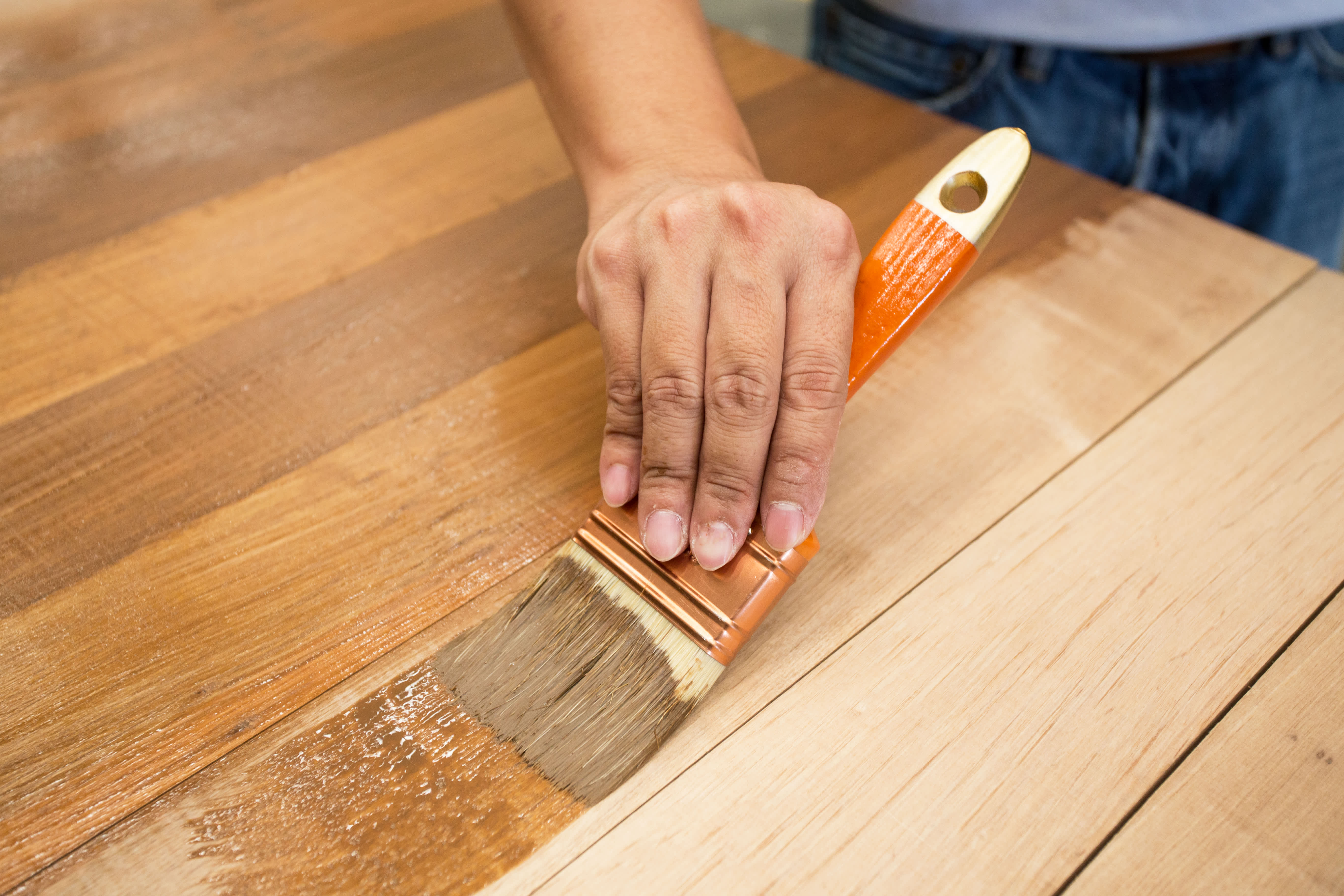
What is polyurethane? Learn how polyurethane keeps your furniture, floors, and cabinets safe from scratches, spills, and fading over time.
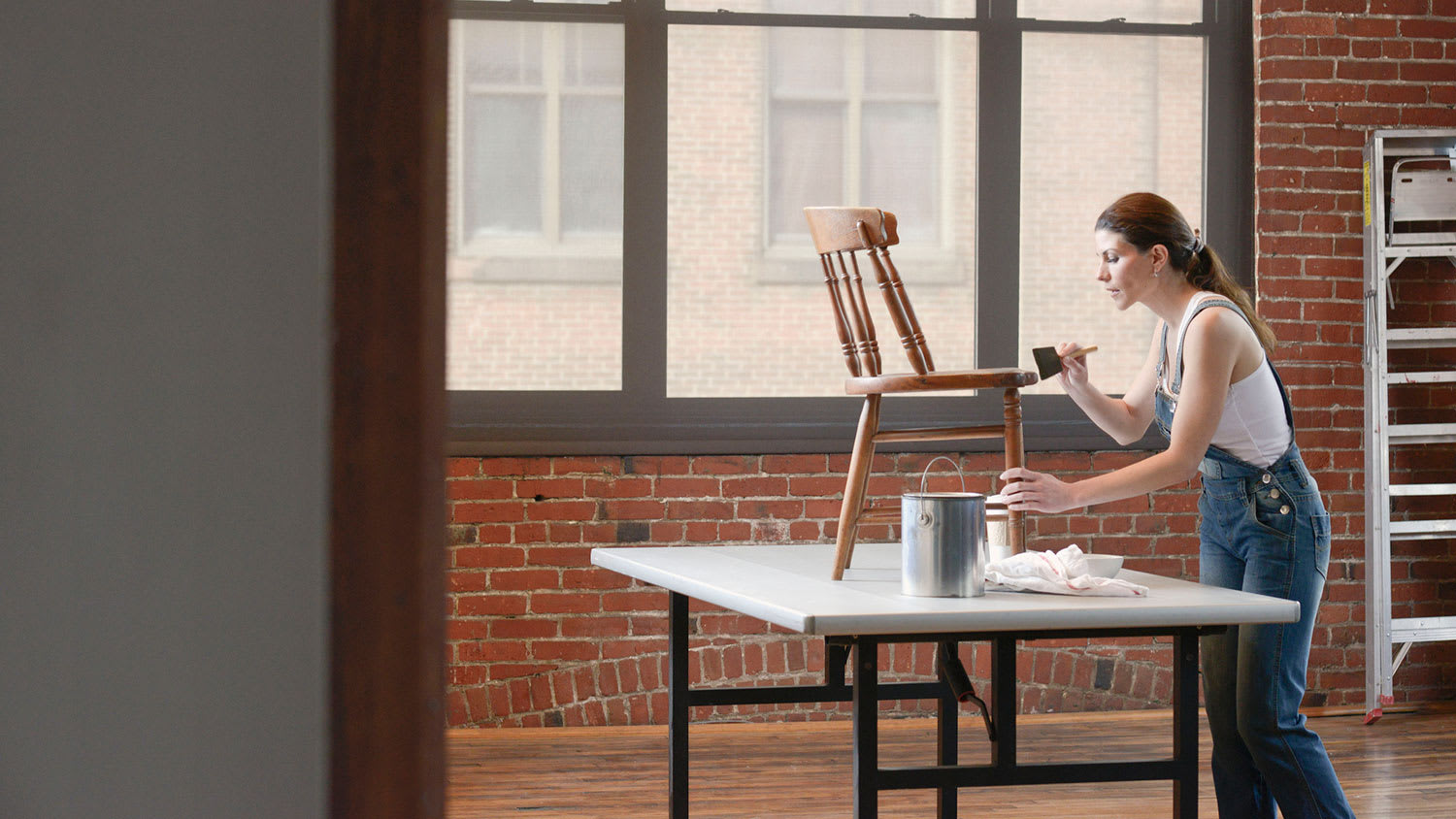
In the battle of shellac vs. lacquer, only one has supreme durability. Here’s what you need to know about the differences between these popular finishes.

There are many types of hardwood flooring, and all of them are best protected by one of many types of hardwood finish. Learn about the most popular types of hardwood finish and which is best suited to your flooring project.
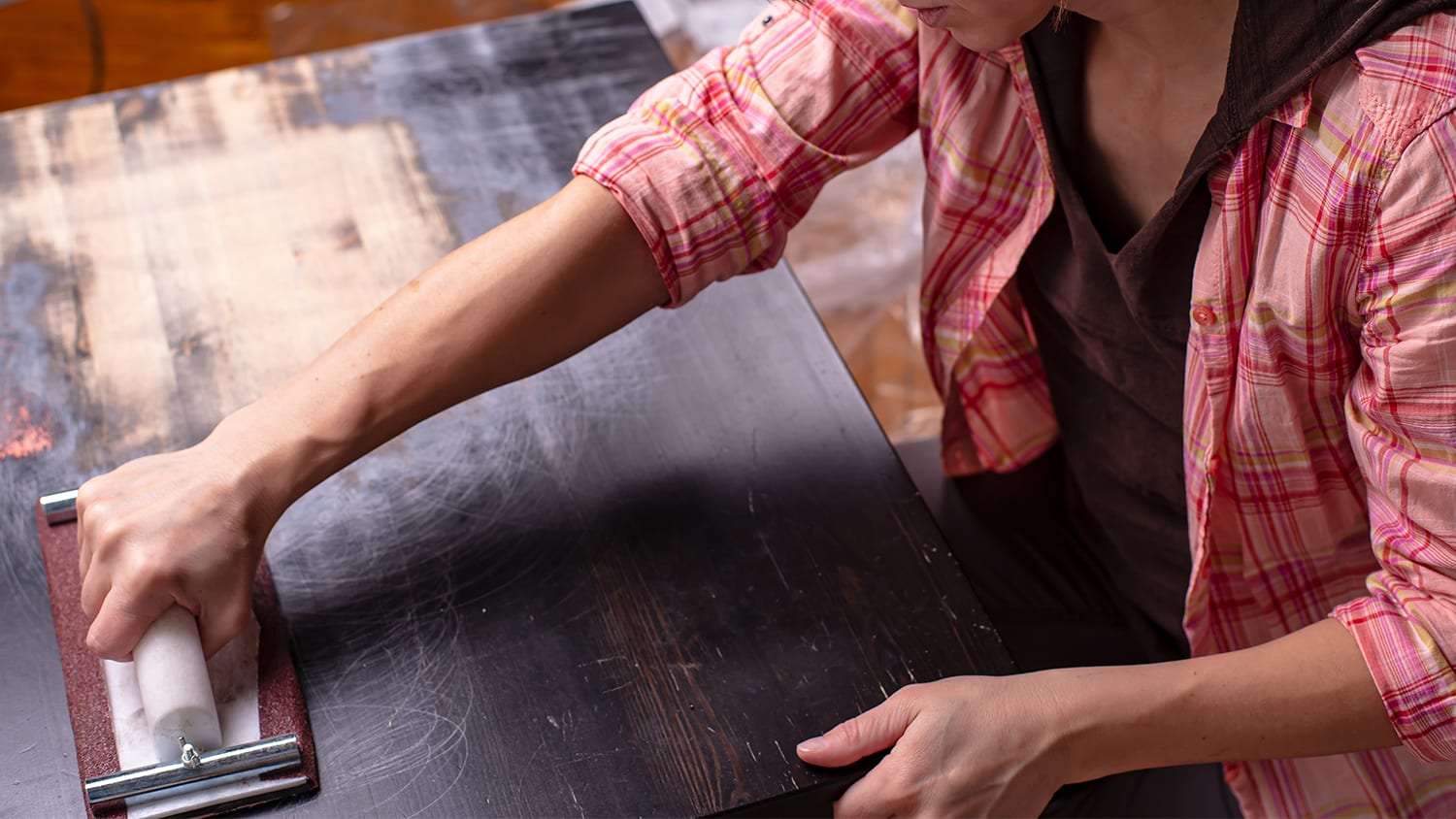
You don’t have to spend a lot to give your furniture a makeover. Most furniture remodeling projects are simple DIYs. All you need is a little inspiration and some patience.