

A water pressure booster can add a lot of volume for a small price. Discover booster pump installation costs and cost factors in this guide.
Add a water booster pump to fix that wimpy water pressure

A well booster pump attaches to your water line and uses a motor-driven impeller to increase flow and pressure throughout your home.
Booster pumps for home water pressure cost $60 to $300 depending on capacity, with higher-capacity pumps needed for multi-story homes or multiple fixtures.
Your home needs a well booster pump if you have weak pressure on upper floors, multiple taps running simultaneously, or well water struggling to meet demand.
Hiring a local plumbing professional provides reliable support for selecting the right pump capacity and completing the installation so your water pressure stays strong.
Struggling to fix low water pressure in your home? You might need a water pressure booster pump. Plumbing pros can install this type of pump on your home’s water line to increase water pressure for your sinks, showers, and appliances. Learn how a water booster pump works and how to tell if you need one.
A water pressure booster pump accelerates water flow and increases water pressure. It can be used on your water supply line or to pump water from a storage tank or pond that’s far away from your home. It’s often used to combat low water pressure caused by trying to transport water against gravity or across long distances.
For example, if you have weak water pressure in a second-story shower, it could be because the faucet is far from where the water enters the house. Plus, the water has to move against gravity to reach the second story. A water booster pump can counterbalance both of those factors. Booster pumps are also useful if you have city water that enters your home with low water pressure.
A water booster pump draws in water and uses an impeller to increase the water flow and pressure. The pressurized water then enters the plumbing to be used wherever you turn on your faucet next. With a booster pump, you can open multiple taps at once without a decrease in pressure—perfect for optimizing your chores and taking a shower while the dishwasher is running.
Knowing the parts of a water booster pump can help you troubleshoot when problems come down the pipeline.
Inlet: The inlet of the pump opens to suck the water in. It attaches to the water supply line or elsewhere in your existing plumbing and has a check valve to prevent water from flowing the wrong way.
Impeller: The impeller is a fan-like series of blades that are run by a motor and pump the water through.
Flow sensor: A pressure sensor or flow sensor measures the water pressure or flow to make sure it’s at the set pressure or rate.
Outlet: The outlet is where the water booster pump reattaches to your plumbing line for the pressurized water to reach the rest of the house.
Expansion tank: Some water booster pumps have expansion tanks that hold excess pressurized water, decreasing how often the pump needs to cycle on and off.
There are two main types of water pressure booster pumps:
Single-stage pump: This type of pump has one impeller and is enough to improve water pressure in a single-family home.
Multi-stage pump: This pump has multiple impellers to improve water pressure for longer distances or bigger buildings, such as hotels or apartment buildings.
Variable-speed drive pump: Optimization is the name of the game with variable-speed drive pumps. They operate at different speeds to change the pressure based on the demands of your home and are great for people on well water.

Water booster pumps can come in handy for many different purposes. For example, you might want a water booster pump if:
You have city water that comes into your home with low pressure.
You have a lot of people or appliances using water at the same time in your home.
You have well water with a storage tank and need to pressurize the water from the tank.
Your well pump can’t keep up with the demand in your home or you see signs of well pump failure.
The showers and faucets on upper levels of your home have poor water pressure.
You have a rain-harvesting tank or pond that you’d like to pump without depending on gravity to move it.
Water pressure booster pump costs depend on the pump’s capacity and type. A water pressure booster pump rated for 70 psi (pounds per square inch) costs between $80 and $200. A booster pump that can handle up to 3 GPM (gallons per minute) costs between $60 and $300. If you have a multi-story house, you’ll pay more for a booster pump than someone in a smaller, single-story home.
The main considerations when shopping for a booster pump are:
How much water you need for your home size and water usage
Whether the water source must travel against gravity (such as uphill or up several stories)
Your current water flow rate
Your existing water pressure and desired water pressure
Contact a local plumber if you want to install a water booster pump. Experienced plumbers can help you choose the right pump for your home and install it for you, too. They can also help you replace a well pump instead if that’s the cause of your low water pressure.
Positive experience. As previously stated, the replacement/repair could not be completed (no fault of the plumbing tech) b/c misinformation was rec?d by property management maintenance. Thanks to the plumbing tech for your efforts. Appreciate you!
 The Waterworks
If you want to pay the most exorbitant prices possible for your job, this is the company for you. “By the job” pricing is a rip-off, at least how these people use it. Every job is plugged into a category and prices are set by category. You might have a job that takes half an hour or one that...
 Benjamin Franklin Plumbing
Cole has been handling plumbing and general contracting for our four properties over the past three years, and he’s always done a great job. Most recently, he installed a sink and countertop in our retail store where none existed before, and it turned out exactly how we needed. He’s...
 ANB Renovations LLC
Matt is a consummate professional. The work turned out to be far more difficult than expected and rather than turn the job down, Matt rose to the occasion and completed a near impossible task. I can not recommend Greene's Plumbing Service more highly. On a scale of 1-5 I would give Matt a...
 Greene's Plumbing Service
Involved an extensive bathroom remodel, including removing tub & installing walk in shower, new drywall, custome tile work to ceiling, plumbing, etc. Overall, job was done on time and on budget. Nick & his team were very professional and had high attention to detail. Quality was great. Highly...
 Stamos Flooring and Remodeling LLC
Awesome company. Had a jacuzzi tub taken out and replaced with huge walk in shower with partial glass enclosure. Onyx to the ceiling with a decorative border, moved plumbing and installed hand held shower, new ceiling, flooring, and paint. Replaced window with glass block. Everything was done...
 Columbus Bath Design
The initial quoted price from a walk-through seemed high, but we discussed that the quote represented worst case scenario (re-wiring to two floors) and we were excited about the opportunity to have the work done in a timely manner with closing for fire safety reasons, etc. When the job was...
Initially, I called the Service People to have a leaking garbage disposal replaced. I had purchased a special deal through Angie's List: $79 for $200-worth of plumbing services. <br /> When I went to schedule the work, the earliest date I could get through Angie's List was after the upcoming...
This company did a very good job on the brick wall and it looks just amazing. The staff was always professional and was practically OCD on how the bricks were stacked and how they were laid. Although it took longer than expected, I am willing to sacrifice time over perfection anyday. The...
 My Handy Mate LLC Improvement & Remodeling
<p>I am so glad we called Rotor-Rooter. I was hesitant to call them because we usually prefer to give business to local providers. But when we had sewage back up in our basement on a Saturday evening, I had a hard time getting a hold of someone, not to mention the high weekend/evening rate...
 Roto-Rooter Plumbing & Water Cleanup
From average costs to expert advice, get all the answers you need to get your job done.
A water pressure booster can add a lot of volume for a small price. Discover booster pump installation costs and cost factors in this guide.
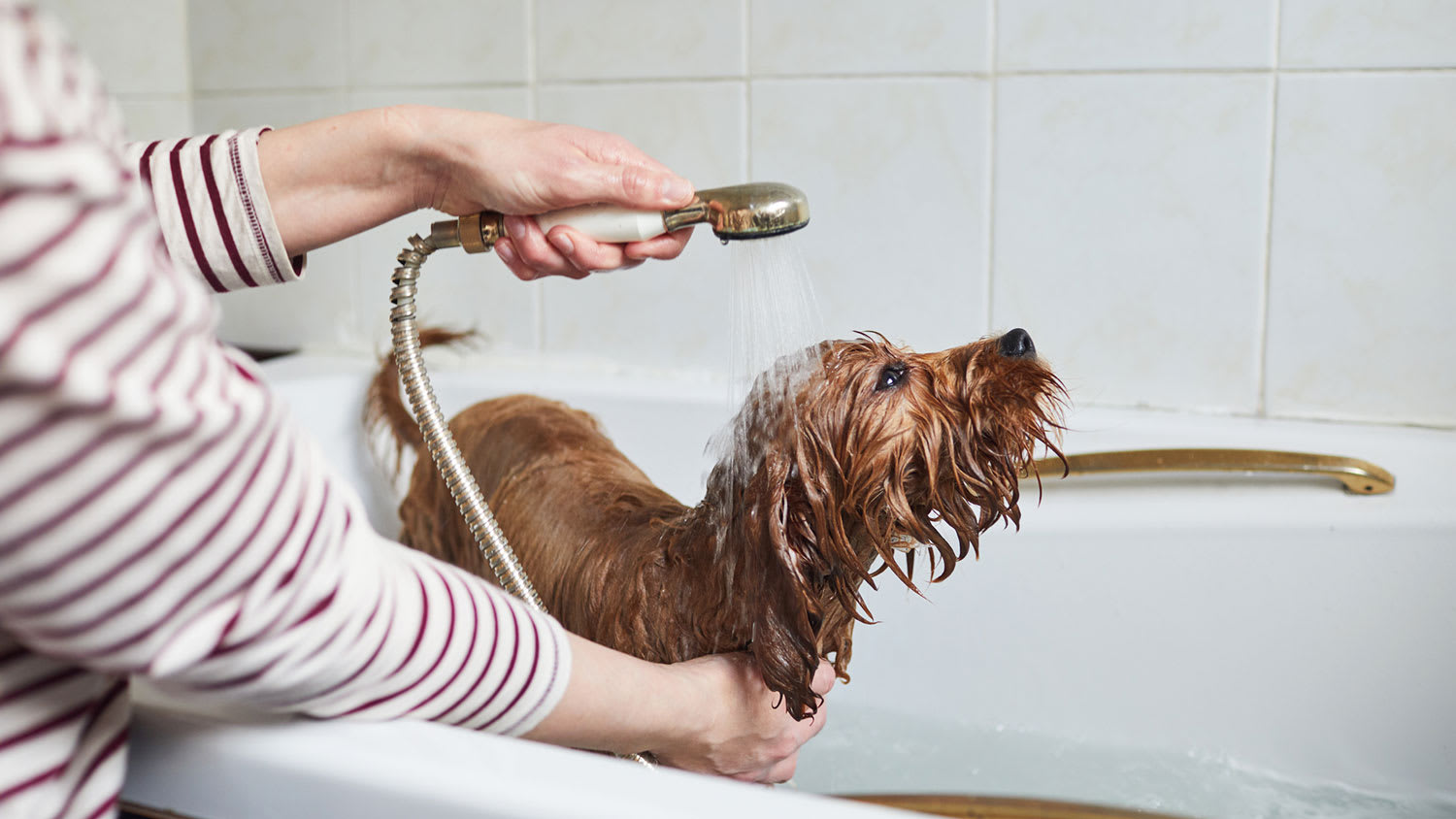
Knowing how to increase water pressure in your home can save you time around the house. Keep reading to learn how you can get a higher water pressure.

Low water pressure is frustrating. That’s why we made this guide to help you learn how to get more pressure from your well for a shower that feels just right.

If the house you want to buy has low water pressure, should you move ahead with the purchase? Read on for tips, including ways to fix this problem.
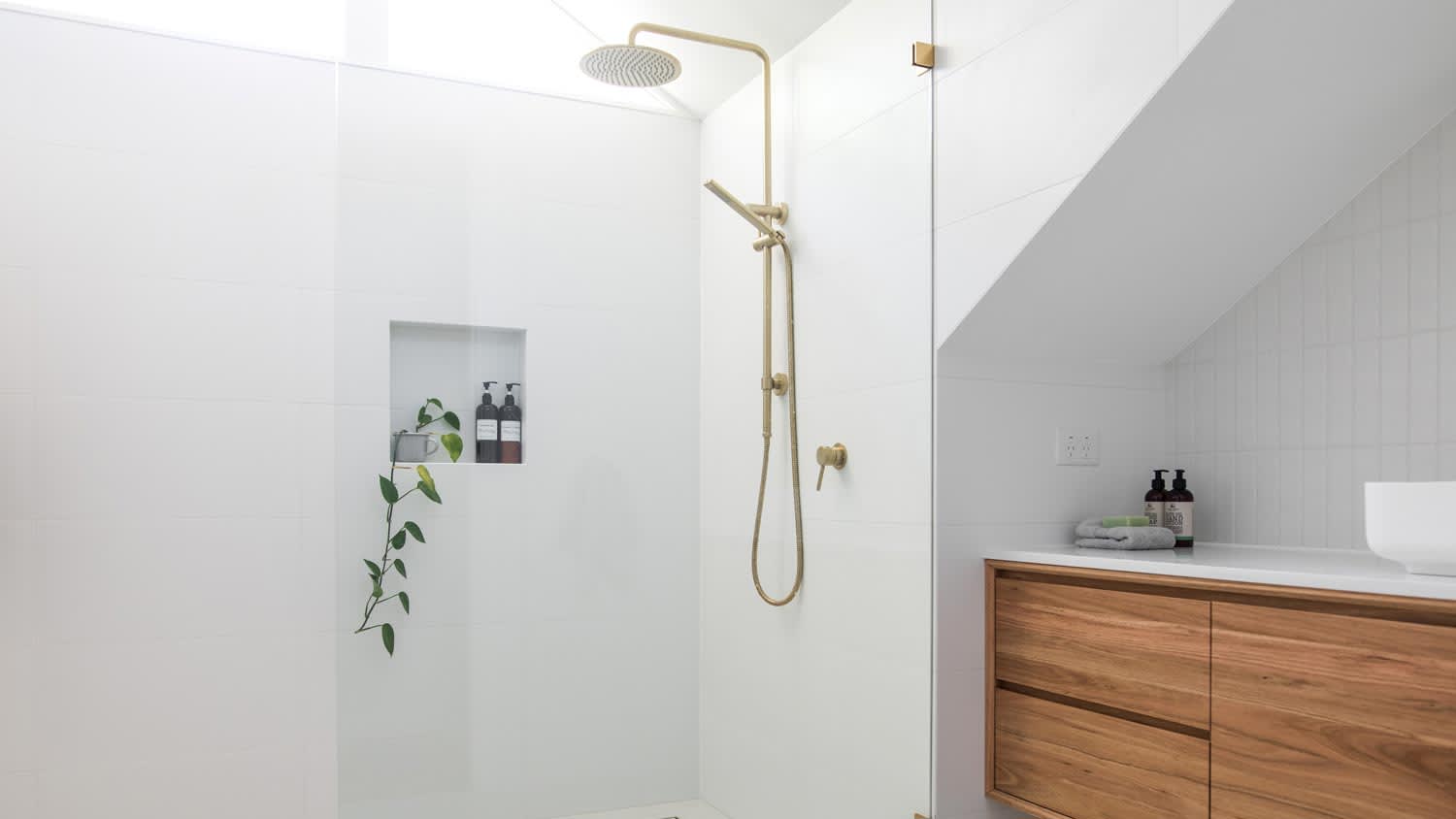
Is the water pressure in your shower lacking? Here are common solutions to increase it so you can enjoy your showers again.
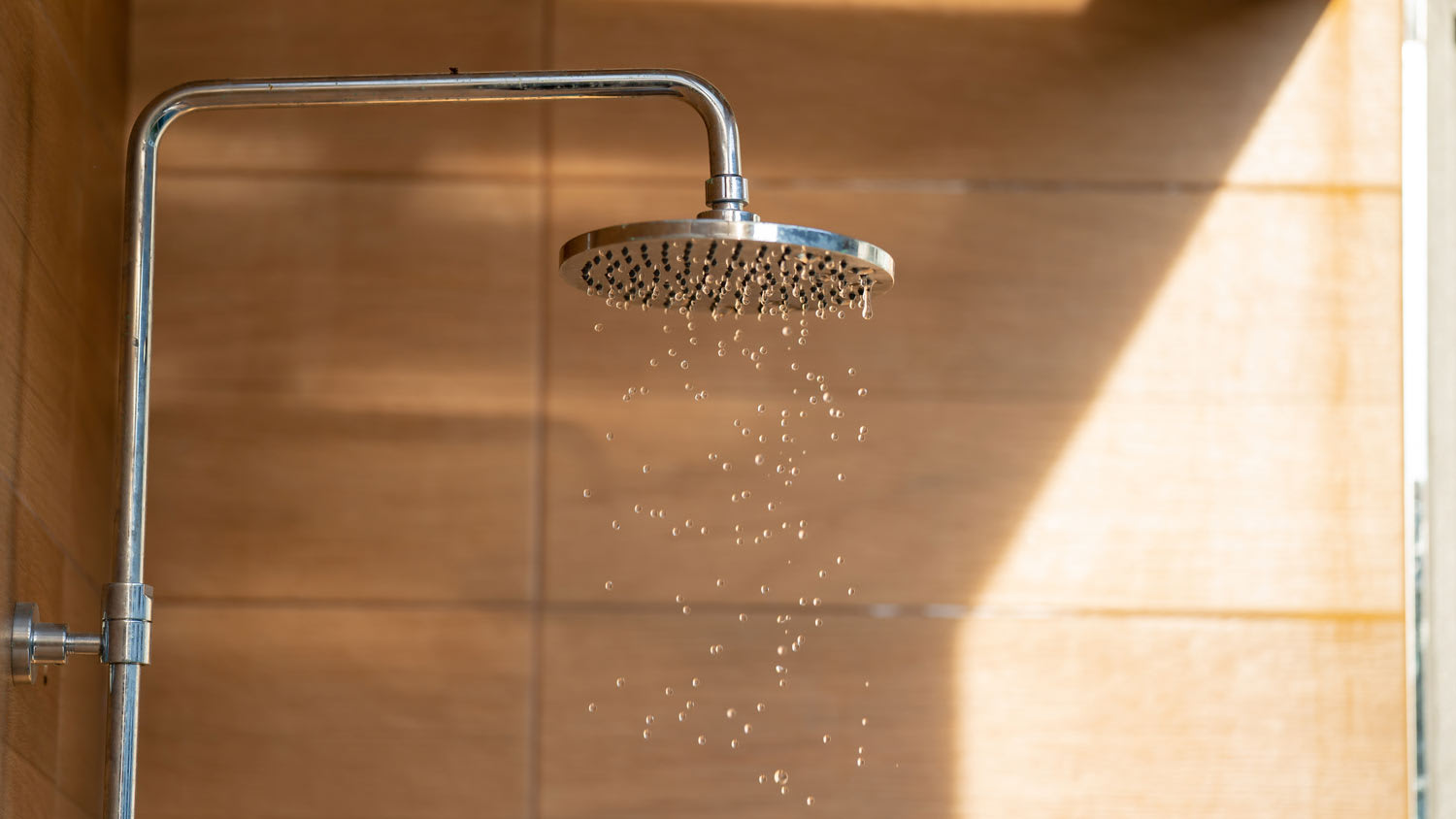
Well pump pressure helps water get where it needs to go. Learn how much pressure a well pump should have before you start adjusting.