
Leaky toilet tank sounds driving you crazy? It might be your toilet flapper. Here’s how to choose the right size toilet flapper to save water and money.
Live leak-free by installing the right kind of toilet tank flapper

Toilet flapper types include rubber, silicone, adjustable, and dual-flush options, each designed to match your toilet's flush valve and water efficiency needs.
Rubber flappers are cost-effective but degrade over time, while silicone and dual-flush flappers cost more yet resist chemical breakdown and improve water efficiency.
Replace your flapper when you notice constant running, weak flushing, or visible cracking, checking your toilet's flush valve size to ensure proper fit.
Hiring a local toilet professional provides reliable guidance on flapper compatibility and installation, keeping your toilet leak-free and operating smoothly.
Out of sight, out of mind might work for some household items, but toilet flappers aren’t one of them. There are four main types of toilet tank flappers: rubber, silicone, standard or universal, and adjustable. Here are the pros and cons of each option so you’ll know what to look for when your toilet leaks or you need a new flapper. When in doubt, talk to a plumber who can recommend the right flapper for your setup.

| Type of Toilet Tank Flapper | Benefits |
|---|---|
| Rubber | Versatile and compatible with most toilets |
| Silicone | Resists chemical breakdown |
| Standard or universal | Compatible with various toilets and flush valves |
| Adjustable | Customizable water usage for improved efficiency |
| Chainless | Less risk of malfunction |
| Seat disk | Simple design reduces mechanical failure |
| Tank ball | Durable and long-lasting |
| Solid frame | Reliable seal for high-pressure toilets |
| Counterbalanced | Increases water efficiency |
| Dual flush | Customizes flushing options |
| Flush canister | Provides powerful flush using less water |
Rubber toilet tank flappers are the most common. They’re made of flexible rubber and create a watertight seal over the flush valve. Rubber flappers are so popular because they’re compatible with most standard modern toilets, durable, easy to install, and come in various designs like solid rubber and built-in floats.
| Pros | Cons |
|---|---|
| Durable and resistant to wear and tear | Will degrade over time |
| Easy to install and replace | Less resistant to harsh water conditions |
| Budget-friendly | Require occasional adjustments |
| Easy to find in hardware stores | May warp in hot environments |
Best for:
Most standard residential toilets
Toilets with 2-inch flush valves
Silicone flappers are a modern reinvention of the traditional rubber flapper. Since silicone is more resistant to chemicals and harsh water conditions like chlorinated water, it lasts longer in toilets with hard water and chemically treated water. They tend to stay flexible longer than rubber and are less likely to degrade and become brittle over time. For this reason, they can be a better long-term investment, even if they cost a bit more than rubber flappers.
| Pros | Cons |
|---|---|
| Very durable | More expensive than rubber |
| Resistant to chemically treated and hard water | Harder to find in some stores |
| Longer life span than rubber flappers | Can require careful fitting for the best seal |
Best for:
Toilets with hard water or chlorinated water
Standard flappers, also called universal flappers, are designed to fit a wide range of toilet models and flush valves. They’re made from rubber or a combination of rubber and plastic, so they easily adapt to different toilet designs. If you’re in doubt about which type of flapper to buy, or if you have an older toilet that takes non-standard parts, a universal flapper is a safe choice.
That said, the generalized fit can perform differently in different toilets and flush valves, so you won’t always know how they’ll fit until you install them. This means there’s a greater chance of leaks than with specialized flappers, and they can be less durable.
| Pros | Cons |
|---|---|
| Extremely versatile | The generalized fit can allow for leaking |
| Easy to find in stores | Less durable than specialized flappers |
| Adjustable for customized installation | Variable performance in various toilet models |
Best for:
Older toilets and toilets with non-standard parts
Homeowners needing a one-size-fits-all solution

Adjustable flappers let you control the amount of water your toilet dispenses with each flush. They have a dial or float, which you can adjust to change how long the flapper stays open. This could be a good fit if you want to reduce toilet water usage without investing in a new low-flow toilet. Most are made of rubber or plastic and come in various sizes to fit different toilets and types of flush valves.
| Pros | Cons |
|---|---|
| Allows for control of water use per flush | Needs regular adjustment |
| Can help reduce water bills | Harder to install compared to non-adjustable models |
| Fits different toilet models and flush valves | May not fit all toilets |
Best for:
Reduced water use
Toilets with dual-flush capabilities
Chainless flappers don’t have a chain that lifts the flapper when the toilet flushes. Instead, they have a hinge or float mechanism that lets them open and close. Chains can tangle or malfunction, so chainless flappers can be more reliable and consistent. Most are made of plastic or rubber and fit newer and more modern toilet designs.
| Pros | Cons |
|---|---|
| No chance of chain-related malfunctions | Not compatible with all toilets |
| Consistent flush performance | Installation can be complicated |
| Can be quieter than chain-operated flappers | Costs more than traditional flappers |
Best for:
Modern, non-standard toilets
High-efficiency toilets for a consistent, efficient flush
Those who want low-maintenance toilet flappers
Seat disk flappers are found in older and vintage toilets. Their design is simple: a flat rubber or plastic disc sits atop the flush valve. When someone presses the flush mechanism, the disk lifts to let water pass through and then settles back down onto the valve opening. They’re not as leak-resistant and don’t seal as tight as modern flappers, but their simple design and fit on older toilets make them a good choice for certain homes.
| Pros | Cons |
|---|---|
| Simple construction means less malfunctioning | Doesn’t seal tightly, so leaks are possible |
| Fits most older toilets and preserves original designs | Harder to find in local stores |
| Low-maintenance | Won’t fit most modern toilets |
Best for:
Vintage and older toilets with specialized flapper needs
Tank ball flappers are found in toilets manufactured around the 1950s. While they’re uncommon, vintage toilet owners can still find them as replacements for their original flappers. They consist of a rubber ball that sits directly on the flush valve, sealing water in the tank. During flushing, an attached metal rod lifts them and allows water to flush into the bowl before the ball drops back down to reseal the valve.
| Pros | Cons |
|---|---|
| Durable construction is long-lasting | Less efficient than modern flappers |
| Can stand up to heavy-duty use | Challenging to find in stores |
| Simple mechanism is repairable | Can be difficult to install |
Best for:
Older and mid-century toilet models
Solid-frame flappers have rigid frames that hold the rubber seal on top of the flush valve, creating a perfect and reliable seal. Unlike frameless flappers, solid-frame flappers won’t warp or twist over time because the frame holds the more flexible rubber parts in place. While you can use them in any toilet model they fit into, they’re ideal for high-pressure, commercial, and heavy-use toilets.
| Pros | Cons |
|---|---|
| Have a consistent and secure seal | Cost more than standard flappers |
| Durable design resists warping and twisting | Doesn’t fit in all toilets |
| Keeps high-pressure and heavy-use toilets working | Harder to source than standard flappers |
Best for:
Toilets with high water pressure that get heavy use
Toilets in commercial buildings

Counterbalanced flappers have weighted mechanisms to control their movements, so they close slowly and securely after each flush. The counterbalance mechanisms are made of metal or plastic and attach to the flapper or an added float. They open during the flush until the right amount of water flows into the bowl. This gives homeowners precise control to prevent under-flushing and over-flushing, saving water and maximizing performance.
| Pros | Cons |
|---|---|
| Precise flushing reduces water use | Complex design can be difficult to install |
| Prevents over-flushing and under-flushing | Requires occasional adjustments |
| Durable | More expensive than standard flappers |
Best for:
Water-saving toilets
Homeowners seeking to use less water
Homes under water use restrictions
Dual-flush toilets offer two flush options—a low-volume flush and a full-volume flush, depending on the user’s needs. These types of toilets require a dual-flush flapper that lets the user choose the flush volume. In conjunction with modern dual-flush toilets, these flappers help conserve water without compromising effectiveness.
| Pros | Cons |
|---|---|
| Compatible with dual-flush toilets | Can be difficult to install and maintain |
| Eco-friendly design saves water | Not compatible with traditional toilets |
| Reduces water bills | More expensive and harder to source |
Best for:
Dual-flush toilets
Lowering water bills
Homes in water-conservation districts
Modern, high-efficiency toilets may have flush canister flappers instead of more types. Flush canisters have a flush valve inside a canister rather than being covered by a flapper. This makes for a larger flush opening and a more powerful flush without using more water. The user presses the flush mechanism, which lifts the entire canister, letting a large amount of water flow quickly and forcefully into the toilet bowl.
| Pros | Cons |
|---|---|
| Powerful flushes with minimal water use | More expensive than traditional flappers |
| Reduces clogging | Installation or repair is difficult and may require a pro |
| Compatible with high-efficiency toilets (HETs) | Can be hard to source |
Best for:
High-efficiency toilets
Maximum flushing power that still conserves water
Toilet flappers last about 3 to 5 years. Replace your old flapper if your toilet is constantly running, flushes weakly or incompletely, or if you see flapper damage like cracking or warping. The simplest way to figure out which type of flapper you need is to see which one your toilet came with. Since flappers vary in shape, material, and function, you can always play it safe and replace an old flapper with a new one that’s exactly the same.
If you don’t know what kind of flapper your toilet needs, check your user’s manual or contact the manufacturer or local toilet repair company for advice. You might need your toilet make and model numbers, which are stamped inside the tank. Measure the flush valve opening (usually 2 or 3 inches) to see which size toilet flapper you need. In a pinch, remove your old flapper and take it with you to the hardware store.
Positive experience. As previously stated, the replacement/repair could not be completed (no fault of the plumbing tech) b/c misinformation was rec?d by property management maintenance. Thanks to the plumbing tech for your efforts. Appreciate you!
 The Waterworks
Finished Basements Plus was wonderful from beginning to end! First, they came out quickly for an estimate. I had 4 estimates and theirs was by far the best. (2 of the estimates were more than $20K higher than for the exact same work). Beyond their fair pricing, the work was excellent. They...
 Finished Basements Plus Inc.
If you want to pay the most exorbitant prices possible for your job, this is the company for you. “By the job” pricing is a rip-off, at least how these people use it. Every job is plugged into a category and prices are set by category. You might have a job that takes half an hour or one that...
 Benjamin Franklin Plumbing
Cole has been handling plumbing and general contracting for our four properties over the past three years, and he’s always done a great job. Most recently, he installed a sink and countertop in our retail store where none existed before, and it turned out exactly how we needed. He’s...
 ANB Renovations LLC
Matt is a consummate professional. The work turned out to be far more difficult than expected and rather than turn the job down, Matt rose to the occasion and completed a near impossible task. I can not recommend Greene's Plumbing Service more highly. On a scale of 1-5 I would give Matt a...
 Greene's Plumbing Service
Involved an extensive bathroom remodel, including removing tub & installing walk in shower, new drywall, custome tile work to ceiling, plumbing, etc. Overall, job was done on time and on budget. Nick & his team were very professional and had high attention to detail. Quality was great. Highly...
 Stamos Flooring and Remodeling LLC
Awesome company. Had a jacuzzi tub taken out and replaced with huge walk in shower with partial glass enclosure. Onyx to the ceiling with a decorative border, moved plumbing and installed hand held shower, new ceiling, flooring, and paint. Replaced window with glass block. Everything was done...
 Columbus Bath Design
The initial quoted price from a walk-through seemed high, but we discussed that the quote represented worst case scenario (re-wiring to two floors) and we were excited about the opportunity to have the work done in a timely manner with closing for fire safety reasons, etc. When the job was...
Initially, I called the Service People to have a leaking garbage disposal replaced. I had purchased a special deal through Angie's List: $79 for $200-worth of plumbing services. <br /> When I went to schedule the work, the earliest date I could get through Angie's List was after the upcoming...
This company did a very good job on the brick wall and it looks just amazing. The staff was always professional and was practically OCD on how the bricks were stacked and how they were laid. Although it took longer than expected, I am willing to sacrifice time over perfection anyday. The...
 My Handy Mate LLC Improvement & Remodeling
From average costs to expert advice, get all the answers you need to get your job done.
Leaky toilet tank sounds driving you crazy? It might be your toilet flapper. Here’s how to choose the right size toilet flapper to save water and money.
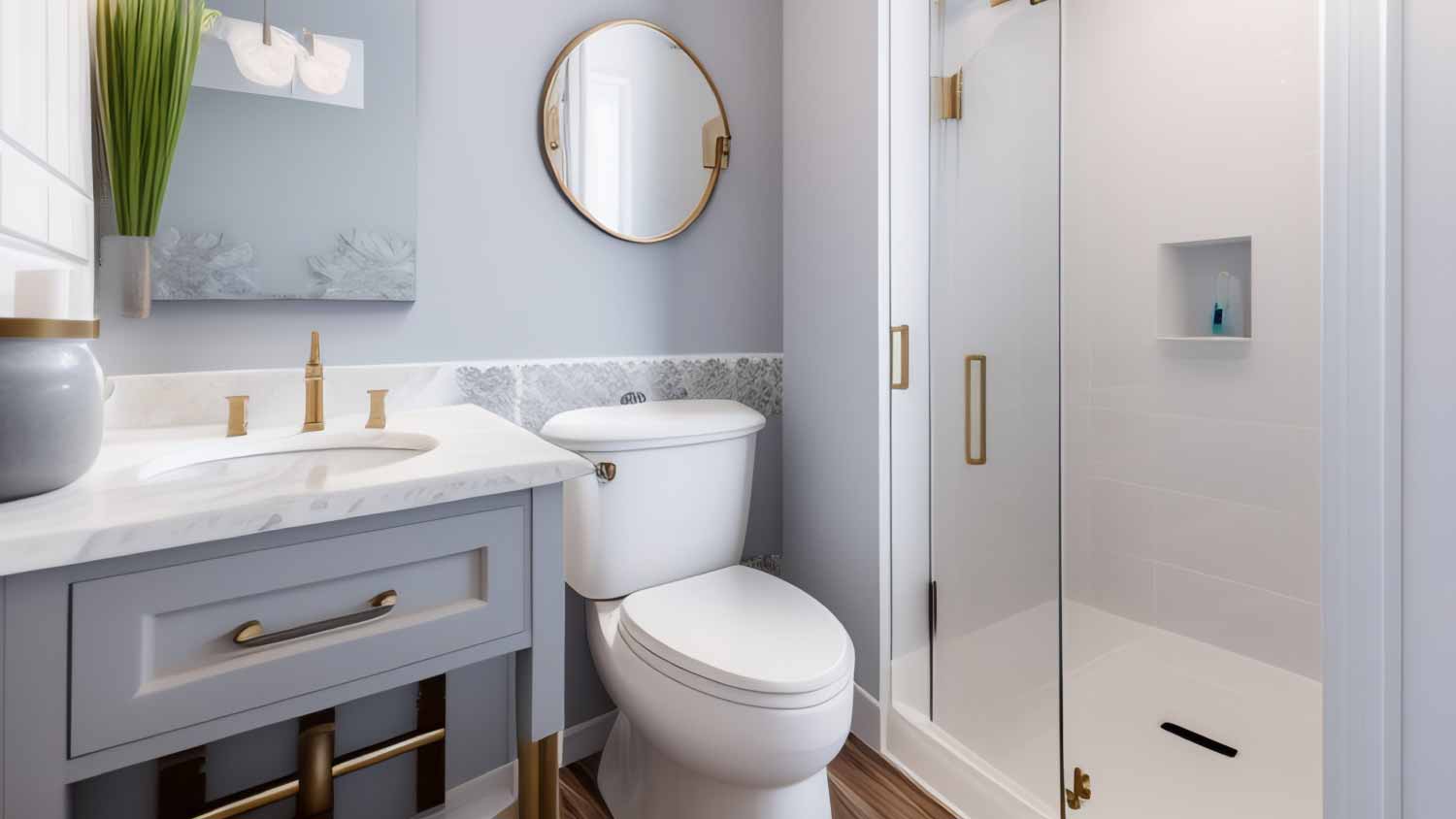
What is a toilet flapper? Find out everything you need to know about this rubber piece in your toilet tank so you can troubleshoot common issues.
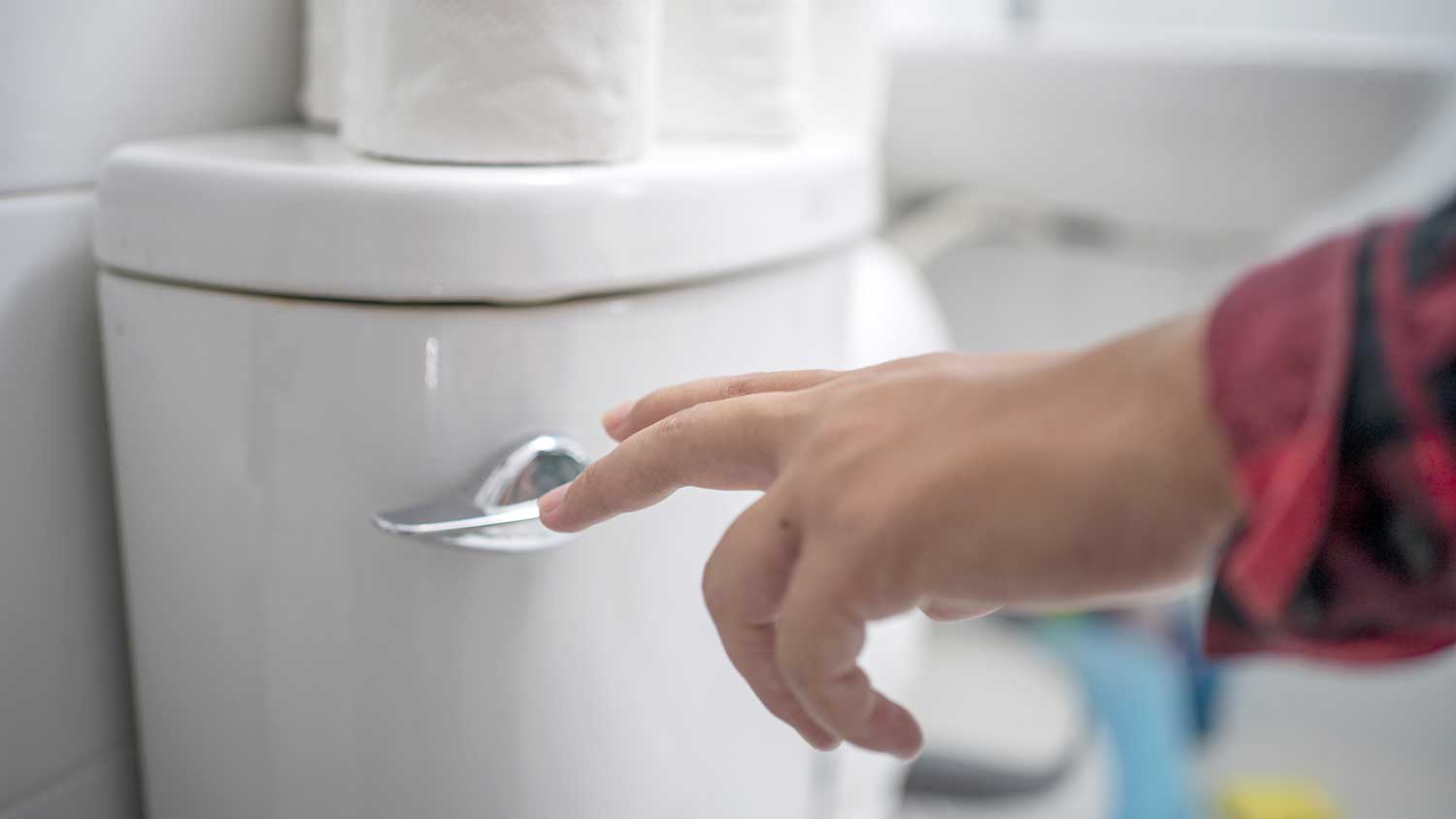
Wondering how long a toilet flapper lasts? This toilet part lasts up to five years, but you can extend its life if you keep an eye out for a few issues.

A running toilet may be the sign of a worn-out flapper. It’s not just annoying—the water waste is costly, too. Find out how to replace a toilet flapper.
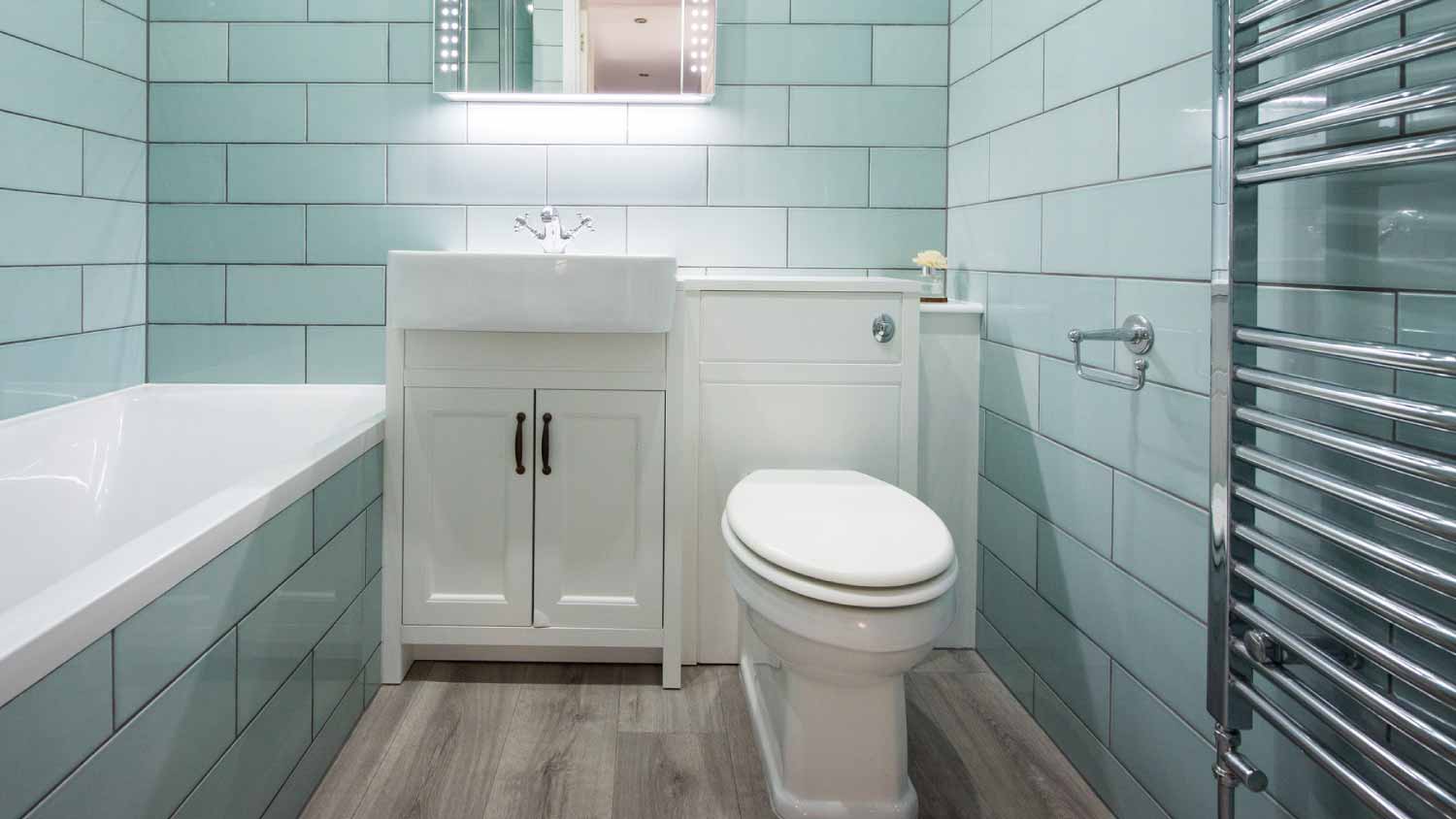
Understanding the types of toilets you can install in your bathroom is essential. You don’t have to stick to traditional two-piece gravity-flush toilets.
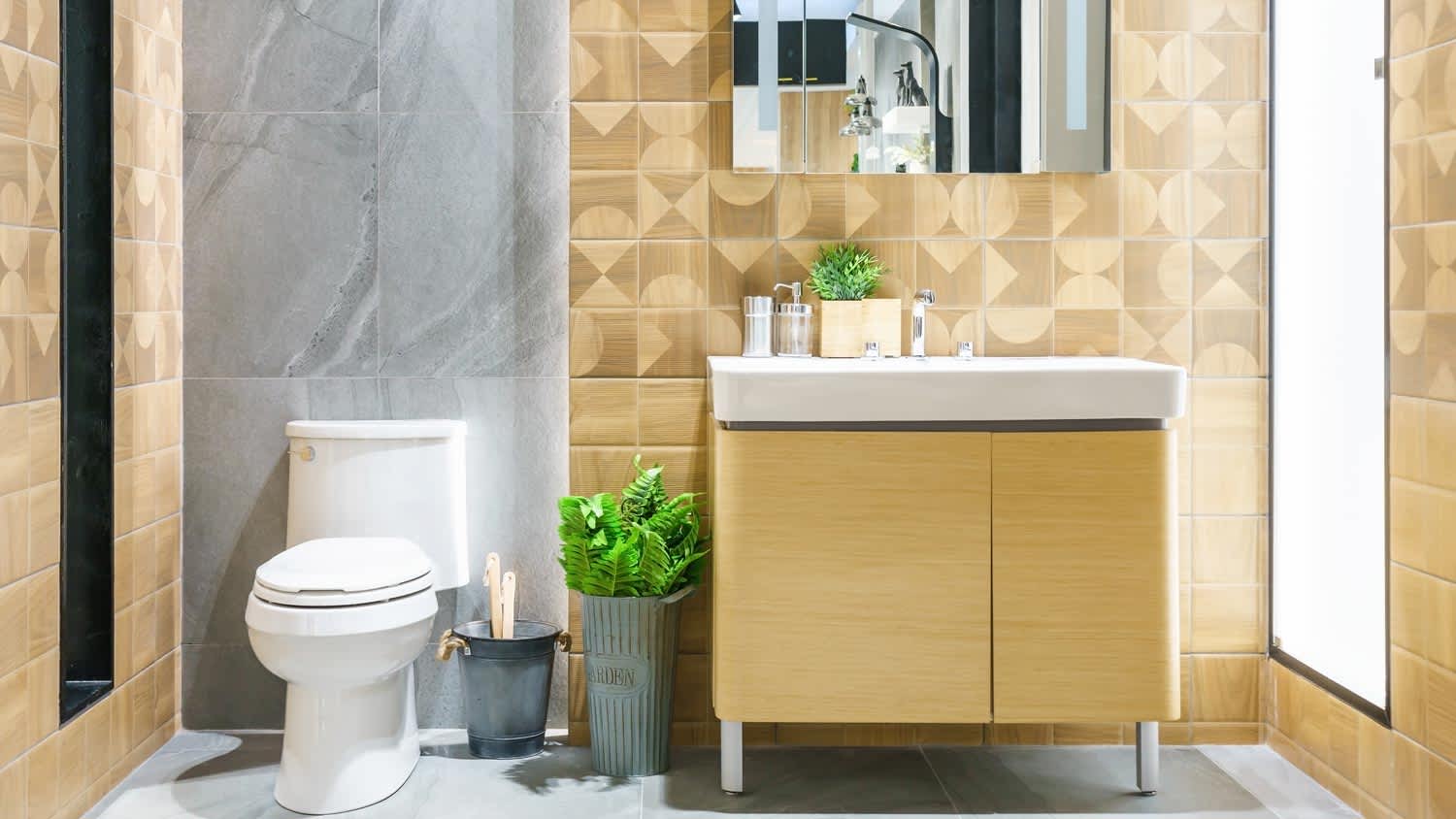
The common household toilet is one of the most useful inventions ever created, but how does it work and what are the major components? Keep reading to find out.