

Learn about the different factors that go into water heater gas valve replacement costs to see if you should DIY the project or call a pro.
It’s all about the hot water


A boiler water heater gives your home central heat and hot water for faucets, while a standard water heater supplies hot water only.
Boilers cost more to install and repair than water heaters, so compare your budget and long-term plans before choosing a system.
Water heaters offer more options like tank or tankless models, and your home can still use a separate central heating system.
Hiring a local boiler installation professional handles heavy equipment, radiators, and piping connections, so your system runs safely and heats evenly.
It’s easy to take hot water for granted, but let’s face it—we need it. There’s only so long you can go without a hot shower, after all. Plus, the dishwasher depends on it, and a bubble bath just isn’t the same without warm water.
Both boilers and water heaters supply your home with all the hot water you need, but they’re also very different. If you need to choose between the two, consider these points to decide on what would work best for you.

There are a handful of big differences between water heaters and boilers that are important to factor into your decision-making.
Water heaters are powered by gas or electricity rather than steam or radiant heat. They won’t provide central heat to your home like their competitor, but that may be right for you if you live in a warm climate year-round. Here are some other unique characteristics of water heaters.
Electric or gas-powered
Water produced is safe to consume
Doesn’t heat water to boiling
Doesn’t provide central heating
Inexpensive materials and installation
Unlike water heaters, boilers don’t just heat your water—they also heat your home. While installing a new boiler is roughly twice as expensive as the alternative, they have longer lifespans, which means you could save on replacements in the long run. Here are a few other important distinctions to keep in mind.
Steam or radiant heat-powered
Provides central heating in addition to hot water
Water is non-potable
Heats water to near boiling
Costly installation and materials
Boilers provide central heating for your home and hot water to your faucets (talk about two birds with one stone!). Although they can be a bigger investment upfront, they can save you money in the long run. Also remember that a boiler is different from a furnace, despite the term being used interchangeably.
A boiler is used to produce steam or hot water. Some other core functions of boilers include:
Central heating
Boiler-based power generation
Cooking
Sanitation
Boilers are suitable for residential, commercial, and industrial use. Many homes use a boiler for heating because they are more energy-efficient than a traditional furnace. Boilers are also quieter than a furnace.
The two main types of boilers are hot water boilers and steam boilers. Hot water boilers are used to produce hot water for residential and commercial properties. Meanwhile, steam boilers generate steam and are more frequently used in industrial settings.
Boilers also vary in the amount of pressure they use. Low-pressure boilers produce up to but not more than 15 pounds per square inch (PSI), which equates to roughly 250 degrees F, while high-pressure boilers can reach levels of up to 100 PSI. For residential purposes, low-pressure boilers are almost always favored.
The cost of your boiler varies according to the size of your home. A new boiler for a standard 1,500 sq. ft. home costs about $5,700 on average.
Heat is evenly distributed
Less noisy than water heaters
No vents or forced air that blows allergens and dust
Typically lasts longer than water heaters
Costs less to run than forced-air systems
Costs two to three times more than water heaters
Replacement parts are more costly
Takes time for temperature to change after adjusting thermostat
Requires additional ductwork for central cooling system

Water heaters have one mission: to provide your house with hot water. It’s definitely one of the first must-have appliances you’ll want to install in a new home.
As the name indicates, water heaters heat up water. The water is then used for a variety of purposes, including cleaning, showering, and cooking. A water heater receives cold water from the supply line, heats the water using gas or electricity, and then pumps hot water through whichever outlet you open.
There are two primary ways to categorize water heaters: by heating source or by type. Gas water heaters are one of the most common and often seen in older homes. Newer homes may have an electric water heater or even a solar one.
A storage water heater, also known as a conventional water heater, comes with a water tank and stores hot water inside. Storage water heaters cost from $600 to $800, and installation can cost anywhere from $900 to $2,500.
Meanwhile, a tankless water heater, also known as an instantaneous water heater, heats water upon demand. Most tankless water heaters are powered by gas because electric models require a high amperage most homes may not be able to provide. Tankless water heaters cost $2,523 on average, and the actual price can vary from $1,329 to $3,717.
Less energy to run than boilers
Smaller in size (tankless)
Easier to install
Many different options
Lower upfront costs
Less expensive to replace
Requires separate system for central heating
Higher utility bills
Tankless may require water softener
Water temperature can be inconsistent

Boilers and water heaters are significantly different, but how can you choose? If you already have a central heating system, then you’re probably better off installing a water heater. However, if you’re building your house from the ground up, you might benefit from choosing a boiler system.
Standard boilers are designed for heating, but can also run a heating loop through a tank to heat your domestic water efficiently. Combination boilers will perform heating and domestic hot water without the use of a storage tank.
The main two types of water heaters are tank or tankless. The tank heaters heat the water and hold it in the tank until it’s needed. On the other hand, tankless heaters heat water on demand. They can also use a heat pump or a hybrid heater, which uses 60% less electricity because it uses heat in the air and the ground instead of electricity. If you’re keen on keeping energy costs down, deciding between a water heater with a heat pump and a boiler may be the way to go.
Most choices: Water heaters
Boilers can last 25 years or more, while combination boilers last about 10 to 15 years. Eventually, you’ll notice problems like odd noises, radiators taking a long time to heat, water leaks, or higher gas bills. High-quality boilers that are properly maintained have the best chance of lasting a long time.
Water heaters usually last around six to 10 years, with most carrying a six-year warranty. Notably, if you consider the pros and cons of tankless water heaters, you’ll find that tankless models can last 20 years with a 15-year warranty. Common signs of a failing heater include water leaks, hissing sounds, and inconsistent performance.
Longest life span: Boilers, if you invest in a high-quality model
Installing a new boiler costs $5,800 on average. A standard-efficiency boiler costs $3,000 to $6,000 and a high-efficiency boiler costs $6,000 to $11,000. Installation costs $1,000 to $2,500 on average, but some installs can reach $5,000.
Replacing a standard gas boiler costs $4,000, and replacing a high-efficiency boiler costs $7,500. These costs include a tank inspection, soil test, tank replacement, old tank disposal, and environmental cleanup.
Additionally, if your boiler is powered by oil, you’ll need to account for periodic oil refilling. 50 gallons of oil could last all winter if your home is less than 1,000 square feet, with 100 gallons costing around $300 to $600. Note that this estimate will fluctuate as global oil prices change.
On the other hand, water heaters cost substantially less. A new water heater costs $1,200 on average with installation. Tankless heaters cost $1,000 to $3,000 while high-efficiency heaters cost $700 to $3,000, and installation ranges from $150 to $1,500.
Most affordable: Water heaters, if you already have a central heat system
Installing a boiler in your home requires extensive work, especially if you’re putting in a brand-new system. Boilers are very heavy and have many complex parts. You would need to install the boiler, radiator, and the input and output pipes under flooring. For a job like this, it’s probably best to call a boiler installation company near you.
If you have some plumbing knowledge, you may be able to DIY a water heater installation. However, there are many steps involved, and you’ll need some muscle to get it done.
Easiest to install: Water heaters

Generally speaking, if you’re noticing issues with your boiler, like leaks, temperature differences, or emissions problems, you’ll want to call an HVAC professional. Boiler parts are intricate and complex, so repairing them is not a typical DIY project and isn’t recommended if you don’t have the proper certification. Instead, find out who to hire to fix a boiler and reach out to them directly.
If you call in a pro, you can expect the cost of a boiler repair to fall somewhere between $240 and $2,500.
Water heaters are easier for DIY repairs, depending on the problem. Most DIYers will be able to troubleshoot common issues like temperature being too hot or cold, the pilot light going out, or the heater working less efficiently.
If you have to hire a pro, the cost of a water heater repair ranges from $100 to $1,300.
Easiest to DIY repairs: Water heaters
Boiler maintenance requires an annual inspection of your boiler, vents, and wiring. Every six months, you should lubricate the circulating pumps, flush, and clean your boiler. Additionally, conduct a safety valve check monthly, and perform
To maintain your water heater, you should conduct a visual inspection for leaks, test the water valve, and drain the tank to remove sediments.
Easiest to maintain: Water heaters
Boilers can be considered more sustainable because they harness the natural properties of hot water or steam.
But if you’re looking for something that is 100% sustainable, your only option is a solar water heater. These cost around $1,000 to $6,000 for the tank and $2,000 to $4,000 for installation. Although the upfront costs are high, it’s hard to beat having unlimited hot water without paying for electricity or natural gas.
Additionally, you can opt for high-efficiency tankless water heaters that use less energy.
Most sustainable: Boilers
Installing a brand-new boiler costs an average of $5,800 for all the labor and materials involved, though you could pay up to $11,000 or more if you opt for a high-efficiency boiler. By contrast, it costs an average of $1,200 to purchase a new water heater and have it installed, and $3,000 is the most you’ll pay for both tankless and high-efficiency options.
For new boiler installations, hiring a boiler installer near you is always recommended because of the risks involved. On the flip side, you may be able to install a water heater on your own if you have prior plumbing experience. However, hooking up your machine to either your gas or electricity line can be hazardous, so outsource this job to a pro if you have even the slightest doubt.
I have used Columbus Worthington Air for years and recommend them whenever I have a chance. The staff is quick, courteous, and well-trained.
 ARS Columbus Worthington Air
If you’re good people wanting to do business with good people, hire Matt. He is a consummate professional and utterly competent. He installed a water heater in my home at a price that beat competitors by hundreds of dollars with a promise to support the unit for its life (even after its 6 yr...
 Greene's Plumbing Services
Corey Carr was great. I had damage from a recent storm and needed to have my mast and other components replaced. The project entailed coordinating with AEP, and Corey helped make a stressful situation a lot less stressful. I really appreciated his dedication to service and the job very well done.
 Mr. Electric of Columbus
This service was great. My air conditioner went out during the heat spell that we had. My husband has health issues and they came out that night and at 9:30pm the air conditioner was fixed and running. We are sooo very thankful, this is the company I will be using from now on and would...
 Mr. Mechanical Ohio
Great company! Price was competitive, technician showed up on time and completed the job (exterior electric Radon fan replacement) quickly. Would hire them again.
 MaGen Property Inspections and Radon Mitigation
Raven and crew does absolutely fantastic job. They are very professional if any concerns were to occur with any of her work she always took responsibility and finished out with a great job. I have worked with her business for a year and have always been satisfied. Very trusted business and...
 Creations of Transformation LLC
I would recommend this company to anyone! He showed up on time, was friendly, completed a very difficult repair on our dryer vent cover, was responsive, and pricing was extremely fair and competitive. I would have him back to do any of our repairs or cleanings without hesitation!
 U.S.A. Dryer Vent, LLC
Ace Fireplace Services' chimney sweep service is truly exceptional. They used advanced technology to ensure a thorough cleaning process, and my chimney has never looked better. I highly recommend their services.
 Ace Fireplace Services
The technician was very professional and friendly. He answered all my questions and was very thorough. He left the fireplace area very clean . He inspected from the roof and advised me as to other work that might need to be done. There was no pressure there. I was very satisfied with the...
 Supreme brick & chimney
On time, clean and finished fast. Windows seem sturdy and the finish is good. Caulking was done with no smudges. Would recommend.
 Window Depot USA of Central Ohio
From average costs to expert advice, get all the answers you need to get your job done.
Learn about the different factors that go into water heater gas valve replacement costs to see if you should DIY the project or call a pro.

A water heater flush costs $160 on average but can vary based on the unit size, type, labor, location, and more. Keep reading to learn how much you could pay.
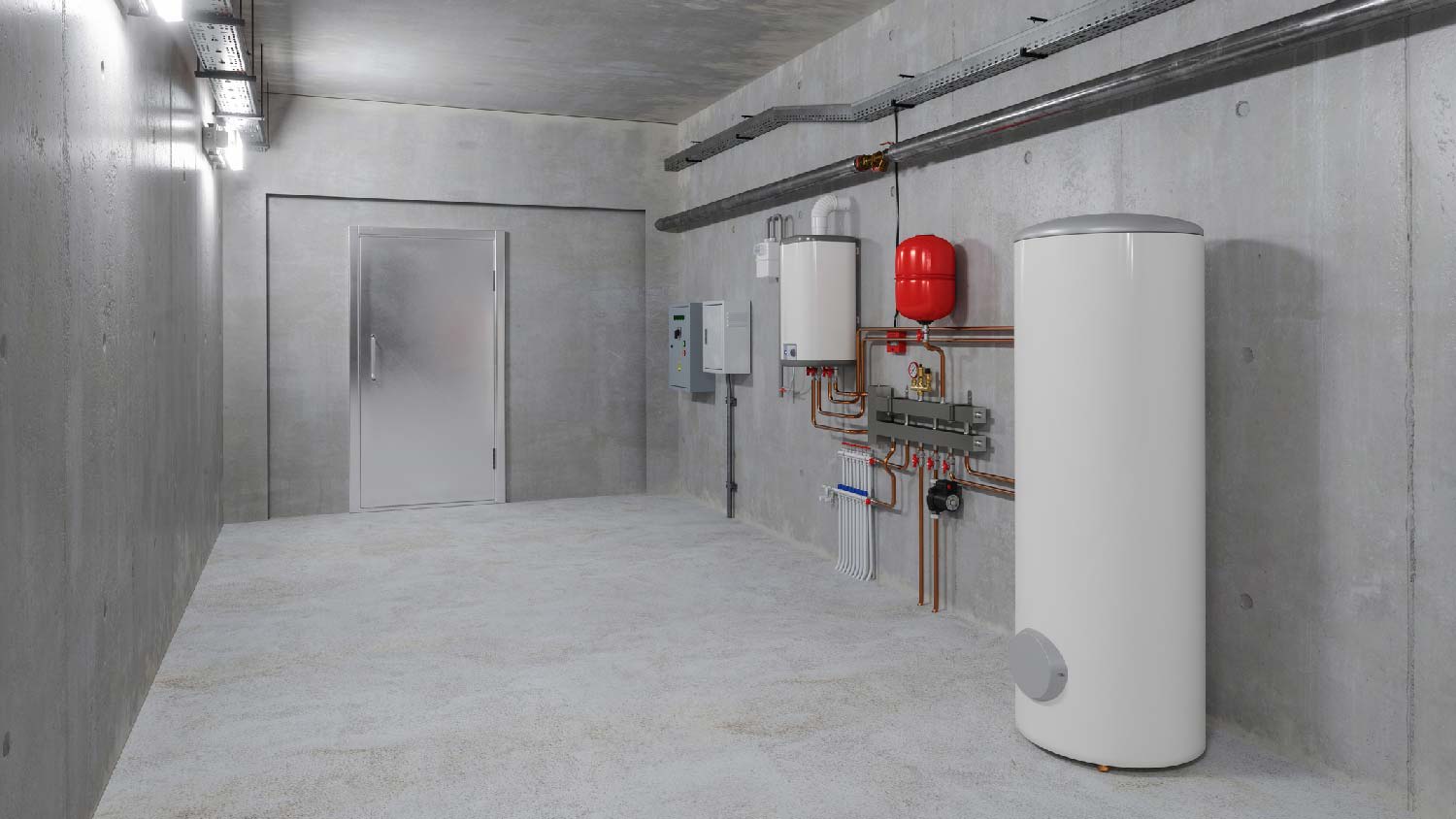
Learn all the factors that influence the cost to install a heat pump water heater at your home.
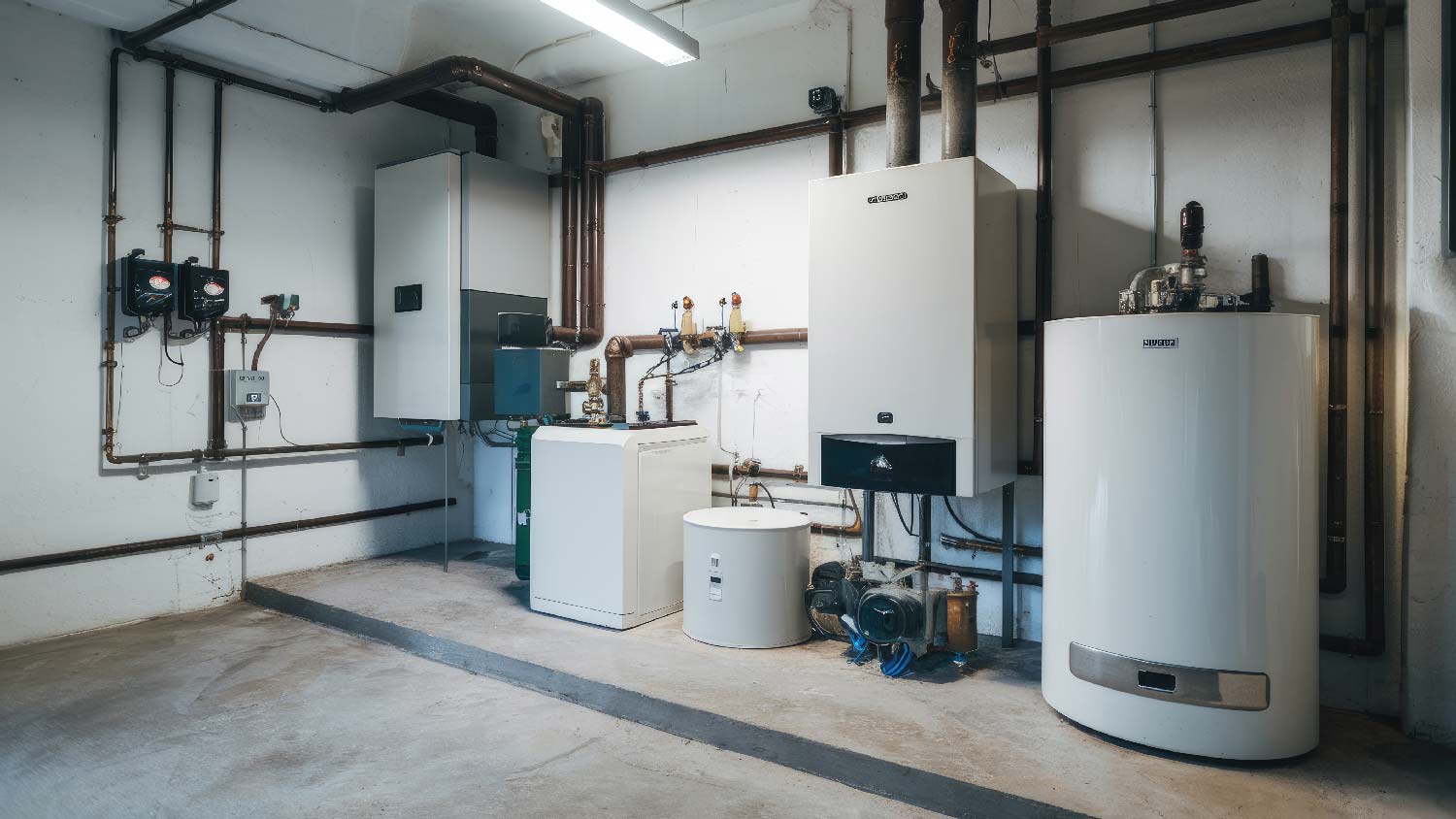
Hot water tanks heat your home’s water supply. Find out whether to choose a tankless water heater or tank unit based on cost, maintenance, efficiency, and other factors.
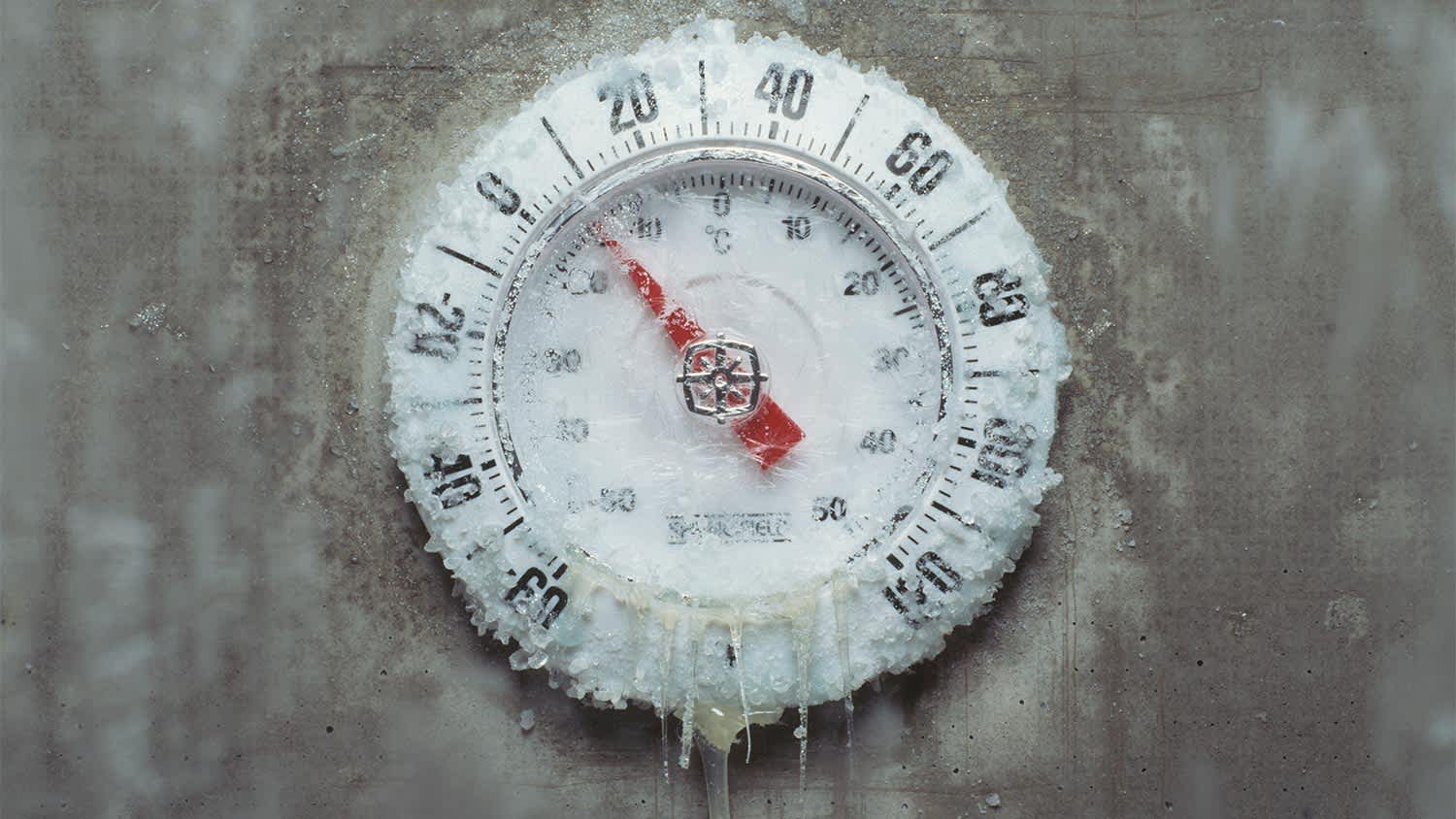
Worried your water heater might freeze this winter? Learn to spot the warning signs and how to safely thaw your tank or tankless system out if necessary.
Learn the pros and cons of gas water heaters and electric water heaters. Find out which one is the best option for your home.