


•
Find out the average tankless water heater repair cost, what impacts pricing, and how to save. Get expert tips to plan your repair budget with confidence.
Water heater service costs depend on your project and location. Check with a local pro for your specific job.

Professional water heater repair costs range from $228 to $1,017 depending on your specific part, labor rates, and repair complexity.
Gas water heaters need thermocouple or gas valve work while electric units need heating element or thermostat repairs for your home.
You should account for accessibility fees, flue pipe replacement, timer upgrades, and preventative maintenance when creating your repair budget.
Hiring a local plumbing professional ensures your water heater repair meets safety standards and prevents dangerous gas leaks or electrical hazards.
In 2026, the national average water heater repair cost is $616, based on 16,111 verified projects from Angi Pros. Most homeowners pay between $228 and $1,017, with the spread driven by the type of repair needed, local labor rates, and the complexity of the job. If your unit needs only a minor fix, costs can start as low as $90, while major repairs can reach $1,800.
As with any appliance, water heater repair costs vary based on the part you need. Typical water heaters have more than a dozen parts, ranging in size and price. Take a look at some part estimates below, which don't include the labor fees to replace them.
| Water Heater Part | Average Price in 2026 |
|---|---|
| Anode rod | $25–$75 |
| Dip tube | $25 |
| Gas burner | $175 |
| Gas valve | $70–$200 |
| Heating element | $15–$60 |
| Thermostat | $20–$400 |
Each water heater component serves a unique function. Many small parts cost $50 or less, but your total could reach the hundreds with the labor prices. Still, this is more affordable than a full water heater replacement, which typically costs between $850 and $1,800.

Water heater repair prices range from simple DIY fixes under $20 to more complex problems that can cost hundreds, depending on the service required. The issues covered below apply to both electric and gas heaters. If you have a different type of water heater—like a heat pump vs. tankless water heater—you could be on the hook for additional repairs.
Water heater leaks are not something you should ignore or try to handle on your own — you'll want a local plumber to assess the situation right away. A leaking valve may only need simple tightening and cleaning, but if there's water in your water heater pan or pooling beneath the unit, the tank itself is likely compromised. Internal corrosion or damage of that kind can't be repaired, and you'll need a full replacement for between $850 and $1,800.
Replacing a pressure relief valve costs up to $200 with a plumber, or as little as $20 for the part alone if you're comfortable with basic tools. The pressure relief valve protects your tank when internal pressure climbs too high — periodic gushing is normal, but a steady trickle signals a problem. A steady drip could mean sediment buildup in the valve, excessive tank pressure, or a valve that needs full replacement. Always turn off the unit, shut off the gas, and let the water cool before attempting any work on this component.
A broken or corroded dip tube is often the culprit when your water can't stay hot, and replacing one costs about $25 for the part with an average professional replacement cost of $150. In both electric and gas heaters, the dip tube carries incoming cold water down to the bottom of the tank so it doesn't mix with the hot water already in use. It's a small, inexpensive part, but its failure has an outsized impact on your hot water supply.
If you're hearing noises coming from your water heater, sediment buildup is the most likely cause, and a professional tank flush runs around $200. Sediment isn't just a nuisance — left untreated, it can lead to leaks, heating element failure, or a completely broken unit. Getting a plumber to flush the tank promptly is one of the most cost-effective ways to protect your water heater from more serious damage.
Anode rod replacement is a routine part of water heater upkeep, with a new rod costing between $20 and $50 on average. Labor to hire a water heater pro runs between $50 and $150 per hour, and most plumbers can complete the job in about an hour. Replacing the anode rod before your water heater fails is the most effective way to protect the tank's interior from corrosion.
Replacing a water heater anode isn't a job for beginners, so if you don't have plumbing experience, call a professional. An improperly replaced anode rod could drastically reduce the life span of your hot water heater.
The anode rod is a steel rod coated with aluminum, aluminum/zinc alloy, or magnesium. It's designed to corrode before the interior wall of your tank, so it's a sacrificial rod that you'll need to replace regularly. Rust and corrosion are inevitable when heat, water, and metal play together, and they shorten the life of your hot water heater. The electrons from the anode attract and settle minerals in the water that can otherwise build up and corrode the water tank.
You should check the anode rod for corrosion and deterioration every few months. Drain and flush the hot water heater once or twice a year to slow corrosion in the water tank. The anode rod should be replaced at least every five years.
Expansion tank replacement typically runs between $100 and $400 for parts and labor, and most water heaters will need this done once over their lifetime. The expansion tank serves as a pressure buffer, holding the water that expands as it heats up so the main tank isn't overstressed. It's a relatively straightforward replacement that protects the long-term integrity of your water heater system.
Hot water heater repair costs vary by type because gas and electric units require different parts and different expertise to fix. Lukewarm water from your shower could point to a thermocouple problem in a gas unit or a heating element failure in an electric unit. Understanding which type you have helps narrow down the likely repair and its cost. The two main categories are gas and electric water heaters.
Gas water heater repairs most commonly involve pilot light problems, thermostat issues, or a failed thermocouple, and each issue comes with its own symptoms and price range. Identifying the specific symptom your unit is showing is the fastest way to pinpoint the repair needed. The sections below break down the most common gas water heater repairs and what each typically costs.
A pilot light that won't stay lit is one of the simplest gas water heater issues to address, and a service call for this repair typically runs around $50 to $150 as a trip fee. Your first step should be to try lighting the pilot light yourself — just make sure you can do so safely. Most plumbers can handle this in a few minutes, so the cost is largely for the visit itself rather than the labor involved.
A faulty thermostat on a gas water heater requires repairing or replacing the entire valve unit, with the part alone costing about $80 and the total rising to around $200 once labor is included. Because the thermostat controls the valve assembly, this isn't a repair you can do piecemeal. Factoring in labor from the start gives you a more accurate picture of what to budget.
Thermocouple replacement typically costs about $150 or less and takes under an hour when handled by a pro. If your pilot light stays lit but the burner isn't lighting, a faulty thermocouple is the most likely cause. The thermocouple senses the pilot light and sends a signal to the gas control valve — when it fails, the burner won't receive gas even if the pilot is burning normally.
Gas valve replacement costs about $350 on average, and this is a repair that must be handled by a water heater repair professional near you. The gas control valve keeps gas flowing to the pilot light and shuts it off when the pilot goes out — a faulty valve can make your water heater unsafe. A gas leak from a bad valve can cause explosions, so this is not a repair to attempt on your own or delay.
Electric water heater repairs most commonly involve tripped breakers, faulty heating elements, or bad thermostats — each with its own cost and level of complexity. These issues are unique to electric units and won't apply to gas-powered models. Knowing which component is failing helps you and your pro address the problem efficiently.
If it’s only a tripped breaker, that’s great. Just reset it and start planning the bubble bath you’ll have later. This should always be your first check if your hot water heater isn’t working, as it will cost you nothing but a minute of your time.
Having a water heater element repaired professionally usually costs about $200 to $300. Electric water heaters have two heating elements — one at the top and one at the bottom — and if either one fails, you'll notice a sharp drop in hot water availability. Replacing a failed element promptly prevents the remaining element from being overworked.
Electric water heater thermostat replacement averages around $150 to $200 when hiring a pro, though the part itself costs up to $20 if you're comfortable with a DIY approach. Each heating element has its own thermostat, and if one fails, the element it controls won't function. The thermostat can be replaced without disturbing other components, making it one of the more manageable DIY repairs for homeowners with some experience.
Most plumbers charge between $50 and $150 per hour, depending on their experience level. You'll often find that the part itself is inexpensive while labor makes up the bulk of the bill. If you're not comfortable diagnosing appliance issues or working with gas and electrical components, the peace of mind a professional brings is well worth the cost.
When budgeting for labor, consider how advanced your water heater is. The more high-tech the appliance, the more expensive the repair could be. For example, a condensing tankless water heater has additional components that a non-condensing unit doesn't, which could raise the price.
Water heater repair costs vary meaningfully across the U.S., with local labor rates and regional demand driving the differences. Where you live can be just as influential as the repair itself when it comes to your final bill. Here are average water heater repair costs for major cities across the country:
| City | Average Water Heater Repair Cost in 2026 |
|---|---|
| Boston, MA | $20–$1,200 |
| Chicago, IL | $220–$950 |
| Denver, CO | $20–$1,000 |
| Houston, TX | $220–$900 |
| Jacksonville, FL | $200–$850 |
| Los Angeles, CA | $250–$1,000 |
| Memphis, TN | $200–$850 |
| Nashville, TN | $200–$900 |
| New York City, NY | $250–$1,200 |
| Philadelphia, PA | $220–$950 |
| San Francisco, CA | $300–$1,200 |
| Seattle, WA | $250–$1,100 |
| Cleveland, OH | $200–$900 |
| Indianapolis, IN | $200–$850 |
| Portland, OR | $250–$1,000 |
| Charlotte, NC | $200–$900 |
The repair costs covered above address the most common water heater issues, but several additional factors can increase your total. Accessibility challenges, supplemental components, and ongoing maintenance needs all have the potential to add to your bill. It's worth accounting for these variables when setting your repair budget.
Where your water heater is installed can have a real impact on your repair costs. If the unit is in a tight or hard-to-reach space — like a cramped utility closet or a small crawl space — the local water heater repair pro will likely need more time to complete the work, which drives up labor costs. Factoring in accessibility before scheduling a repair helps you set a more accurate budget.
Flue vent pipe replacement costs between $100 and $350, depending on the length, material, and accessibility of the pipe. The flue pipe channels exhaust gases from your hot water heater safely out of the home, making it a critical component for both performance and safety. Final pricing will vary based on how much pipe needs to be replaced and how easy it is to access.
Replacing a hot water heater timer costs between $100 and $350 for parts and labor. Some water heaters include timers that let you schedule when the unit heats water, which can help reduce energy use during off-peak hours. If your timer fails, replacing it restores that scheduling functionality and can help keep operating costs in check.
Preventative maintenance is one of the most effective ways to extend the life of your hot water heater, and a professional tuneup costs between $100 and $500, covering a drain and flush, corrosion and leak inspection, burner cleaning, and valve and water composition testing. Tankless water heater maintenance costs are comparable to those for traditional tank units. The key difference is longevity — tankless water heaters can last up to 20 years or more, while traditional tank water heaters typically last 10 to 15 years.
If your hot water heater is within or beyond the typical 10 to 15 year lifespan, a full replacement — which costs between $880 and $1,800 — is often the smarter financial move. Replacing individual parts on an aging unit adds up quickly, and the total can approach the cost of a brand-new installation. At that point, investing in a new water heater delivers better long-term value than continuing to repair an old one.
Water heater problems often require a small repair. Sometimes, however, it will take a heavier lift to get your water heater performing correctly again, and replacing your water heater may be more cost effective. On average, the cost to install a new water heater runs from $880 to $1,800.
How do you know when to replace your water heater? Here are a few signs:
It’s near the end of its life span: Conventional water heaters last 8 to 12 years, while tankless water heaters can perform well for roughly 20 years. If your water heater is malfunctioning and it’s near the end of its projected life span, it’s not worth throwing money at the repairs since it’s liable to have other issues in the future. Instead, take this opportunity to install a new water heater.
It’s in a bad location: If your water heater was installed in a place that doesn’t make sense—i.e., it’s too far away from the actual dispense points such as faucets, the dishwasher, and the clothes washer, or it’s in a cramped location that makes maintenance and repairs difficult—don’t bother repairing the existing water heater. Instead, relocate it to an area that makes more sense (your trusted local water heater installation pro should be able to recommend it) and upgrade to a new, more efficient water heater during this process.
It’s inefficient: Older water heaters tend to run less efficiently than new ones because technology always improves, and they’re likely to have wear and tear. If your monthly water bill steadily increases, it may be time to get a new water heater.
It’s experiencing a larger issue: Small water heater repairs for minor problems make sense, but the cost of water heater repair for large issues—such as a leaking water heater, discoloration in the water, or inconsistent water temperatures—can be almost as much as the cost to replace the unit entirely. In those cases, weigh the pros and cons of repairing versus replacing the water heater to determine if it’s worth spending more on a brand-new unit.
One way to save money on hot water heater repairs is to handle them yourself. But that’s only for jobs that don’t require expert training. The labor cost for hiring a professional plumber ranges from $50 to $150 per hour, which means DIY could save you a few hundred dollars. Here are some other ways to save money.
Insulate the hot water tank and pipes with insulation rated for these items. This helps reduce heat loss and makes your water heater work less to keep the water hot. You’ll save money on energy bills immediately, plus the life span of your appliance will increase.
If you’re having hot water heater problems and your unit is 10 to 15 years old, replacing it may save you money in the long run rather than continuing to repair parts that are likely to keep failing. When parts stop working, they put extra stress on the other ones, and things wear out faster.
Even if the plumber gets a better rate on parts, it still takes time, and the components may have a markup. Check with your plumber to find out if you can save money by purchasing parts and having them ready when they arrive.
Sometimes, water heaters break at the worst time (like on a weekend or holiday). If the repair isn't an emergency and you can afford to go without hot water for an extra day, scheduling a service call during the work week helps. Also consider repair or maintenance in the off-season, as winter is the busiest time for water heater repair technicians.
Your water heater likely came with a warranty when it was installed. Refer to the warranty to see what is and isn’t covered—and for how long. Depending on the issue and when you installed the water heater, the warranty may cover the repair work. Remember, keeping up with routine water heater maintenance is key; ignoring required maintenance can void the warranty (as can DIY installs and repairs).
If your water heater warranty expires, you may not be out of luck. Check your home warranty if you have one. While most base home warranties do not cover water heaters, your unit might be covered with a top-tier plan.
Simple fixes to your water heater—like reigniting the pilot light—can be tackled as a DIY project. But if you don’t have much experience with plumbing, electrical, or gas work, we highly recommend leaving most water heater repairs to the pros.
Incorrectly repairing your water heater can make it less efficient, and the work itself (especially when gas is involved) can be dangerous. Local water heater repair contractors also offer sound advice about whether to repair or replace the unit and can diagnose more complex issues that most homeowners would overlook.
Repairing a water heater requires experience with electrical, plumbing, and gas components. Here’s why it’s best to hire a pro for a safe, lasting repair:
Professionals know how to quickly diagnose and repair issues to prevent further damage, leaks, and complete system failure.
Hiring a pro ensures your repair meets safety standards and local building codes.
DIY repairs can lead to flooding, gas leaks, electrical hazards, and worsening damage.
Professional repairs extend your system's lifespan, improve efficiency, and provide peace of mind.
If you want to help out your pro with the repair process, consider taking on smaller tasks like:
Clearing furniture, decor, and obstacles from around the water heater before your pro arrives.
Shutting off the water, gas, and power as directed by your pro.
Keeping tools and equipment nearby and easily accessible.
Cleaning up the area and wiping down your unit after the repair is complete.
Clearly explain the type and extent of damage to your pro so they can assess the situation thoroughly.
Provide your pro with the type, size, and location of your water heater.
Ask your pro about add-ons like energy-efficient upgrades, expansion tanks, or smart controls.
Leave room in your budget for hidden damage that may be discovered during the initial inspection.
Home is the most important place on earth, which is why Angi has helped more than 150 million homeowners transform their houses into homes they adore. To help homeowners with their next project, Angi provides readers with the most accurate cost data and upholds strict editorial standards. We’ve surveyed over 10,000 real Angi customers about their project costs to develop the pricing data you see, so you can make the best decisions for you and your home. We pair this data with research from reputable sources, including the U.S. Bureau of Labor Statistics, academic journals, market studies, and interviews with industry experts—all to ensure our prices reflect real-world projects.
Want to help us improve our cost data? Send us a recent project quote to [email protected]. Quotes and personal information will not be shared publicly.
If you’re good people wanting to do business with good people, hire Matt. He is a consummate professional and utterly competent. He installed a water heater in my home at a price that beat competitors by hundreds of dollars with a promise to support the unit for its life (even after its 6 yr...
 Greene's Plumbing Services
As usual with ECO, tech Jordan was outstanding, very professional, very knowledgeable, and very thorough with repairs made to tankless water heaters. Very highly recommend ECO!!!
 Eco Plumbers, Electricians, and HVAC Technicians
Did a great job replacing the ice maker and water regulator on my refrigerator. He was quick and thorough, very friendly and professional. If I needed a heart transplant I'd want him to do it!!!
We had a gutter blockage that was causing water to sheet down the side of the house and ultimately it started to come in at a window (need mortar people next). Called around 7:30am, and he responded by 8am. He was able to come out the same morning and do a look over and clean out. He also...
Scott checked our large crawl space for mold and water infiltration and recommended a viable solution. The crew was efficient and they cleaned up well after the job. The job was expensive but I am confident that I won't have to deal with the problem again. Highly recommend.
 AdvantaClean of Dublin
They were the most through inspecting the water system in my house. Even going the extra mile to get the water professionally tested for contamination.
 Hague Water Conditioning, Inc.
Very well. Have already used them again to fix hot water heater
 Service Olympians
The Paul Davis team was very professional and went the extra mile to take care of my water damage. The work was very high quality and done in a timely manner. I would highly recommend their services.
 Paul Davis Restoration
Honesty is hard to find in business today. GBR met me today at a 3 story building regarding my being told that I needed to tuckpoint the brick because of water leaks. The owners took the time to evaluate the situation and advised me that I did not need their service at all. They pointed me...
 GBR Masonry Inc
They unclogged the drain and sent me a bill for more than 4 times what I paid before. I called the Water Works to ask why the bill was so high and that they should have gotten my authorization before assuming they could make expensive decisions like that on my behalf and for their benefit....
 The Waterworks
From average costs to expert advice, get all the answers you need to get your job done.
Find out the average tankless water heater repair cost, what impacts pricing, and how to save. Get expert tips to plan your repair budget with confidence.

Learn about the different factors that go into water heater gas valve replacement costs to see if you should DIY the project or call a pro.
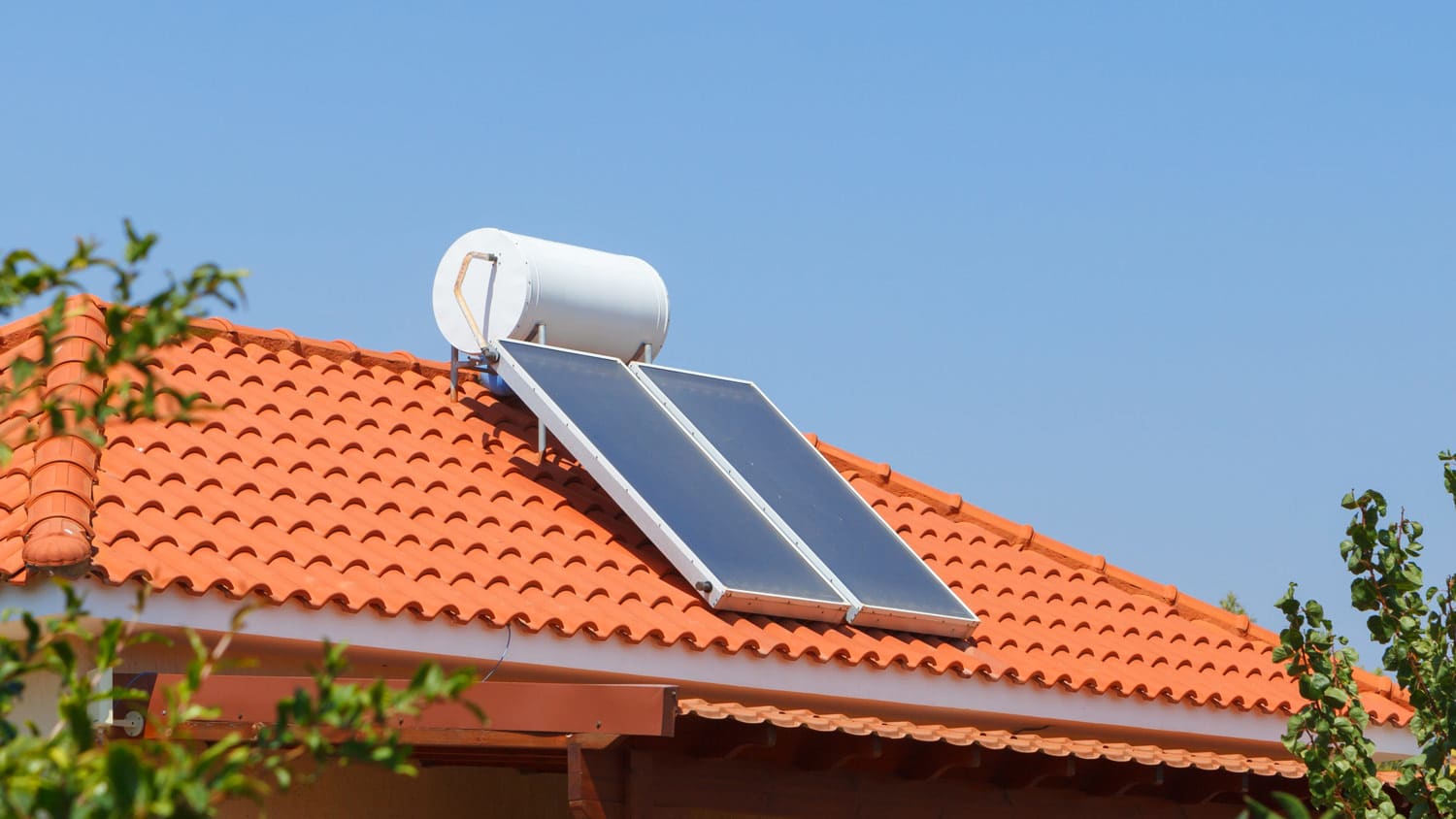
Get a clear estimate for solar water heater repair cost. Learn what impacts pricing and how to budget for your solar water heater repair.
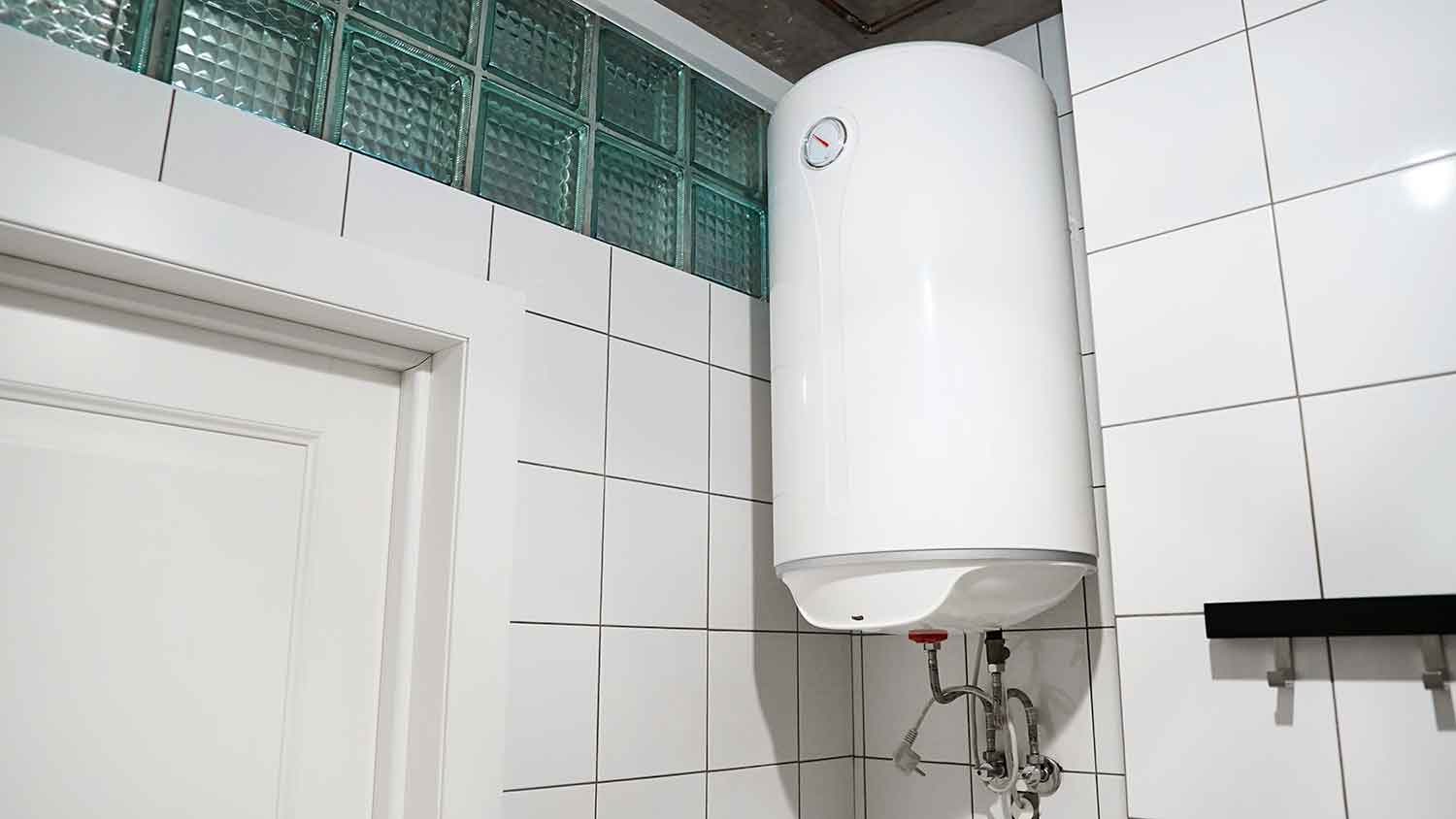
Is your water heater leaking or leaving you with cold showers? Learn about water heater repair costs, warning signs, and how to hire the right local pro.
Waking up to cold water or spotting roof leaks? Learn about solar water heater repair costs, warning signs, and how to hire the right local pro.
Is your system blowing cold water or smelling like rotten eggs? Learn about tankless water heater repair costs, warning signs, and how to hire a local pro.