

If you’re planning on hunkering down through March, you’ll need to prioritize ventilation for clean air. Read on for tips on how to improve indoor air quality in the winter.
Keep your home moist on even the driest days

Ways to humidify a room without a humidifier include leaving your bathroom door open while showering, air-drying laundry indoors, and adding houseplants like spider or rubber plants.
A clothes rack for air-drying laundry costs as little as $5, and weather stripping to seal drafty windows or doors costs as little as $20 per unit.
You can add moisture to your home by placing bowls of water near heat sources, opening your dishwasher after cycles finish, and leaving bathwater to cool before draining.
Hiring a local humidifier installation professional provides expert guidance on whole-house systems and proper ductwork setup, keeping your home comfortable without the DIY guesswork.
Keeping your space at the right humidity level may not seem like a big deal, but when your air gets bone-dry in the winter or in naturally arid areas of your home, the humidity level can really affect your comfort. You can always keep your skin glowing, and breathe a lot easier when your home maintains the right humidity level.
The good news is, we have some cool DIY tricks that you can use to moisten your space without splurging on gadgets. Let’s take a look at how you can humidify a room without using a humidifier.
Again—having the right humidity level in your home can help you feel better in more ways than one. You can also keep your belongings safe from unnecessary wear and tear by balancing out the humidity level.
Maintaining the right humidity level is a game-changer for your health. Balanced humidity keeps your skin from becoming a desert landscape, and it helps your respiratory system stay happy. That means no more waking up feeling parched or dealing with itchy skin.
Humidity isn't just about making people feel their best—it's a lifesaver for your wooden furniture, too. Proper moisture levels prevent wood from drying, cracking, or warping. Say goodbye to those unsightly cracks or bent wooden pieces and hello to a longer lifespan for your furniture.
Want to breathe a little easier? Optimal moisture levels keep airborne irritants at bay, reducing the risk of allergies and respiratory issues. You'll breathe easier and fresher in a perfectly humidified space.
We have a feeling you may already own what you need for many of these DIY humidifier methods.

Want to learn how to humidify the air? You may just need to adjust your cooking routine. Stovetop cooking can significantly improve the humidity levels in your home if you time it correctly. While simply heating a tea kettle won’t be enough to cure dry air from your entire space, having a few things bubbling at once will make a much bigger impact.
In the morning, for example, heat oatmeal while also brewing coffee. For dinner, steam a batch of vegetables and boil water for pasta simultaneously.

Tossing your clothes into a dryer will only contribute more to indoor air dryness. Instead, consider air-drying your next batch of laundry. If you don’t already have one, investing in a clothes rack costs as little as $5. Set these racks close to heat sources so that the combo of hot and wet will create plenty of moisture and dry your clothes more quickly, too.

Plants are known for their oxygen- and moisture-creating abilities, but not all are right for the job. Fill your space with plants proven to improve indoor air humidity levels, like spider, jade, and rubber plants.
But don’t stop at plants. Flower vases can also add a lot of moisture to a space. When placed next to heat sources, their water will slowly evaporate and humidify the surrounding area as a result. Basically, the more plants you have in your home, the more humidity there will be.
Want to learn how to humidify a room for free? This trick is so easy, and you’ll be amazed at how well it works. If you’re trying to target a specific room, leave only that door open, so that’s where most of the excess moisture winds up.
Leave hot water to cool rather than emptying your tub directly after finishing your bath. As the temperature drops, steam will continue to flow into your bathroom and elsewhere if the door is open. Of course, you won’t want to try this trick with any kids or pets running around.

The next time your dishwasher dings to let you know its cycle is over, open it as soon as possible. The outpouring of steam will humidify your kitchen and beyond—and also be a nice little sauna for your face. Many modern dishwashers actually pop open all on their own at the end of a cycle, so you might already follow this trick without even realizing it.
Water evaporates over time, so bringing water fixtures into your house is a sure-fire way to get rid of dry air. Anything from an indoor fountain to a fish tank will help humidify your space, though their impact will be more subtle and gradual than opening your dishwasher or showering with the door open.
If you don’t have the budget for or interest in a water fixture, placing glasses or bowls of water near a heat source is a great natural humidifier. Set it on your fireplace mantle or on a table near your furnace to get your desired effect. Just be sure to avoid placing anything directly on the heater to protect the glass from breaking.
Keeping indoor air shielded from the outside world is the key to controlling moisture levels. If you have a draft but no idea where it’s coming from, odds are your doors and windows aren’t tightly sealed. Luckily, fixing this issue is an affordable project that can cost as little as $20 per unit.
If you can see light coming through a door or window even when it’s fully closed, that’s where your problem lies. Drag lit incense around the area to see which direction the smoke flows—that will show you what needs weather stripping.
See how these different DIY methods compare:
Stovetop cooking: While it adds some humidity, it's not a significant source unless multiple items are cooking simultaneously. Cost is minimal, as it uses existing appliances.
Air-drying laundry: This option is effective for smaller spaces and it only costs around $5 for a clothes rack.
Plants and flowers: How effective this method is depends on the number and type of plants. Cost also varies based on the number and type of plants or flowers purchased.
Leaving the bathroom door open: This method is effective in increasing humidity in a specific room and costs nothing at all. It also helps remove excess moisture from bathrooms.
Leaving bathwater to cool: You can achieve a gradual humidity release with this method at no extra cost, but it does require patience.
Opening dishwasher: If you open the dishwasher, doing so provides a sudden burst of humidity. This is no additional cost if you are already using your dishwasher.
Indoor water features: By installing water features in your home, you can work towards a gradual and subtle increase in humidity. Cost will be based on the type of feature chosen (fountain, fish tank, etc.).
Placing water near heat sources: It won’t cost you more than running the tap to use this method, and it can be effective if you place the bowls of water strategically.
Sealing windows and doors: You can keep humidity from escaping. How much this costs will vary, but it can be as low as $20 per unit for weather stripping.
| Method | Cost |
|---|---|
| Stovetop Cooking | Low |
| Air-Dry Laundry | Low |
| Plants and Flowers | Varies |
| Venting Bathroom Door | Free |
| Leaving Bathwater to Cool | Free |
| Opening Dishwasher | Free |
| Indoor Fountain | Varies |
| Water Near Heat Sources | Low |
| Window and Door Sealing | Moderate |
Before you dive into this simple DIY project, let’s go over a few safety precautions. To start, when tinkering with DIY humidity solutions involving water, exercise caution around electrical devices. Keep water sources away from outlets, cords, or any electrical equipment. Avoid spillage or leaks that could lead to electrical hazards. Safety first—always prioritize keeping water and electronics at a safe distance to prevent any mishaps.
While adding moisture to your space is great, too much of a good thing can invite unwanted guests–like mold! Keep an eye on indoor humidity levels using a hygrometer. Aim for a sweet spot between 30% to 50% humidity to avoid mold proliferation. Regularly check and adjust your methods to maintain a healthy balance—this keeps your space comfortably humid without welcoming mold into the picture.
I have used Columbus Worthington Air for years and recommend them whenever I have a chance. The staff is quick, courteous, and well-trained.
 ARS Columbus Worthington Air
If you’re good people wanting to do business with good people, hire Matt. He is a consummate professional and utterly competent. He installed a water heater in my home at a price that beat competitors by hundreds of dollars with a promise to support the unit for its life (even after its 6 yr...
 Greene's Plumbing Services
Corey Carr was great. I had damage from a recent storm and needed to have my mast and other components replaced. The project entailed coordinating with AEP, and Corey helped make a stressful situation a lot less stressful. I really appreciated his dedication to service and the job very well done.
 Mr. Electric of Columbus
This service was great. My air conditioner went out during the heat spell that we had. My husband has health issues and they came out that night and at 9:30pm the air conditioner was fixed and running. We are sooo very thankful, this is the company I will be using from now on and would...
 Mr. Mechanical Ohio
Great company! Price was competitive, technician showed up on time and completed the job (exterior electric Radon fan replacement) quickly. Would hire them again.
 MaGen Property Inspections and Radon Mitigation
Raven and crew does absolutely fantastic job. They are very professional if any concerns were to occur with any of her work she always took responsibility and finished out with a great job. I have worked with her business for a year and have always been satisfied. Very trusted business and...
 Creations of Transformation LLC
I would recommend this company to anyone! He showed up on time, was friendly, completed a very difficult repair on our dryer vent cover, was responsive, and pricing was extremely fair and competitive. I would have him back to do any of our repairs or cleanings without hesitation!
 U.S.A. Dryer Vent, LLC
Ace Fireplace Services' chimney sweep service is truly exceptional. They used advanced technology to ensure a thorough cleaning process, and my chimney has never looked better. I highly recommend their services.
 Ace Fireplace Services
The technician was very professional and friendly. He answered all my questions and was very thorough. He left the fireplace area very clean . He inspected from the roof and advised me as to other work that might need to be done. There was no pressure there. I was very satisfied with the...
 Supreme brick & chimney
On time, clean and finished fast. Windows seem sturdy and the finish is good. Caulking was done with no smudges. Would recommend.
 Window Depot USA of Central Ohio
From average costs to expert advice, get all the answers you need to get your job done.
If you’re planning on hunkering down through March, you’ll need to prioritize ventilation for clean air. Read on for tips on how to improve indoor air quality in the winter.
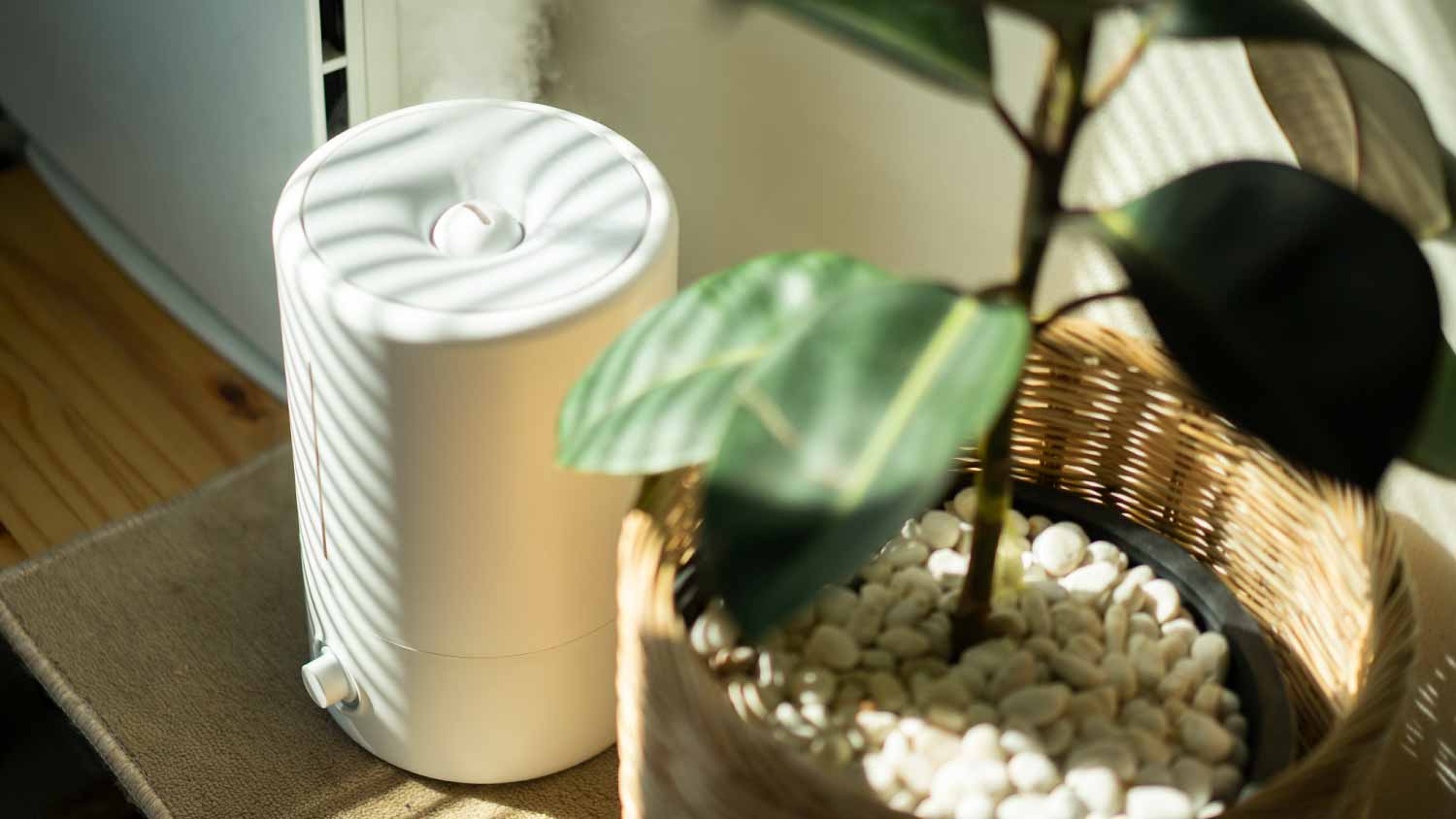
Humidifiers and purifiers are easy to confuse—in most cases, both are portable machines used to improve a home’s air quality.

Using your furnace humidifier in the winter is a no-brainer, but you also need it in the summer. Here’s the ideal humidifier setting you should aim for in your home.

Something as simple as vinegar or coffee could naturally freshen the air in your home. Check out these nine natural air fresheners for refreshing indoor air.

A house that's too dry can lead to uncomfortable living conditions. Here's how to tackle low humidity in your house so you can breathe easier.

Why is my house so dry? This is a common question, especially during high or low temperature seasons. Learn why your house is dry and what to do about it.