
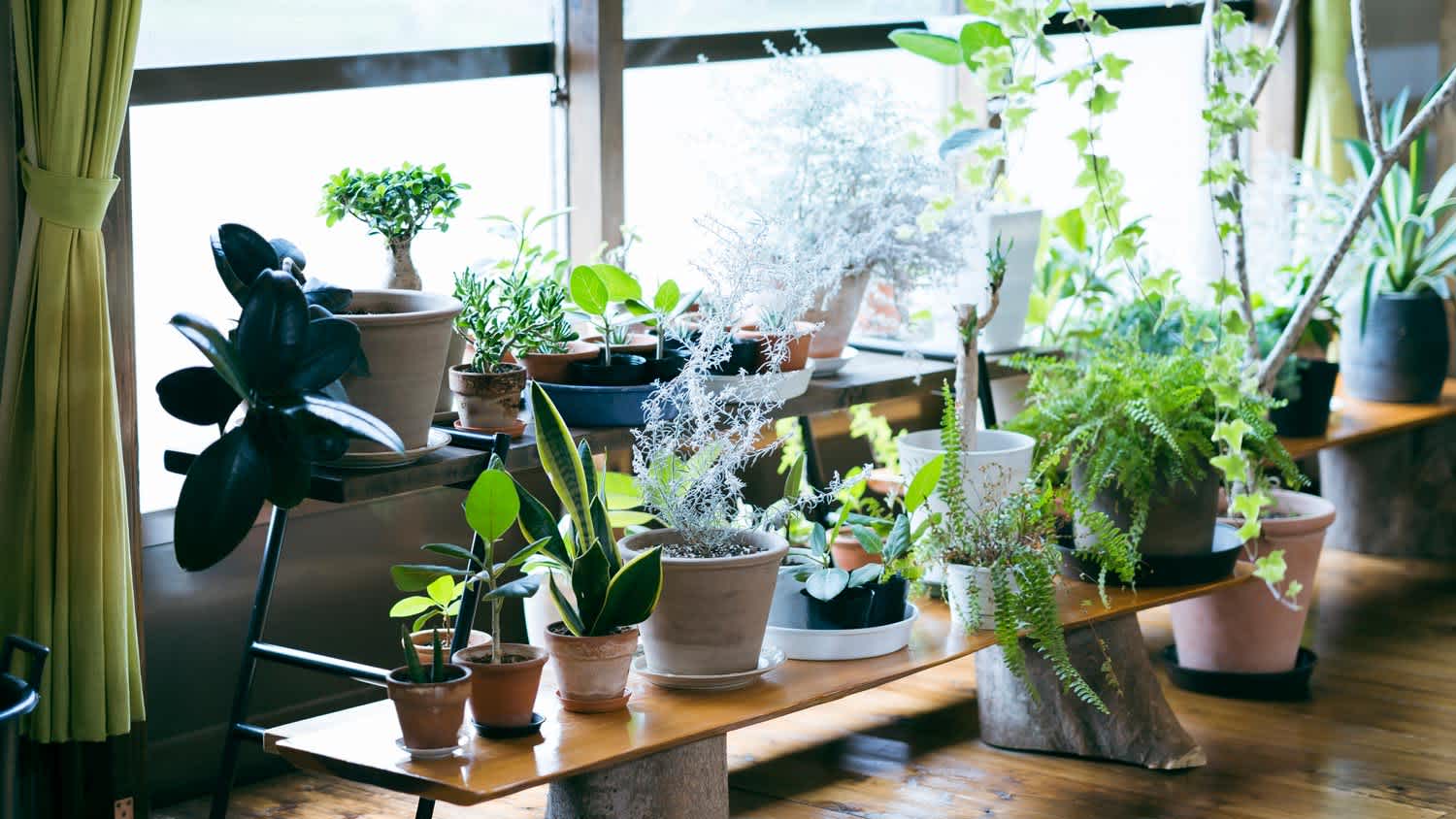
Houseplants? Check! Space to put them? That’s a whole different story. Check out these gorgeous plant room ideas for storing your growing collection.
Whether it's parsley, sage, rosemary, or thyme, you get them all started inside before the last front

Starting a greenhouse indoors lets you control light, temperature, and humidity so your plants get the ideal environment during germination and early growth.
You need grow lights, proper airflow, temperature control, and accessible storage to create a functional grow space that supports healthy seedlings and indoor herbs.
Seed-starting soil with added nutrients helps your indoor plants thrive, and timers on grow lights ensure your seedlings get 12 to 16 hours of light daily.
Hiring a local greenhouse professional removes the guesswork from design and setup, helping you create a freestanding greenhouse that supports your gardening goals year-round.
Maybe you’re one of the millions of people who took up gardening during the pandemic or a long-time home gardener who’s ready to plant before the final frost. Growing plants indoors is a great way to jumpstart your outdoor garden and grow herbs, veggies, and your favorite house plants throughout the winter. Let's explore how to create a grow room of your own, whether you plan to take over the whole basement or set up a mini-greenhouse on the bookshelf.
Even if you're new to gardening, you know that all plants have a few basic needs. Plants need light, water, and air to survive. Dig a bit deeper and you'll learn that plants grow best when they get the proper nutrients from their soil and live in balanced humidity and temperature.
Growing plants outside in the elements can be tricky to time. Plant seeds or seedlings too early, and they could shrivel up in an unexpected frost. Start them too late, and they may not have the chance to bloom—or produce salad-ready produce—before the first frost in the fall.
Starting plants indoors gives you a bit more control. You have the power to mimic the cycles of natural light and ensure proper temperature, humidity, and airflow. You can also protect plants from harsh elements during their early, delicate germination stage.
The term grow room may sound a little intimidating, but don't get us wrong. You don’t have to redesign an entire room to start seedlings indoors or support light-hungry plants through the darker months of the year. Plant room ideas run the gamut from a corner in your basement to a glass cabinet with added LED lights.
A grow room—or area—has:
A light source: You will need natural light from the windows, grow lights that mimic warm and cool light, or a combination of both. For this reason, you'll also need either access to an outlet or battery-powered lights. Some indoor gardeners add a timer to mimic the cycles of the day as well.
Temperature and air control: A space heater or fan will keep air flowing and temperature even throughout the space.
Humidity control: Consider containing plants in a closed cabinet or control the airflow of the room itself.
Accessible storage: It should be easy to access your plants to provide them with regular waterings and to check their soil. Opt for a shelf with enough space for your plants to share the light and expand over time. Bookshelves, counters, and cabinets with glass windows work best.
You can also purchase a grow tent and kit specially designed to balance your plants’ environment. Grow tents range in size and can fit in small closets or take over an entire walk-in closet.
Now, if you’re daydreaming about your very own freestanding greenhouse, don't hold back. Just make sure you hire a local greenhouse specialist to lend a hand.


Designing the ideal grow room truly comes down to the plants you intend to care for. If you're bringing your potted plants in from the porch or simply hoping to keep your ficus alive through a winter of dry radiator heat, you may not need a complex setup. Simply follow a few tips for keeping your houseplants happy in the winter. Keep the plants away from the radiator, cold window glass, and in as much direct sunlight as possible.
But what if you want to grow an indoor herb garden or start vegetables from seed before the outdoor planting season begins? Here are some basics to start seeds indoors and inspire consistent indoor garden growth.
Germination times, light preferences, and preferred humidity differ from plant to plant. Read the instructions on your seed packet or seedling case for these details. If you're starting vegetables from seed, be sure you choose plants for your hardiness zone and ones that will transfer easily out of their pots—which we'll touch on below.
In some cases, a southern-facing window with full-day sun will be enough to encourage plants that benefit from either medium or low levels of light. Growing vegetables from seeds, however—particularly light-hungry plants like tomatoes and bell peppers—will need extra help from a grow light.
Grow lights mimic the spectrum of daylight that a particular plant needs. While you can technically use traditional fluorescent and incandescent bulbs, LEDs or full-spectrum lights are more effective because of their similarities to natural light. Further along in your grow room journey, you can narrow in on red, blue, or green-spectrum lights to encourage specific responses from your plants.
Set your grow light on a timer to shine between 12 and 16 hours a day, depending on the age of your plants and level of natural light in your room.
Have you ever spent a lot of time in a greenhouse? It's a bit like a low-key plant sauna. The optimal temperature of a grow room is between 65 and 80 degrees Fahrenheit and humidity levels between 40% and 70%. Both of these ranges are common in your everyday home, but a persistent radiator can make the humidity plummet.
Keep in mind that starting seeds outside of the earth requires additional nutrients. Choose a potting soil marked for starting seeds and encouraging seedlings. The soil may contain some percentage of developed compost or you can add your own. Ensure the soil drains well while still holding moisture.
The Farmer's Almanac recommends starting slow-growing vegetables indoors to ensure they produce a full harvest in your growing season. This is particularly important if you live in a colder region with only four or five months of frost-free weather. Great candidates for indoor grow rooms are:
Tomatoes
Bell peppers
Eggplant
Broccoli
Brussels sprouts
Cabbage
Cauliflower
Celery
Lettuce
Herbs like basil, rosemary, and parsley also grow well indoors and can even flourish in grow rooms or sunny, balanced spots year-round.
In most cases, you'll start vegetable seeds in your grow room between four and six weeks before the final frost in your region. Hardy, cold-weather plants like broccoli and brussels sprouts can head out first, but sensitive plants like tomatoes should wait until nighttime temperatures stay above 50 degrees.
Seedlings raised indoors will also need some toughening up before heading outside to avoid shocking their systems. Begin the "hardening off" process one to two weeks before the transplant. Decrease the temperature of your grow room by lowering light levels or letting in more cool air. You can also slowly introduce potted plants to shaded areas outside for a few hours each day.
The transition will seem second nature after a season or two of swapping between your grow room and garden. Until then, don't be afraid to call a gardener in your area for tips on starting an indoor grow space or the best way to get a head start on your garden the right way
Custom Paint Jobs LLC made our home feel like a piece of art. Thank you for your creativity!
 Custom Paint Jobs, LLC
Window Depot did an amazing job on my deck. I wasnt sure what I wanted to do, but their composite decking was affordable and will last a long time. I am excited to have family over, and I am no longer embarrassed by my backyard. Jeff and the ground crew were polite, respectful, and caring for...
 Window Depot USA of Central Ohio
First of all, the gentleman I dealt with (Cam?) was very responsive to my many questions and concerns throughout the project, which is a huge plus to me. From the first time I met him for the estimate all the way til the completion of the job, he and his crew were professional and respectful....
 All Star Paving and Sealing
We had a 20+ year old landscape lighting system that needed replacement. Midwest Lightscapes worked with us to design a much improved lighting system, lighting the exterior of the house and the back yard. Installation of the 45 light system took one and one-half days, and went very smoothly....
 Midwest Lightscapes
Another great success for me on home advisor. This company did an awesome job on my landscaping and stayed within my budget. The best part, the work was complete within 2 days of my initial request. Professional and responsive. I highly recommend!
 Blue Ring Residential Services, LLC
The company no showed on me twice. The 2nd time was no call no show. They were responsive to set up the first appointment to perform the "landscape cleanup". 3 hours after their initial scheduled appointment time they called me to let me know they had some "problem" with the truck and their...
 Ruby Home and Hauling Services
Received ideas for future landscape plans...quote to do the work seemed a bit high but I did not have any other quotes to compare it to, so perhaps that is the going rates. <br />
 Landscapes By Terra, Inc
All around they have done a really great job. <br /> I have used JL Landscapes for the past 8 years. I own and operate my own commercial/residential real estate company where we own, operate, and maintain our own properties. JL Landscapes has been our exclusive landscaper for both our...
 J.L. Landscapes
Bought a half a cord of firewood from Pitzer with stacking last month. I waited to report so I could see how the wood burned. <br /> <br /> I have three pet peeves regarding landscapers, but Pitzer scored "A"s regarding all three. First, rather than having customers "leave a message" and...
 Pitzer Landscaping
I left a message on Sunday requesting to schedule a time to obtain an estimate/walk-through and received a return call in the morning of the following Monday. Mark worked with me and agreed to schedule the estimate/walk-through for the following Saturday. When Mark arrived for the...
From average costs to expert advice, get all the answers you need to get your job done.
Houseplants? Check! Space to put them? That’s a whole different story. Check out these gorgeous plant room ideas for storing your growing collection.
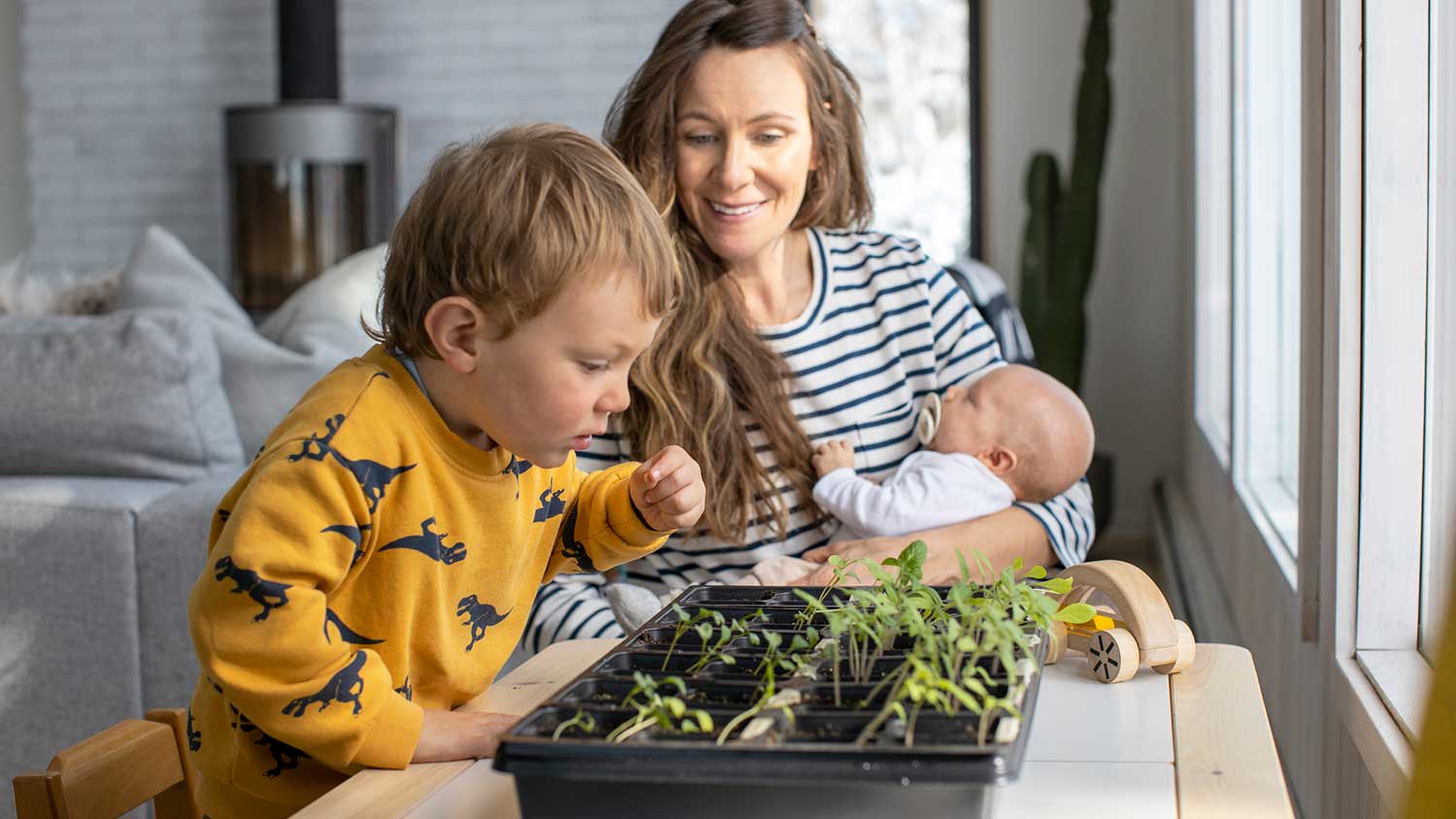
Can’t wait for the growing season? This guide will show you when to start seeds indoors and how to successfully grow seedlings from your living room.
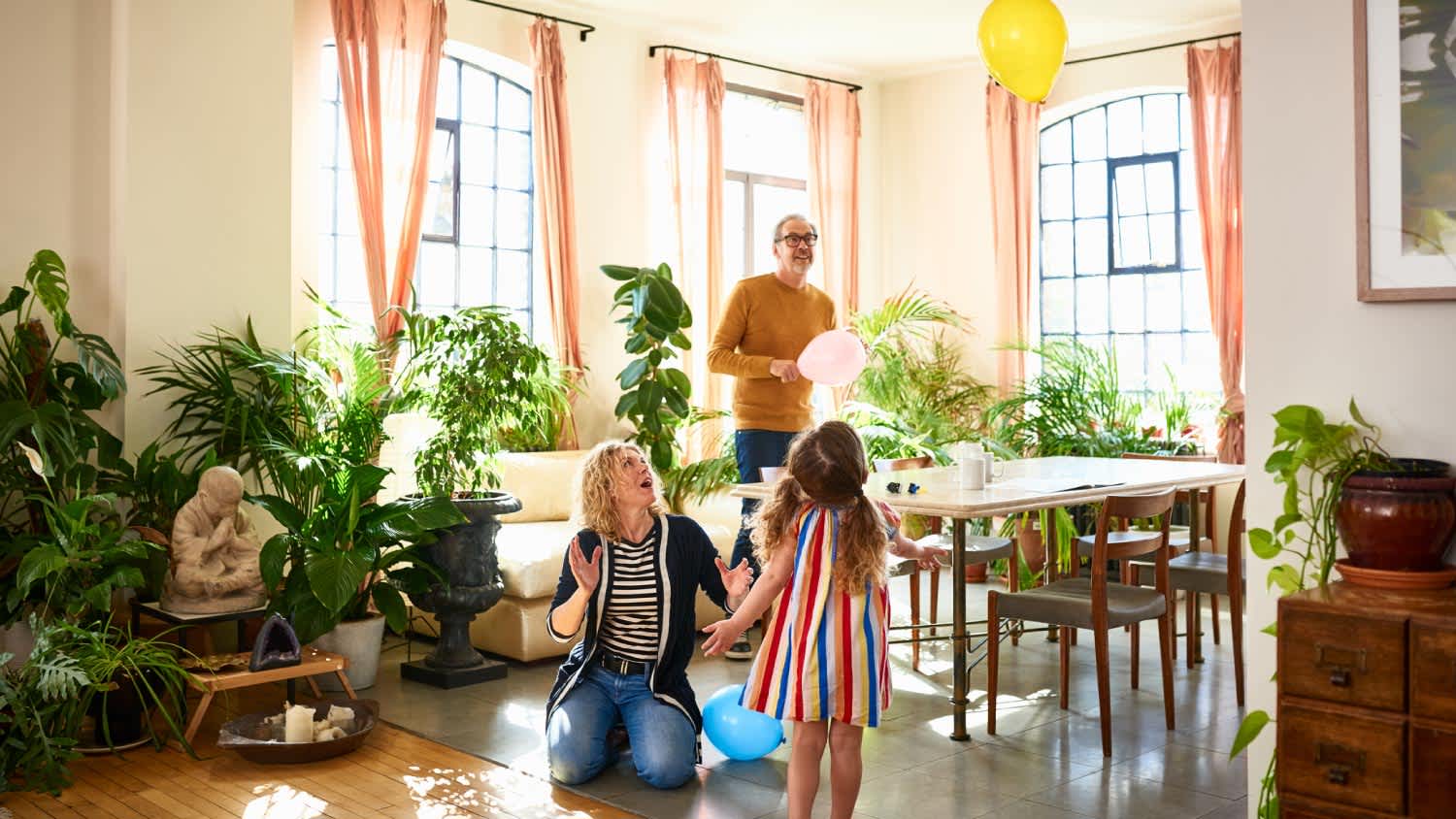
Want to add more plants to your home? Here are the best plant types for each room—from the bathroom to the bedroom.
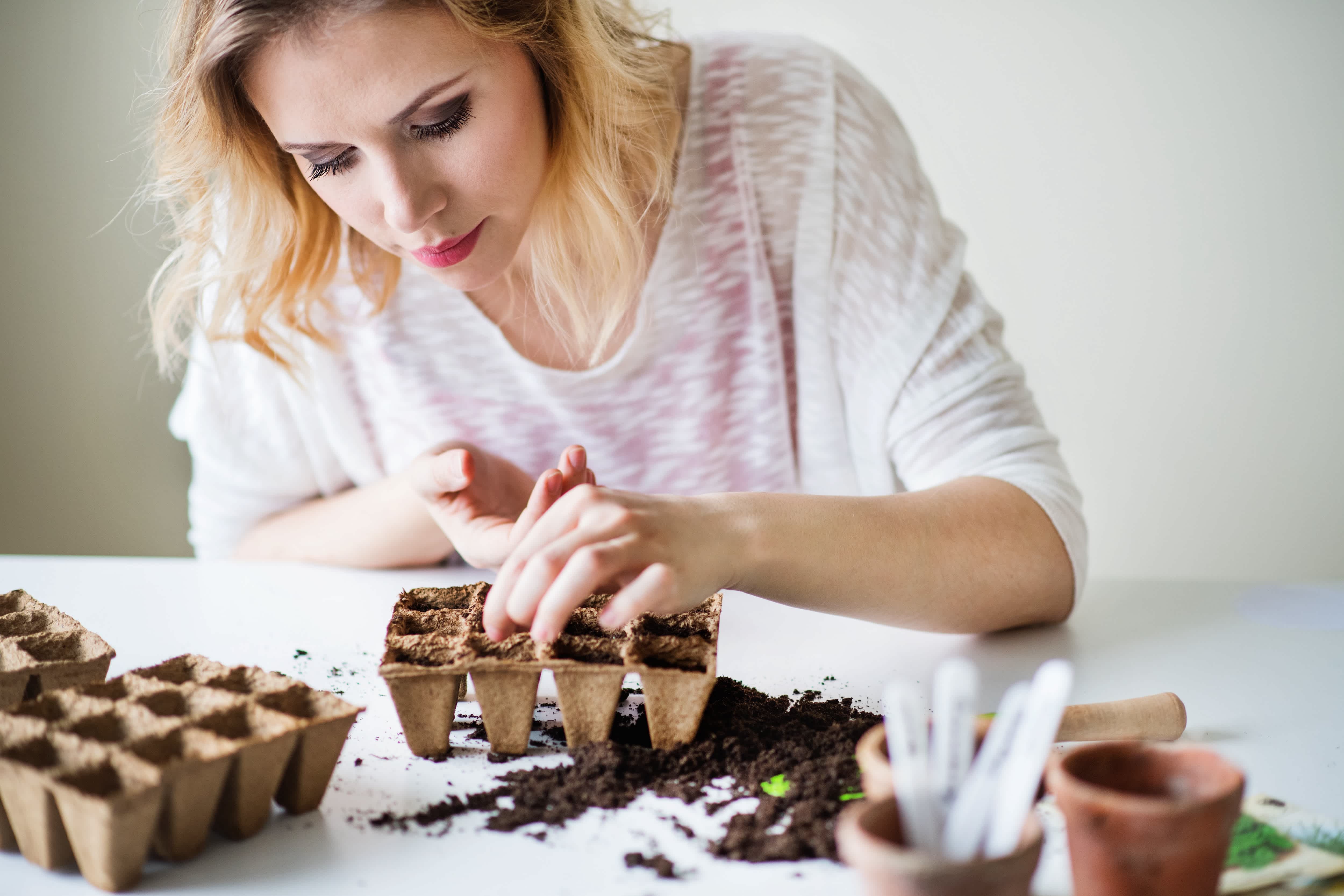
Get a head start on your spring garden with our detailed guide on sowing and growing seeds indoors, including indoor seed gardening FAQs.
Ferns, freesia, and philodendrons—where do you place plants that love either shade or natural sunlight? Pair your home's design with houseplants that will thrive in each level of light for a healthy haven filled with greenery.
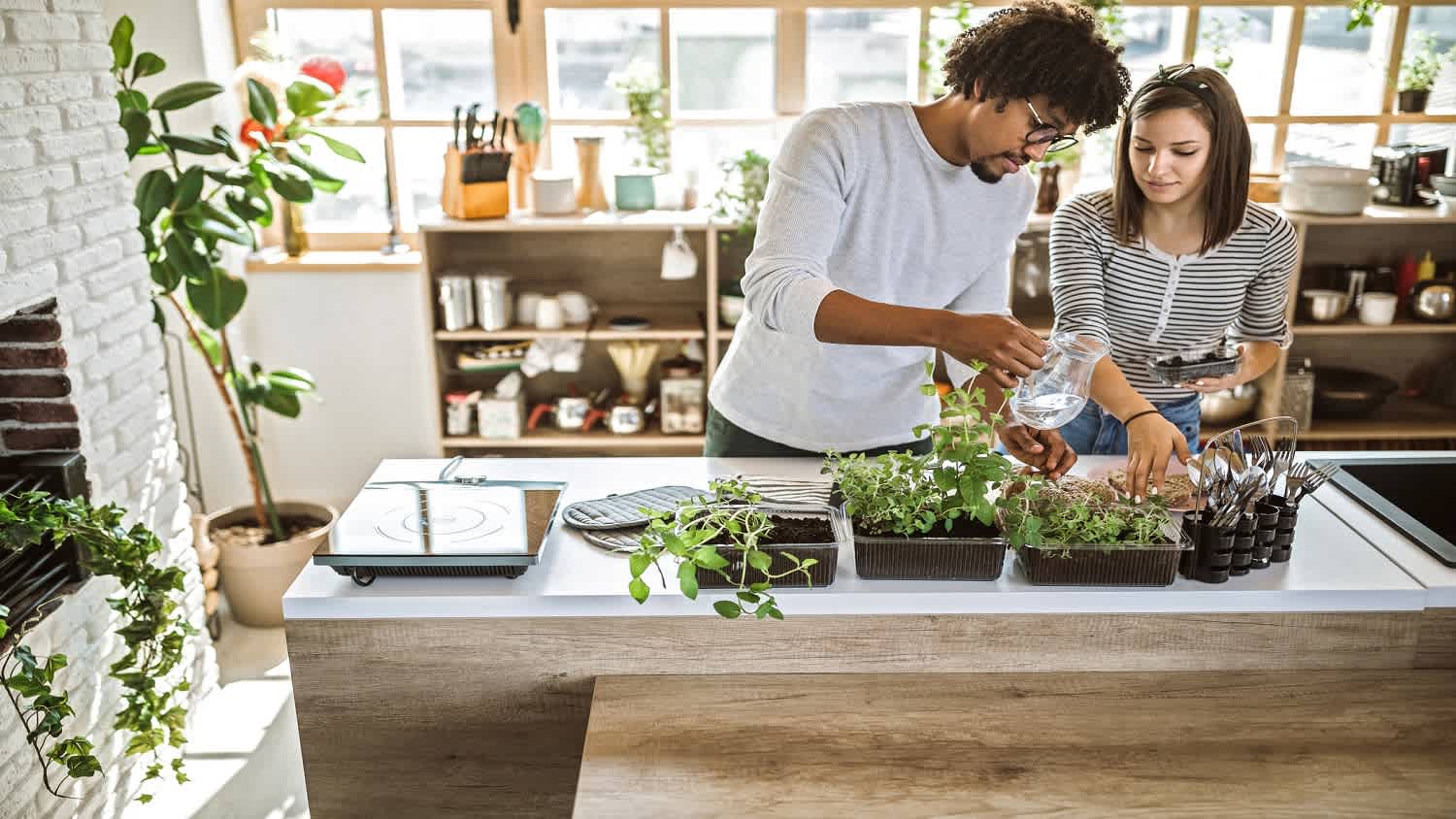
Edible decor? That’s right. These creative ideas for growing herbs indoors will transform your average herb garden into something both delicious and aesthetic.