

Top-rated drywall insulation pros.

Get matched with top drywall insulation pros in Cheyenne, WY

Enter your zip and get matched with up to 5 pros

Need a pro for your drywall insulation project in Cheyenne, WY?

Select your specific project to find the pro for you.

TRUSTED BY CHEYENNE, WY HOMEOWNERS

  • Average homeowner rating star icon4.5
    Average homeowner rating
  • Verified reviews icon96
    Verified drywall insulation services reviews

Find Drywall insulation pros in Cheyenne

Avatar for Energy Insulation, LLC
Energy Insulation, LLC
4.9(
16
)
Blown-In Insulation - Install or UpgradeInjection Insulation - Install

Serving Cheyenne, WY and surrounding areas

In business since 2022

Free estimates

Emergency services offered

"Sam replaced 30 year old insulation under our cabin. The cleanup job was horrible with all the insulation and pinecones from squirrels. Sam meticulously cleaned all of that up and left it spotless. Sam also noticed that we had a heat vent that had become disconnected and he notified us of that and actually fixed it for us. This was above and beyond. Sam is conscientious, a hard worker and a pleasure to do business with. If you need insulation, I would wholeheartedly recommend this business!"
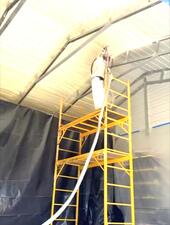
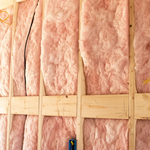
before photo
Before photo
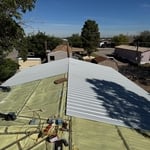
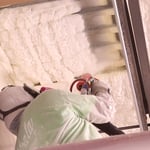
after
After
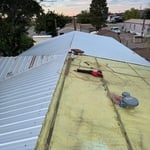
after

+17

Response time2 days
Response rate89%
Recommended by100%of homeowners

Showing 1-10 of 25
Drywall Insulation questions, answered by experts

A nail in drywall cannot hold very much—usually only a few pounds. A nail in a stud can add support and hold around 20 pounds. If you are trying to hang something heavier, get some help from drywall anchors—toggle bolts are very strong and able to withstand more weight.

The two most common drywall thicknesses for ceilings are 1/2-inch and 5/8-inch. For most standard residential applications, 1/2-inch drywall is sufficient and widely used. It provides adequate support and is lighter and easier to handle during installation compared to thicker sheets. However, 5/8-inch drywall is often used for specific cases where additional benefits are needed. It is heavier but provides superior sound dampening and fire resistance. You should consider using 5/8-inch drywall for ceilings in commercial buildings, between a garage and a living space, or above a finished basement to meet building codes or for enhanced soundproofing.

While you can put new drywall over old drywall, it’s not always the best option. In some cases, drywalling over drywall can make it harder to find wires and pipes behind your walls and conceal more serious problems with your walls. It can also make the room smaller. On the plus side, putting drywall over drywall can improve soundproofing and insulation. Plus, it’s often less expensive than tearing down and adding new drywall.

Textured walls are a great way to hide imperfections left over by drywall installation, but many homeowners feel like it’s an outdated look, despite there being so many types of drywall texture. And while the textured walls of today are a far cry from the popcorn ceilings and faux stucco of our grandmother’s homes, if you want a more modern look or you want to install wallpaper, it’s time to smooth out your walls.
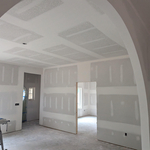
A common cause of separation between a wall and the ceiling is truss lift—this can happen to the ceiling of rooms directly under the attic when the seasons change and wood building materials dry out, shrink, and shift. Roof trusses often dry out at different speeds, and if the bottom pieces dry out faster than the top pieces, they can shrink and pull the attached drywall away from ceilings and walls, causing cracks. Fortunately, truss lift is only a cosmetic problem, not a structural problem, and you can fix it by separating the ceiling drywall from the roof trusses, and patching the cracks.

The Cheyenne, WY homeowners’ guide to drywall insulation services

From average costs to expert advice, get all the answers you need to get your job done.