



Top-rated drywall insulation pros.

Get matched with top drywall insulation pros in Gill, CO

Enter your zip and get matched with up to 5 pros

Need a pro for your drywall insulation project in Gill, CO?

Select your specific project to find the pro for you.

TRUSTED BY GILL, CO HOMEOWNERS

  • Average homeowner rating star icon4.4
    Average homeowner rating
  • Verified reviews icon65
    Verified drywall insulation services reviews

Find Drywall insulation pros in Gill

Avatar for USA Insulation Boulder-Fort Collins
USA Insulation Boulder-Fort Collins
5.0(
1
)
Blown-In Insulation - Install or UpgradeInjection Insulation - Install

Serving Gill, CO and surrounding areas

Approved

In business since 2023

Free estimates

Warranties offered

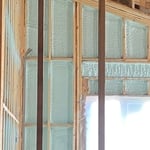
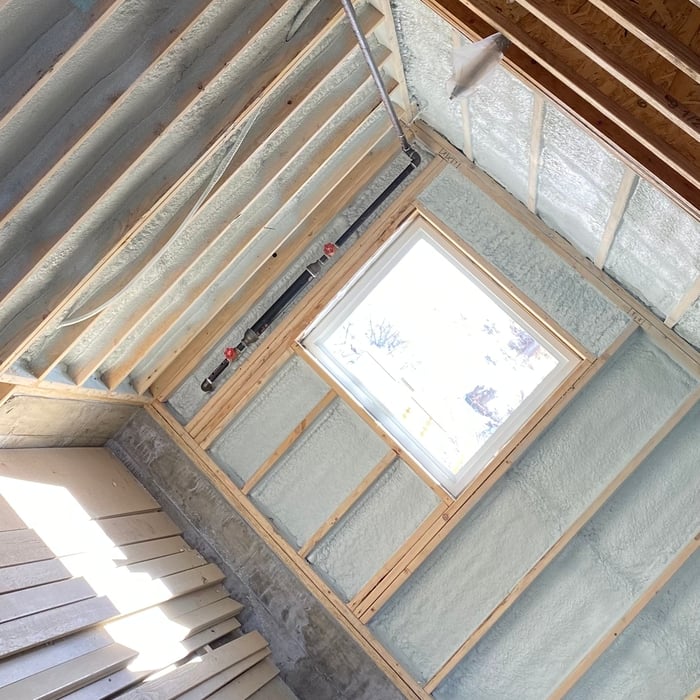
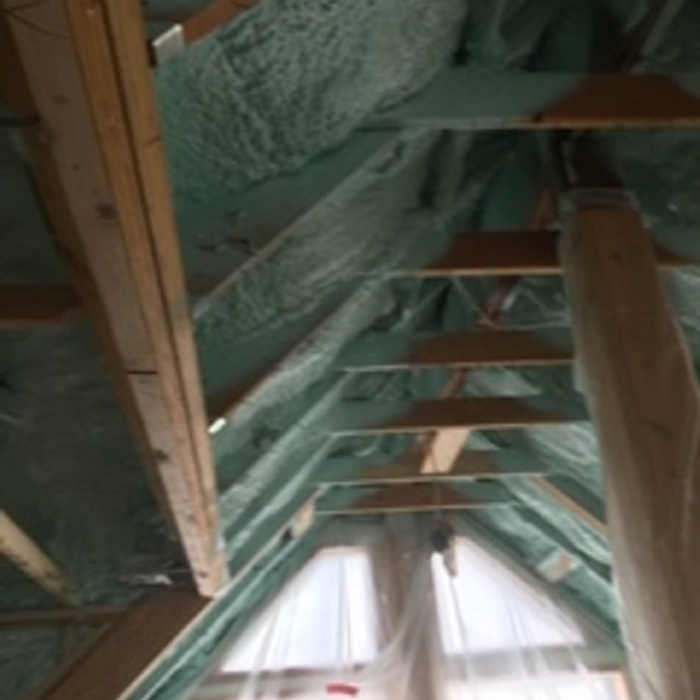
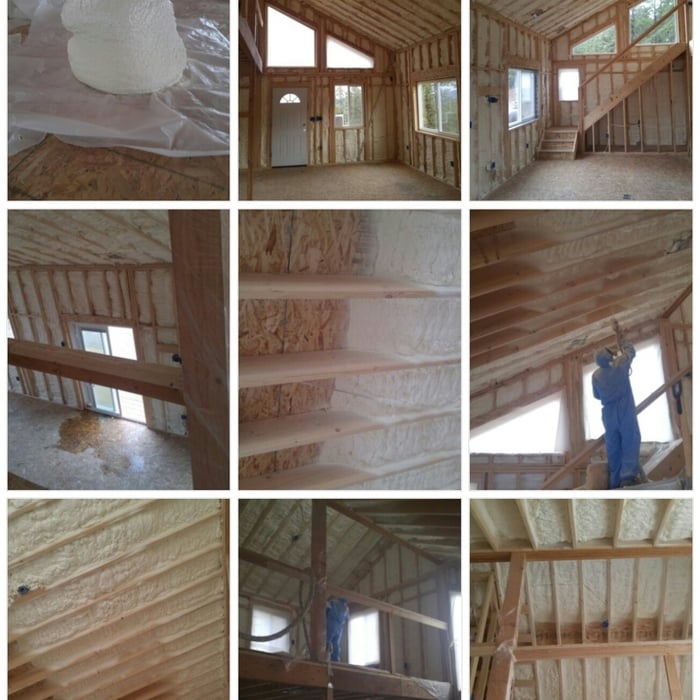
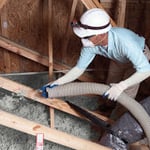
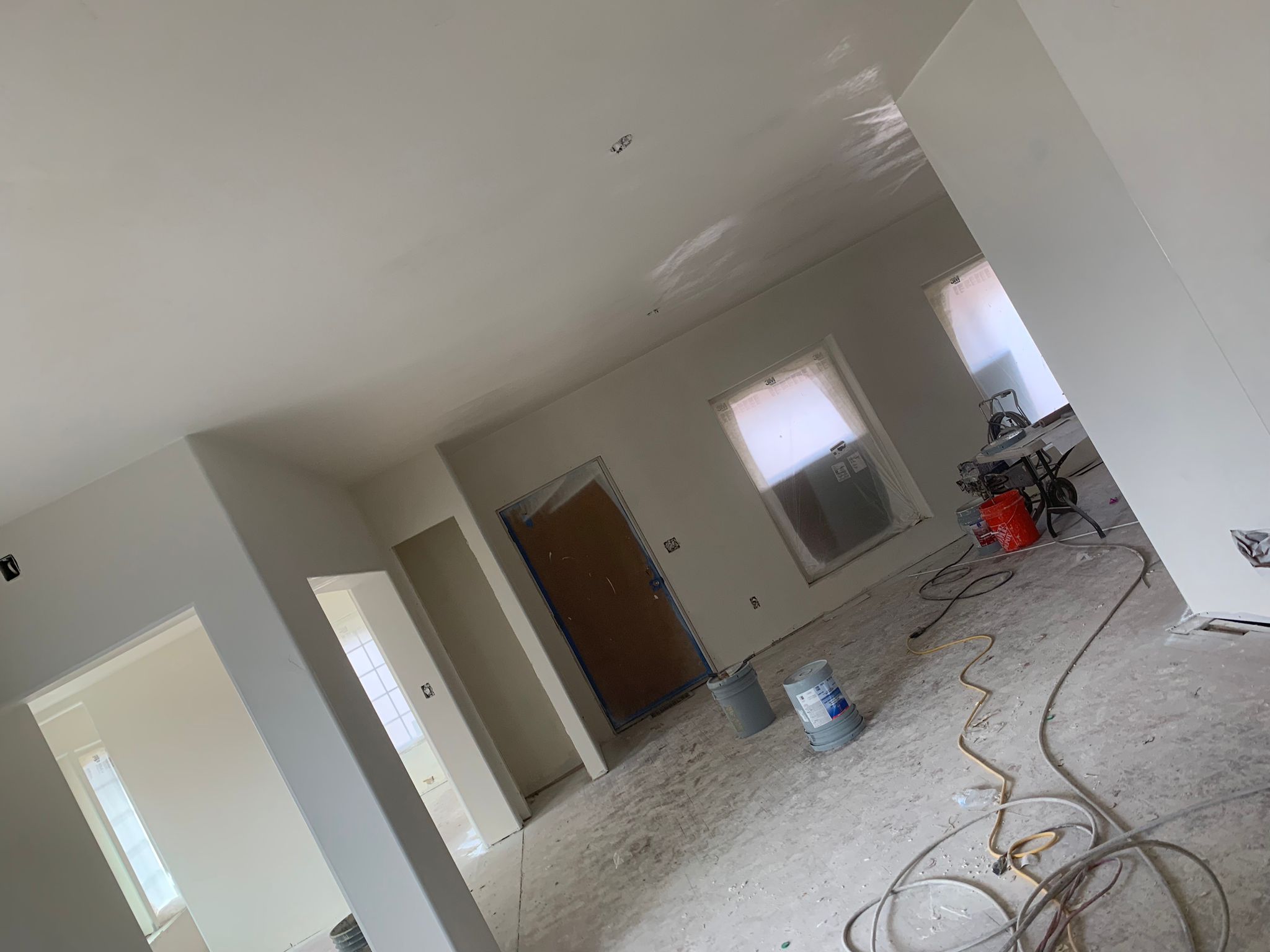
USA Insulation provides whole-home insulation solutions nationwide. Attic insulation, using blow in fiberglass. Wall insulation, using our proprietary USA Premium Foam Insulation. Our injection foam provides incredible benefits by creating a solid barrier between your home and the outside environment.\n\n\n

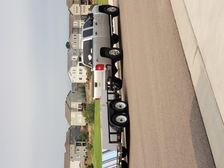
Truck 1 and Crew
Greeley Home Show
Longmont Home Show
Whole Home
Whole Home

+7

Response time12 hrs
Response rate92%
2 neighbors recently requested a quote
Avatar for J H Insulation
J H Insulation
5.0(
1
)
Blown-In Insulation - Install or Upgrade

Serving Gill, CO and surrounding areas

Approved

In business since 2010

Free estimates

Emergency services offered

We pride our company on reliability, great communication, integrity, and quality work. We are experts in our trade and will do our best to keep you as educated as we can on your particular task or project. We look forward to earning your business!

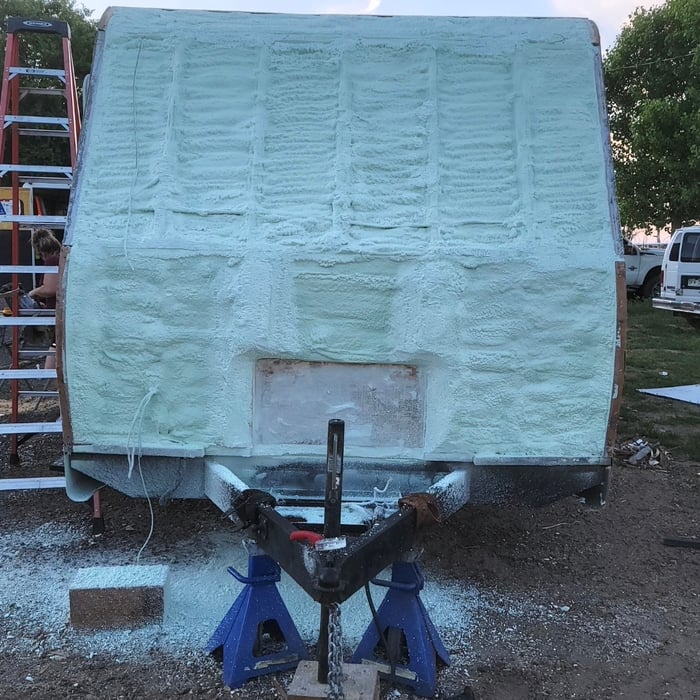
Artisia  NM  project
Fort Lupton  project
RV

+2

9 neighbors recently requested a quote
Avatar for The Insulation Guys
The Insulation Guys
4.5(
89
)
Blown-In Insulation - Install or Upgrade

Serving Gill, CO and surrounding areas

In business since 2010

Free estimates

Emergency services offered

"Fantastic. Chuck was extremely professional, courteous, knowledgable and responsive. His cost was very reasonable. He started and finished within the timeframe of the estimate. He also is just a very nice person and he never tried to oversell his services. If you need insulation he is the guy to call."
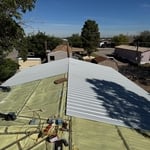
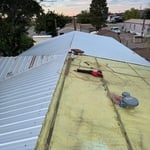
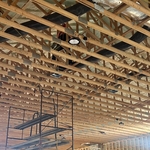
Additional Photos
Additional Photos
Additional Photos
Recommended by95%of homeowners
Showing 1-10 of 40
Drywall Insulation questions, answered by experts

The best tool for cutting a hole in drywall is a drywall saw. Its serrated blade and ergonomic design make it efficient for both straight cuts and more intricate shapes, ensuring clean and precise results in various drywall cutting applications.

Plaster is denser, harder, and more porous than drywall, so it absorbs moisture differently. This means you’ll often need more prep work, such as thorough sanding, patching, and priming with a high-quality bonding primer. Additionally, you may need more coats of paint to achieve even coverage. While the process takes more time, it helps ensure a durable and professional-looking result.

In framing, studs are placed at 16-inch intervals to coincide with the typical spacing of wall materials such as drywall or plywood. This spacing is called "on-center" and is necessary for maintaining structural stability and efficient use of materials. The 16-inch spacing also helps to distribute the weight evenly across the building's structure. For those looking to cut material costs and improve energy efficiency, 24-inch stud spacing can be employed through a method called "advanced framing". This requires careful planning and adherence to local building codes to ensure structural integrity.

While every home has its own unique needs, ceiling drywall installation typically follows a staggered or stepped pattern to enhance structural integrity and reduce the visibility of seams. Starting from one corner, sheets are placed perpendicular to the ceiling joists, with the ends of adjacent sheets meeting along the center of the joist. The next row begins with a half sheet, ensuring joints don't align vertically. This alternating pattern, combined with proper taping and mudding, creates a seamless appearance and strengthens the ceiling structure, minimizing the risk of cracks over time.

Plaster ceilings can sag for several reasons. In some cases, the plaster and other building materials shift and come apart over time, which is why you’ll commonly find drooping plaster ceilings in older homes. Improper installation, foot traffic, and water damage—often from a leaky roof or a broken pipe—can also cause plaster ceilings to sag.

The Gill, CO homeowners’ guide to drywall insulation services

From average costs to expert advice, get all the answers you need to get your job done.