
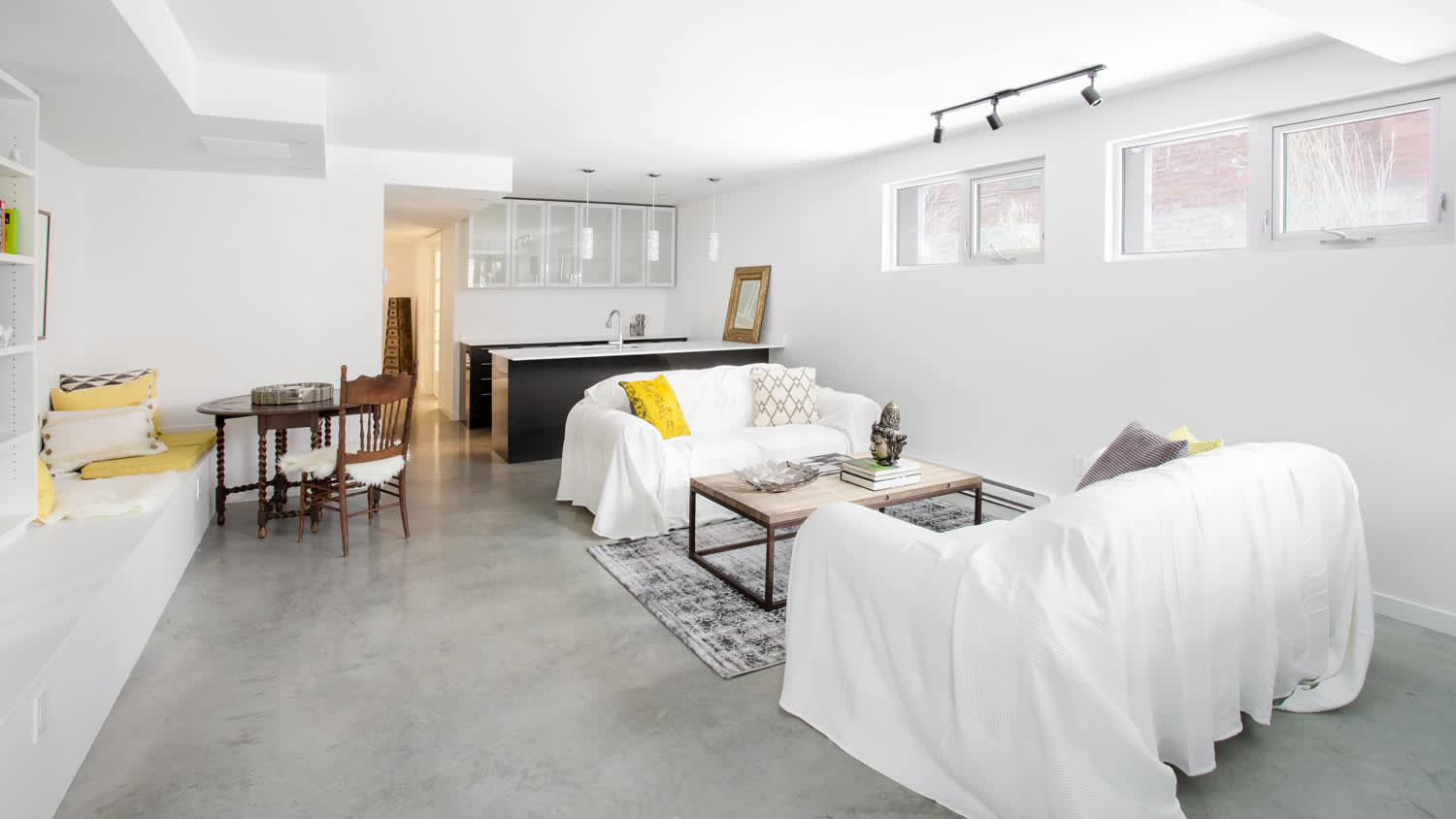
The cost to insulate a basement varies based on materials, size, and other factors, as well as how much of the work you wish to perform yourself.
Insulation service costs depend on your project and location. Check with a local pro for your specific job.

Ceiling insulation costs between $500 and $4,500, averaging $1,900, based on your home size and R-value.
Your climate zone and the insulation type you choose determine the R-value needed to protect your home from heat and cold.
Budget for old insulation removal, building permits, and drywall repairs if your attic has hard-to-reach areas that require wall access.
Hiring a local insulation company keeps your attic properly insulated, helps retain heat, and lowers your energy bills.
In 2026, the national average cost for ceiling insulation is $1,900. Most homeowners pay between $500 and $4,500, with the spread driven by home size, insulation type, and the R-value required for your climate zone. Costs can reach as high as $7,000 for larger or more complex projects.

Three primary factors shape the cost of insulation installation for your ceiling: materials, insulation type, and project size. Project size is tied to how much insulation you need to reach a target R-value, which measures the material's insulating capacity.
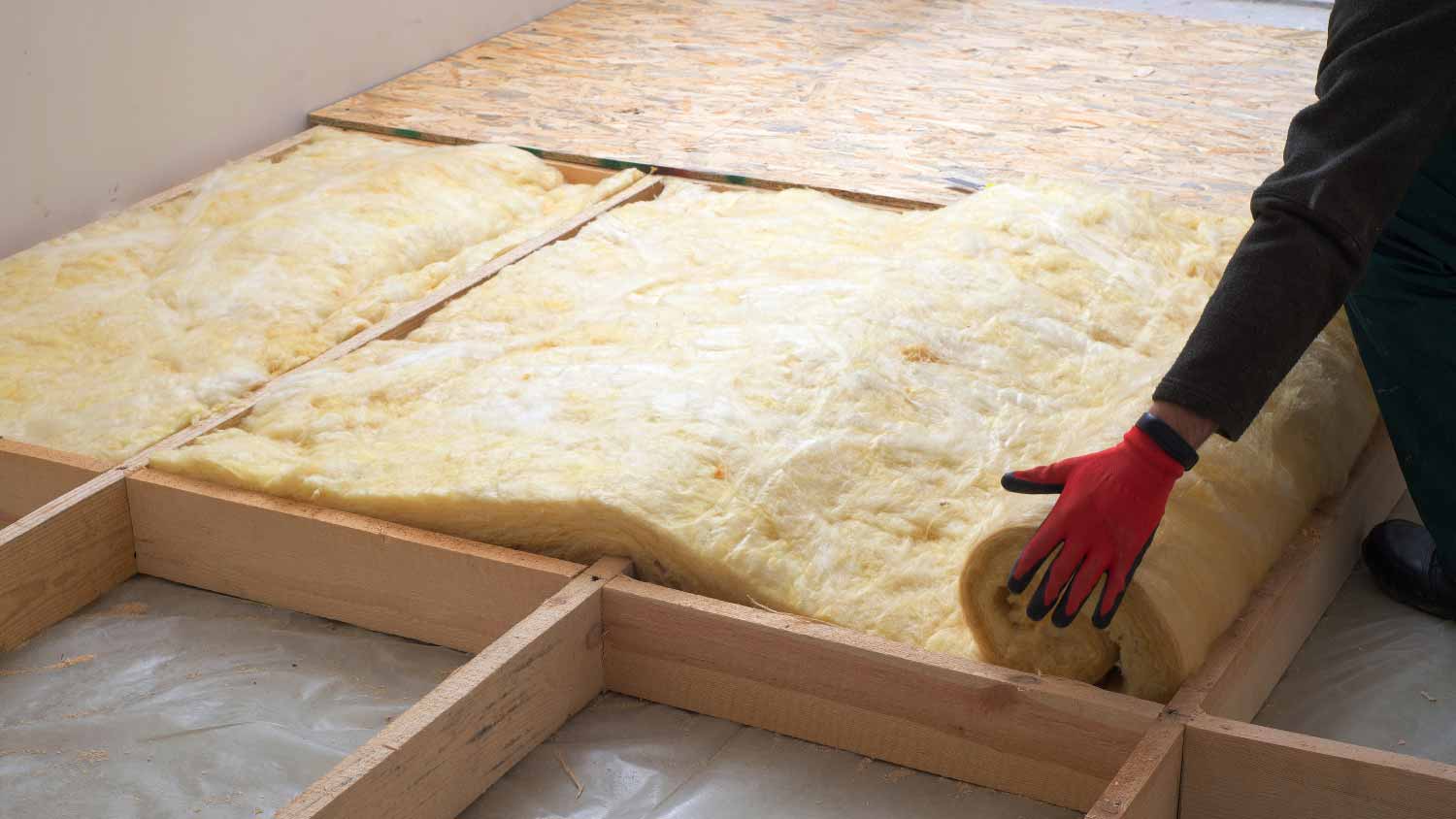
Ceiling insulation typically assumes an unfinished attic, which can significantly affect project costs compared to a finished attic job, though many of the same material types apply to both. You can also insulate between floors to add soundproofing and a modest boost in energy efficiency. Costs vary by material type, as the table below shows.
| Insulation Material | Cost per Square Foot in 2026 |
|---|---|
| Fiberglass | $0.30–$1.50 |
| Rockwool | $1.40–$4 |
| Cellulose | $0.60–$2.30 |
| Spray Foam | $1–$2 |
| Wood Fiber | $4.25–$6.75 |
| Polystyrene | $0.25–$0.50 |
To estimate how much ceiling insulation you need, measure the floor layout of the space being insulated, since total square footage is the primary driver of material quantity and overall cost. Costs vary by ceiling size, as the breakdown below illustrates.
| Ceiling Size (square feet) | Average Cost in 2026 |
|---|---|
| 100 | $40–$200 |
| 500 | $200–$1,000 |
| 1200 | $480–$2,400 |
| 1500 | $600–$3,000 |
| 2000 | $800–$4,000 |
The type of insulation you choose for your ceiling directly affects pricing, with batts, rolls, and blown-in insulation performing well in most ceiling applications. Rigid types like polystyrene or radiant barriers are less commonly used in ceilings, while spray foam is an option but use is limited in this application. Costs vary by insulation type, as shown in the table below.
| Insulation Type | Average Cost per Square Foot in 2026 |
|---|---|
| Batt and Roll | $0.30–$4 |
| Blown-in | $0.60–$2.30 |
| Spray foam | $1–$2 |
| Rigid and Radiant | $0.10–$2 |
Your location affects ceiling insulation costs in two ways: local labor rates vary by region, and your climate determines the R-value required to adequately protect your home from heat and cold. Higher R-values demand more material and installation time, making climate zones one of the most significant cost drivers for this project.
| R-value | Average Cost in 2026 |
|---|---|
| 30 | $0.30–$2 |
| 38 | $0.60–$3 |
| 49 | $1–$4 |
Most homeowners choose to hire an insulation expert for ceiling insulation, with pros typically charging $40 to $80 per hour. Labor rates vary somewhat by location but are more closely tied to the type of insulation, the target R-value, and site access conditions.
Prep work for ceiling insulation starts with deciding whether removing your old insulation is necessary before installing new material. Water-damaged insulation typically requires full replacement, while undamaged blown-in or batt and roll insulation in good condition can often be left in place with new material added on top. Removal and other prep work averages $40 to $80 per hour.
Most municipalities require a building permit for ceiling insulation projects that go beyond minor additions, with permit costs ranging from $50 to $500 depending on the scope of work.
Attic access is straightforward in most homes, but hard-to-reach areas that require drywall removal will add $50 to $75 per square foot to cover cost of drywall repairs once the insulation work is complete.
If you have good access to your attic and a strong understanding of insulation, you can save some money by DIYing ceiling insulation. You'll need to rent a blower for between $15 and $25 per hour to install blown-in insulation types on your own. However, some home centers provide free equipment rentals when you buy enough blown insulation for an entire project.
Regardless of the type of insulation you install yourself, you'll need the proper tools and personal protection equipment (PPE), including gloves, a mask or respirator, and protective clothing.
Insulation can be a dirty and challenging job, which is why most homeowners opt to hire a local insulation company to perform the task. An insulation installer has the tools and abilities to keep the rest of your home unaffected during the installation process. They'll also know the necessary R-values and vapor barrier requirements and will secure any necessary permits.
“Insulating key areas in your home, particularly the attic, ensures more consistent indoor temperatures, reduces strain on heating and cooling systems and maximizes savings. Installing attic insulation can lower energy consumption because your heating or cooling system won’t have to work as hard to maintain your indoor temperature. With improved insulation, your home will be less susceptible to outdoor temperatures. Insulating your attic can lower energy bills by up to 15%, preventing heat loss in winter and blocking heat gain in summer.”
According to Angi data, over 14% of homeowners report installing batt and roll insulation in their ceiling. Other common insulation locations include inside attics and walls.
Ceiling insulation is one part of a broader energy-efficiency picture, and if your project is driven by roof damage, budget $400 to $1,920 for roof repair costs before insulation work can begin. While your installer is on-site, it's also a practical time to address other energy-efficiency upgrades around your home.
Home energy audit cost: $210 to $700
Crawlspace encapsulation cost: $5,000 to $15,000
Basement insulation cost: $1,800 to $3,000
Wall insulation cost: $1,400 to $6,300
Garage insulation cost: $1,900 to $7,700
HVAC replacement cost: $5,000 to $12,500
While insulating your ceiling can represent a significant investment, the project will increase your home's energy efficiency, allowing you to recapture some of the cost in lower energy bills. However, if you're looking to save some immediate cash on the project, there are some things you can do to help control the total price.
Take advantage of federal, state, and local rebates and incentives that apply to installing energy-efficient upgrades and materials in your home.
Perform some of the preparation work yourself, including moving obstacles out of the way for your installer and even removing existing insulation yourself if the job calls for it. Just remember that you'll need to protect yourself with the proper PPE when doing so. In some cases where asbestos may be present, this won't be a DIY option.
Schedule your insulation project during the off-season, which falls between April and June each year. This is when your installer is less likely to be busy and could offer discounted rates.
Home is the most important place on earth, which is why Angi has helped more than 150 million homeowners transform their houses into homes they adore. To help homeowners with their next project, Angi provides readers with the most accurate cost data and upholds strict editorial standards. We extensively research project costs to develop the pricing data you see, so you can make the best decisions for you and your home. We rely on reputable sources, including the U.S. Bureau of Labor Statistics, academic journals, market studies, and interviews with industry experts—all to ensure our prices reflect real-world projects.
Want to help us improve our cost data? Send us a recent project quote to [email protected]. Quotes and personal information will not be shared publicly.
If you’re good people wanting to do business with good people, hire Matt. He is a consummate professional and utterly competent. He installed a water heater in my home at a price that beat competitors by hundreds of dollars with a promise to support the unit for its life (even after its 6 yr...
 Greene's Plumbing Services
I would recommend this company to anyone! He showed up on time, was friendly, completed a very difficult repair on our dryer vent cover, was responsive, and pricing was extremely fair and competitive. I would have him back to do any of our repairs or cleanings without hesitation!
 U.S.A. Dryer Vent, LLC
Best cleaning I've had at my property
I conferred with 2 other contractors before Armstrong Electric. Nick and his crew showed me that the project was not as convoluted as the other contractors made it appear to be. They completed the entire project on time. They were professional, friendly and cleaned up after at completion. I...
 ARMSTRONG ELECTRIC, LLC
Our exterior looks brand new thanks to Custom Paint Jobs LLC. Theyre the best in town!
 Custom Paint Jobs, LLC
Excellent experience with hiring Tether House to Mount our 77’ Samsung TV in our bedroom. Fast, friendly, and knowledgeable. Highly recommend.
 Tether House
The techs on my project, Shawn and Cliff, were great. They were prompt, courteous, and efficient. I am very happy with the results and would definitely contact Mr. Electric for any future electrical projects.
 Mr. Electric of Columbus
We had our houses windows and back door replace this summer by Window Depot USA of Central. He gave us grate advise and saved my family lots money. The team did a fantastic job with installation. If you need help, they sure get job done right!
 Window Depot USA of Central Ohio
Beginning with the estimate, Larry and Peyton were super helpful in getting my new condo's interior re-painted. Not only was the job well done, but also done in a super timely manner as promised.
 Five Star Painting of Plain City and Powell
Great job...edging and pre clean up went well with a great job with seal coat. Friendly, efficient and professional.
 All Star Paving and Sealing
From average costs to expert advice, get all the answers you need to get your job done.
The cost to insulate a basement varies based on materials, size, and other factors, as well as how much of the work you wish to perform yourself.
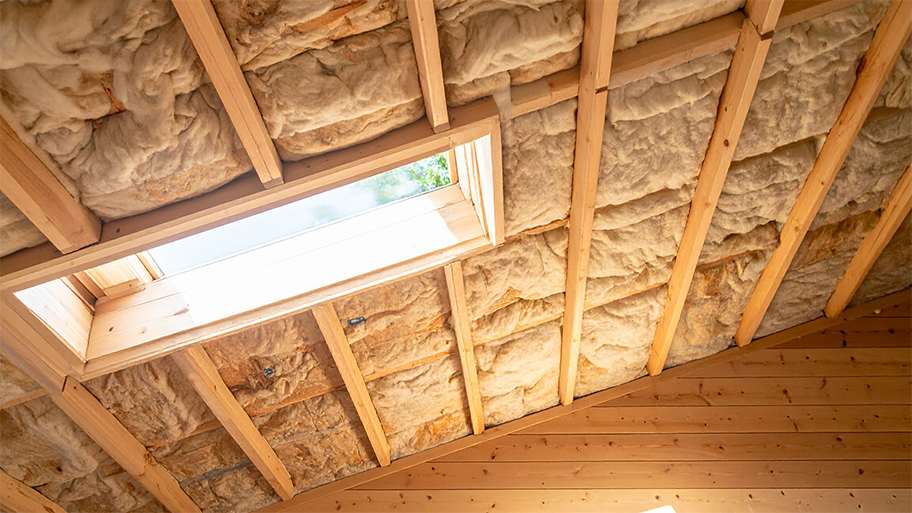
Insulating your attic can massively improve your home’s efficiency and reduce electric bills. Use this guide to find out what attic insulation will cost you.
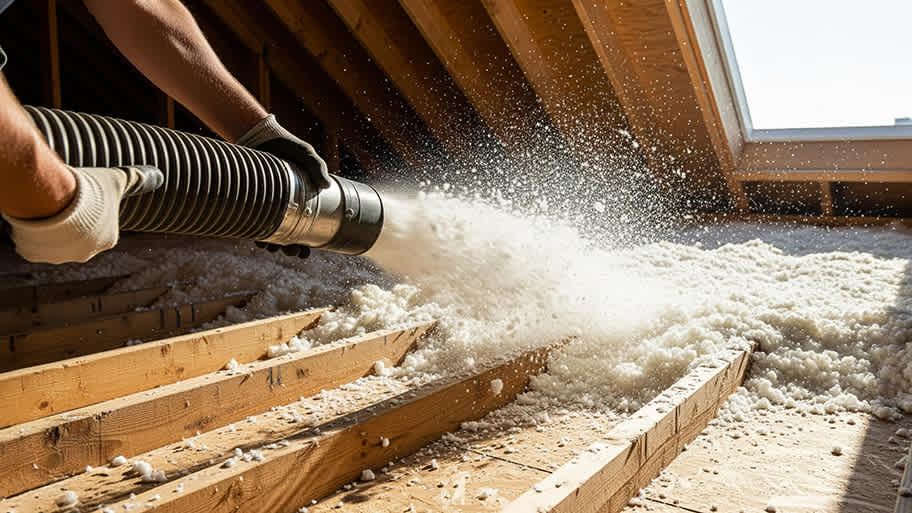
The cost of blown-in insulation costs varies depending on the type of insulation, labor, prep work, and more. Learn more about the cost factors in this guide.
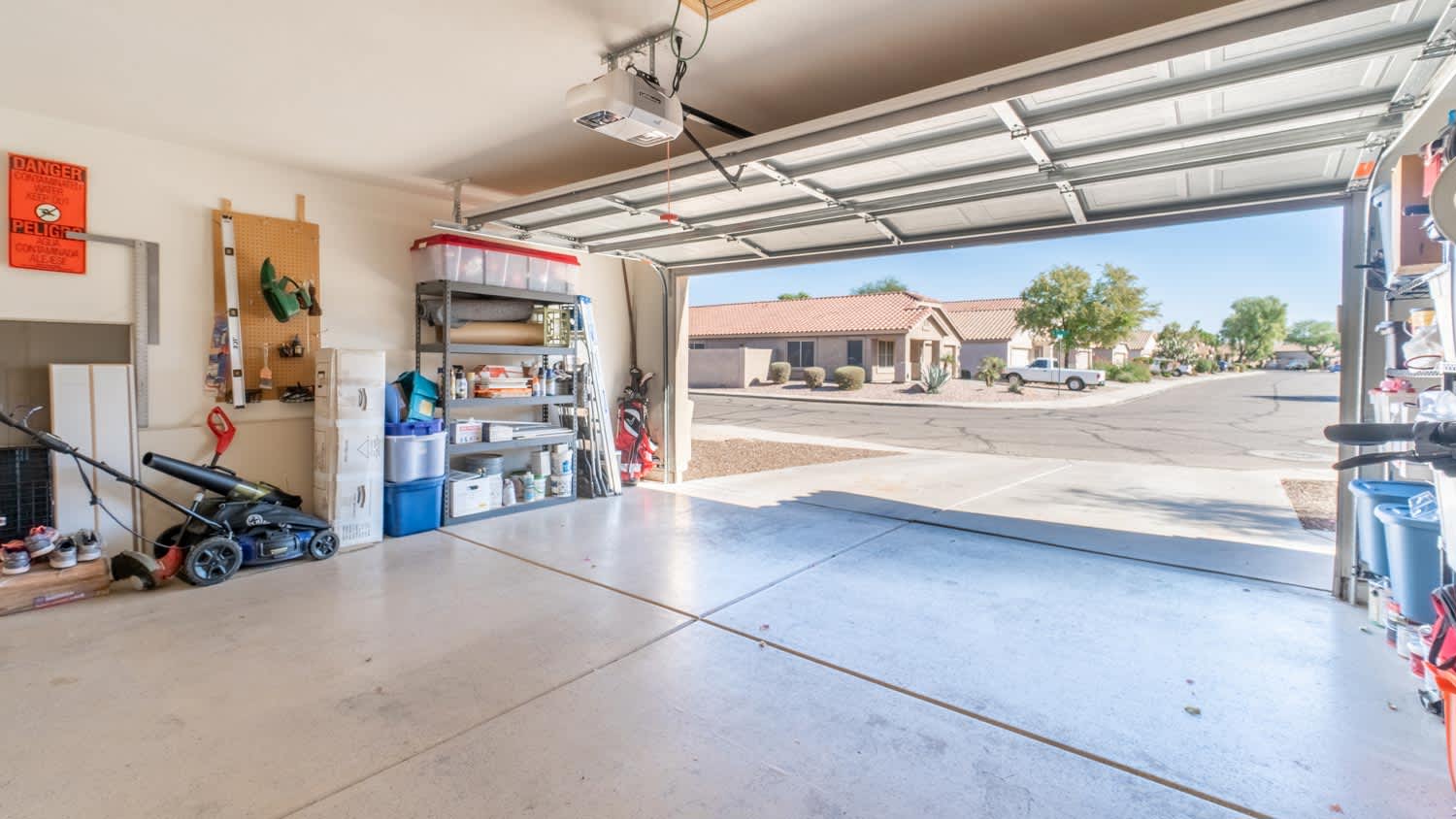
Need to improve your home’s energy efficiency or just make your workspace more comfortable? Learn everything you need to know about garage ceiling insulation.
How to decide if you should add insulation to your attic floor or ceiling to make your home more efficient

Read our guide to insulating your attic for energy efficiency and comfort. Learn expert safety tips, cost considerations, proper preparation, and more.